Senior Litzy Rubio leads while appreciating friendships

by Aubrey Cummings

2026 Lilly Endowment Scholarship winner, senior Lizty Rubio, is a significant part of JHS and her community beyond Jeff.  She is an active member of the swim team, the Anchor Club, the National Honor Society, and represents the school as a student ambassador.

“Litzy is a compassionate, strong, and dependable person. Because she’s in such high classes and she works for so much of what she has, and her leadership positions just show how dependable she can be, and for each of those, she has to be very compassionate,” stated junior Macyn Jackson.

Rubio is known as a leader in everything she does. In her junior year, she served as the co-president of the Student Council, along with representing the Senior Class as vice president this year. 
“I feel like being involved in the school allows me to be better prepared for my future. I used to be shy and kept to myself, but my sports and clubs have allowed me to expand on everything,” explained Rubio.

Senior Litzy Rubio displays leadership and friendship in a number of JHS activities, including the swim team. Submitted photo.

Being a student-athlete can make or break a person.  They have to have a strong will and determination to succeed, along with balancing the aspects of school, sports, and life in general.  But it can also lead to so much more than just medals and trophies.

“Some of my best memories and friendships have come alongside the sports I have done,” said Rubio. “The people are like a second family to me; we wake up early in the morning for practice and leave late at night from meets. I am with them all the time, even during the holidays.” 

These friendships could last a lifetime.

“Litzy truly is someone I look up to. She sets an example for everyone, showing that if you really want to do something, you can,” senior Mari Bush explained.

Rubio plans to potentially attend Purdue University to pursue her bachelor’s degree in civil engineering and possibly earn her master’s degree in architecture to become an architectural engineer.
Extracurricular activities benefit students in a variety of ways

by Breslyn Dozal

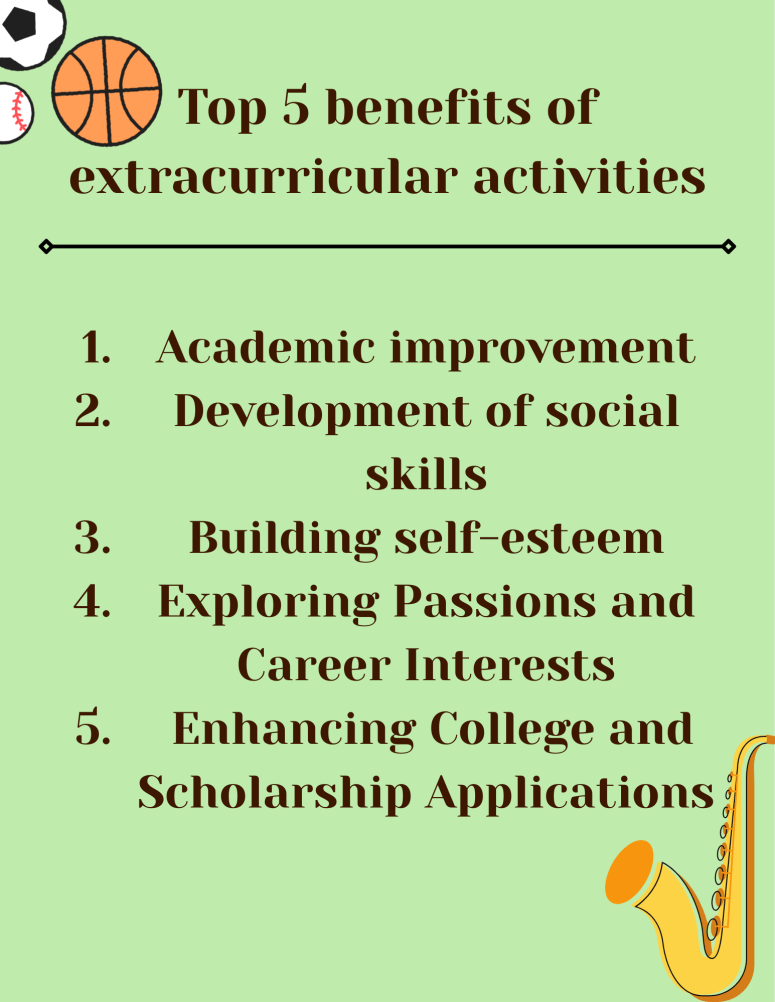
Extracurricular activities offer students crucial lessons in teamwork, discipline, leadership, and resilience, helping develop skills outside of just academics.
High school is full of opportunities. Some of those opportunities are extracurricular activities. Most extracurricular activities are after-school activities, but in some cases they can go on during school.

Many students have found that extracurricular activities build up their confidence and decrease social anxiety.  They build up many skills such as communication, problem-solving, and adaptability. Extracurricular activities can be sports or clubs.

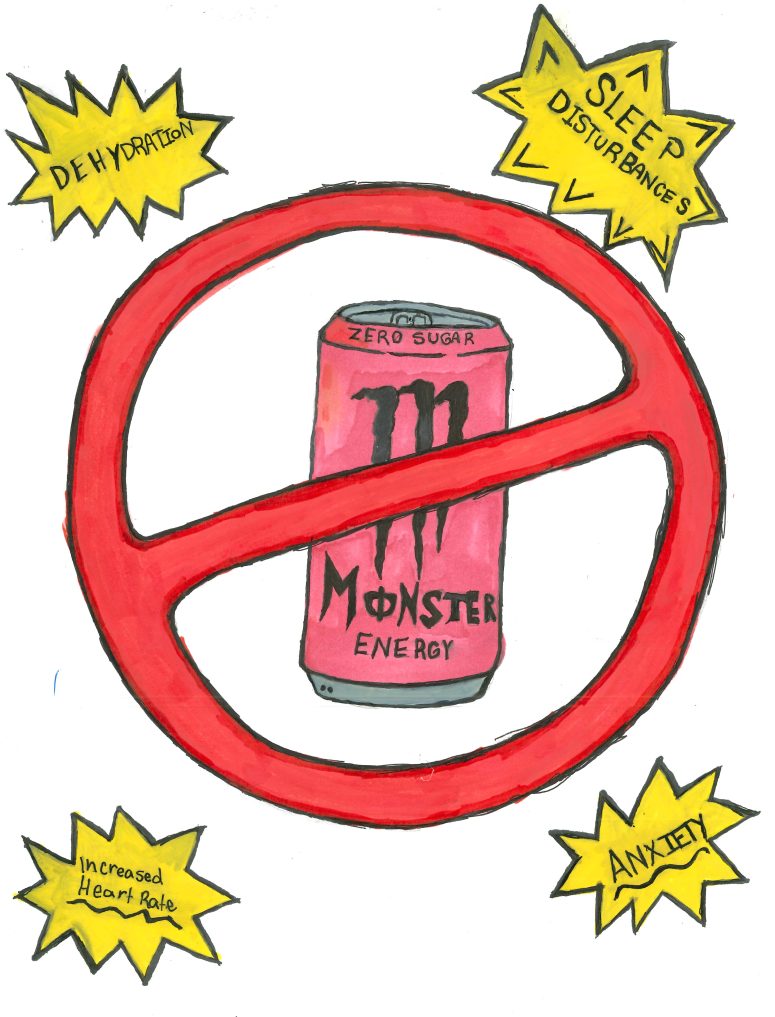
Graphic by Breslyn Dozal.

“Confidence, it helped me through soccer and it made me a better player,” said freshman Jacqueline Escobar, who plays club soccer, not related to school. She added that playing a sport outside of school has helped her with time management with her school work by having to balance practices, games and school work simultaneously. 

Senior Kendall Curry agreed that participating in extracurricular events has helped her find balance with not only clubs and school work, but also with working at her job. In all these areas, Curry said that she was around diverse groups of people. Because of this, she learned how to work among a variety of individuals from different backgrounds as hers. 

By participating in extracurricular activities, students can also gain insight into fields of interest they may want to pursue in the future.

Curry learned from being a football manager that she will likely pursue a career working in sports.

Freshman Alayla Hickerson learned by being in band that she would like to continue it in college and maybe as a career. 

Special life skills can be derived from participation in extra curricular activities as well.

Freshman Eva Harbeson appreciates the marksmanship skills she has learned in JROTC. She said that she likely won’t use those skills in a future career, but she is glad she can protect herself for knowing them now. 

Curry, Hickerson, Escobar and Harbeson all described common lessons they learned from participating in extracurricular activities: they gained confidence, time management skills, and the willingness to try new things.

All of these skills are useful in future goals outside of high school, proving how beneficial extracurricular activities can be.

Science teacher Matthew Bramer reflects on the year that changed everything

by Kori Washington

Chemistry and physics teacher Matthew Bramer made a major life change when he left the tech world to become a teacher at Jeff High.

“My previous work was IT work, and it was fun, but it didn’t feel like it had a big impact,” said Bramer, who worked in technology at Mercer Transportation. 

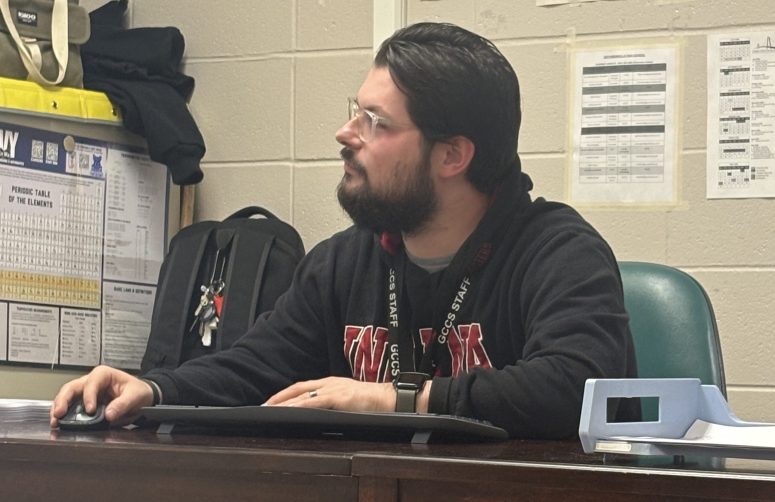
ICP teacher Matthew Bramer goes over student slides and corrects them to put it in a grade. Bramer is happy that the student had finished the work. ”I love being a teacher; I can show them a easy way to do things,” he said. Photo by Kayleen Alvarado.

After reflecting on his time in the tech industry, Bramer realized that while he enjoyed his work in IT, he didn’t feel like he had a deeper purpose. This made him want to change his career to something where he could positively impact others’ lives and make them feel like they have a purpose, too. 

“I wanted to be a teacher so that I could impact the lives of the students,” said Bramer.

Although Bramer thought he would only impact the lives of students in class, he has also impacted them outside of the classroom as well.

“I like how he’s very patient with the students and also listens to my drama,” said freshman Ariana Smith.  

“Patient” and “kindness” are some of the many words that students and staff would use to describe him.

“He’s kind. He definitely is one of the kindest people I’ve met. He doesn’t get stressed out by the situations that every day of teaching can give you. He’s able to keep it cool,” said science teacher James Huffman, who has been teaching for 10 years. 

“He’s so enthusiastic and happy all the time. Oh, my gosh. Always has a smile so kind. It’s a really good guy,” said science teacher Hope Rector, who has been teaching for 19 years. 

While Bramer is known for his kindness and patience, his first year of teaching has also come with challenges and rewarding moments.

“Classroom management has been pretty hard. And that’s just managing all of the personalities,” said Bramer. 

But despite having a lot of personalities in one classroom, Bramer enjoys getting to know all the students and also getting to see them understand what he’s teaching. 

“I think seeing the students get it and understand the curriculum was really nice, and it was also really nice to have a lot of students come up to my desk and hang.”

These rewarding moments are one of the many positives that keep Bramer motivated to keep teaching. But one of the most important aspects that has kept him moving forward is the help from his fellow staff members.

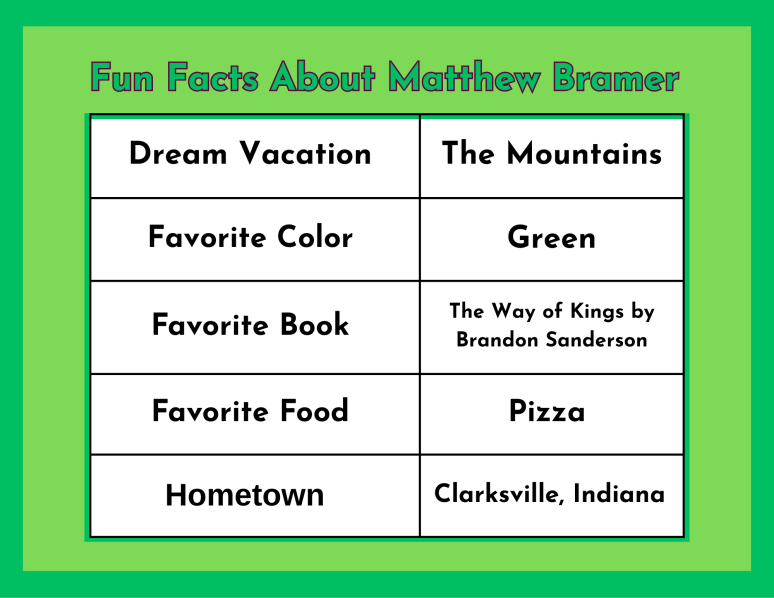
Graphic by Kori Washington.

“Ms. Rector and Mr. Huffman have been very helpful,” said Bramer. 

Huffman and Ms. Rector’s advice have played a role in Bramer’s growth as a teacher since the start of the year.

“I think when you walk in, like as a teacher, and you have like over 30 kids staring at you, it’s overwhelming for sure. But I’ve seen him grow in his confidence,” said Rector. 

“He’s gone from being nervous to and kind of using me and Miss Rector and other teachers that are veteran teachers as helpers; he’s almost doing most of it on his own. He’s asking us for some, like help every once in a while, but he has gotten to the point where he’s creating things and sending them to us,” said Huffman.

After experiencing the challenges of his first year and growing with the help of his mentors Bramer has learned valuable lessons he would like to share with otherothe first year teachers:

“I set aside time for grading, cause coming in, I was like, ‘yeah, I’m gonna grade.’ And then I actually have to grade. And it’s like, ‘oh my gosh.”

Junior author Jeremy Baker publishes his own faith-based books

by Shelby Keesee

Recently, a book titled Living for God was published by JHS student author Jeremy Baker, a junior. The book’s inspiration came from Baker’s own reflection and experiences and discusses daily faith and intentional living.

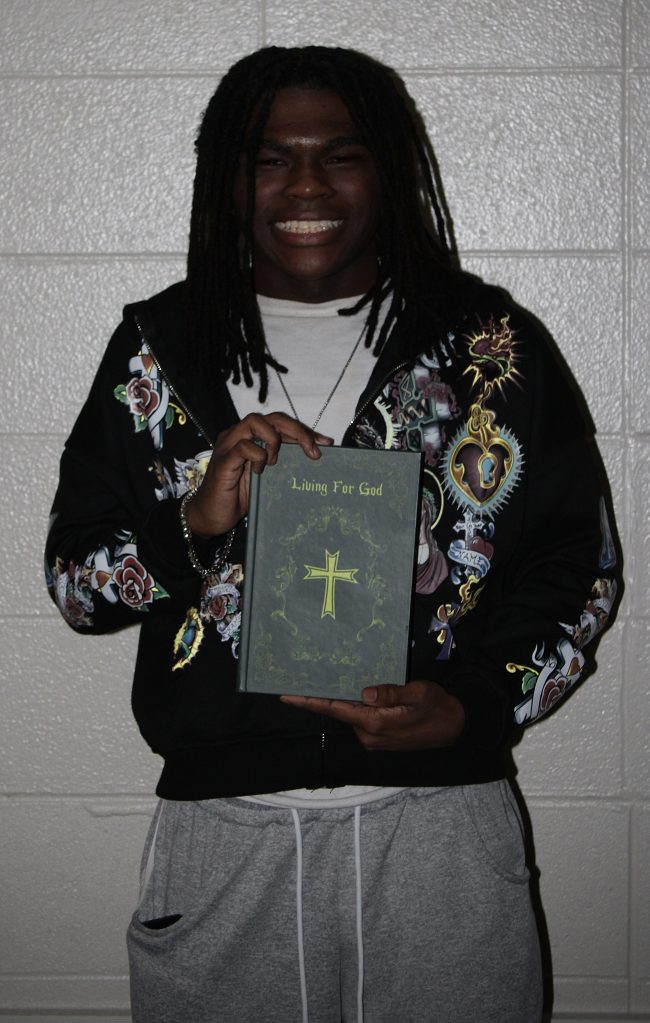
Junior author Jeremy Baker displays his most recently-published book, Living for God. Photo by Shelby Keesee.

Baker has published two books, A Heart for God and Living for God on Amazon. Both books provide guidance and acceptance through God. A Heart for God, Baker’s first book, originates from a time where Baker realized he wanted God to be part of his life. This experience later developed into the book’s cover and overall concept.

“I have experience in journaling a lot, especially about situations, struggles, lessons and conversations I had with God,” said Baker. “What started it all was I had an image in mind of a torch with a blazing flame; then I thought about a heart – my own heart, and it made me think about having a burning desire for God in your heart.”

A Heart for God rewarded Baker with personal growth, reflection, and an idea for Living for God, Baker’s recent book.

“From there, I started growing more and more, and there was a time when I was reflecting on what I’ve been doing and how much I changed, and how much I was wanting to live for God, which became the idea for my second book, Living for God,” he said.

Baker summarized both of his works, offering insight for anyone interested in his books”

A Heart for God

A Heart for God is a guide for anyone who feels lost, feels emptiness in their heart, or is spiritually distant and wants something that’s real. This book guides the readers through recognizing the emptiness they have, to understanding purpose, overcoming struggles like temptations and distractions and builds a strong spiritual foundation.”

Living for God

Living For God is a book that is like, shifting from that desire of the heart for God, to daily action and applying it once you have that heart for Him. The first book focuses on developing the heart; Living for God focuses on living it out.”

The two books contain progression, starting from transformation to applying faith and belief our daily lives.

Junior Jeremy Baker’s two self-published books, A Heart for God and Living for God. Photo by Shelby Keesee.

Baker said his favorite book was A Heart for God because it was the first book he published, and due to its topics of desire and faith.

Describing his first book as the start for everything, Baker said, “Before you can truly live intentionally or live for God, there has to be a genuine desire in your heart, [and] without that desire, it doesn’t last. It’s also my favorite because it represents the beginning of my journey, which without it I probably would’ve never made the second book, Living For God.”

An experience on the school bus opened a door for Baker to explore his own faith and eventually begin his writing journey.

“What inspired me to write my books started on the bus when school was over. I saw this one girl who was speaking about God and strong foundations; it deeply impacted me a lot and I felt so much peace in the area. It sparked a strong desire in me to pursue God intentionally.”

Baker said this strong desire led him to follow God, which allowed him to write about his experiences and gain another desire: impacting his readers.

“The impact I want to make with my books is helping (young/adults) people feel very purposeful and hopeful, and reminding them that they were placed here intentionally by God,” stated Baker. “I want the readers to recognize that God is present in every moment of their lives, whether they’re happy, angry, or going through something difficult. I want people to think more deeply about their actions, their motives, and the direction of their lives.”

Faith and purpose are both crucial to Baker because he believes in individuality and that each person has his or her own talents and purposes in life.

“This is important to me because I’ve seen how people, especially around my age, get distracted,” he said. “A lot of people live by only the moment without asking, ‘What can I do now that will matter in the future?’ I feel called to speak to my generation about faith in a way that encourages discipline and intentional living. I don’t want people to waste the gifts and the potential that God has given them.”

Both works are recommended by Baker if readers need faith, purpose and direction.

“I would recommend these books to anyone, young and older. Or if anyone feels maybe unsure about their direction in life, or feel distracted. I also want readers to know that faith is about being willing to seek, grow, and live intentionally.”

Canva’s beginner-like tools enabled Baker to design his book covers. Baker has experience in graphic design and recommends Adobe Illustrator for advanced designs.

Baker discovered the Amazon Kindle Direct Publishing platform, which guided him to publishing his books online.

“I researched the Amazon Kindle Direct Publishing (KDP) and watched tutorials on YouTube to understand each step on how I can get my book on Amazon,” said Baker. “I learned about formatting, trim sizes, and cover dimensions. At one point I was hiring someone through Fiverr to fix some errors with my book, but after looking into Amazon’s Cover Creator tool, I was able to fix the errors myself, which is how I was able to publish my second book.”

Not only is Baker a growing author, but he is working in the fashion industry.

“In addition to writing, I’m also at the moment working on a future clothing brand business, working in the fashion industry, which is a long term thing I am committed to doing.”

Additionally, he is committed to publishing a third book, which remains untitled for now, as he is in the “researching stages of working on a third book, taking time to study, reflect and gather everything I need before I fully jump into it.”

Baker said he wishes to reach readers from every religion and inform them about their worth.

“Even for those who may not believe, I do hope my books at least encourage them to recognize that their life has purpose, and that they were placed here for a reason.”

Financial stress affects high school students 

by Chloe Newton

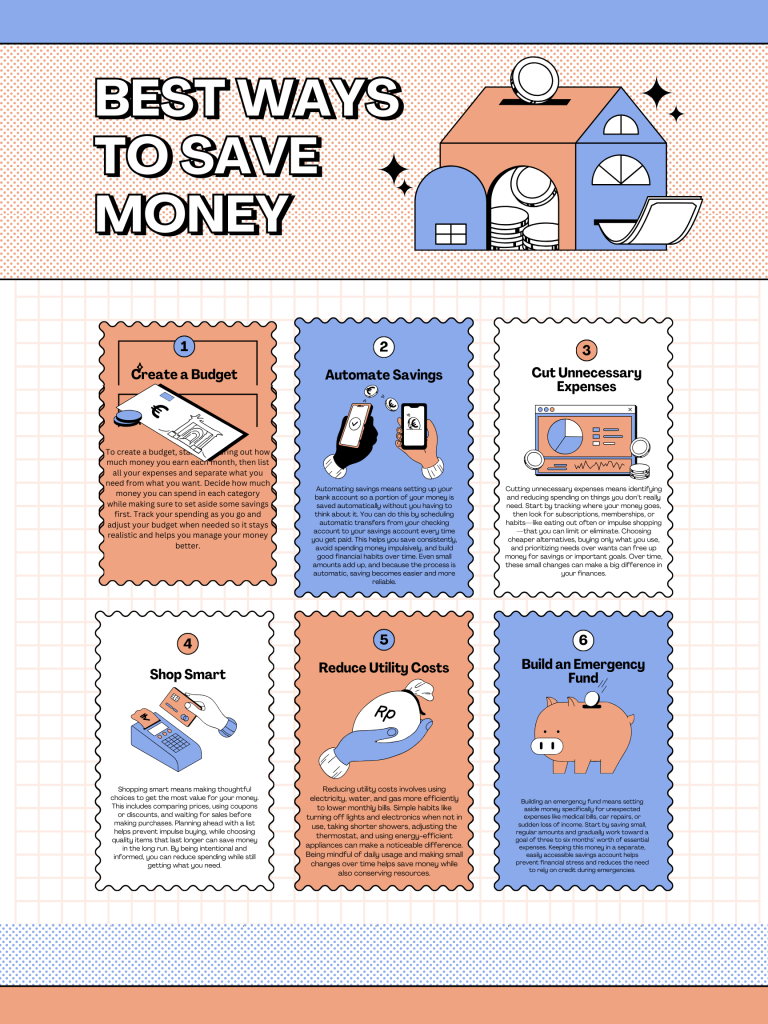
For many high school students, the day doesn’t end with the last bell. After class, some head to part-time jobs, others to extracurriculars, and many try to balance both, often because of financial pressure.  At Jeffersonville High School, students say that money plays a growing role in their daily decisions, from whether they can attend school events to how many hours they work each week.

“I started working to sell smoothies because I wanted to help pay for my own things,” junior Onesty Gipson said, “but once I started. I realized  how hard it is to manage schoolwork and a job at the same time.” 

According to students, common expenses include gas, clothing, food, phone bills, and saving for college. While some work to cover personal spending, others say their income contributes directly to household expenses.

Sophomore Shane Adkins works around 20 hours a week at a local department store. “I help pay for my clothes, phone bill, and sometimes groceries,” he said. “It’s stressful,l but it feels good paying for my own expenses.”

Teachers have noticed similar patterns as well. French teacher Dana Schenk said students who work longer hours sometimes struggle to keep up academically.

“They’re motivated and responsible, but there are only so many hours in a day.”

Not all students experience financial stress in the same way. Some students say they do not need to work and receive financial support from their families. Sophomore Vivianna Hill said money is not a major concern for her right now. 

“I don’t have a job so I can focus more on school and clubs, but I know that’s not everyone’s situation.” 

The difference in financial responsibility can affect social life as well. Several students said they skip outings or school events because of cost. 

“Sometimes I just say I’m busy; it’s easier than explaining I can’t afford it,” said sophomore Monseratt Gonzalez.

Despite the challenges, some students say working has taught them important skills. Sophomore Lucy Roberts said managing her paycheck has helped her learn budgeting.

“It’s stressful, but it’s also made me more aware of how money works,” she said.

Schenk also encourages students feeling overwhelmed to seek support. 

“Whether it’s adjusting work hours, accessing school resources, or just talking it through, students don’t have to handle financial stress alone,” she said. 

As students juggle academics, work, and personal responsibilities, financial pressure remains a quiet but significant part of high school life, and it is something that will always affect students differently depending on their circumstances. 

Graphic by Chloe Newton.

Planning and support help JHS teens balance school with part-time jobs

by Breslyn Dozal

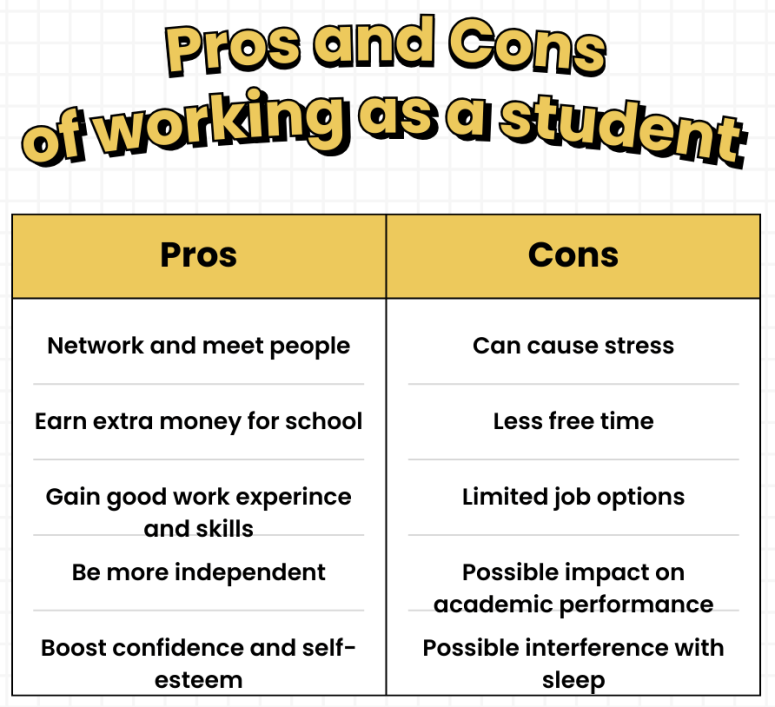
Balancing school and a job can be tough for students. It takes good time management to handle both without falling behind.

All students are different. Whether it’s studying or dressing a certain way, there’s one thing they all have in common. They need jobs! The real thing is, how do they maintain a job while being a student?

“I usually only work at least three days a week unless I pick up more shifts, but I try and get most of my school work done if I work that specific night. Sometimes I’ll plan out my week just so I know everything that I have going on,” said senior Kendall Curry, who works at 7brew Coffee.

When planning a routine, making sure students have everything sorted out is one of the hardest things. Many steps come when making a routine or schedule. The biggest thing teens can do is set a goal and have self motivation.

“I would say, my mindset helps me focus on what the next step is to the ending step,” said sophomore Marcus Baker, who works at Taco Bell.

Graphic by Breslyn Dozal.

Being a student athlete may also be a challenge when it comes to balancing work and school. On top of school work, students have practice and games which might make it hard to get to work on time or get there in general. 

“Do school work quick, work the days I can, and practice when I can,” said sophomore Kaden Waters, who works at Culver’s

When asked, Baker said being considerate of the time given and managing time well helps him most when it comes to being a student athlete and balancing work.

Talking to coaches and employers about working around students’ schedules is the best way to form a good working relationship alongside school work. Most coaches find a way to plan important stuff around athletes’ schedules. 

Another good way to plan is asking others in the same situation how they do things. What their strategies are and how they manage everything. How they keep up with school, work, and sometimes sports too.

“I keep up with my job by working no more than 30 hours and not working multiple days back to back,” said senior Maxwell Schoonover, who works at Kroger.

It’s also important for students to enjoy high school years. If students are always spending time doing work or sports and school, they’ll forget to have fun. Another thing is overwork. Working too much and not giving enough will make everything 10 times harder.

“It is important to work but it’s also important to have fun in high school and school is already like a job so it’s important to give yourself a rest,” said Schoonover

One thing that Jeffersonville High School offers is academic pathways. These pathways are mandatory but very useful. It helps students to take certain classes to be prepared for out of school work. It also offers real job sites during students senior and junior year. Helping them prep and know what you’re stepping into.

Another thing being offered is Prosser. Prosser is a real life learning experience. With work based teaching, Prosser helps students get the experience they need.

“One of the beautiful things now about high school education is because of the ways the pathways are able to work your senior year during the school day and that is a part of your academic portfolio. You can get a grade for it, you get release time from school. You can get school credit, earn money, get your job during the school day. And that’s a part of the state’s initiative on this work- based learning,” said Jeffersonville High School principal Pam Hall

Balancing work and school takes effort, but with good planning and support, students can succeed in both. It’s all about staying flexible and focused on their goals.

Faculty, students believe AI, cell phone technology should support rather than distract from learning

by Liddia Waterbury

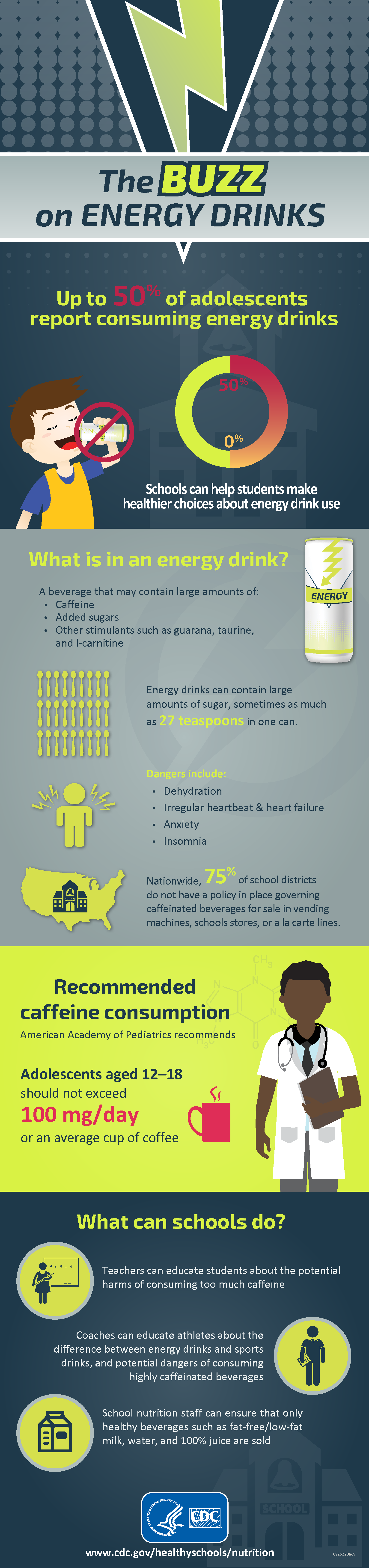
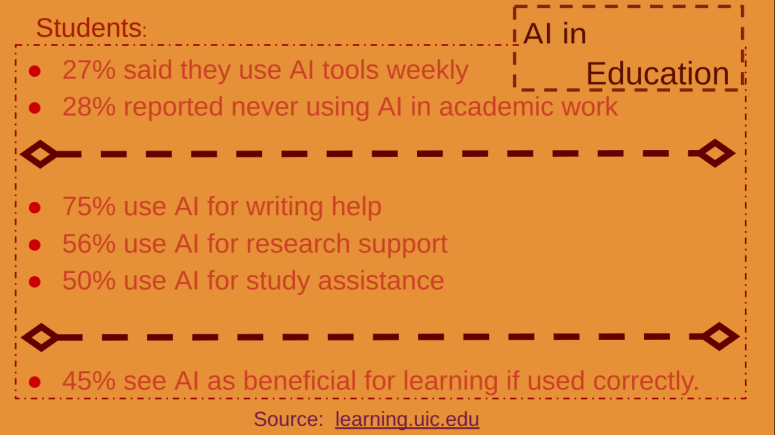
In today’s classrooms, phones and AI are powerful tools that can support learning. They can also be major distractions that pull students’ attention away. 

Phones and AI in classrooms are changing how students learn and how teachers teach. Some people believe that they help with research and organization, while others worry they cause distractions. Teachers and students show different views on how these tools impact learning.

“Teachers are afraid of students getting lazy and say, ‘AI type me out a three-page paper,’ and they wouldn’t have actually done anything. Like, in college, if you have to turn in major research papers, professors can scan them into something to see if they’ve been copyrighted or already written. If it was already written somewhere else, you’d get kicked out of school for plagiarism or the use of AI,” said college and careers teacher John Moody.

Some teachers focus on the serious consequences of using AI improperly, while others are more concerned about how AI affects learning. Many teachers believe students rely on AI too much and are worried about how it changes the way students work, such as writing essays.  

“The issues I see are that students tend to either try to get AI to write essays all for them, where they’re doing nothing and learning nothing. Or, they’ll write it, and then they’ll have AI just completely rewrite it for them to make it better. They don’t learn how to improve their writing themselves,” said English teacher Holden Henderson.

Graphic by Liddia Waterbury.

Even though teachers are concerned about students depending too much on AI, they believe that technology can still be useful. When used as a tool, it can help students understand and learn properly. 

“For reading, if you don’t know what a word means or there’s something that doesn’t make sense, you can quickly look it up so you have more context to the story. For writing, I would use my phone for the same thing, like if I’m unsure how to spell a word, I’ll hop on my phone and try to look up an answer really quickly,” said Henderson.  

In addition to phones being used as a tool, AI can be utilized in the same manner.

“In math, I would use AI as a fact checker. If you don’t have the answers to something, you would try to answer the mathematical problem yourself and then put it on AI to see if you got the answer right. And for English, I would use it as a guide to add to the information that I would already have,” said Moody.

Although teachers see AI as a helpful tool, other teachers worry that it can hurt students’ problem-solving skills.  

“I know kids ask why we learn this, but I think math can teach how to solve problems, and once you get older, life gets hard, and learning how to struggle through problems and learning how to solve problems comes from math. AI changes that because they just want to get to the problem fast; they don’t want to struggle or challenge themselves,” said math teacher Alyssa Jones. 

Technology affects students in more ways than just how they solve problems. It can also make it harder for students to stay focused and pay attention in class. 

“Phones definitely affect focus for a lot of kids. Five minutes into class, they check out, and they just want to start scrolling immediately. Sometimes in life we’ve got to do boring things, but it’s really important to focus in class because if you don’t, you can become super behind, and then you’re not going to want to catch up,” said Jones.  

Teachers say how phones hurt students’ focus in class. This problem is also noticed by other students. They see how phones easily distract them and their classmates from learning. 

“My classmates like using phones in class. They sometimes get distracted because all they want to do is scroll on TikTok, listen to music, or just be on social media in general. They’re distracted because they prioritize their phones before school,” said freshman Kaden Eurton.

While some students see phones as a major distraction in class, others think they can help focus when used correctly. 

“My phone can sometimes be distracting if I really have to focus on work, but when I use my AirPods to listen to music, it helps me focus better. I just sometimes use AI, like science, because I can use it as a base. Only if I really need help formatting my notes,” said freshman Aby Lawson.   

While some students see AI as a helpful tool, teachers are more cautious and focused on its limits and downsides. 

“AI is kind of the way of the future. The good things about it are that it will help you with some information. However, the downside is that it doesn’t always have a clear reasoning. It will only spit out the direct question without researching,” said Moody. 

AI and phones are the future. They can help students during class, even though they might be distracting at times. Teachers believe that, if used in the right way, they can be a very beneficial tool, even when they don’t fully support these tools. 

“I try to avoid AI for the most part, but I do try to suggest good ways to use it, like when we are doing a project, you could use AI to come up with topics to brainstorm, but it shouldn’t be used to generate actual content,” said Henderson. “Phones are so distracting because we are so used to checking them every time we get a notification. Using them for research, like looking up a word, checking if your grammar is correct on an essay, listening to music for focus, are really the only ways phones benefit students.”  

‘Stranger Things’ fans react to Season 5, discuss the series legacy

Editor’s Note: Proceed carefully, Stranger Things fans, as the following feature story contains spoilers.

by Shelby Keesee

On Dec. 31, 2025, at 8 p.m. EST, the highly anticipated Stranger Things series finale, written and directed by the Duffer Brothers, aired on Netflix, and later was accessible for viewers to see in select theaters.

The series ran for almost 10 years (2016-2025) and gained numerous fans through its 1980s nostalgia, references, unique plot, and most importantly, its characters.

Prior to the finale, two volumes containing episodes of the fifth season arrived on Netflix, with Volume 1 (episodes 1-4) releasing on Nov. 26, and Volume 2 (episodes 5-7) releasing on Dec. 25.

The Crawl

The first episode, entitled “The Crawl,” is set in 1987 in the fictional town of Hawkins, Indiana. The episode begins with a flashback to Will’s vanishing in the Upside Down, which was the first event that led viewers into Stranger Things’ complex and emotional story.

“My first thought was, ‘Oh my God – they were babies. They were such little babies,’ and now they’re like, grown men and stuff,” stated Student Council sponsor Natalie Woods. “I don’t know if it did it justice – if I’ve never watched seasons one, two, three or four, and I just watched the flashback, I don’t think I would’ve been able to get the gist of what happened. So I feel like if they really wanted to do that fairly, it should’ve been an episode all on its own.”

The episode then reveals that Hawkins is under military occupation due to an “earthquake,” which leads the main cast into frequent “crawls” to look for Vecna, one of the main villains, in the Upside Down.

The Vanishing of Holly Wheeler

The second episode, entitled “The Vanishing of Holly Wheeler,” contains the season’s main storyline – Holly’s vanishing, orchestrated by “Mr. Whatsit,” who is later revealed to be an alter ego of Henry Creel/Vecna.

“They focused on Holly a lot. She was definitely the main character of this season, and if they were planning on making a Stranger Things follow-up, she’s the start of the next generation of kids.” said English teacher Eric Watson.

“I loved episode 2, probably my favorite of the whole season,” stated English teacher Allison Clary.

The Turnbow Trap and Sorcerer

“The Turnbow Trap” contains Derek Turnbow’s addition into the plot, and the fourth episode, “Sorcerer,” leads viewers into a turning point – Will’s realization of his sorcerer-like powers.

“But, my next one was number four, ‘Sorcerer,’ because, of course, that was so shocking — none of us knew Will had those powers,” said Clary.

Volume 2

The second volume, containing “Shock Jock,” “Escape from Camazotz,” and “The Bridge,” gave us key events prior to the final adventure. The episodes, containing Nancy and Jonathan’s near-death experience, Max’s escape, and Will’s vulnerable moment, received mixed feelings from viewers. Critics expressed that the Duffers’ writing in the volume either lacked professionalism, was rushed, or lacked character depth.

“The part with Max was kind of confusing to me. She’s in a coma, but she’s still alive and functioning with other people who are stuck in the Upside Down,” stated history teacher Kent Porter.

“I know on the internet, a lot of people were really upset that Will had his whole coming-out scene and everything,” English teacher Holden Henderson said. “I mean, I think it’s great to give people representation – that is a very emotionally taxing moment, and so it makes sense that he would feel that way, but I do think for the story itself, I feel like they (Duffers) spent too much time on it.”

“The Rightside Up” is Stranger Things’ final episode, and it mainly focused on the group teaming up to successfully defeat Vecna.

“The thing about the final episode is the build-up for this season – all of these Demodogs and Demogorgons and all these monsters having to do with all this stuff, but when they actually go into the Upside Down, it’s not there,” said Henderson. “A couple of episodes before, when the Demodogs were fighting all the soldiers outside of the gate, like, that was a huge fight with lots of monsters and stuff – you’d think Vecna would’ve probably tried to defend himself a little bit.”

But the finale’s emotional ending has sparked a contentious question among fans; was Eleven’s sacrifice an illusion – or did she actually die?

In the debate, some believe that she didn’t perish, with an example being Woods.

“I don’t think she did. She’s too strong to have died just like that. Out of all things that poor child has gone through, that’s it? She’s gonna be whisked away with the wind?” Woods stated.

Some others believe she truly died, including Porter.

“I think she did. The way they just kind of left it there with her being in the Upside Down with everything breaking apart, I think it got her.” Porter said.

However, others have a more neutral stance, like Watson.

“I think the way they did the ending was the coward’s way out. They gave everyone a happy ending, they had a dramatic moment where like, it was a pyrrhic victory; they won, but they had lost something very valuable,” stated Watson. “And I feel like leaving the hope that Eleven is still alive undercuts that in a way that was disappointing. I would’ve been happier if they would’ve picked one.”

One of the Greatest?

Despite the common criticism over season 5, the season and the series still appeal to fans as one of the greatest they’ve seen yet.

“I loved the whole series, and I overall loved season 5,” Clary said. “I know some people were disappointed with the very last episode, number 8, but I was not disappointed at all. It was a great way to wrap up everything and everybody – all the characters kind of climaxed, and I understand why Eleven had to go.”

“Season 5 I thought was very enjoyable, as far as a watching experience, I enjoyed watching it,” stated Henderson. “But, part of that was taking a step back from a cinema graphic, or a movie critic style approach, and more of just like, ‘Hey, I really like this series, I want to enjoy it.’ There were definitely some flaws, there were definitely some weaknesses, but overall, it was enjoyable.”

The Characters

Even though a percentage of the audience has not viewed season 5 yet, the characters in Stranger Things are unforgettable and complex.

“Favorite character? Either Steve – the babysitter guy, or Dustin,” stated math teacher Cory Densford, who has yet to watch the final season. “Those are definitely my favorites. I really liked Steve’s character arc. I always have a soft spot for those kind of villain characters.”

“I liked Hopper a whole lot. I’m a pretty sarcastic dude, and he delivered the most sarcasm, I think. And also, he’s just surrounded by teenagers and exhausted all the time, and that’s relatable to me,” Watson said.

“Everyone wants to say Will, because his character led up to that culminating point where he mind slayed Vecna, but I feel like it’s going to be Lucas for me,” said Woods. “He had such a role of keeping the group together. He didn’t have these main character storylines, but he was always the one that was there – if something went good, if something went bad, he really had the answers to everything.” 

Because of these characters’ relatability, viewers tend to feel more of an emotional response while watching Stranger Things.

“I think maybe part of that is because it’s taken place over nearly 10 years,” stated Clary. “I’ve literally watched since the first year, so a lot of people who have strong feelings, sometimes it’s because they’ve been watching for so long.”

“I think some of it has to do with the writing style and the characters. You usually feel very realistic towards them, so when we see characters we can kind of imagine as ourselves or our friends or our loved ones, we can see similarities, and since they are more realistic, we see them going through these things, so it seems more emotionally real to us as well,” said Henderson.

“Having characters that have flaws are important in media,” Densford stated. “Nobody’s perfect, and if they’re perfect, it’s hard to relate.”

The exceptional, emotional story and character depth has led fans to share the series with their friends and family.

“I’ve heard about it because my wife’s a big fan of it,” stated English teacher David Kummer, who has not yet watched the show. “She started watching it a couple of years ago and binge watched it.”

“Honestly, my son – he was the one who recommended it, and the minute we watched it, it stuck.” Woods said.

Overall, Stranger Things has made its impact on numerous fans, and its popularity will continue to rise over the years. 

The series’ versatility in multiple areas, such as its writing, unique plot, and in-depth characters makes it a historical show for viewers. Regardless of season five’s criticism, it still remains a favorite for many.

“It seems like there’s always a show every 10 years or so that becomes bigger than some of its parts,” stated Watson.

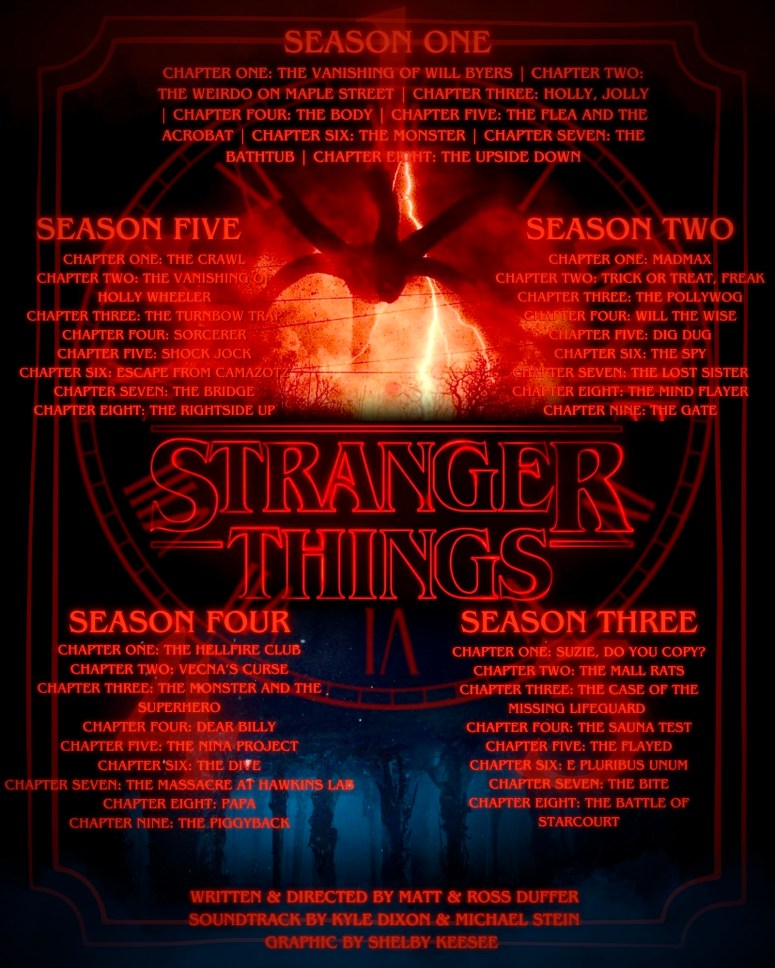
Graphic by Shelby Keesee.

Hoosier fans anxiously await Monday’s national championship football game

by Brennan Zoeller and Jilliann Denbo

From taking down No. 9 Alabama 38-3, to then embarrassing No. 5 Oregon 56-22, the undefeated 15-0 Hoosiers don’t seem to be slowing down as they head into Monday’s national championship game against Miami (13-2).  

On Monday, Indiana hopes to win it all in Miami. Since 1899, the Hoosiers have never won a football national championship and have been among the programs with the most football losses.

Hoosier fans hope that changes Monday night.

“I think they’ve worked harder than anyone else and deserve it. They’re professional when it counts and don’t show mercy, which is why they’re so good,” said sophomore John Steele.

Some are sure Indiana will beat Miami, but others are still nervous only because they are used to losing.

“Miami is obviously a great team, but I think we may be even better. I am still nervous but I think some of those nerves stem from so many years of watching IU football lose. I’ve been conditioned to expect us to lose and I am still trying to remind myself that we have a real possibility to win the national championship,” said Northaven Academic improvement coordinator Kelly Allen, an IU fan.

This national championship game is bringing many long-time fans together to watch their all time favorite team.

“Family had a lot to do with me being an IU fan. But in 1987 I was 15 years old watching Keith Smart hit a last second shot to win the basketball national championship against Syracuse. If you have to pick a moment, that’s when I knew I was a Hoosier,” said IU fan Robert Denbo.

Fans have always been giving a lot to the IU community, doing anything they can to show true support.

“I show my support for my team by sharing stuff on social media and wearing my IU gear. I give to the Alumni Association as well. IU has the largest Alumni Association in the entire nation and it has the most people raising lots of money by going to games and by watching games on TV,” said Northaven principal and Hoosier fan Laura Morris.

While some fans have been cheering from home on their TVs , others have actually been going to the games.

“Seeing the joy on IU fans’ (of all ages) faces as they attend these games has been so exciting. It has been a thrilling time for fans,” Allen said from experience after being to many games.

When Allen says “of all ages,” she means it. Students all the way to teachers and parents have been ecstatic and call it a “miracle.”

“It’s crazy. I went from not even thinking about Indiana when it came to football as a fan, to now about to win a national championship. It’s a miracle,” said sophomore Liam Wooden.

The Hoosiers football team has brought hope to many, and this hope is shown and expressed in different ways, reaching all audiences.

“The way the team works together to accomplish this year’s wins has given me so much hope. Our Heisman (winner Fernando) Mendoza has also been performing better than amazing. Since 1975 I’ve been an IU fan and they’ve never come this far,” said JHS graduate and IU fan Kathleen Brennan.

With the national championship on Monday, Indiana fans are pumped up more than ever, with very high expectations.

“I think Indiana has a pretty good chance of beating Miami in the national championship because the Hoosiers have proven to be a powerhouse with trust in each other throughout the season,” stated Josie Zoeller, 2024 JHS graduate.

No. 1 Indiana (15-0) will play No. 10 Miami (13-2) in the 2026 College Football Playoff (CFP) National Championship on Monday, Jan. 19, 2026:

  • Kickoff: 7:30 p.m. ET
  • Location: Hard Rock Stadium, Miami Gardens, Florida
  • TV/Radio: Broadcast on ESPN. Radio coverage is available through the IU Alumni Association, featuring Don Fischer’s call synced to the telecast. 

Supplies for Food Pantry and Connor’s Closet

by Areli Hernandez

Additional Reporting: Tyler Conley 

Graphic by Daysha Gray.

The food pantry and Connor’s Closet at Jeffersonville High School prioritizes the needs of students and families. As winter break comes to an end, items and clothing are in high demand to help students. 

Those interested in donating supplies for the Food Pantry may turn them in to room A225 or in A204. For more information, contact Michelle Houchin. 

Michelle Houchin: mhouchin@gccschools.com

Graphic by Daysha Gray.

If someone outside the school is interested in donating items for Connor’s Closet, contact Stephanie Soper or Jennifer Mitchell for further information. Students who are interested in donating, may bring their donations to room C125.

ALL clothing must be in new conditions. 

Stephanie Soper: ssoper@gccschools.com

Jennifer Mitchell: jmitchell@gccschools.com

Niemi wins Sophomore Class JHS Christmas Shirt Fundraiser

Stephanie Niemi poses with the Christmas candy basket she won as part of the Sophomore Class JHS Christmas shirt fundraiser. The Sophomore Class had a drawing for the gift basket for anyone who purchased a shirt, and Niemi’s name was drawn as the winner. The Sophomore Class thanks everyone who participated. Submitted photo.

Kentucky fans react to new football coach

by Sophia Waldridge

After 13 seasons Mark Stoops brought historic stability to Kentucky and led four 10-win campaigns in 2018 and 2021. He also showed the team eight consecutive bowl games and two top-25 finishes. But after too many losing streaks and a 41-0 loss to Louisville on Dec. 1, Kentucky fired him. Will Stein is the new Kentucky coach.

Many Louisville fans are happy because they want real change and challenge. Senior Kaeleb Hayes, who is a die hard Louisville fan, said that Kentucky “needed to do it” and that the team would be “better off without Stoops and the team will get along so much better with the leadership and the stability of Stein.”

But others do not agree with Hayes and think that Stoops should not have been fired. Sophomore Eli Tate, “I think that we will have better prospects but at the same time he was a good coach and I don’t think that this one game should have caused him to be fired.” 

Sophomore Cali Smith agreed with Tate and is also a Kentucky fan; she said that the team will have to come up with new critical thinking skills and “learn to adapt with a new coach with different teaching styles.”

Freshman Harper Gordon also said that the Wildcats will have to adapt and thinks that it was a good thing because “Stoops has been a bad coach for three years and gave us a horrible season.” She said the new coach Stein is better for the team because he will push them harder.

Kentucky fans aren’t too happy, but most of them are rallying for the new coach and can’t wait to see how he trains the team differently and if they’ll get any better under different and new leadership.