Prosser offers real world experiences

by Gabriella Kraft

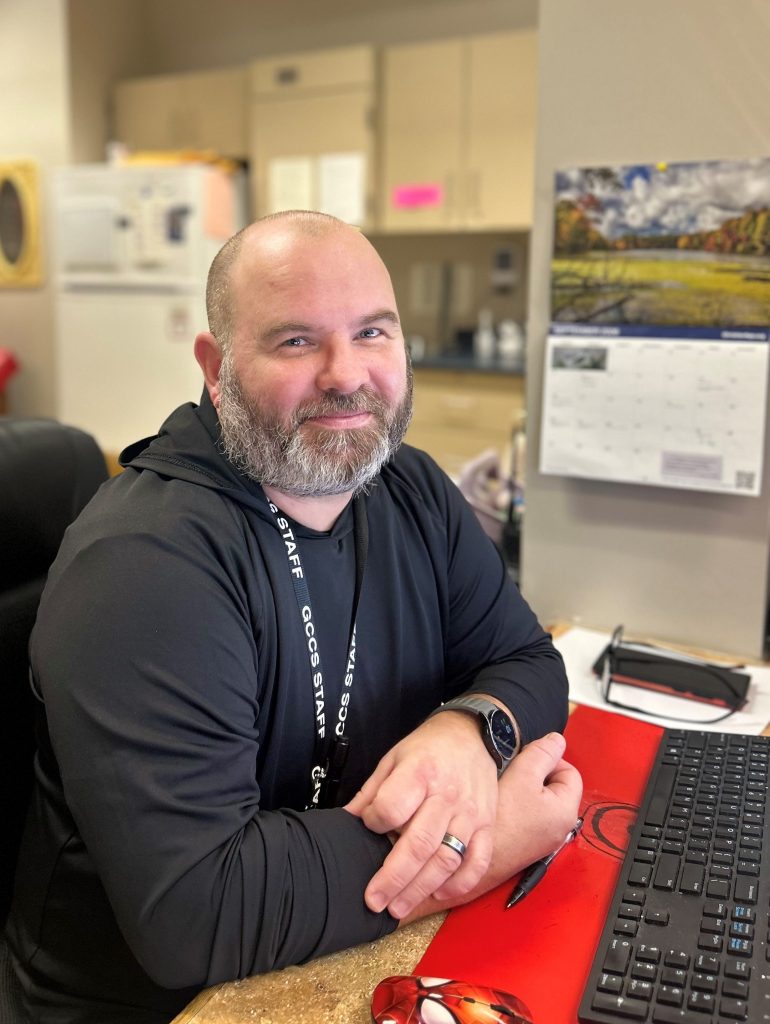
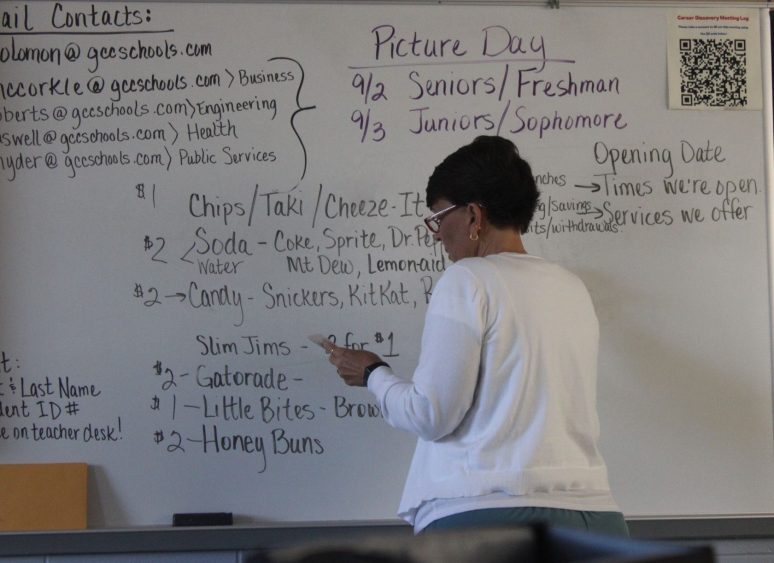
Prosser is a Career Education Center where Southern Indiana students can go to receive additional education or a degree for free through high school without attending college. Those who apply and get accepted excel by learning skills in their desired field. Prosser offers many classes and pathways, and students apply because their high school doesn’t offer a specific class for that pathway, or it isn’t in-depth enough.

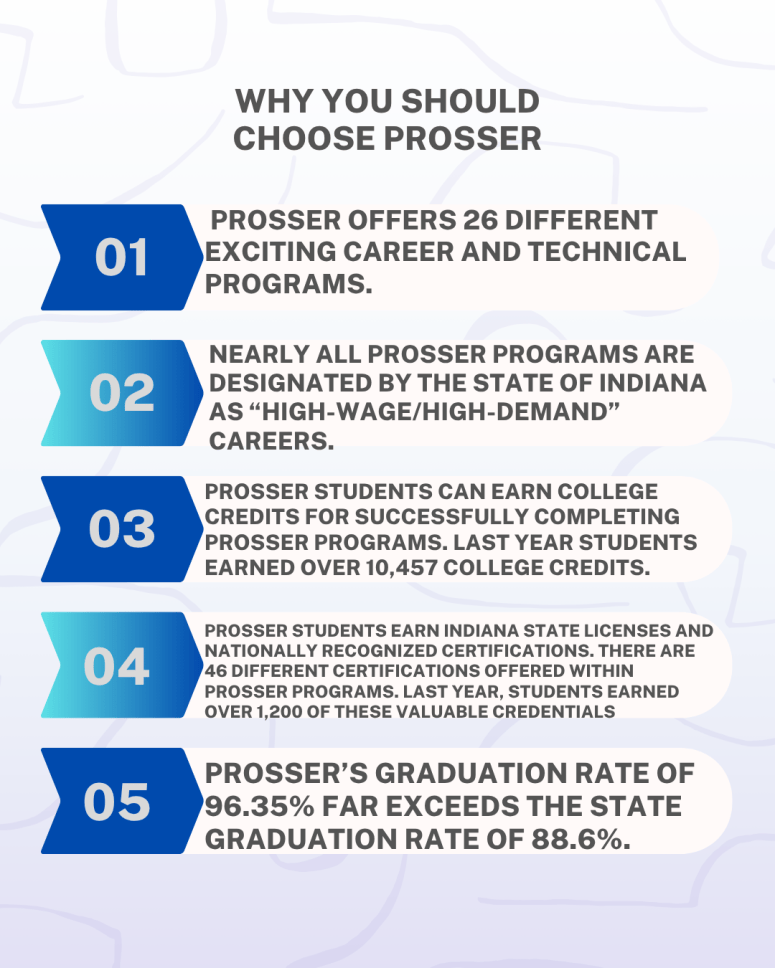
Business Academy counselor Shelby McCorkle said Prosser offers many different programs.

“They offer 20-21 different programs, and they each have dual credit attached to them. It’s a little different depending on what program you’re in. You can apply as a sophomore, you need a letter of recommendation, a goal statement, to be on track with your credits, and good attendance. It’s a great opportunity to get hands-on experience, but it’s not for everybody,” she said.

Graphic by Jessalyn Stolte.

Junior Graciela Sanchez studies Cosmetology and finds Prosser a great opportunity to better her education and get her life ready after high school.

“I can get my cosmetology license and go straight into work while I also still plan to go to college and study elementary education,” she said.

Life at Prosser isn’t the same for everybody. Most people love it, and some people do not, but the opportunities teens get while there exceed everything — the good and the bad, according to junior Jaylianah Burris.

“I love it. I like all of the different opportunities I am able to have. I plan to become an orthodontist, so Dental is a huge staple while at Prosser,” she said.

Prosser not only supports career choices; it also helps prepare students for higher education and real life. For example, junior Samantha Carillo studies Early Childhood Psychology.

“I’m going into early childhood psychology and not education because I want to help kids with their social-emotional learning more than their education. Prosser helps teach me how kids are affected in their early years and how to help/prevent certain childhood problems,” she said.

Prosser students prepare for a variety of careers; for example, junior Lorelei Darling studies Culinary Arts, junior Jacob Fifer studies Automotive Mechanical, and junior Brayden Bachman studies Constructional Electrical Trades.

“I love my Prosser class because I get to learn how to cook; it has exceeded my expectations. I want to be a private chef, so it’s very beneficial for my career choice,” Darling said.

“It’s very easy managing my time since I finish my homework in class,” added Fifer.

Additionally, Bachman said, “Prosser is great — I love how it’s hands-on, and you meet tons of people. It’s easy to manage your time as long as you stay on top of your work.”

Life at Prosser is a logical choice for students who want to stay ahead of the game. It may not be for everyone, but it is a great opportunity that prepares teens for careers after high school. 

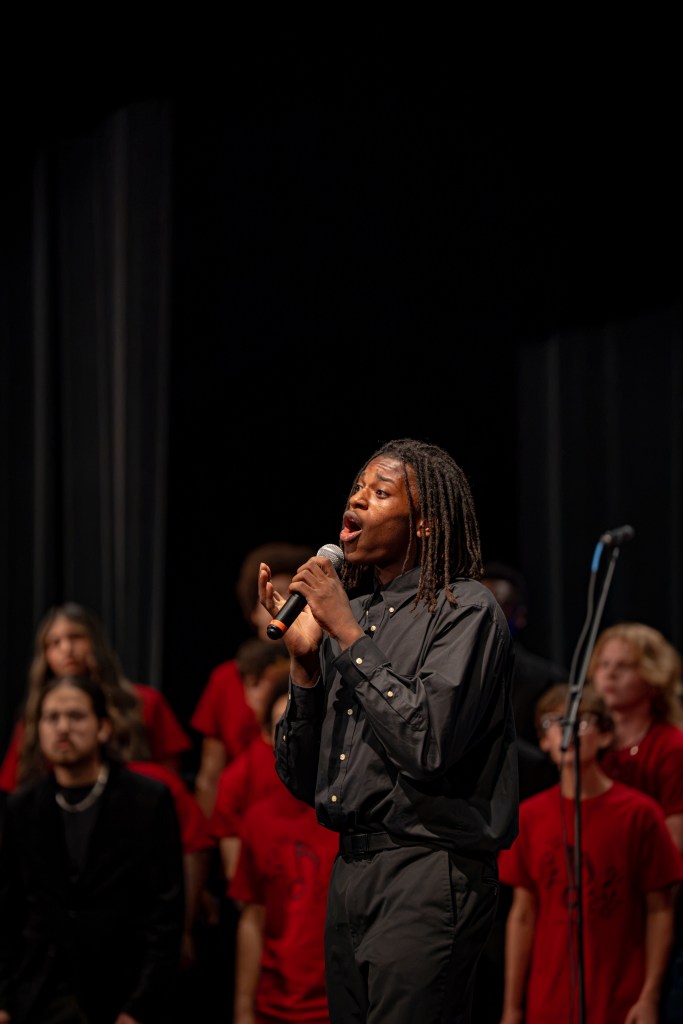
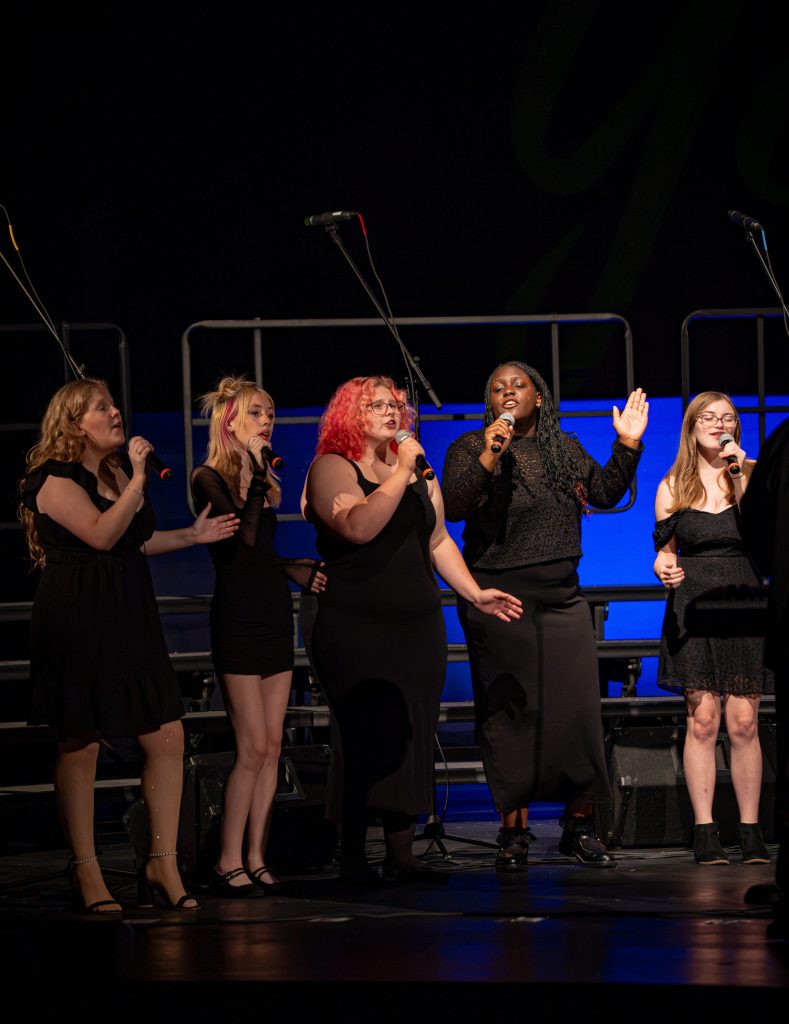
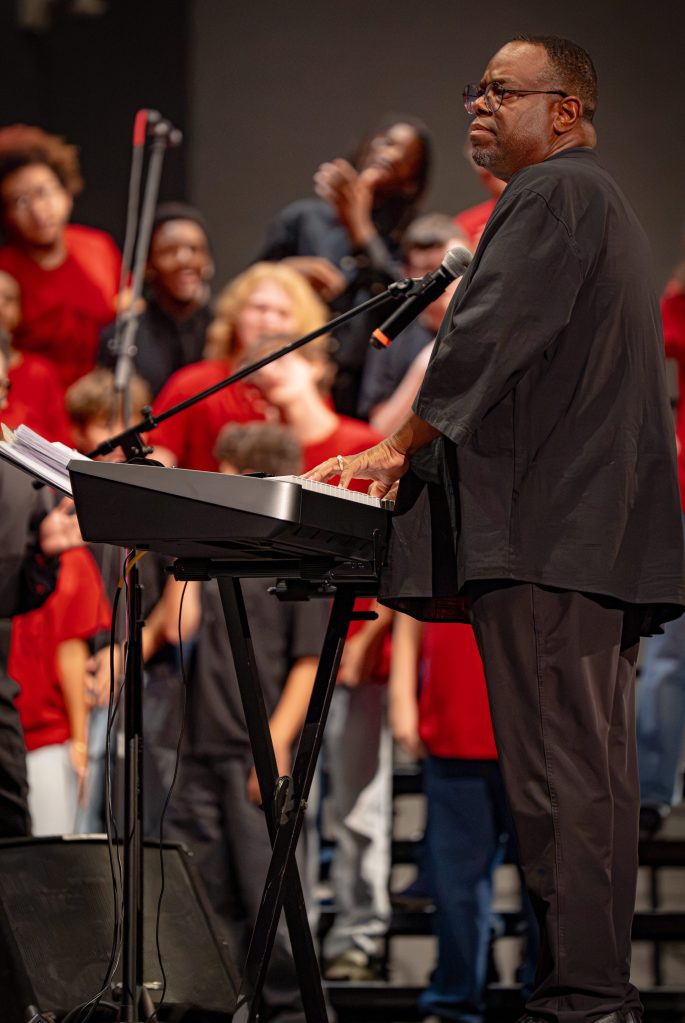
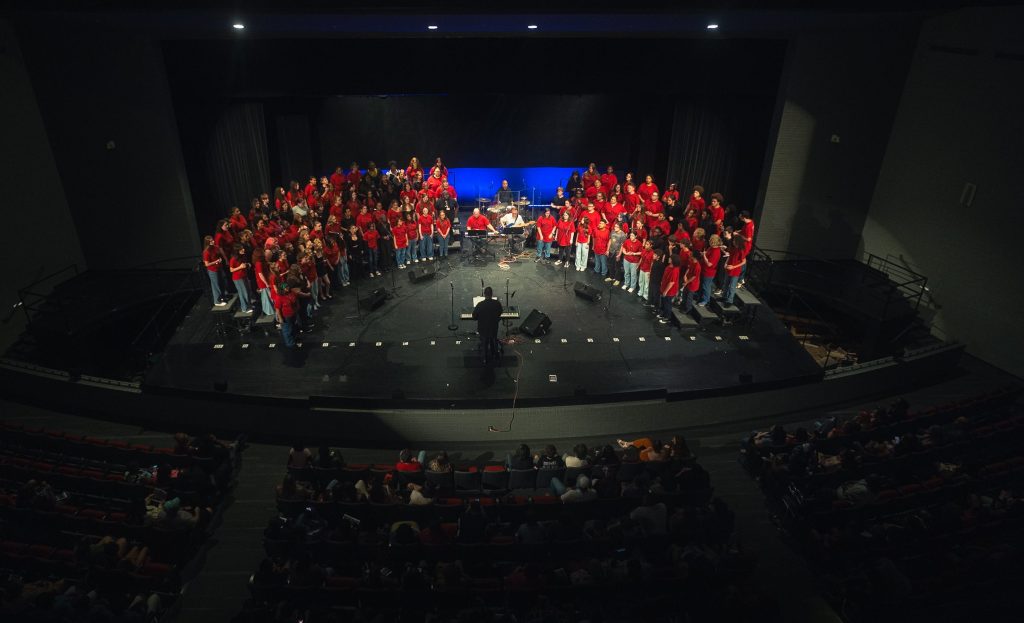
Choir entertains community during annual Gospelfest

All photos by Malachi Conrad and Parker McCloskey.

Behind the Scenes

Drew Davis uses soccer to teach life lessons

by Louis Stifler

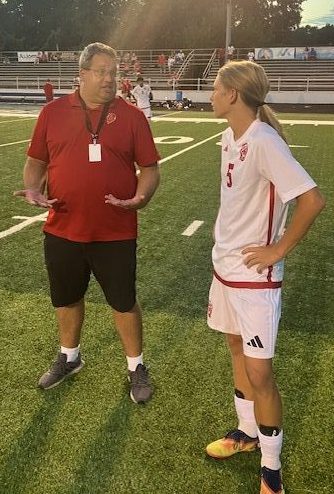
Junior varsity soccer coach Drew Davis crouches down on to the ground to discuss the product of the half with his team. He describes how their Evansville Reitz opponents play and the weakness his players may leverage for their success and what they might improve on in the next half.

“He tells me what to do and we just win games and that’s what it’s all about,” said freshman Ryan McKinley, a JV soccer starter.

Not only does he help them on the field but he teaches them other lessons, especially off the field. 

“It’s teaching them to work with others and learning that you won’t win everything, but if you stay the course with the right game plan you will be successful in life,” recounted Davis. “It teaches discipline and responsibility in that you sacrifice stuff for others.”

Coach Davis has been in the soccer program for 13 years. He has also coached at several other schools and played during his high school years.

“I would say when I started to get to high school and would watch games with friends it was more than anything I could really imagine,” remarked Davis.

Out of all the years, though, Coach Davis said that this year is different for the soccer program. 

“I think that this team from top to bottom is the best team since I have been here. It’s a marriage of skill and belief,” stated Davis. 

Junior varsity soccer coach Drew Davis instructs freshman Ryan McKinley during the Providence game. Photo by Louis Stifler.

This team seems to have something different to it that both the coaches and the players see.

“It is a lot more accepting and a lot more people have come out,” said sophomore JV player Ryland Prichard.

The atmosphere of the teams signifies that there is a different fire this year. Over the years it was building up. The coaches can feel it, and so can the players. 

“My goal would one day to be fighting for a state title. You do that by not just winning games, but getting good grades, being a leader,on and off the field, and just being a role model,” stated Davis. 

This soccer program has improved under all of those who support it. 

Davis said the JHS soccer success has been special, especially in “the years when JV had an undefeated season — which I never thought I’d do — and the varsity season last year as we went as far as I did as a player.” 

Coach Davis has brought this program back up higher than ever and he plans to bring it even higher as a teacher, a leader, but especially as a coach. 

“I love coaching because I enjoy giving back to others and watching them enjoy the experience I got out of the sport and being a part of a building project, watching it grow and get.”

Freshman Camron Bell chases his soccer dreams

by Javian DeLa Luz Garcia

Freshman Camron Bell listens intently as head coach Drew Davis instructs the players on what to do during practice.

“I look forward to scoring a lot of goals and making it to sectionals and regionals,” said Bell. He is a part of the junior varsity JHS soccer team. He hopes to be a regular starter in junior varsity, and eventually be a part of the varsity soccer squad.

“I’m proud of how far I made it in soccer, because the level I am at is extremely difficult and hard,” said Bell. 

He is a normal kid. He goes to school and he hangs out with his friends; however; one of his main aspects in life is playing soccer. His main passion in life is playing soccer.

“I strive to go pro because it is my dream. It is my passion, I love this sport and I want to go pro in it,” said Bell.

Though he strives to go pro now, he has always had a passion for soccer from an early age.

“When I was three years old, my mom wanted me to try out a sport, so I chose soccer.”

After choosing soccer Bell has fallen in love with the sport of soccer ever since. His coach, Davis, is the one who trains Bell and the JV team.

“I think that he is not someone who tiptoes into challenges. He throws himself into challenges. He puts 110% effort in all factors of the game,” said coach Davis.

Freshman Camron Bell. Photo by Mason McGuire.

Freshman Cayden Stolte, Bell’s teammate, agreed with Davis, describing him as a good goalscorer for the team. 

Although his life mostly consists of sports he also gives effort into school. Bell has to be on top of his school work to be able to play in this soccer team. The school has requirements to be able to play in a school team.

“Nothing below a D and if you have a D you have to have no missing assignments,” said Bell.

Having to deal with both his school and athlete life, Bell finds himself sometimes being overwhelmed by the pressure.

“Balancing them both is hard… because you have to get good grades and study and sometimes they interfere. I study at home, get good grades, and go out and play on the field,” said Bell.

It’s this philosophy that drives Bell towards success in the sport of soccer.

“Never give up, chase your dreams no matter the setbacks. And that life will get hard, just never stop trying.”

Food pantry provides important resources to students

by Kori Washington

For some students, getting through the school day isn’t just about worrying about grades and homework. They may worry about their next meal or if they even have decent clothes to wear the next day. 

That’s where JHS Connor’s Closet and Food Pantry comes in, giving students the resources they need and minimizing some of their stress.

Though the school has offered these resources for many years, many students still don’t know they are available.

“I wish more students could have access to it. We tried to start a Google Form last year, where students could send in the food they needed, but not many students knew,” said food pantry sponsor Michelle Houchin.

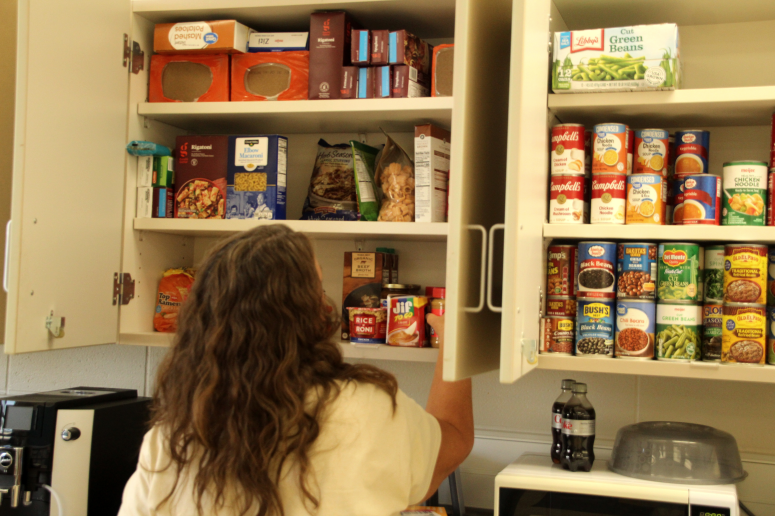
Food pantry sponsor Michelle Houchin makes sure the pantry is well stocked during a sixth-hour inspection. The pantry serves all JHS students. Photo by Gabrielle Watkins.

For families facing financial challenges, these resources can give support when everyday necessities become hard to afford. 

“If families face hardships and can’t afford clothes, this is an opportunity to help our students and their families. And the same goes for the food pantry, especially with prices going up; we just don’t ever want kids or their families to go hungry,” said principal Pam Hall.

But for many staff members, providing these resources isn’t just about feeding and clothing them; it’s about seeing the difference they can make in their lives when they just give them a little help.

“The most rewarding part is seeing the families that we helped supply food for a month or two while parents got back up on their feet come back and are usually the first to give back,” said Hall.

While having these resources can make a big difference for families having financial issues, not having them can affect students beyond their lives at home.

“Students may not have the time or resources to purchase items or receive basic needs. This closet can help alleviate daily stress, anxiety, or the uncertainty of challenges that present themselves without having to leave school,” said Connor’s Closet sponsor Jennifer Mitchell.

But having these resources doesn’t mean that students always feel comfortable asking for them. Some may feel ashamed or embarrassed, but the staff is here to make it as discreet and as comfortable as possible.

Food pantry sponsor Michelle Houchin stocks the shelves with ramen noodles and peanut butter. Photo by Gabrielle Watkins.

“I know a face-to-face conversation might be difficult for a lot of students. So they could email a trusted teacher or somebody that they have a connection with. Teachers are not going to judge you for not having access to food,” said Houchin.

These resources do more than just provide students and families with food and clothing — they help take away challenges that can make it hard for students to focus on school.

“If you’re hungry, you want to be able to concentrate. It can make you tired and can make you grouchy. It makes it even harder to be a student when you don’t have access to food or clean clothes,” said Houchin.

While these resources have already made a difference in many student’s lives, Hall plans to add more resources to give students even more support.

“One thing I would love for us to open is a laundromat here on campus that students could use sometimes. I would love to get that up and running because, you know, laundry is expensive, and not everybody’s home has a working washer and dryer,” said Hall.

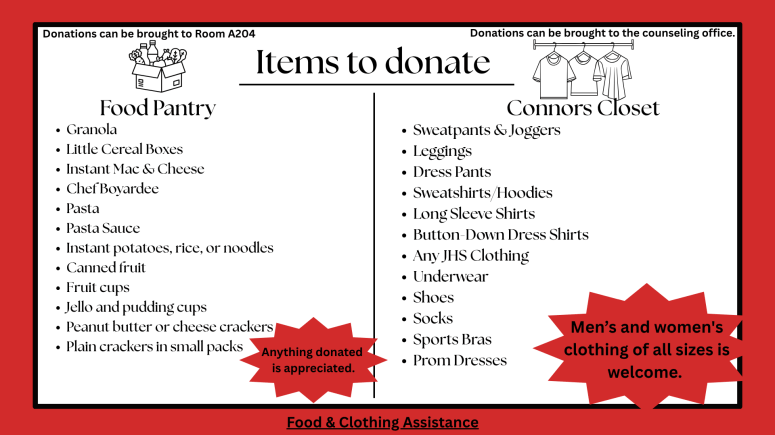
Graphic by Abbigail Hollins.

Dolly Parton’s legacy inspires her fans

by Natalie Creagh

Country music singer and songwriter Dolly Parton sadly passed away on August 25, 2026. She was 80 years old. Parton was so much more than a music icon; she was a philanthropist, an inspiration, and a true treasure to the world. 

Dolly Parton’s Life

Born Dec. 19, 1946 as one of 12 children, Dolly Rebecca Parton lived in the Smoky Mountains in a one-room cabin in Locust Ridge, Tennessee. The family lived in poverty. Throughout the 1950s Parton starred on different radio stations and television programs as well as publishing her first single “Puppy Love” and making her debut at the Grand Ole Opry at just 13 years old. 

Into the 60s Parton signed her first record deal with Monument Records. In 1966 she married her husband Carl Thomas Dean, and the two were together for six decades. A year later Parton released her first album, “Hello, I’m Dolly,” with her country single, “Dumb Blonde.” 

In 1970 Parton was nominated for Best Country Performance in Duo or Group with Porter Wagoner for “Just Someone I Used to Know.” In November of that same year “The Best of Dolly,” Parton’s first Greatest Hits album, was released. Throughout the rest of the decade Parton earned her first Solo Grammy Nomination, as well as releasing some of her most iconic songs, including “Coat of Many Colors,” “Jolene,” and “I Will Always Love You.”

Into the 1980s, Parton released the album “9 to 5 and other Odd Jobs,” as well as starring in her first film “9 to 5” as Doralee Rhodes. The film was later turned into a musical in 2009. She also starred in “The Best Little Whorehouse in Texas,” “Steel Magnolias,” and “ Rhinestone,” where she starred alongside Sylvester Stallone. Parton also starred on Saturday Night Live as both host and musical guest. On June 14, 1984, Parton earned her star on the Hollywood Walk of Fame. On May 3, 1986 Parton’s theme park, Dollywood, opened in Pigeon Forge, Tennessee. The park was a huge hit and is still around today.  

In 1988, Parton started the Dollywood Foundation, which initially was to offer scholarships to high school students. She also created the Imagination Library, where children up until past the age of 5 could receive a free book monthly. The library expanded and is available to children across America, Canada, Australia, Ireland, and the United Kingdom. She was also a huge advocate for human rights throughout her life. 

Parton’s Influence

The news of Parton’s passing affected the community, and fans discussed her music and contributions.

AP U.S History teacher David Russell said he was introduced to Parton’s music as a child.

 “I think she’s an all around good person who wanted to do good things; I like her music.” 

Senior Wyatt Clements agreed that Parton was an icon. 

“As an ex-Kentuckian, you can’t escape her music. I never got to visit her park when she was alive,” he said. 
Sophomore Bella Roman described Parton as inspiring, adding, “My whole family listens to her.” 

And after hearing of Parton’s passing, junior Kristopher Bonilla said, “I didn’t believe it at first, but the more I heard about it I was pretty upset.” 

Principal Pam Hall said Parton’s legacy extends beyond her music. 

“I love everything she stood for,” said Hall. “She was an advocate for women’s rights and human rights. She also donated millions quietly, I think that really speaks to her character.”

It is safe to say that Parton’s legacy has inspired many people of different generations. Her kindness and creativity were truly unforgettable. She was a music icon and continues to make people happy through her music, style, and positivity. 

JROTC uniforms reflect discipline, pride of cadets

by Raven Baker

The JHS Junior Reserve Officers’ Training Corps (JROTC) program has its own sense of community and discipline. 

Students train and test on military-related activities to help with starting a future in the military. Cadets also proudly wear their uniforms every Wednesday for a grade – they begin with the blues and can earn their ABU uniforms.

Cadets learn valuable life skills, teamwork, and leadership, which prepare them for both future military service and civilian life.

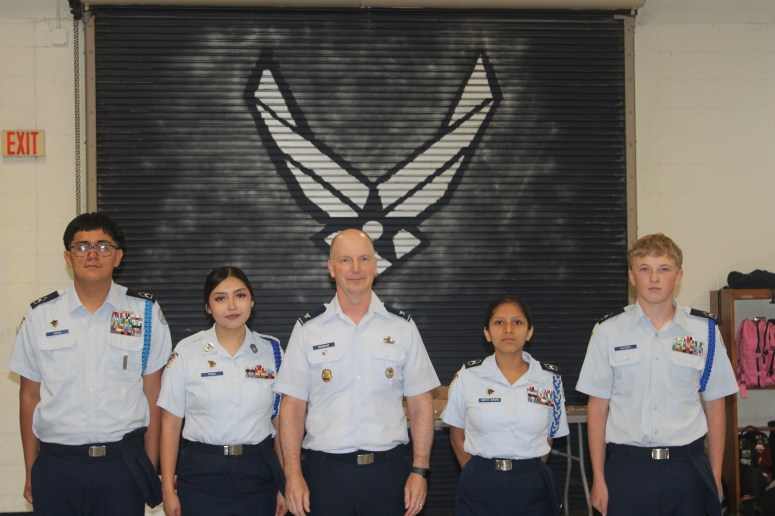
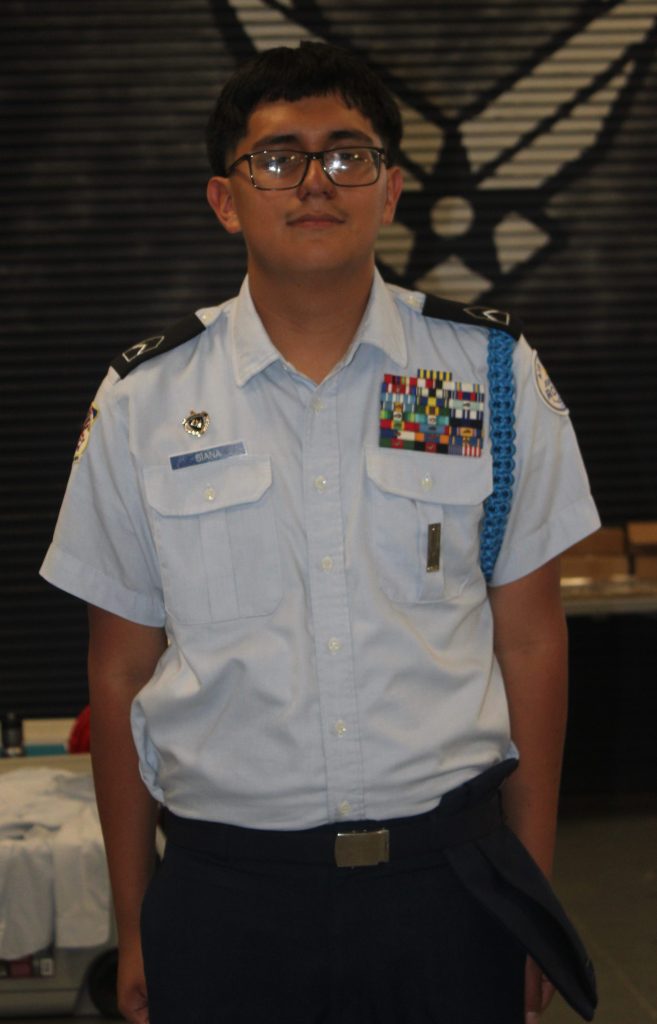
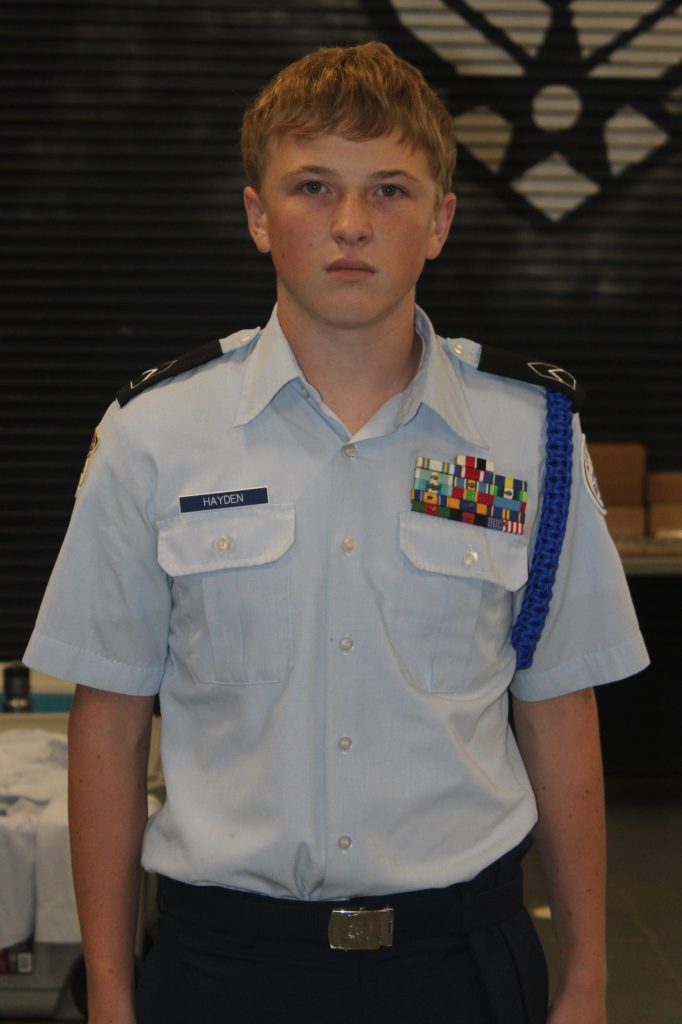
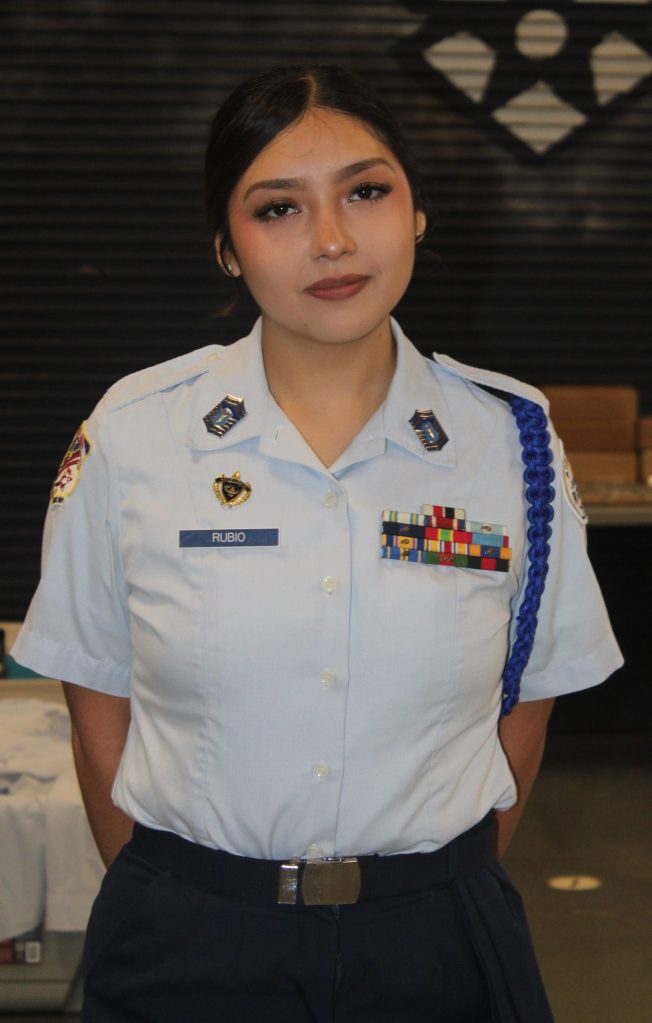
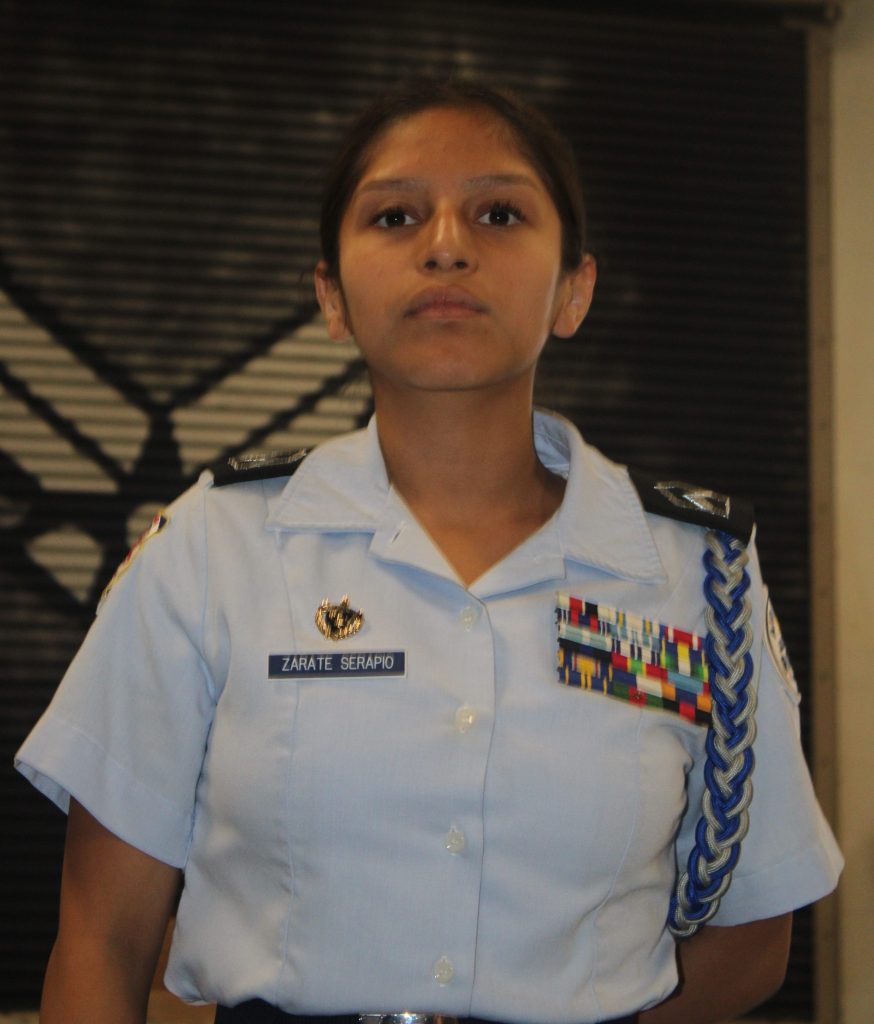
Junior Angel Siana, Cadet Second Lieutenant; Junior Wendy Rubio, Senior Master Sergeant; Col. Robert Benning; Junior Jocelyn Zarate, Junior Cadet Major; Junior Kameron Hayden, Cadet Second Lieutenant. Photo by Ashton Walcott.

Col. Robert Benning said uniforms are important to the tradition of the program.

“The purpose of school-issued uniforms for Junior Air Force cadets is to instill customs and courtesies, ensuring they learn to properly and proudly adhere to military standards,” said Benning. “The uniforms serve as a tool for education, preparing students for potential military careers by getting them familiar with regulations and expectations.”

Benning described several different uniform types.

“Students learn different uniform types like the OCP, which replicate active-duty wear. They also have their ABUs, which you earn with hard work put into the class.”

In addition, Benning said uniforms are tied to the grading system, “where older students grade younger ones on their uniform based on standards, which shows the importance of precision and regulation. The uniform is a key component in developing discipline and a sense of belonging within the JROTC program.”

Junior Angel Siana, Cadet Second Lieutenant

“I feel okay about the uniforms now that I’m more comfortable, though I was a bit self-conscious at first. It’s important for uniforms to be correct to set a good example for others. The uniform check is a bit lenient, but it’s preparing me for discipline.”

Junior Kameron Hayden, Cadet Second Lieutenant

“I find the uniforms comfortable, and they help me feel ready. It’s important to wear them correctly to show respect and be a good example. The uniform check is pretty simple, and it’s preparing me to be organized and disciplined.”

Junior Wendy Rubio, Senior Master Sergeant

“The uniforms aren’t bad, and I’m getting used to them; they help me with responsibility. It’s important to have them correct to show respect for the uniform and follow the rules. The uniform check requires a decent effort, and it’s preparing me for military experience and neatness.”

Junior Jocelyn Zarate, Junior Cadet Major

“The uniforms are not too bad, and I feel a bit competitive about them. Having them correct is important for assignment grades and helps me weekly. It prepares me for the future in the Air Force, and I’m part of JROTC for community service and field trips.”

Benning said the JROTC program is a class to build up discipline and physically prepare students to be ready for the military, or help them start their future. The uniforms serve the purpose of giving encouragement to students on learning discipline and how to be neater, which are positive traits to obtain. 

Benning wants his students to wear their uniform with pride, but also properly. The uniforms also serve as an educational tool. Students enjoy their uniforms knowing they’re the example for the underclassmen. They show respect to the purpose while also being comfortable.

All photos by Ashton Walcott.

Digital Dispatch: Sept. 14, 2026

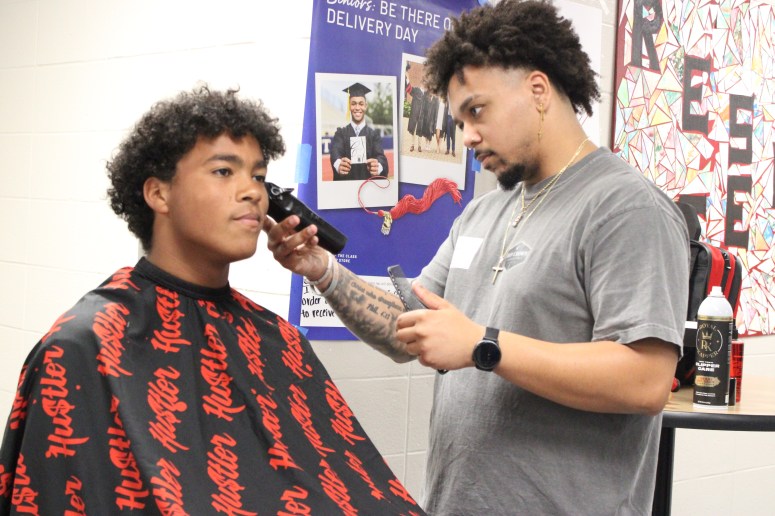
Senior Quentin Ross gets his hair cut by licensed barber Saffevell Ingram in the main hallway near the cafeteria. Ingram regularly visits JHS to offer haircuts during students’ lunch times. “I’ve been doing this for four years and I love being able to make people smile and feel good about themselves,” said Ingram. Photo by Kayleen Alvarado.

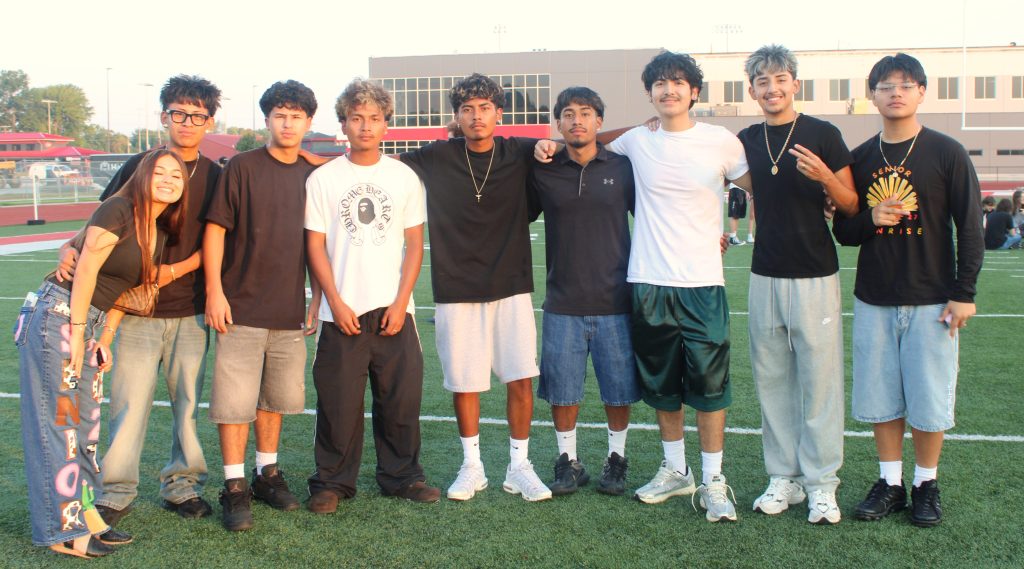
Class of 2027 celebrates Senior Sunrise

by Areli Hernandez

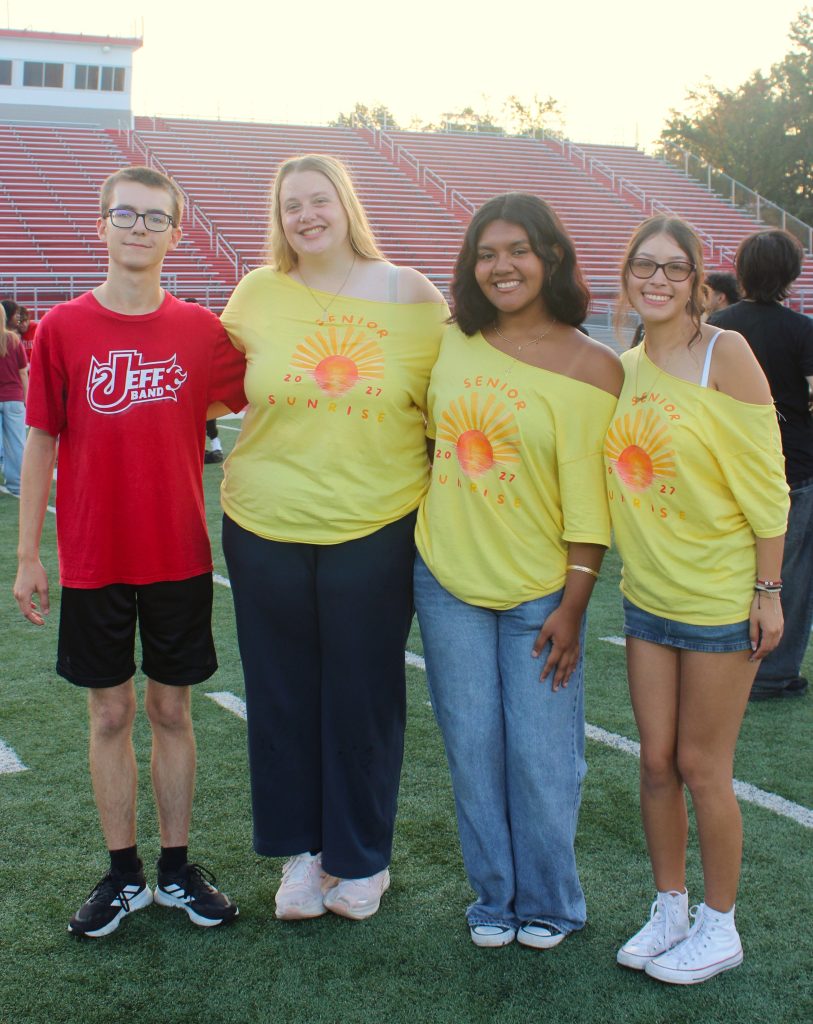
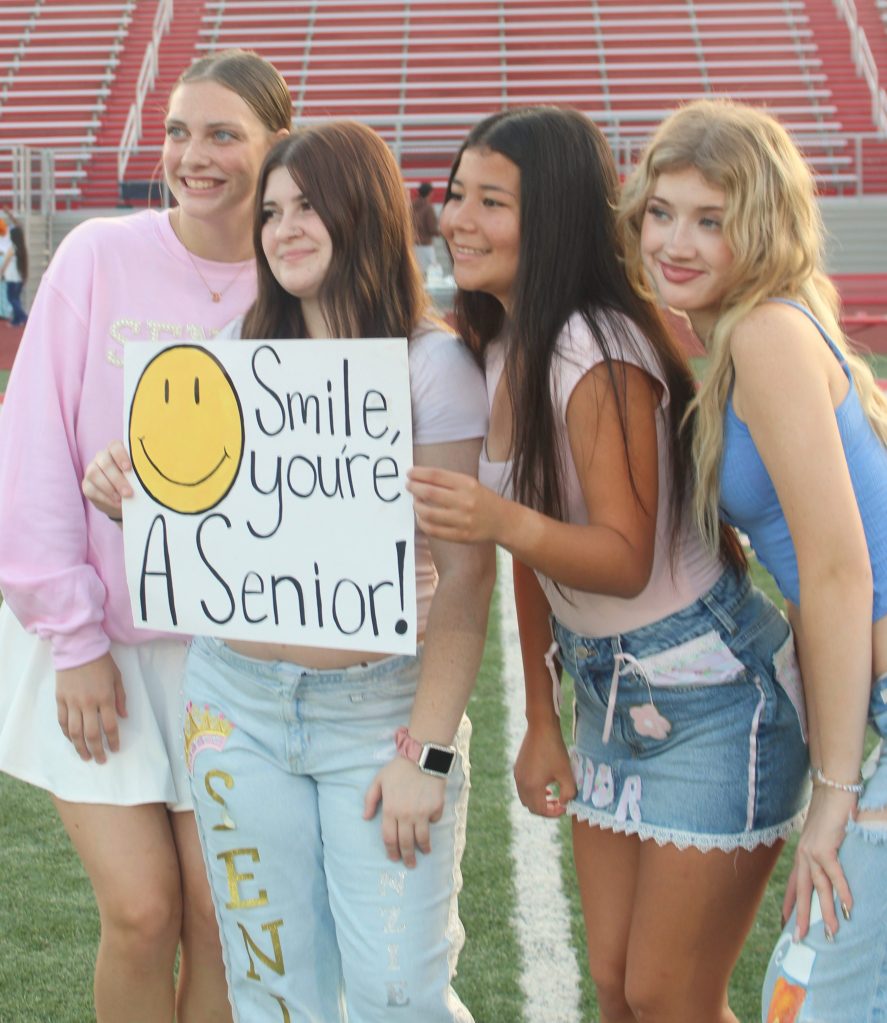
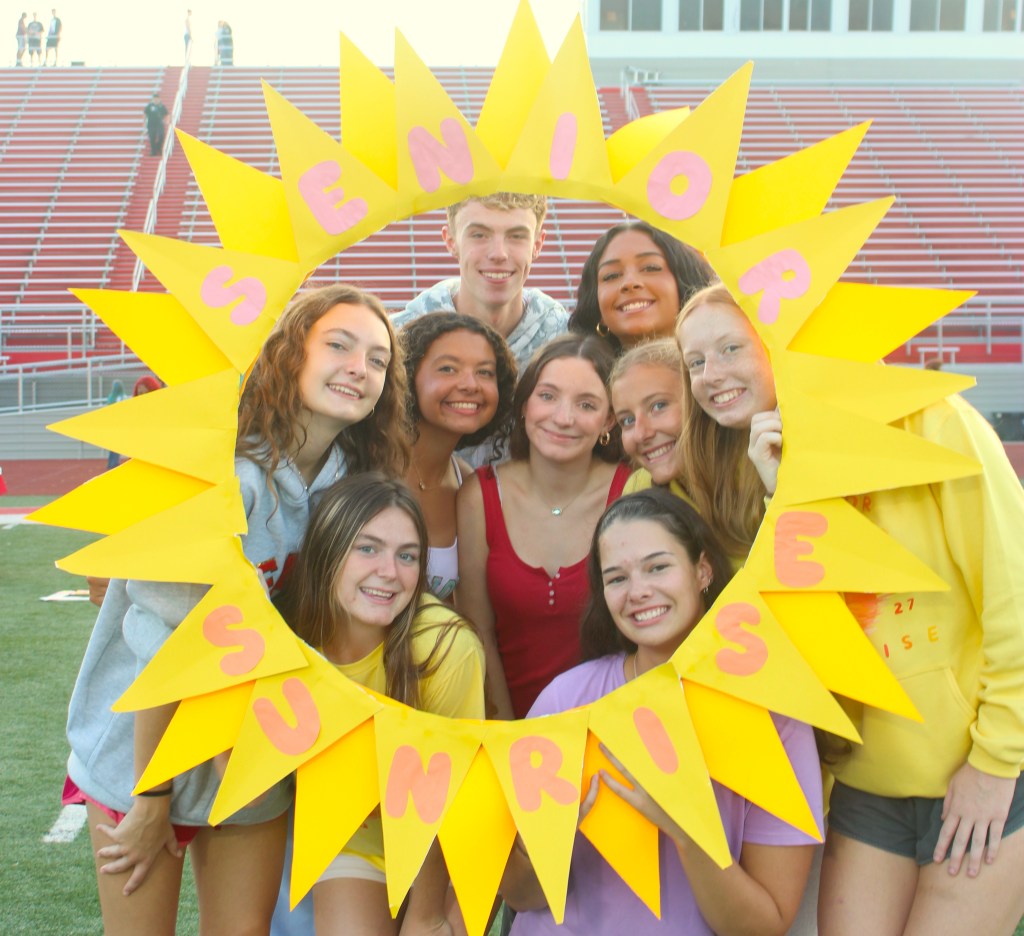
The Class of 2027 celebrated Senior Sunrise on the football field on Sept. 4. Seniors prepare for future events during their final year of high school to create memorable memories with their classmates as they approach graduation. 

New dance class emphasizes creative expression

by Raven Baker

JHS students can now participate in dance class for 2026-27. This class offers an open learning experience for students of all backgrounds. Whether students have been dancing for years or are completely new to it, they will find a welcoming time in this class.

Dance class helps students have a brain break throughout their day and be more physically active. The class is designed to teach fundamental dance styles and build a strong foundation in choreography. Beyond learning routines, dancers also have opportunities to join the color guard.

Dance instructor Sidney McDonald teaches her dance class. The class was added to the curriculum this year to provide a creative outlet for students. Photo by Raven Baker.

Senior McKenzie Stubblefield said the opportunity to express herself led to taking the new class. 

“I love the dance class so far this year,” she said. “I decided to join because dance is a good way to express your feelings and it’s fun. So far, we’ve learned a lot of the basics.”

Stubblefield described the class as a creative environment.

 “By the end of the year, I hope to be able to create my own dance and help others who struggle with it,” she said.

Dance instructor Sidney McDonald personally requested the class because she has experience in the subject. She hopes to connect her dancers to color guard and teach the building steps to dance. 

Bringing 17 years of personal experience to the subject, she has a well-rounded outlook on what students need to learn. By the end of the year, she wants her students to be able to give a confident performance and create strong choreography.

McDonald said her dancers will develop and present original dance pieces. This allows students to experiment with their own ideas and build confidence in their abilities, explore movement without the pressure of competition and to learn  more about dance as an art form.

Counselors begin their first year at JHS

by Areli Hernandez Romero

A new school year has begun, and while many students are continuing to adjust themselves to a new routine and environment, JHS staff are doing so as well. This includes Health Service Academy counselor Austin Caswell and Public Service Academy counselor Megan Snyder, who began their first year at JHS with a set of goals and responsibilities.

Seniors face their hopes, challenges in final year of high school

by Ayianna Maddox, Harper Gordon, and Jada Belser

Senior year has officially started for the graduating Class of 2027. High school seniors are reaching their last adolescent milestone and preparing for adult life. Their emails, messages, and mailboxes are constantly filled with information about college, financial aid, and so much more. 

While all of this is a good thing, the downside is the constant reminder that their childhood is concluding, and the trepidation of what lies ahead.

“My biggest fear is ‘what’s next?’ Just knowing the next step is being on my own and leaving everything and everyone I’ve ever known scares me a lot,” senior Harper Hylton said.

Senior Jenna Watts finds there are exciting moments to look forward to. 

“I’m excited. I’m so ready for all the senior events to start, and it’s nice to know I’m almost done. Graduation is the goal, and I’m almost there!” Watts said.

Senior Alasia Sims expressed how the end of her high school career and the start of her adult life caused mixed feelings. 

“I’m happy to be done with school and everything, then I’m scared because I’m going to have to actually go and do adult things,” Sims stated.

Senior year is commonly associated with balancing life inside of school and outside of school, such as working, volunteering, college, and career searching. As a young adult, all of these activities can impact students’ viewpoints of what awaits them, especially when it’s expected that the student has it all “figured out.”

Senior Sean Dyer takes his BC Calculus test. Photo by Logan Vidt.

“I’m nervous about adulthood. There’s more responsibilities, but that also comes with more freedom. I’m most nervous about money management,” senior Sean Dyer said.

At the end of the day, after four long years of high school, seniors are still kids growing into their adult shoes.

“I feel like I’ve slowly been entering into adulthood the entire of high school,” senior Enzo Magallanez said. 

The Class of 2027 has a long, yet short, year ahead of them, but between college, financial, and career responsibilities, they are all kids enjoying their last year of freedom.

Senior Enzo Magallanez takes his BC Calculus test. The desire to do well in classes is just one of the challenges seniors face in their final year at JHS. Photo by Logan Vidt

Staff, students navigate expectations of new school year

by Gabriella Kraft

The new school year is always nerve-racking — new classes, new people, and new teachers. The readjustment period is always a struggle after coming back from two months of summer, and it’s been even more so with Indiana’s new phone ban.

But students and faculty persevere and get through by talking to new people, catching up on late work, or reading a book. 

Algebra II teacher Greg Bowen was a little intimidated at the beginning of the year, but he is slowly readjusting to all the changes. 

“I was a little nervous about how kids would adjust to the new cell phone policy, and they’ve adjusted really well, so yes, now I’m excited,” said Bowen.

The new cell phone policy had all the teachers on the edge of their seats, but students adjusted better than they thought. It’s a different kind of year for everybody, including senior Leighla Perry.

“This is my last year of high school, and although I’ll miss it because of my friends, I can’t be more excited about graduating,” said Perry.

Perry’s also been involved in the JHS community since junior year by being a part of NHS, Anchor Club, and cheerleading.

“I love being involved; it looks good on applications, and it’s nice just helping people and knowing I’m doing a good thing,” said Perry.

Juniors are getting older and racking up college credits and AP classes.

“The year has been pretty good; it’s mostly just me waiting for IUS to start. I expected more out of my classes, especially from my AP U.S. history class,” said junior Kahlani Hunt.

It seems like everybody’s year has been great so far, including sophomore Savannah Valois. 

“My favorite part of the school has been my math class; it’s been great. I thought it would be harder this year, so I wasn’t excited at first, but it’s been okay,” said Valois.

As one high schooler’s career ends, another begins. 

“The year has been good so far; I’ve found my classes easily; I thought it would be harder navigating,” said freshman Harmony Staton.

Life this school year, although different, has been going better than anybody expected, and JHS is excited for what is to come.

Algebra 2 teacher Greg Bowen gives instructions to his honors class about the daily PRIDE slides on August 11 during fourth-period hour. Photo by Gabrielle Watkins.