by Rain Gresham
On April 21st 2000, Children’s Online Privacy Protection Act of 1998 or COPPA became effective, due to parents fearing the growing internet and lack of online safety. That law should have laid many parents’ fears to rest but today over 25 years later we still struggle with children’s guaranteed protection on the big wide web.
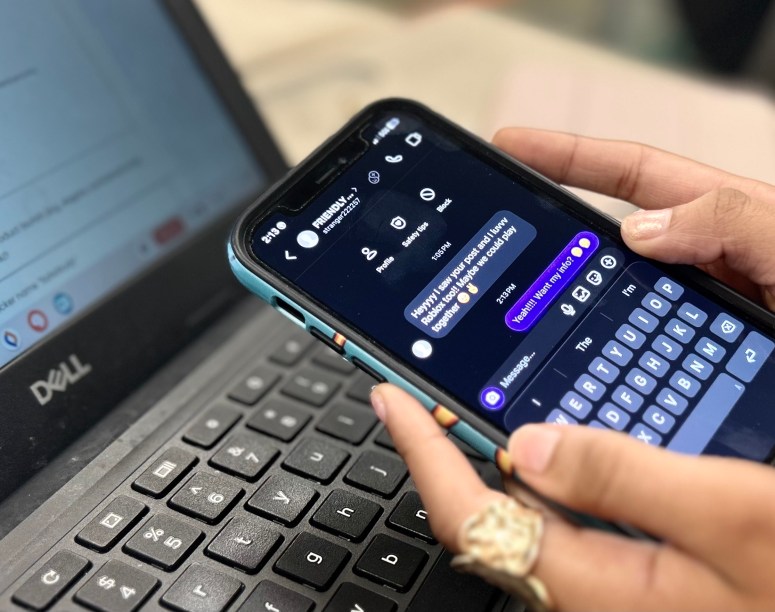
If you were to scroll on TikTok or Instagram for more than a few minutes past the feel good quotes and useless commentary you would likely find someone talking about a personal experience of theirs; it’s not likely anyone dangerous is going see it, so who cares if someone opens up about their personal life?
Except a dangerous person might.
One third of missing children in 2024 were enticed or lured online. Maybe the creeps aren’t in white vans with “Free Candy” painted on the front, but that doesn’t mean they aren’t there. They are the ones liking and saving your videos. The ones complimenting you and asking to be online friends. The ones you trust, posing as innocent.
Other governments outside of America are taking a more headfirst approach to online safety. In Australia children under 16 can’t even access certain social media platforms like TikTok, X, Facebook, Instagram, YouTube, Snapchat and Threads, but is this the right way to go? Young teens aren’t babies and are capable of finding work arounds, often by simply changing their age or not listing it at all on these websites.
So if we can’t take the internet from them, then should we just change it for them? However, even if you were to bubble wrap the entire internet, it would never be a totally safe place — it’s simply too big for that. The real major issue is that in the last few years people have stopped seeing it as what it is – full of strangers.
If I had a penny for the amount of times I’ve heard, “You guys are like my best friends” from an influencer, I’d be rich enough to pay someone to give them online safety lessons. They have fostered an environment where parasocial relationships are the norm. Anything outside of that is seen as strange or overtly paranoid.
This mindset didn’t always used to be the case. The world witnessed a great shift during COVID where anything and everything that could inherently be done online would be done online.
Even when the world did start to open up again, those third spaces that were there previously didn’t. So people both young and old were forced to turn to the only available and free one they had, the internet.
So, how should we ensure online safety for teens?
Well, throughout my life I have seen that the simplest ideas work the best. A simple conversation about the dangers of the internet and all the bad situations that can happen there. Check in on your kids and just who‘s following them if they happen to have public accounts and who is following you on yours as well. You never know. The world is full of creeps.
I find that there are very few problems with children that can’t be fixed with a simple sit down and present parenting.
 thehyphennews.com