by Ximena Mayoral Juarez
Entering school can be nerve racking, especially when students don’t have the support you need at home. When help is needed, most of the time a student goes to a teacher rather than a parent, showing that a strong relationship between a student and a teacher is very important, especially during the school year.

Building a strong relationship with a teacher could genuinely help a student with many challenges, like if they ever need help with their school work. Not only that, but having a trusted adult to talk to can also be helpful.
According to the non-profit organization EdTrust, “Strong relationships between adults and students must include expressing care, challenging growth, providing support, sharing power, and expanding possibilities. Importantly, these relationship-building actions must be done with an equity lens, one that supports positive racial, cultural, and ethnic identity development.”
Having a teacher who genuinely loves what they do and wants to share that passion with their students is very important, in addition to wanting their students to have a good time learning the subject.
“I like to learn. I’ve been a lifelong learner, and I think it’s really cool to be able to share my love of books and my love of history. And just my love of learning with students and pass that onto them and watch them get excited about…you know, uncovering things. That makes it worth it,” said English teacher Evan Myers.
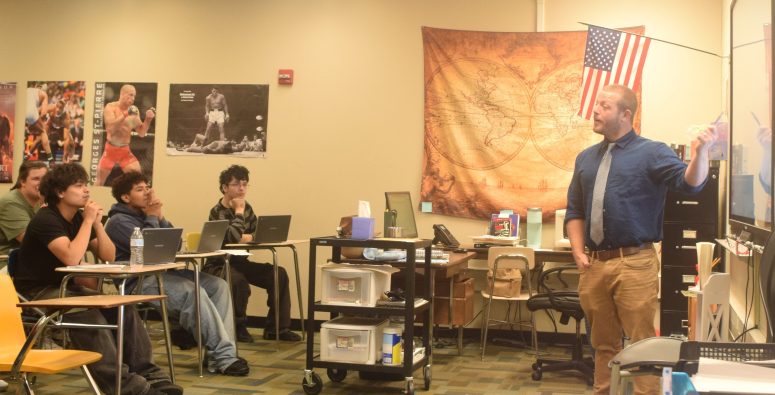
Having to learn a new subject is hard enough, but also having a teacher to make lessons fun is always a positive. We can see how much they put their heart into it and want kids to have a good time while learning.
According to Jason Learning, a nonprofit education program focused on science, technology, engineering, and math (STEM), “Teachers have the unique ability to make students fall in love with subject areas they otherwise may have been intimidated by. Educators can make their students feel like a ‘math person’ or a ‘science person’ by teaching and adapting content in a way that works for students rather than against them.”
Being able to enjoy the class helps a student, especially when that student has fallen in love with the subject that their teacher has taught.
Sophomore Alyssa Anderson said English teacher Holden Henderson provided this kind of inspiration.
“Mr. Henderson impacted my life by, 1. Giving me a new obsession with mythology. Especially ‘Epic the Musical’ and ‘The Odyssey’ and making me happy. I always used to look forward to going to his class; his class was my favorite,” she said. “My favorite subject he taught was mythology and ‘Romeo and Juliet.’ Not only did I learn something out of those things, but I also got a few laughs in when I did.”
Sure, a teacher could just teach and grade papers, but a good teacher would not only just teach and move on, but would want to be more involved with their students outside of the classroom.
Math teacher Scott Lowe said his mission, which he includes in his syllabus, “is to build trusting relationships with all students. And it doesn’t mean just in the classroom, just in general. Our main goal is to be professional and to teach our subject. I (also) believe as teachers we should be trying to build relationships with these kids.”
Knowing teachers want to make a safe instructional environment and build relationships with their students is something we really don’t focus on enough. Often we just stress about school and don’t realize that our teachers do want to make an impact in their students’ lives, even if it’s just a small one
As Myers said, “Every single year when seniors graduate, I’m always crying at least once per season because I’m like, ‘I know I’ll never get to see them again.’ Yeah, I think as a teacher and a coach I get to make an impact, at least a little one.”
by Ayianna Maddox, Harper Gordon, and Jada Belser
Senior year has officially started for the graduating Class of 2027. High school seniors are reaching their last adolescent milestone and preparing for adult life. Their emails, messages, and mailboxes are constantly filled with information about college, financial aid, and so much more.
While all of this is a good thing, the downside is the constant reminder that their childhood is concluding, and the trepidation of what lies ahead.
“My biggest fear is ‘what’s next?’ Just knowing the next step is being on my own and leaving everything and everyone I’ve ever known scares me a lot,” senior Harper Hylton said.
Senior Jenna Watts finds there are exciting moments to look forward to.
“I’m excited. I’m so ready for all the senior events to start, and it’s nice to know I’m almost done. Graduation is the goal, and I’m almost there!” Watts said.
Senior Alasia Sims expressed how the end of her high school career and the start of her adult life caused mixed feelings.
“I’m happy to be done with school and everything, then I’m scared because I’m going to have to actually go and do adult things,” Sims stated.
Senior year is commonly associated with balancing life inside of school and outside of school, such as working, volunteering, college, and career searching. As a young adult, all of these activities can impact students’ viewpoints of what awaits them, especially when it’s expected that the student has it all “figured out.”
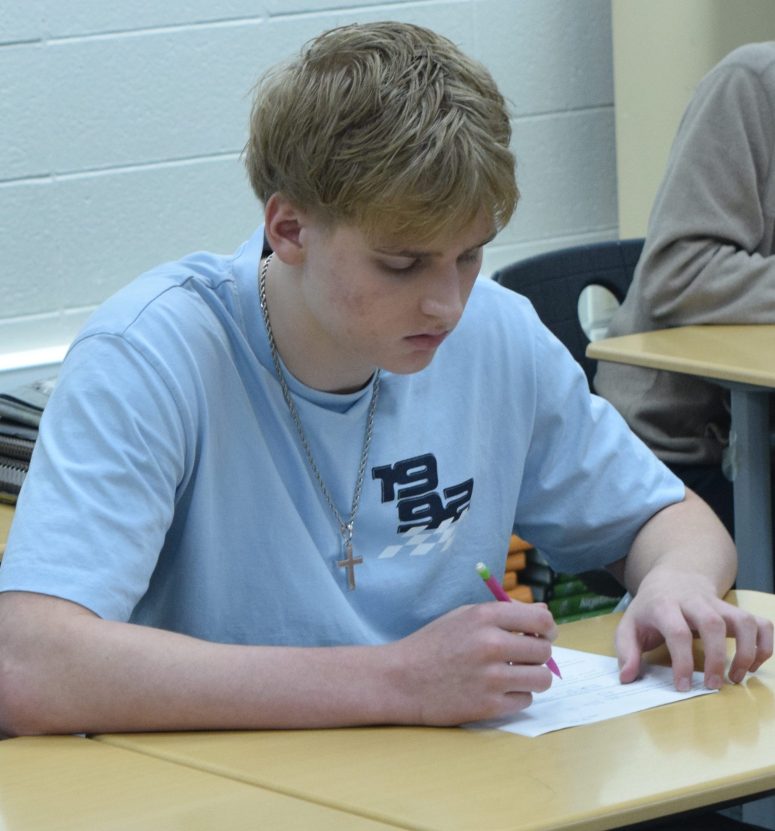
“I’m nervous about adulthood. There’s more responsibilities, but that also comes with more freedom. I’m most nervous about money management,” senior Sean Dyer said.
At the end of the day, after four long years of high school, seniors are still kids growing into their adult shoes.
“I feel like I’ve slowly been entering into adulthood the entire of high school,” senior Enzo Magallanez said.
The Class of 2027 has a long, yet short, year ahead of them, but between college, financial, and career responsibilities, they are all kids enjoying their last year of freedom.
by Gabriella Kraft
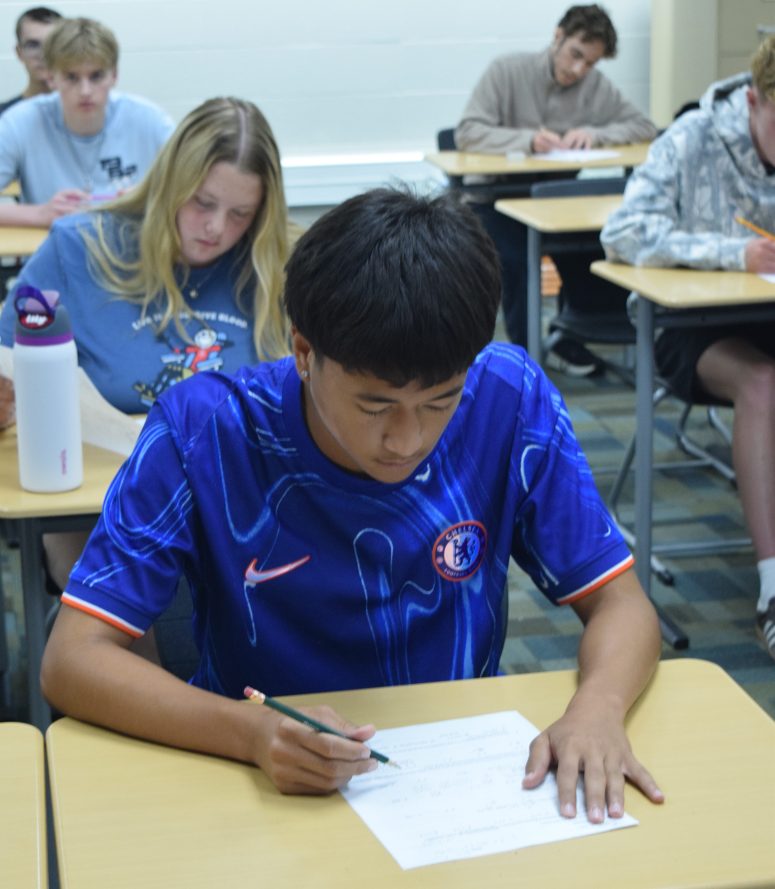
The new school year is always nerve-racking — new classes, new people, and new teachers. The readjustment period is always a struggle after coming back from two months of summer, and it’s been even more so with Indiana’s new phone ban.
But students and faculty persevere and get through by talking to new people, catching up on late work, or reading a book.
Algebra II teacher Greg Bowen was a little intimidated at the beginning of the year, but he is slowly readjusting to all the changes.
“I was a little nervous about how kids would adjust to the new cell phone policy, and they’ve adjusted really well, so yes, now I’m excited,” said Bowen.
The new cell phone policy had all the teachers on the edge of their seats, but students adjusted better than they thought. It’s a different kind of year for everybody, including senior Leighla Perry.
“This is my last year of high school, and although I’ll miss it because of my friends, I can’t be more excited about graduating,” said Perry.
Perry’s also been involved in the JHS community since junior year by being a part of NHS, Anchor Club, and cheerleading.
“I love being involved; it looks good on applications, and it’s nice just helping people and knowing I’m doing a good thing,” said Perry.
Juniors are getting older and racking up college credits and AP classes.
“The year has been pretty good; it’s mostly just me waiting for IUS to start. I expected more out of my classes, especially from my AP U.S. history class,” said junior Kahlani Hunt.
It seems like everybody’s year has been great so far, including sophomore Savannah Valois.
“My favorite part of the school has been my math class; it’s been great. I thought it would be harder this year, so I wasn’t excited at first, but it’s been okay,” said Valois.
As one high schooler’s career ends, another begins.
“The year has been good so far; I’ve found my classes easily; I thought it would be harder navigating,” said freshman Harmony Staton.
Life this school year, although different, has been going better than anybody expected, and JHS is excited for what is to come.
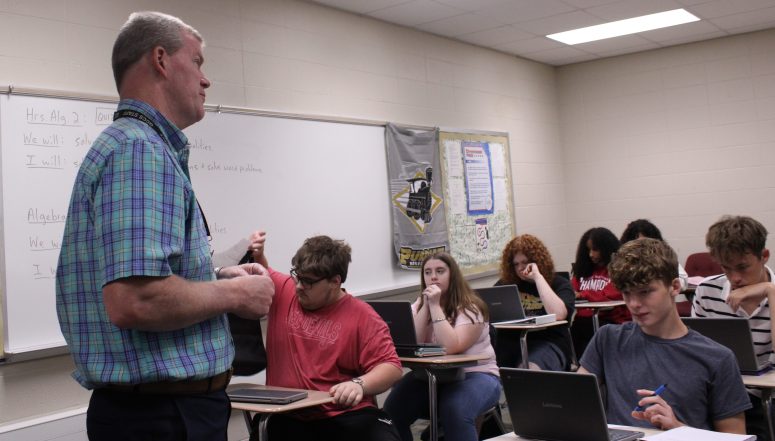
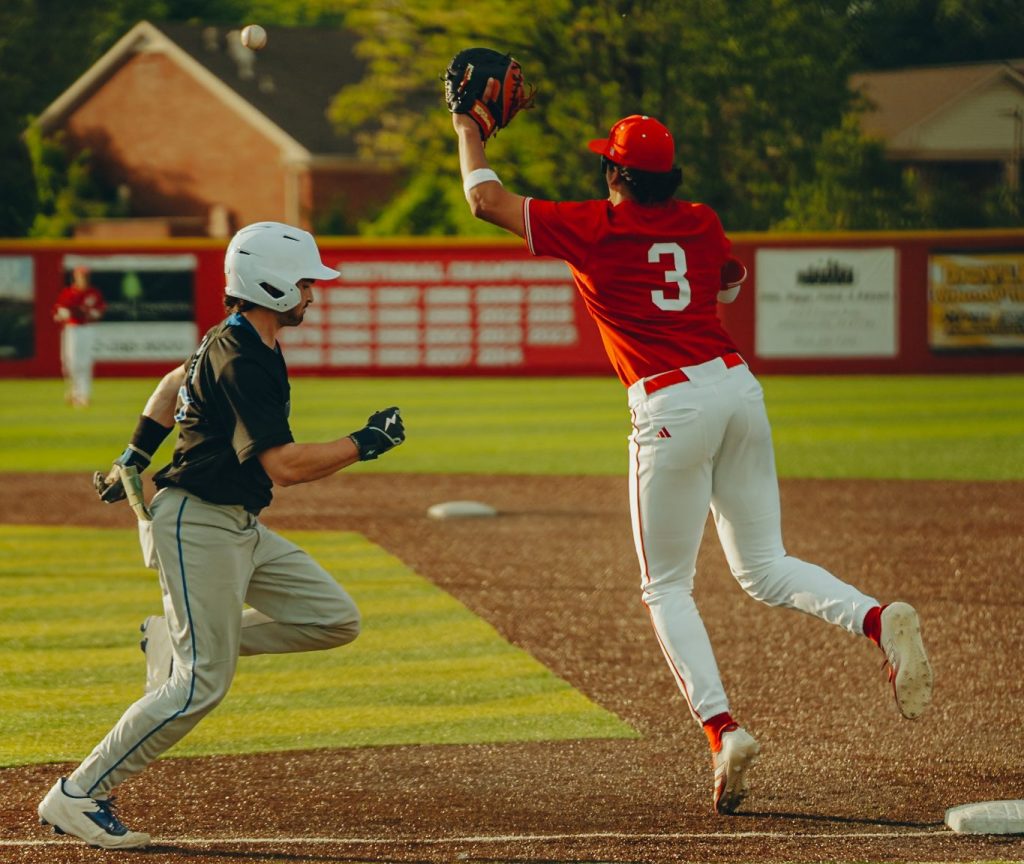
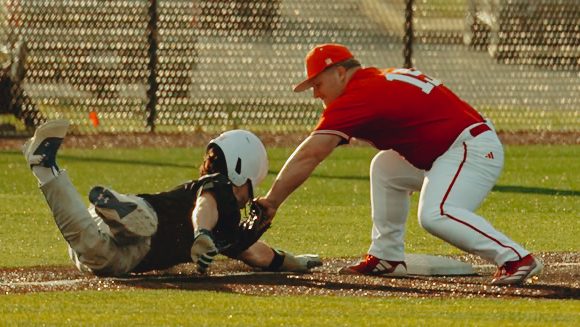
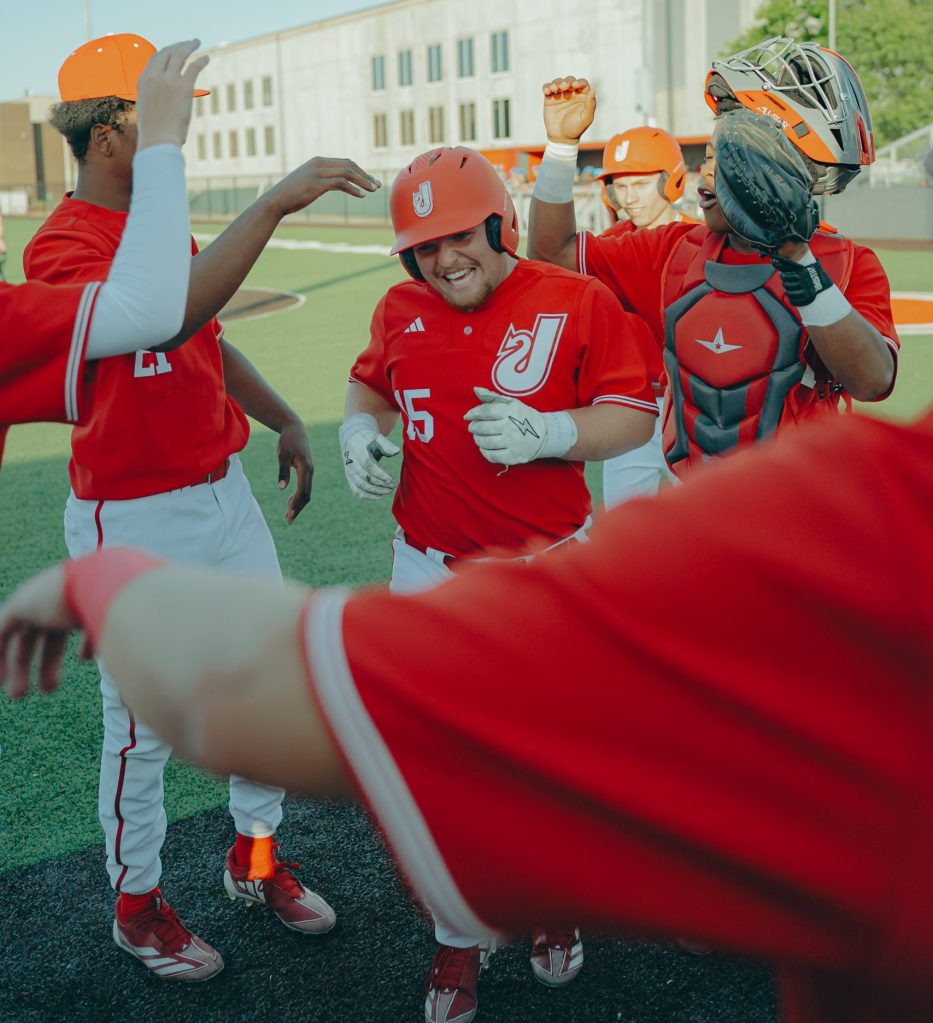
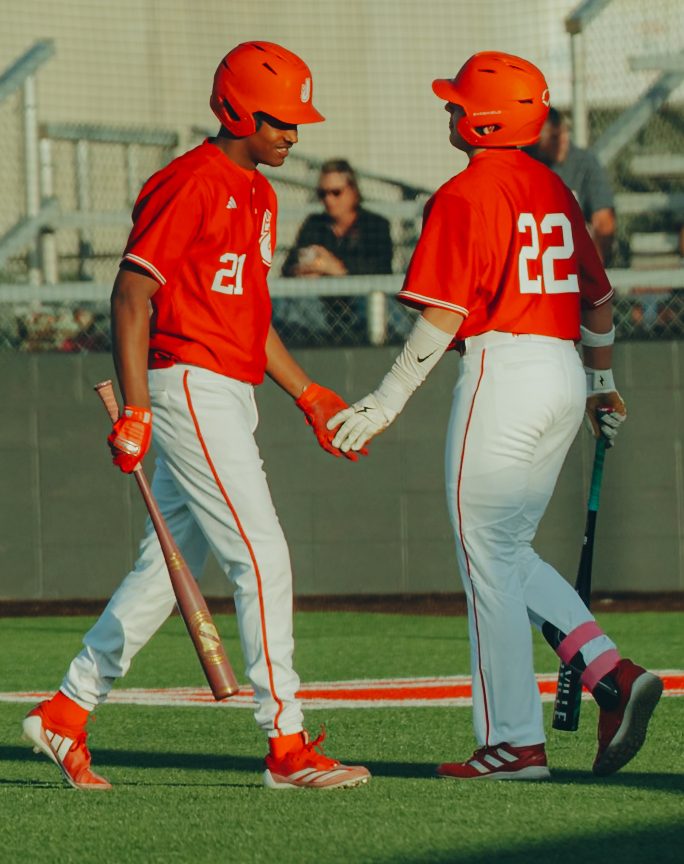
All photographs by Jackson Anderson. Click on each image to view the gallery below.
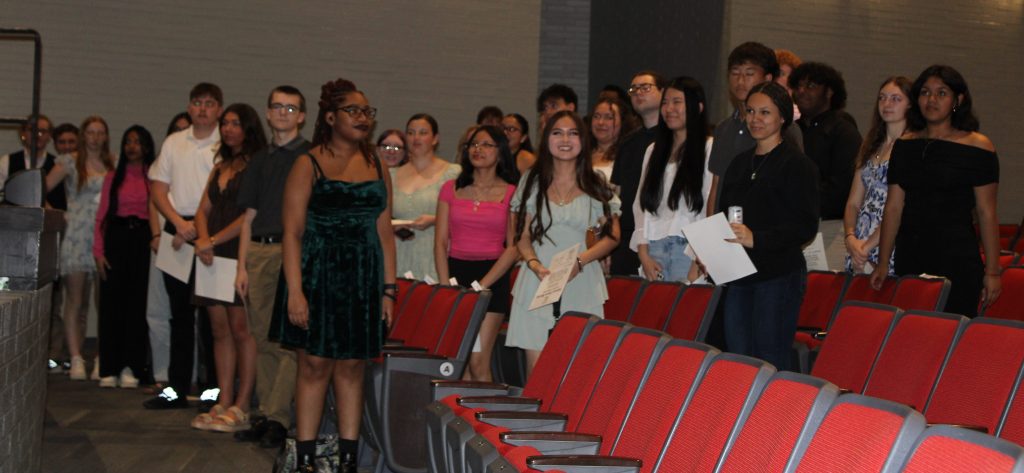
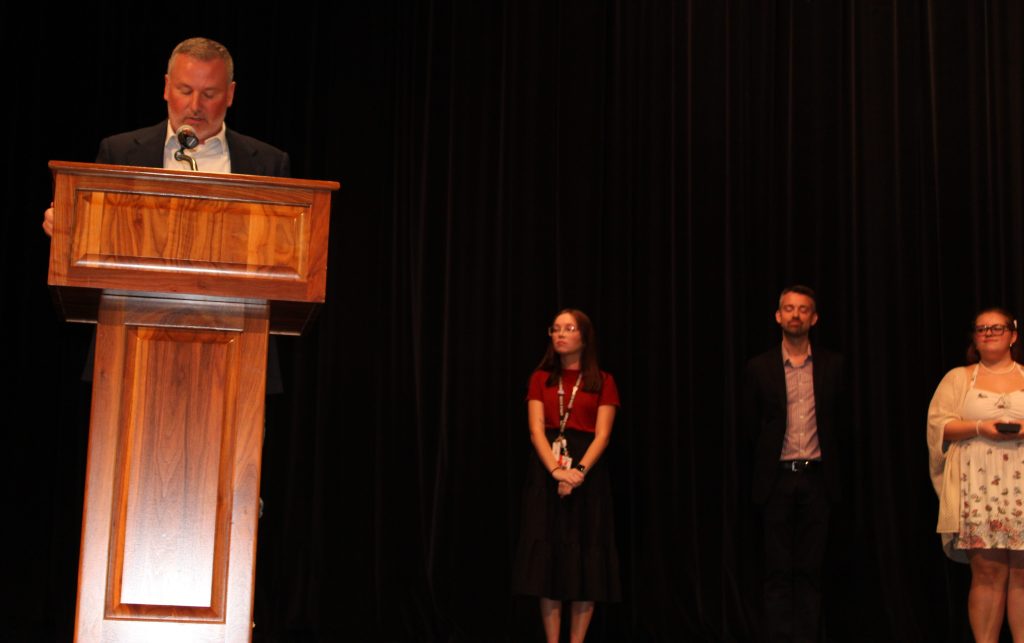
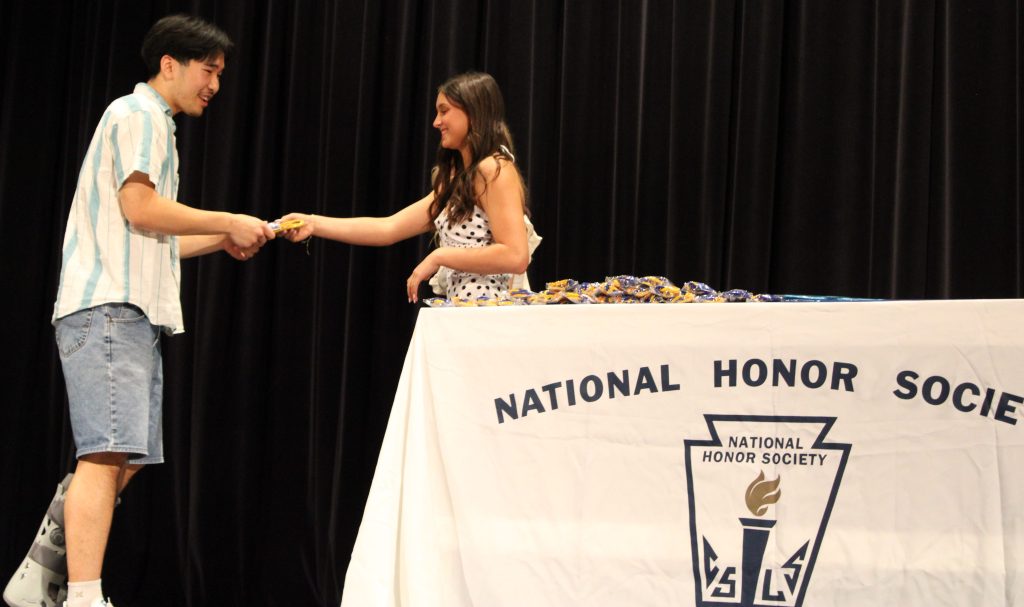
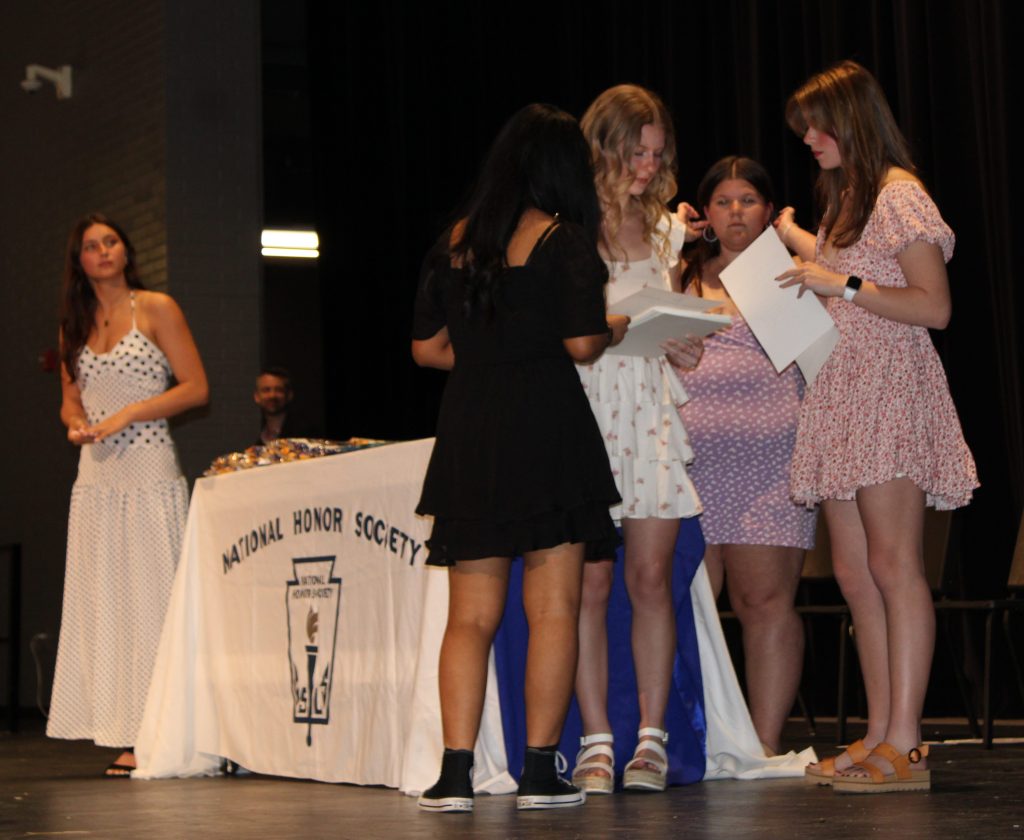
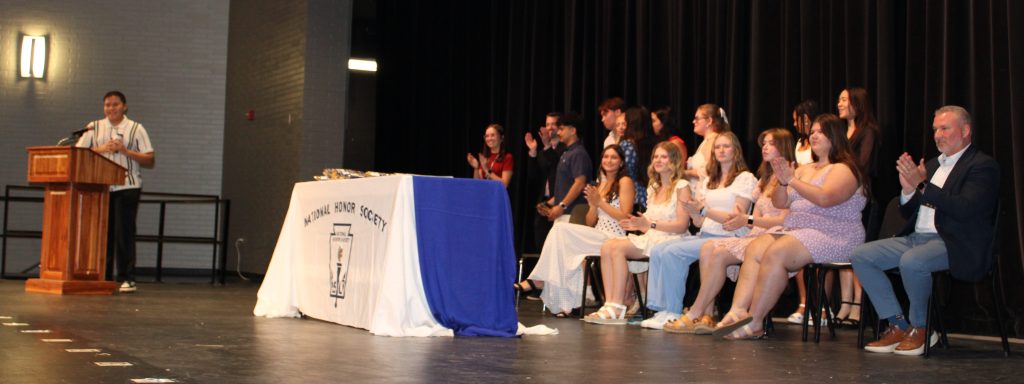
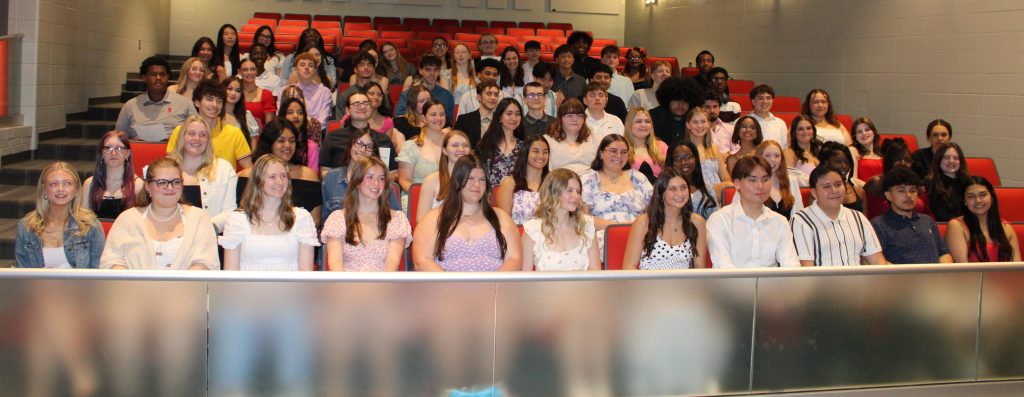
All photographs by Malachi Conrad; click on each image to view the gallery below.
by Liddia Waterbury
Freshman Eden Stewart sits down at the lunch table. She puts her belongings and lunch box down, then proceeds to take her food out of the box. While eating her food, she takes out her computer. She starts working on homework or missing assignments while eating.
“Honestly, I don’t know. I usually prioritize finishing easier work in classes and taking more time to complete my harder work. This means doing work during lunch, advanced band, Spanish, and any other time I can. It’s really hard to do homework at home with all my band activities, but I usually manage my time well,” said Stewart.
High school can feel overwhelming at first, but freshmen learn how to adapt and succeed. Their experiences reveal why the lessons they learn in their first year truly matter.
For many freshmen, the transition to high school comes with challenges, but it also leads to growth. Stewart shares how they adjusted to this new environment and why it will help them to succeed.
“It was really hard. High school was really difficult to get into the flow with, especially because of my constantly full schedule between marching band, winter percussion, and all advanced classes. I’m still adjusting to it, and I know that with all the struggles this year, it will be easier next year. I will be able to have fun without a lot of stress,” said Stewart.
Although the transition can be difficult for many students, teachers support freshmen by making it easier and less overwhelming.
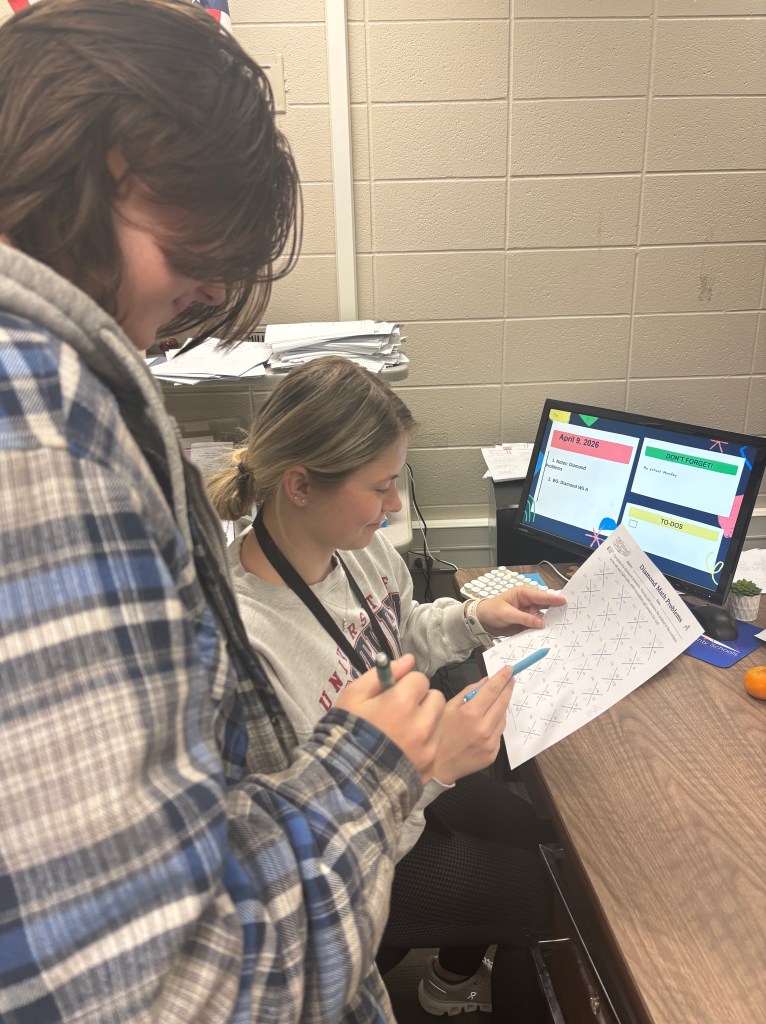
“It’s important to help freshmen adjust to high school because when you’re in middle school, you’re not really used to switching classes. Then, if you fail a class in high school, you have to retake it, and they’re not used to that either. To support freshmen, I listen to their problems and help with anything they need. Just caring about them and giving them extra time if they need it. Especially because you can get really behind on school work from seven classes if you don’t have that support,” said math teacher Alyssa Jones.
Support isn’t only about helping students adjust. It’s also about motivating them when they feel overwhelmed. Teachers play a crucial role in helping freshmen stay focused and confident during stressful times.
“If their lack of motivation is because they’re overwhelmed, then what I try to do is make it more manageable. I help them look at their grades in class and in other classes. I help them pick the most important grades and push to make sure they stay focused on them. They are the assignments that are going to help their grades the most. If they can just narrow their focus to one thing at a time, and get that done, they can make progress,” said English teacher Holden Henderson.
This shows how teachers help students feel less stressed by breaking work into smaller steps. While that support is important, students also need to find other ways to get motivated on their own.
“How I usually stay motivated is when I think about graduation. I usually end up thinking about how, like, if I don’t finish this, I won’t be able to succeed. I also stay motivated by thinking about how I want to make my family proud with good grades. This influences my hobbies and stuff because after putting in that much effort, they feel more relaxing. I look forward to doing my hobbies and other things,” said freshman Onah Barns.
Students motivate themselves through their own goals. At the same time, teachers can strengthen that motivation by building supportive relationships with their students.
“I just try to be myself, be relatable, and share my interests. I know that my interests overlap with a lot of yours. I feel a little bit more in touch with social media and modern media than other teachers. I just try to be relatable and make sure students know that I care about them as people and not just the numbers in my grade book,” said Henderson.
“It’s really important to have a good relationship with a teacher because you’re more likely to pay attention to what they say. If you don’t have a good relationship, you’re more likely to tune them out and do the bare minimum and not learn what they teach you,” said Henderson.
Strong relationships with teachers can impact how much students engage in class. When students feel comfortable, they are more likely to listen, learn, and reach out for help when they need it.
“To ask for help with school, I raise my hand, go up to the teacher, and ask questions. I know that they are here to help me and help me succeed. When I ask the teacher about work, they help me to understand it better. This also gets rid of a lot of stress when the material is important and I don’t know how to do it,” said freshman Madisyn Maratty.
Asking for help is important, and it also shows something bigger. Teachers are there to guide students and support them when they struggle, making help a key part of their role.
“Remember, there are so many trusted adults in this building who want to help you succeed, so find one and develop a relationship with them. Talk to your teachers about topics or things you may be struggling with. They are here to help you and truly appreciate hearing from you over hearing from a guardian or another adult.”
Freshman Counselor Andrea Schedler
“Remember, there are so many trusted adults in this building who want to help you succeed, so find one and develop a relationship with them. Talk to your teachers about topics or things you may be struggling with. They are here to help you and truly appreciate hearing from you over hearing from a guardian or another adult,” said freshman counselor Andrea Schedler.
Support from adults doesn’t stop at just being available when students ask for help. Teachers also take an active role in guiding freshmen, helping them build skills and habits they’ll need to succeed throughout the rest of high school.
“I make sure freshmen understand what is expected, that there’s certain behaviors that are not acceptable. I make sure that they know that teachers have deadlines to get work done. At first I try to push and guide them, then I get stricter, if they are still lacking in maturity,” said biology teacher Joe Somerville.
The freshman experience includes challenges, growth, and support. Students build habits and maturity while teachers continue to guide and push them towards success.
All photographs by Malachi Conrad. Click on each image to view the gallery below.
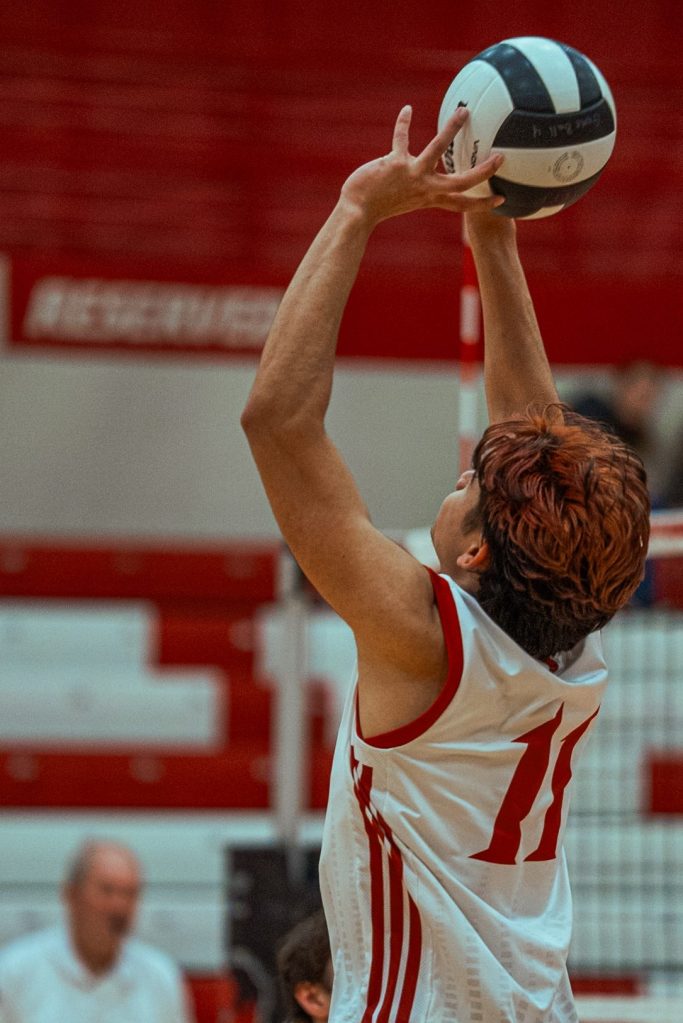
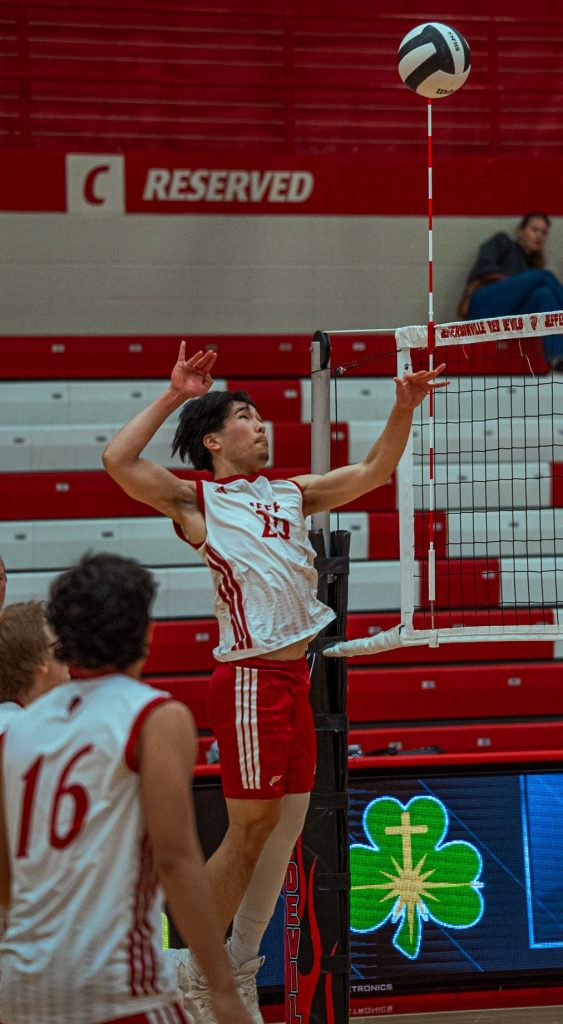
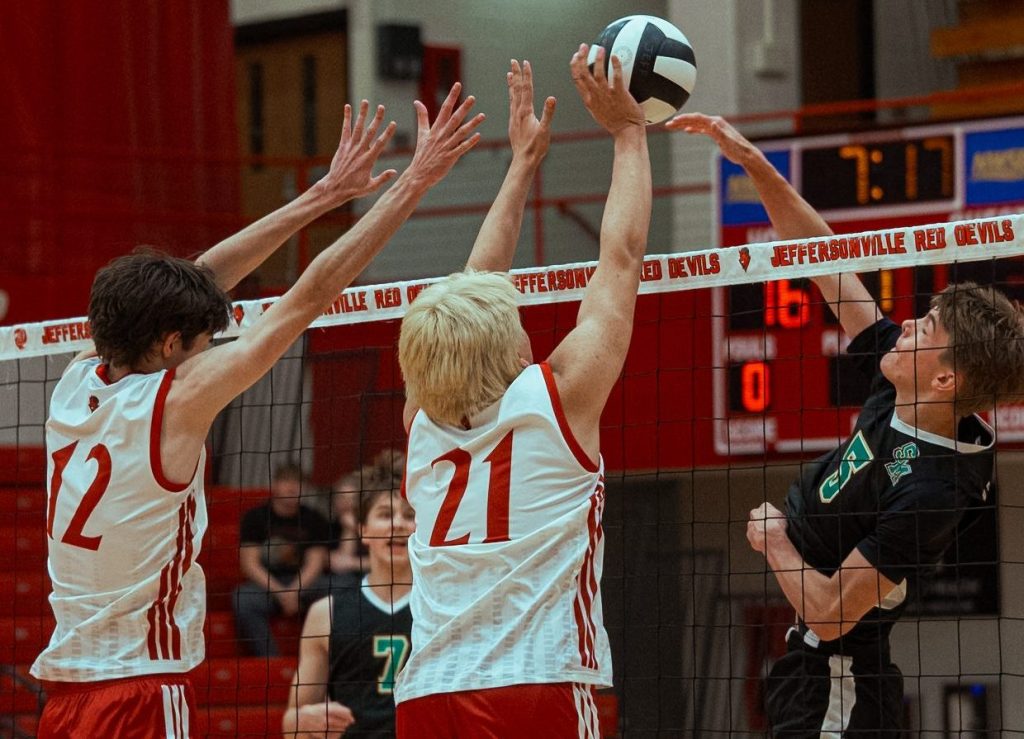
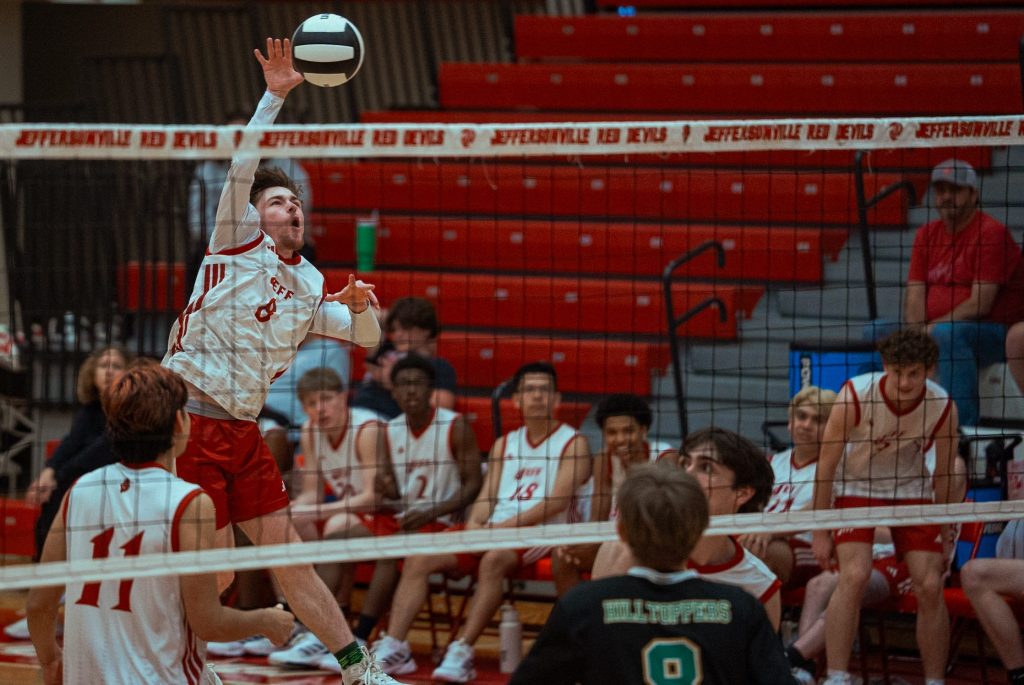
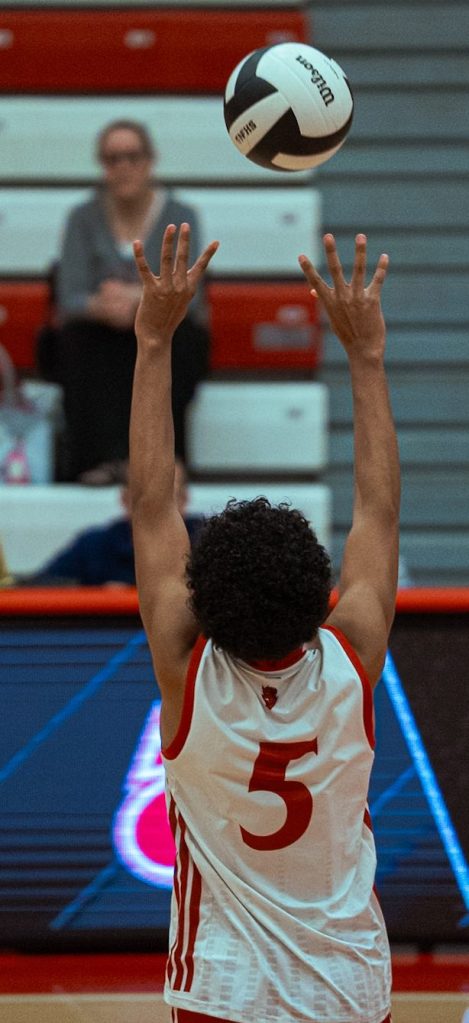
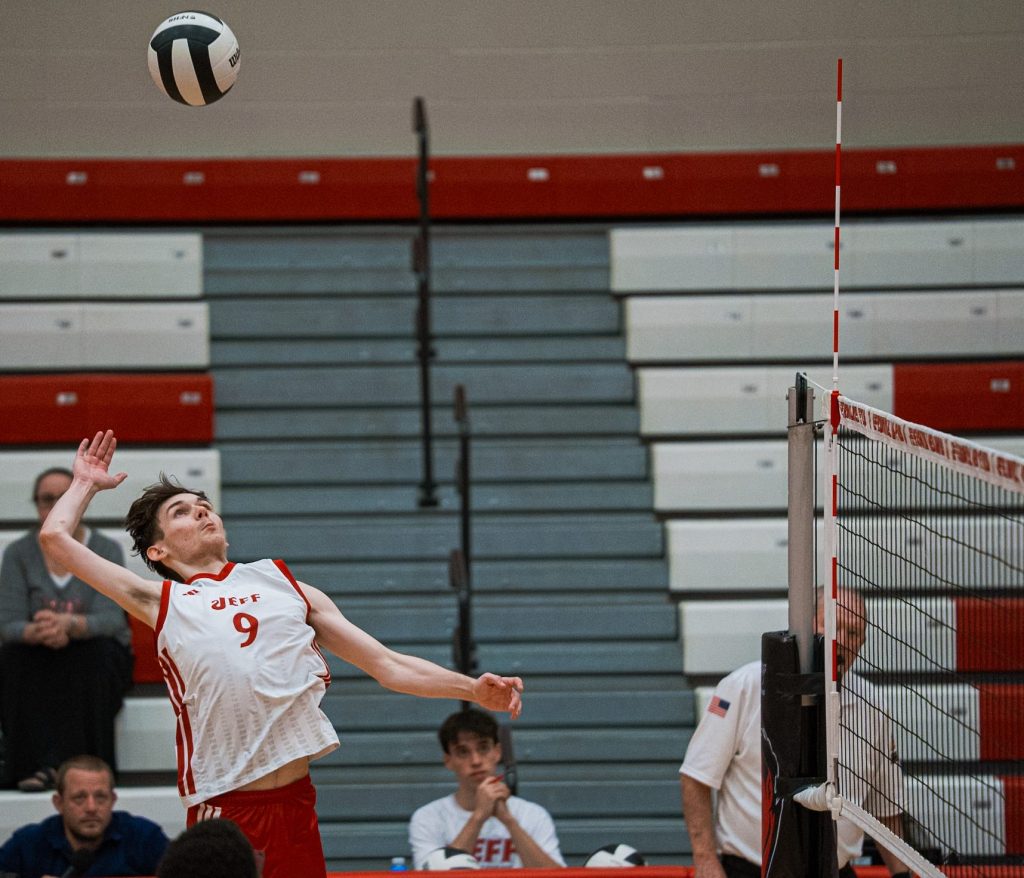
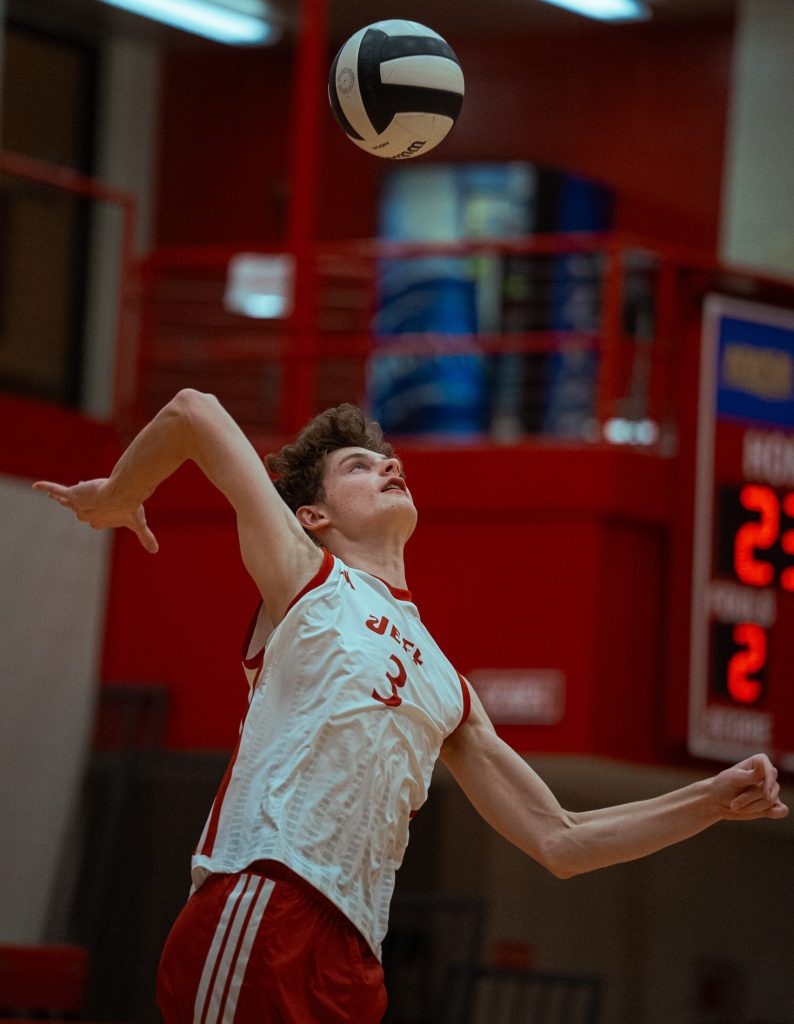
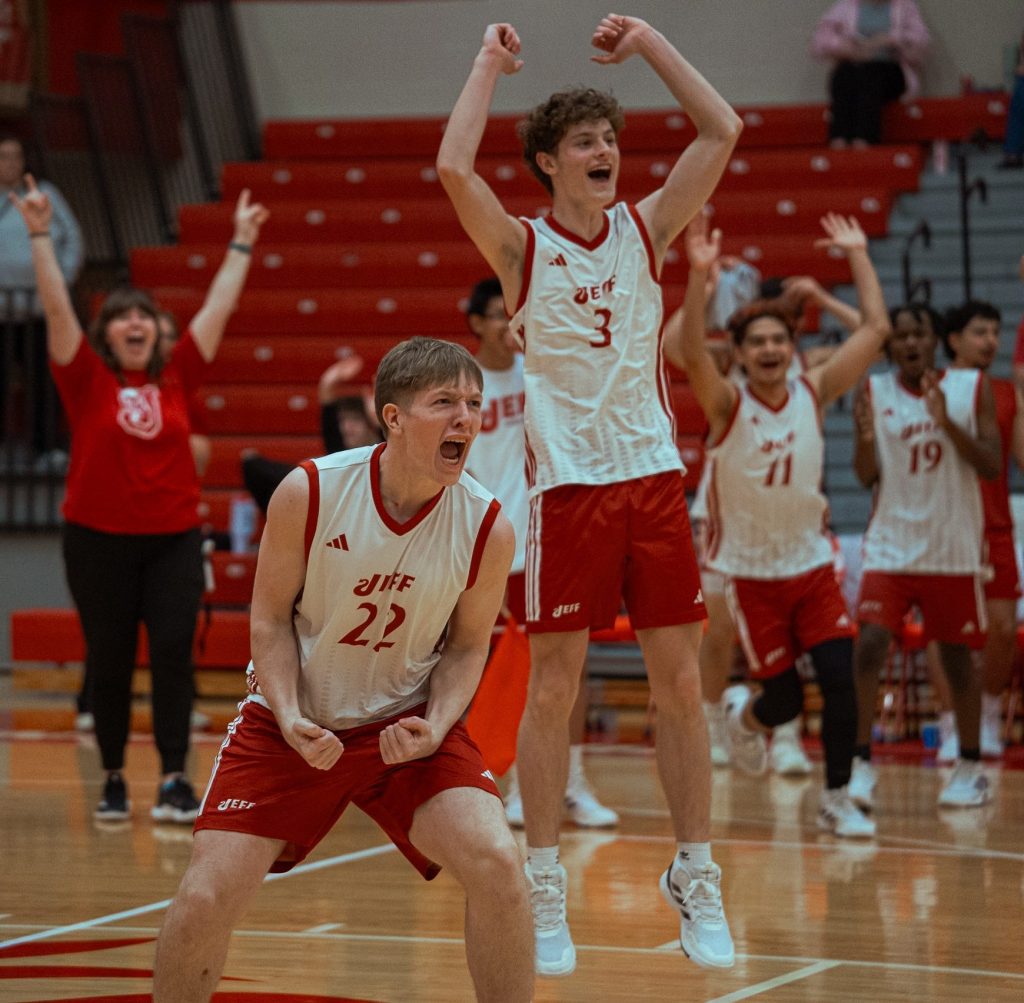
All photographs by Malachi Conard. Click on each image to view the photo gallery below.
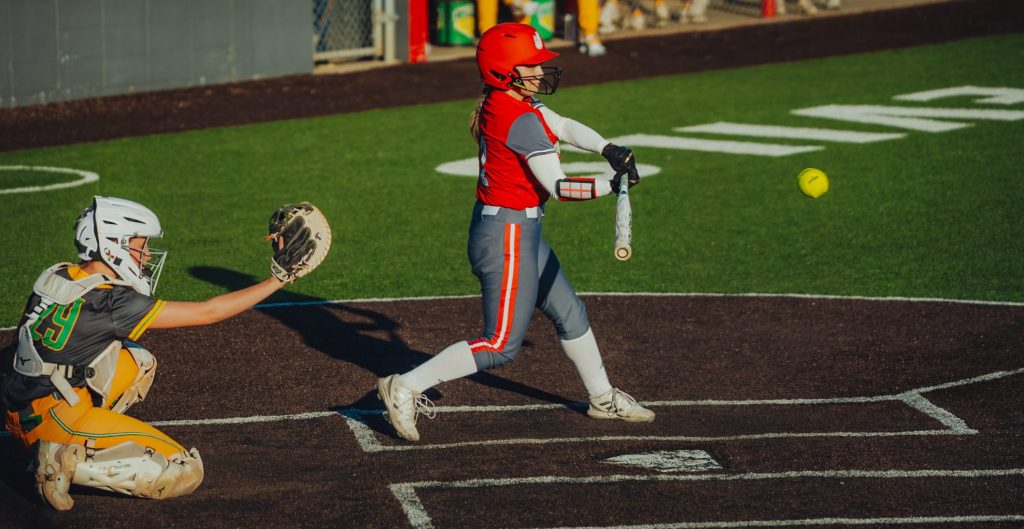
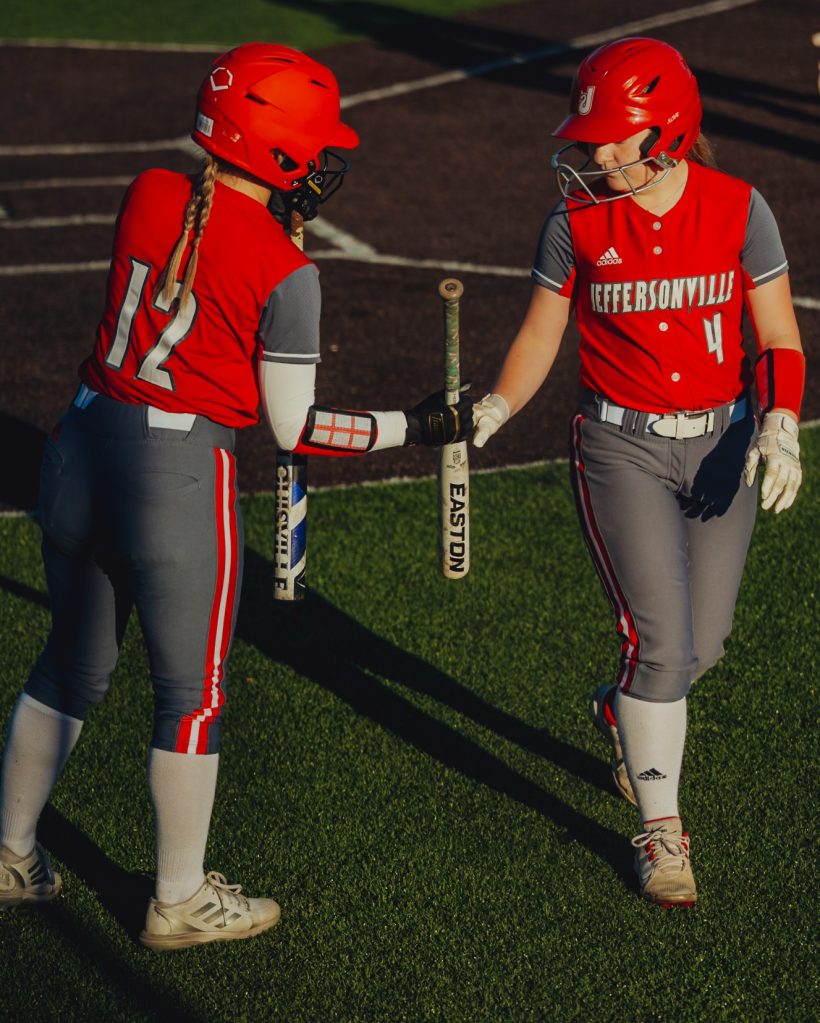
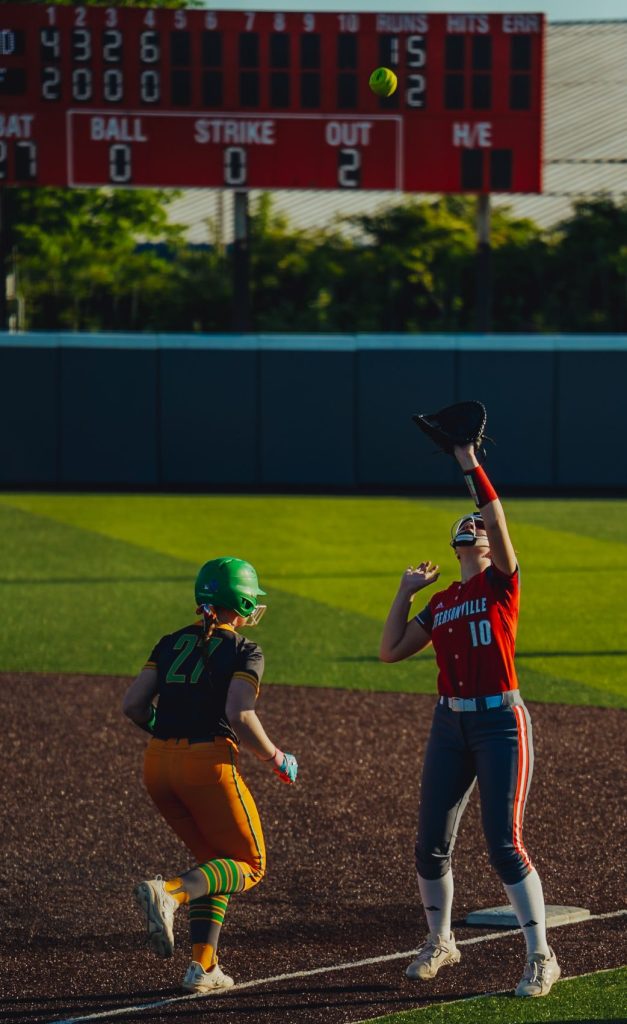
by Kaylee Borelli
The school year coming to an end, and throughout the year, freshmen have learned to adapt to the new environment of high school.
Teachers and counselors at have noticed how this year’s freshmen adjusted to the rigors of high school and how they’ve grown over the school year.
“Some of this year’s freshmen have adjusted well to the rigors of high school. I have witnessed growth in attendance, getting to class on time, balancing the workload of seven classes, becoming more confident in themselves, and learning how to handle conflict and minor issues on their own,” said freshman counselor Andrea Schedler. “I have also witnessed a lot of students grow in their involvement in athletics and extracurricular activities.”
Adjusting to the challenges of high school does not always happen easily, though.
“Overall, as a freshman class, they haven’t adjusted very well to high school,” said freshman college and career teacher John Moody. “Some have figured out how to live outside of middle school and have been mature, while others have been immature and are still stuck in middle school.”
Moody shared some tips on how future freshmen can prepare themselves for high school and adjust to the rigor of JHS.
“What you’re going to experience here is going to be much different. You’re going to be expected to meet deadlines. You’re going to be expected to work on things you don’t know, and you’ll have to ask questions,” said Moody. “You just need to be as prepared as you can be. Make sure things are turned in on time because some teachers won’t even accept late work. Also, don’t fall behind because if you don’t fall behind, you won’t have to worry about catching up.”
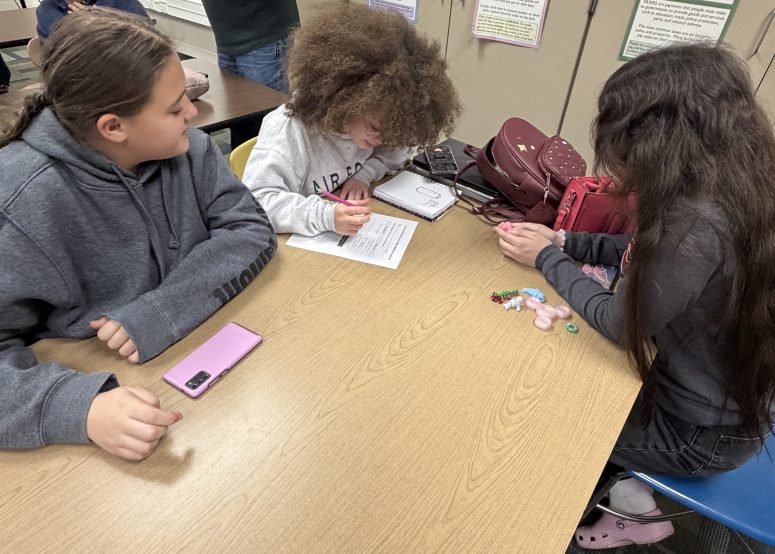
This year’s ninth graders have also detailed some advice for incoming students next year.
“I would definitely just be yourself so you can find more people that are like you,” said freshman Donnie Muncy. “I feel like that’s a big part of it, being around people like you helps you be yourself and be happy. But overall, just being around people like yourself will make your overall high school experience better.”
Similarly to Muncy, freshman Sophie Ellis also detailed a way to make friends as a freshman.
“Go to all the events, even if you don’t think they’re going to be fun,” said Ellis. “It’s a great way to make friends and bond, and you get to see the school community.”
In addition to the students sharing their tips, some freshmen shared how they succeeded in their first year of high school.
“This year, I never let my work slip and was able to turn in my work on time,” said freshman Katie Higdon. “I just made sure I didn’t procrastinate and got my work done before the due date, so I wasn’t stressed the day before an assignment was due.”
Freshman Kaden Eurton said organization made school less stressful.
“Instead of stressing over my work, I would stay organized and balance my work and free time so I never fell behind,” said Eurton. “I would say as long as someone stays organized and stays up-to-date with work, high school will be more enjoyable and not as stressful.”
Regular attendance is another suggestion that freshmen shared with their peers.
“You really can’t miss much school because of how much work there is,” detailed freshman Parker Vibbert. “It takes a while to get caught up, but as long as you have good attendance, school will be much easier.”
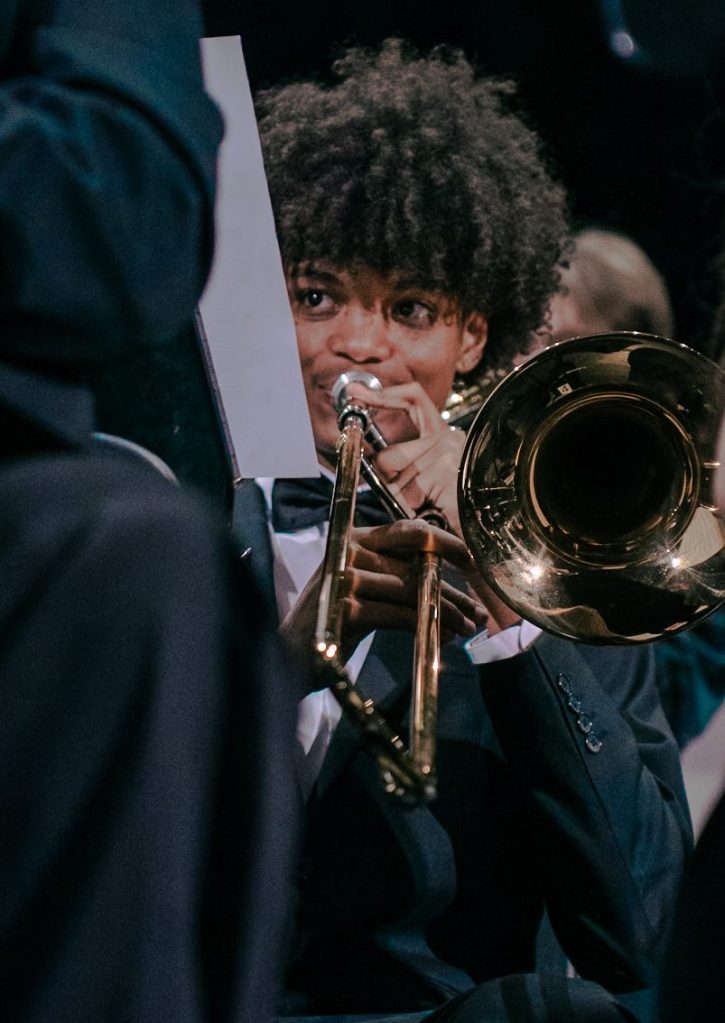
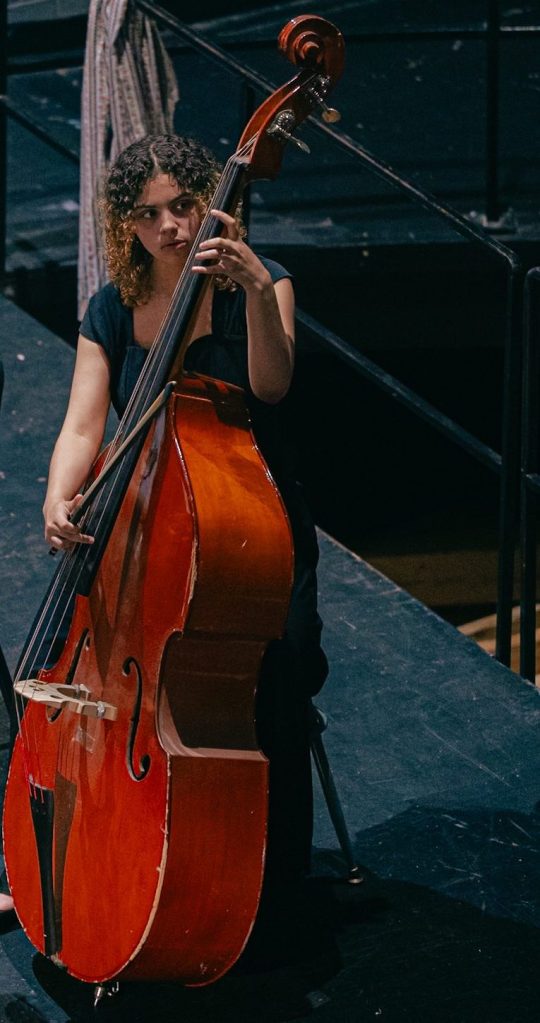
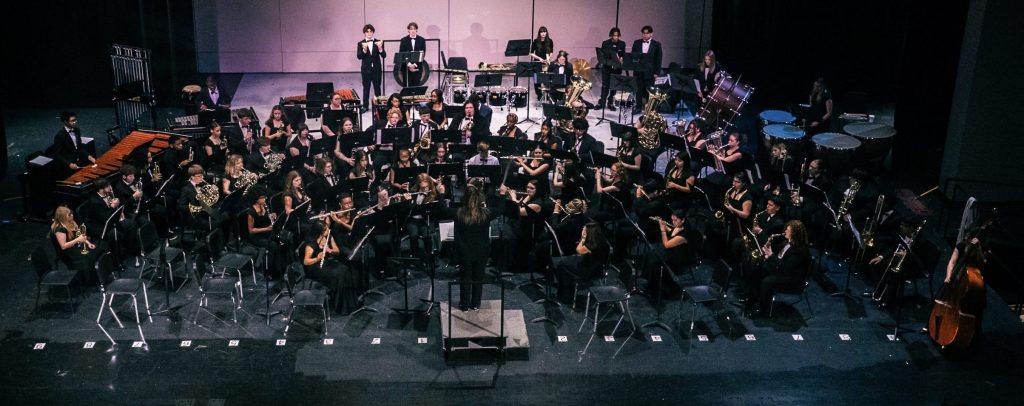
All photographs by Malachi Conrad. Click on each image below to view the entire gallery.




by Areli Hernandez
Anchor Club is excited to announce its upcoming 2026-27 season. Applications are now open for interested students and officially close May 6. Click on the QR code for more information or contact Anchor Club sponsors for any questions.
Anchor Club sponsors:
Michell Densford- mdensford@gccschools.com
Chloe Merkle- cmerkle@gccschools.com
Francesca Hernandez- fhernandez@gccschools.com
Judy Brooner- jbrooner@gccschools.com