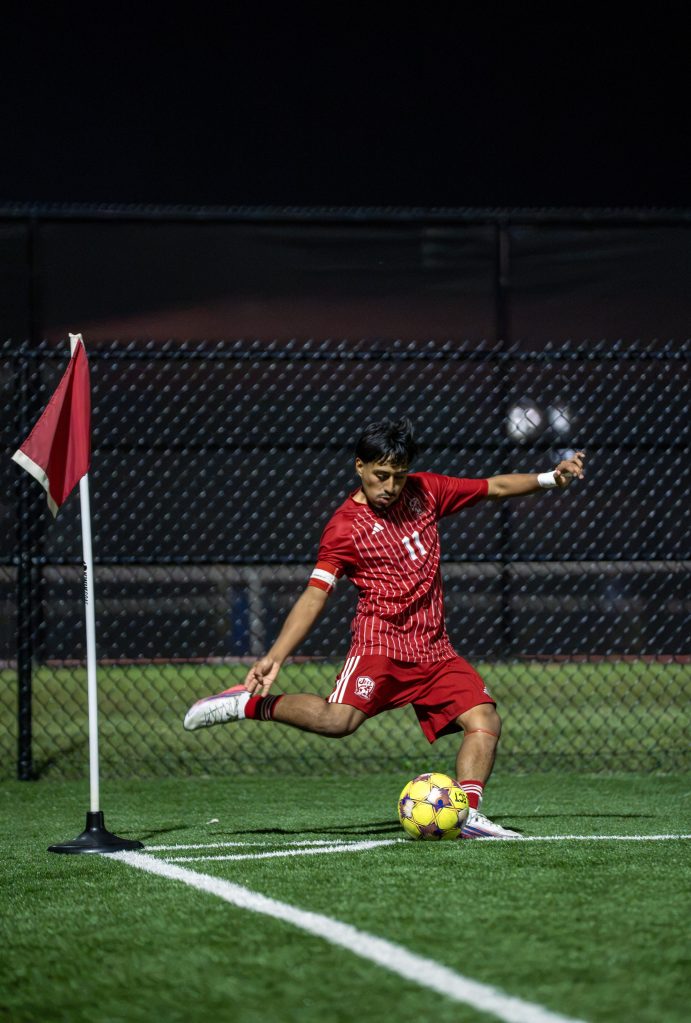
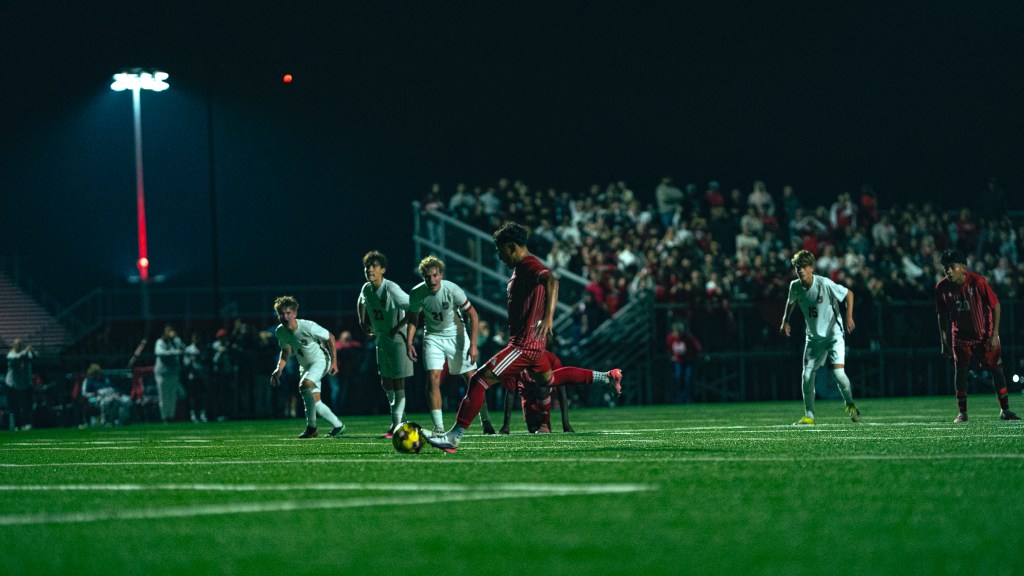
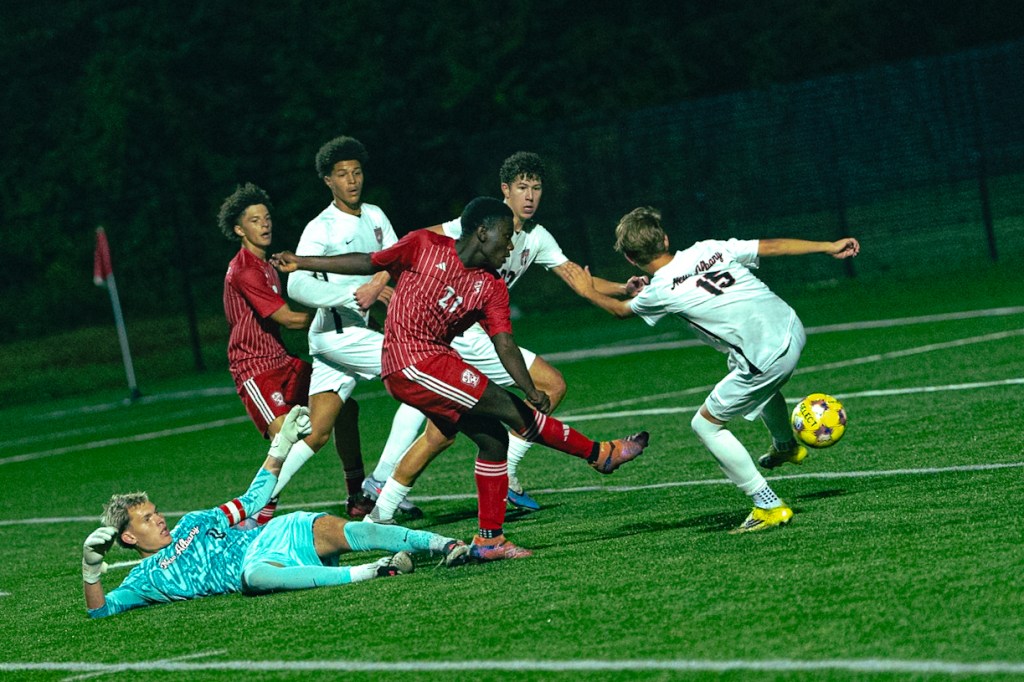
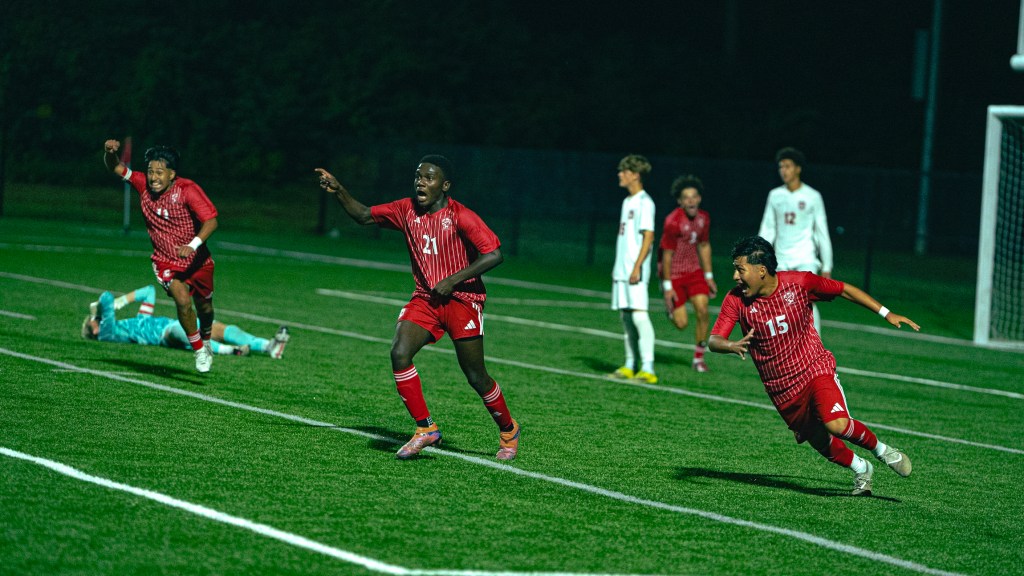
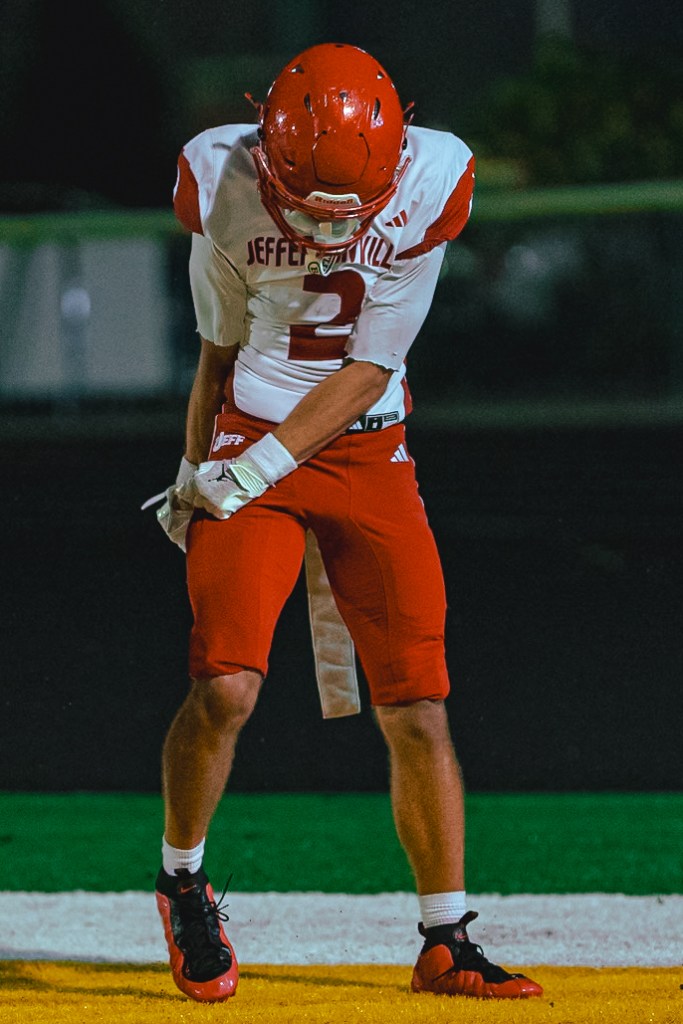
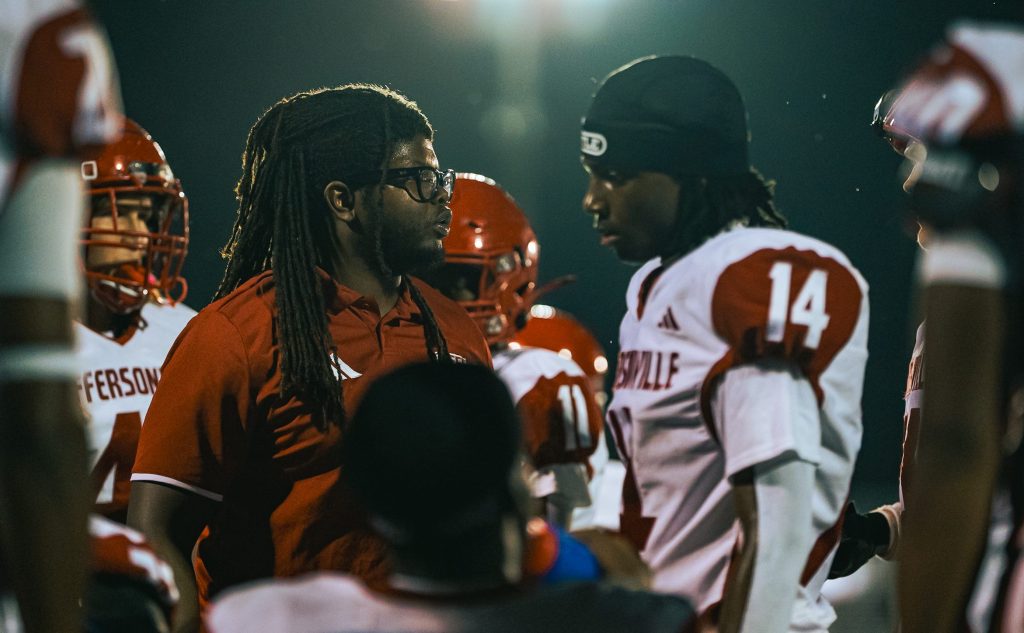
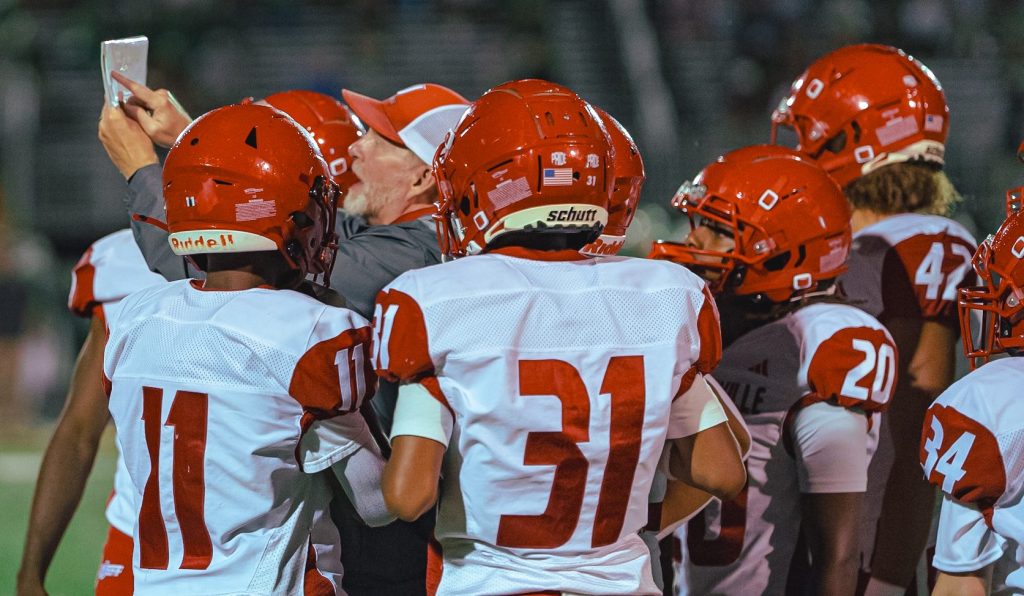
All photos by Malachi Conrad and Parker McCloskey.
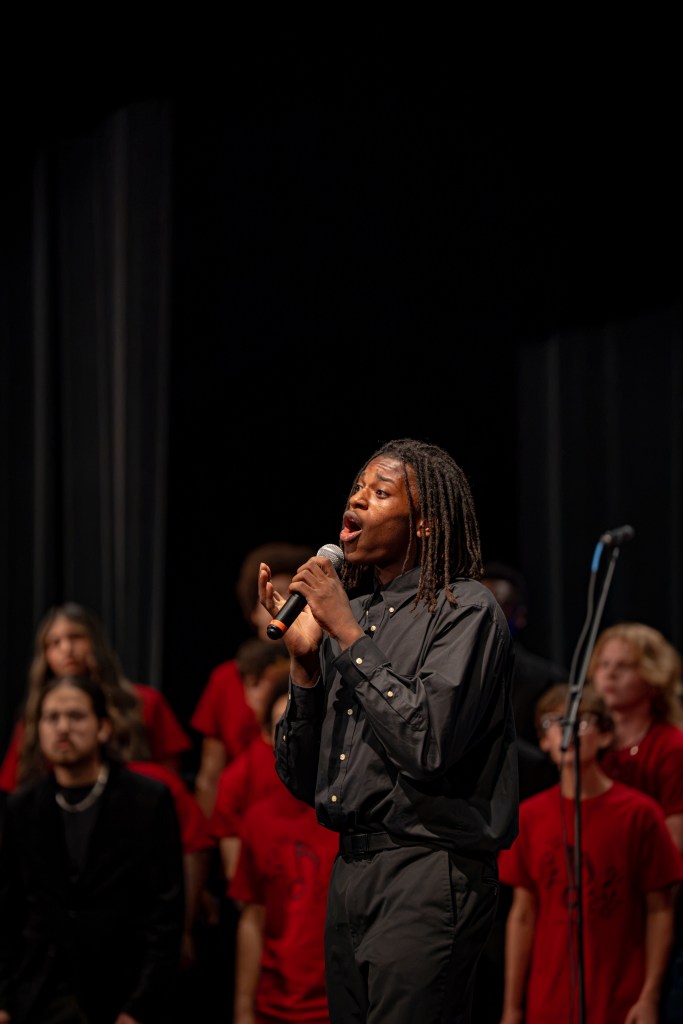
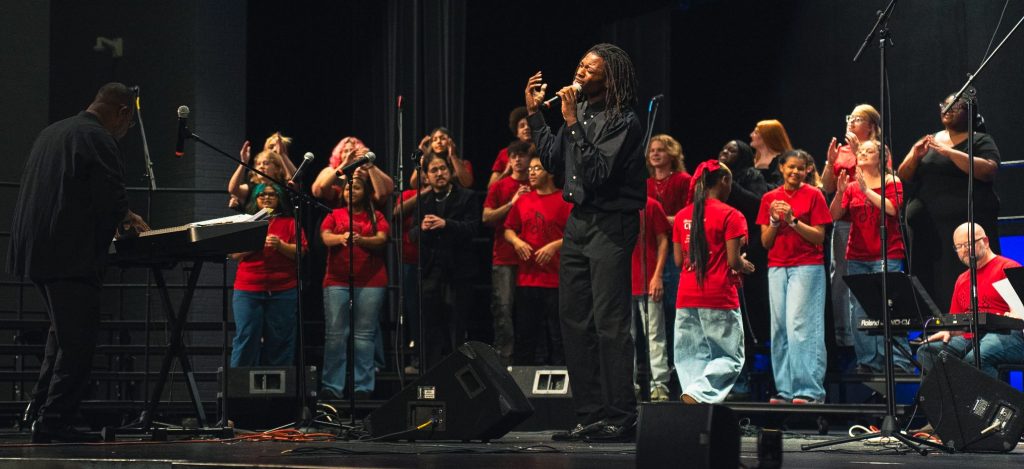

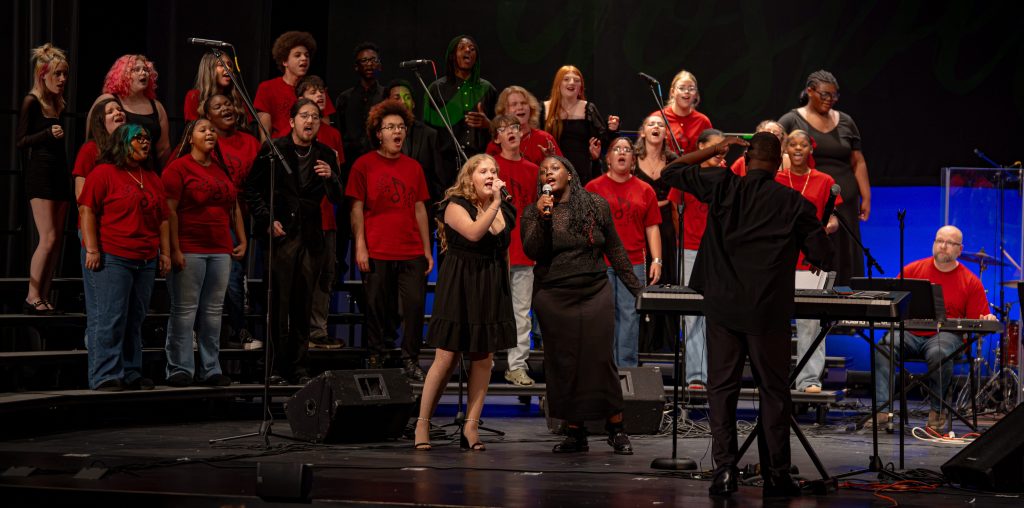
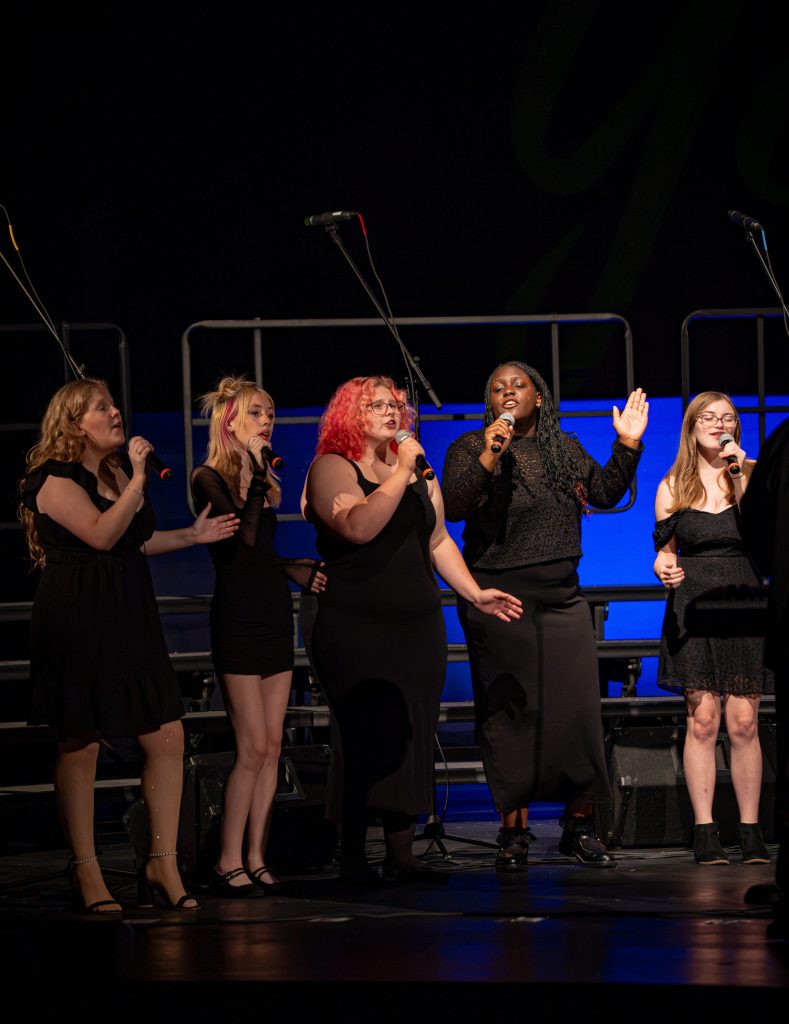
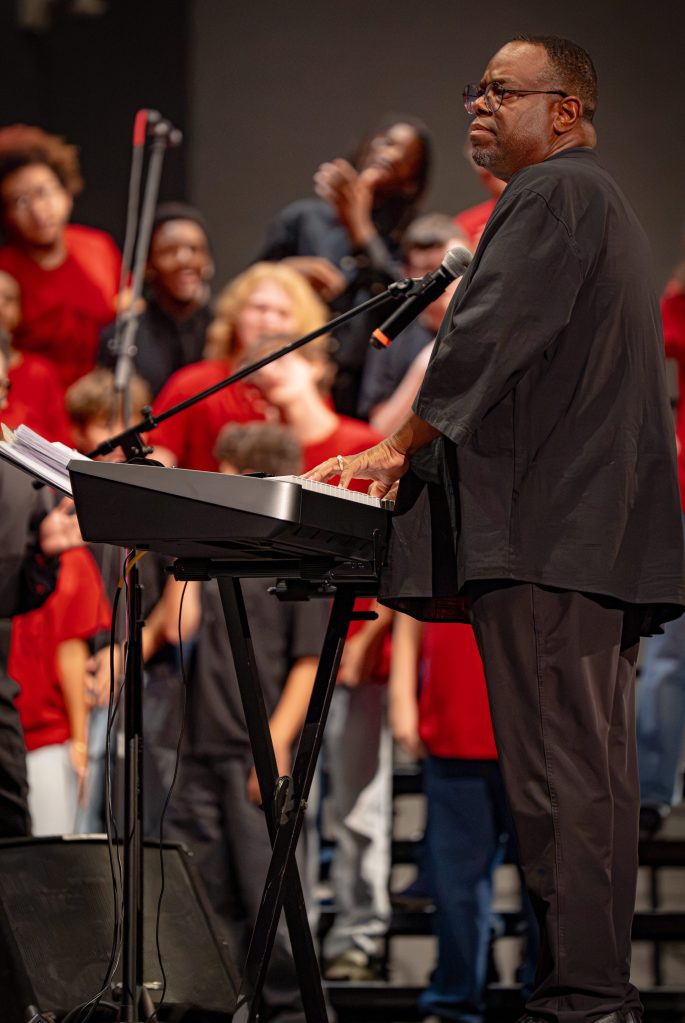
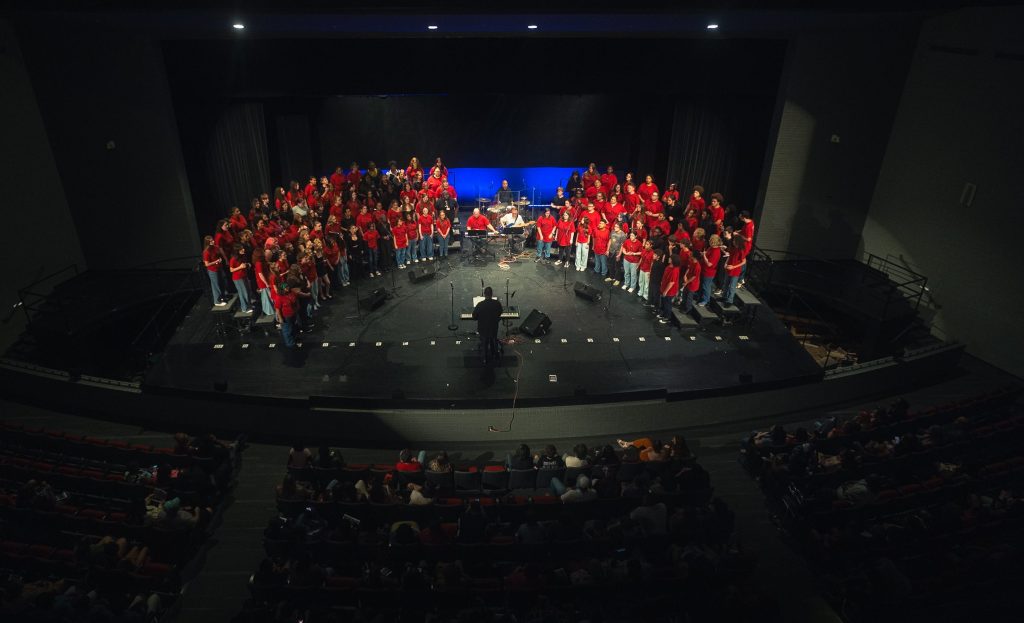
All photos by Malachi Conrad and Parker McCloskey.
Photos by Malachi Conrad and Parker McCloskey. Additional reporting by Austin Bainbridge.
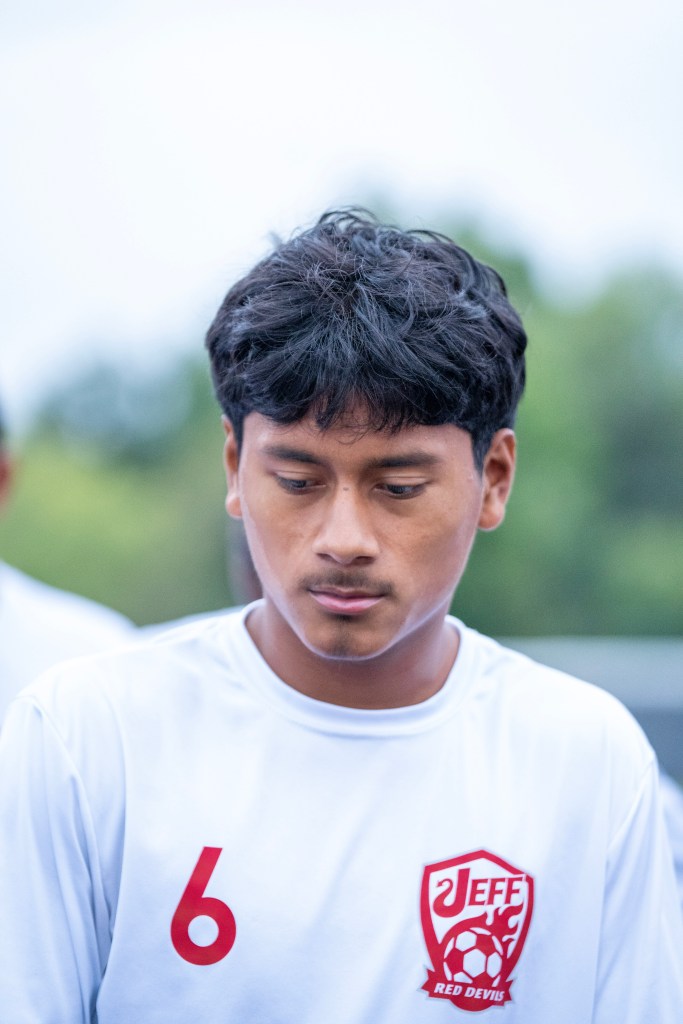
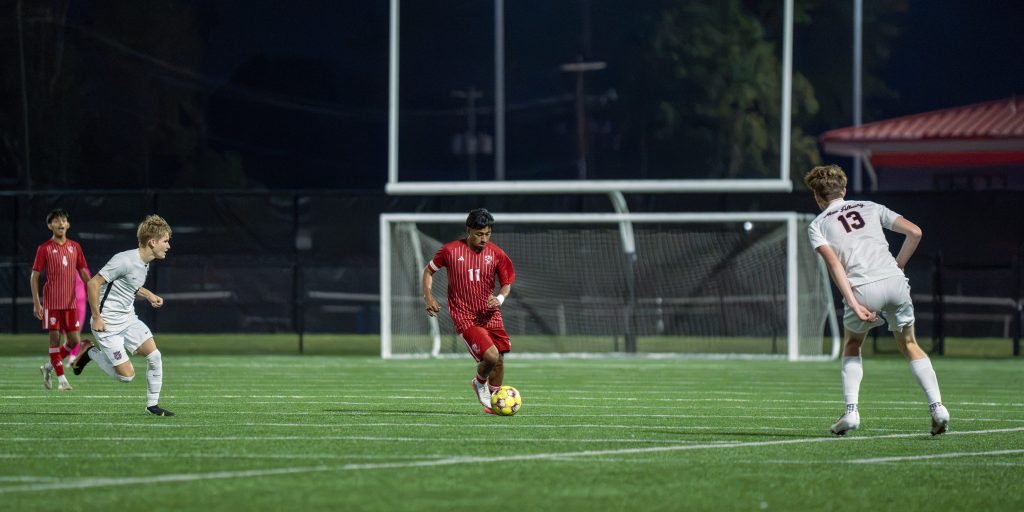
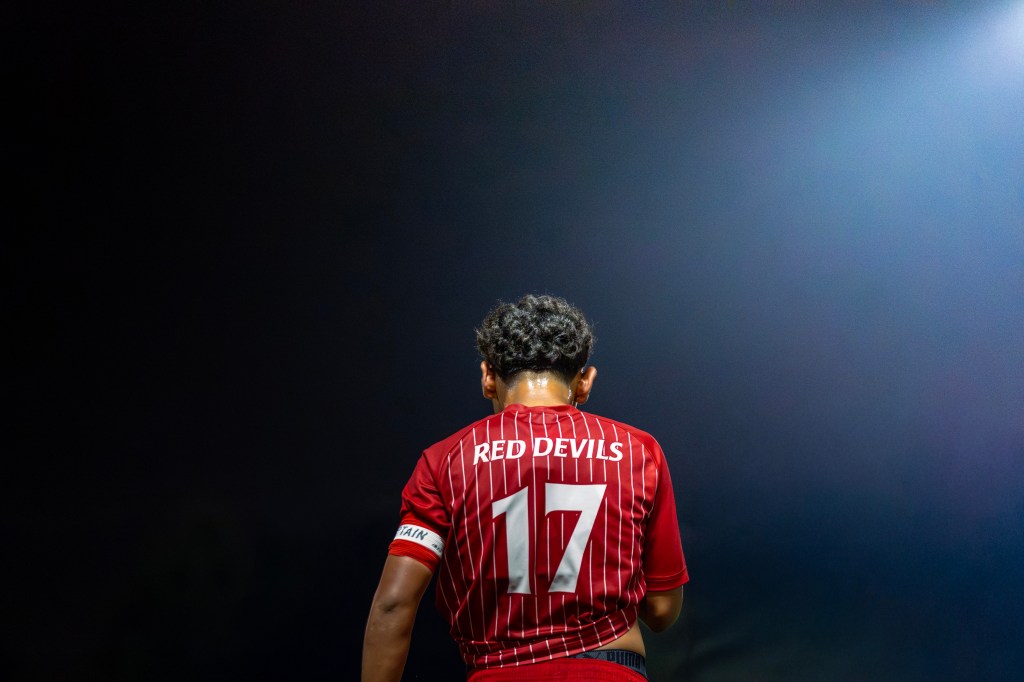
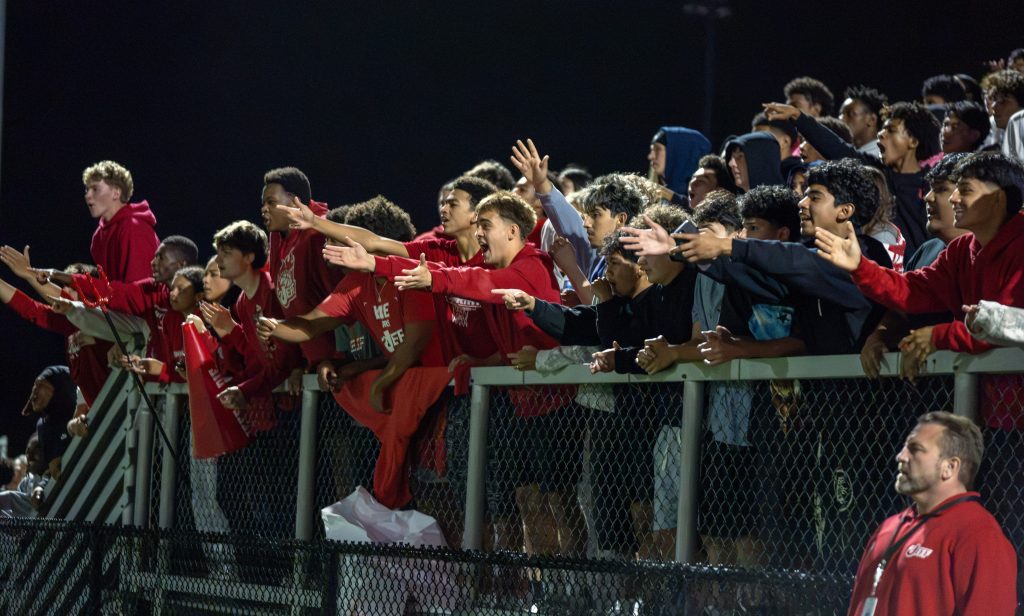
by Louis Stifler
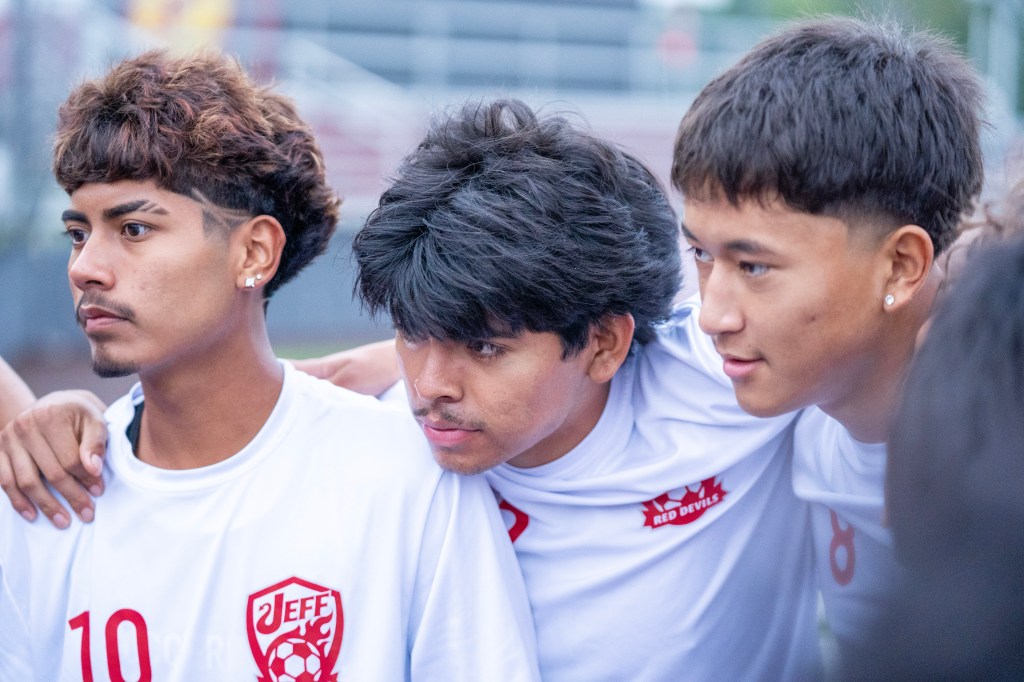
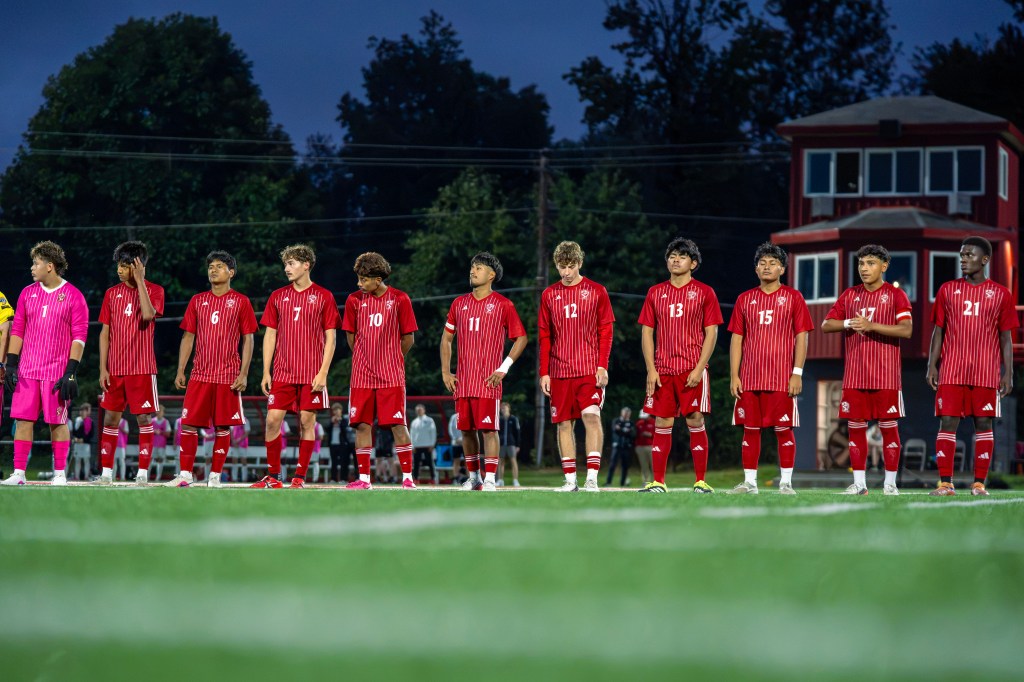
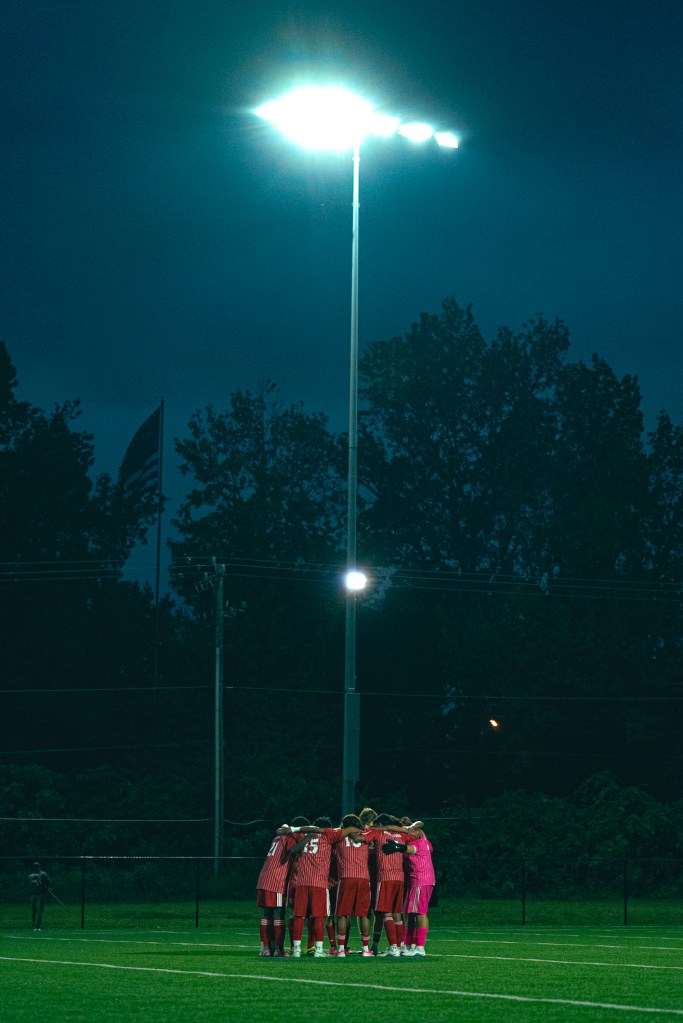
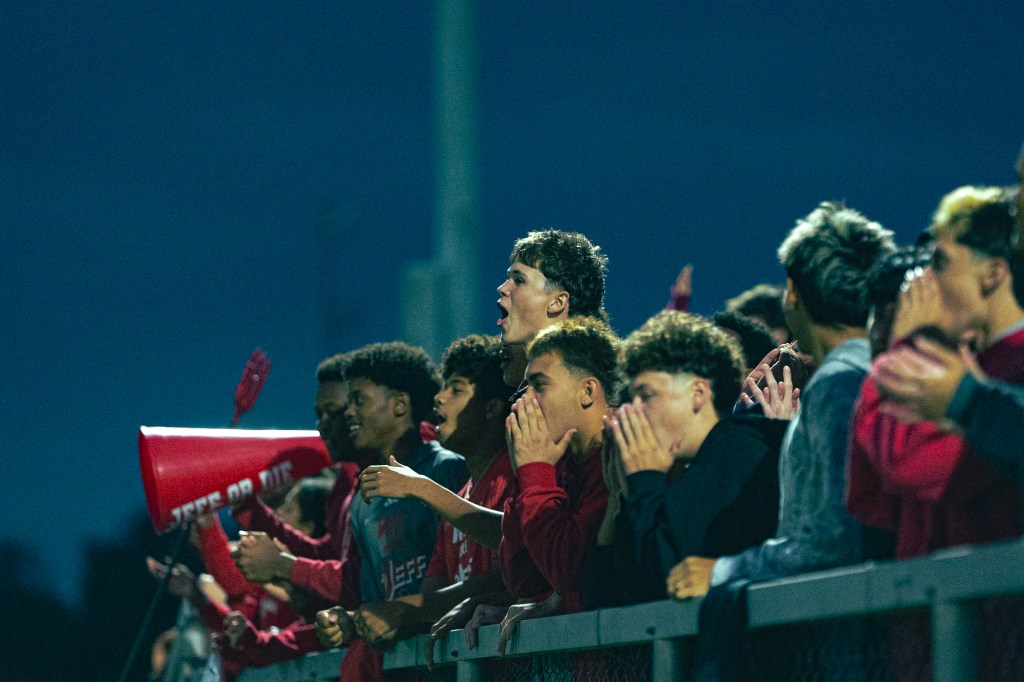
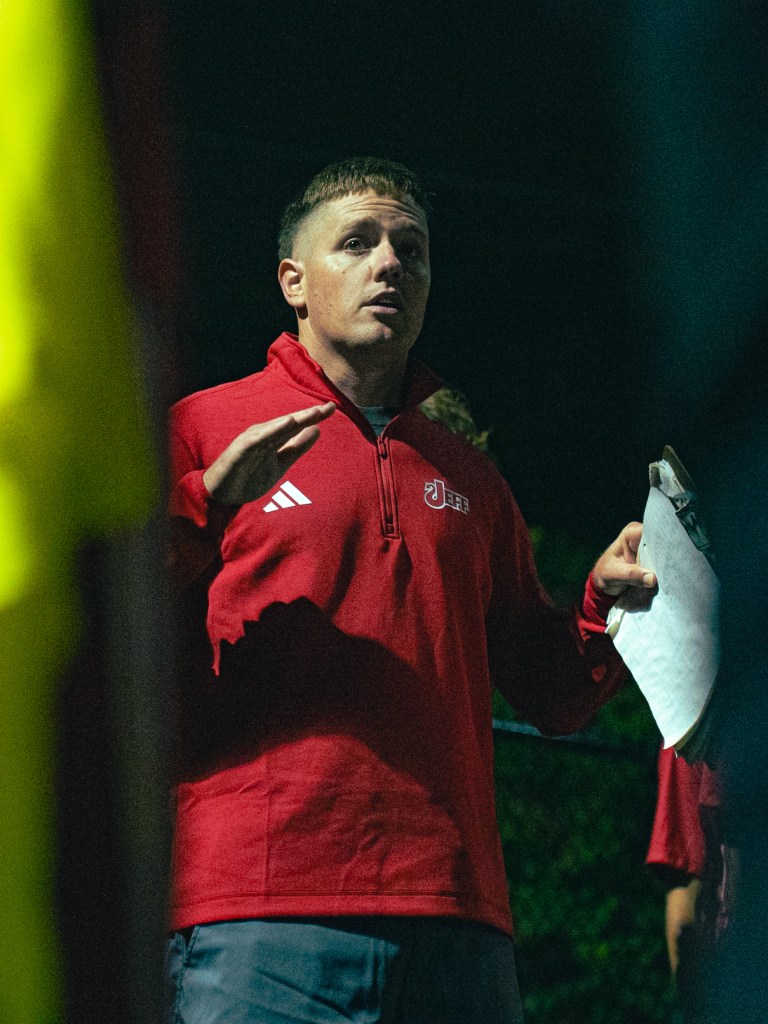
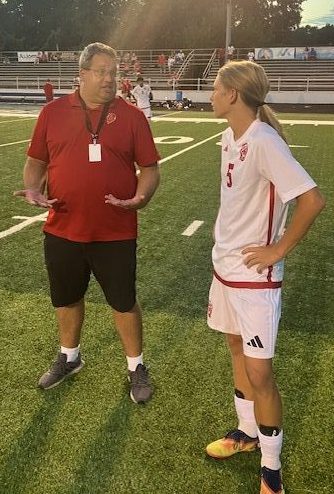
Junior varsity soccer coach Drew Davis crouches down on to the ground to discuss the product of the half with his team. He describes how their Evansville Reitz opponents play and the weakness his players may leverage for their success and what they might improve on in the next half.

“He tells me what to do and we just win games and that’s what it’s all about,” said freshman Ryan McKinley, a JV soccer starter.
Not only does he help them on the field but he teaches them other lessons, especially off the field.
“It’s teaching them to work with others and learning that you won’t win everything, but if you stay the course with the right game plan you will be successful in life,” recounted Davis. “It teaches discipline and responsibility in that you sacrifice stuff for others.”
Coach Davis has been in the soccer program for 13 years. He has also coached at several other schools and played during his high school years.
“I would say when I started to get to high school and would watch games with friends it was more than anything I could really imagine,” remarked Davis.
Out of all the years, though, Coach Davis said that this year is different for the soccer program.
“I think that this team from top to bottom is the best team since I have been here. It’s a marriage of skill and belief,” stated Davis.
This team seems to have something different to it that both the coaches and the players see.
“It is a lot more accepting and a lot more people have come out,” said sophomore JV player Ryland Prichard.
The atmosphere of the teams signifies that there is a different fire this year. Over the years it was building up. The coaches can feel it, and so can the players.
“My goal would one day to be fighting for a state title. You do that by not just winning games, but getting good grades, being a leader,on and off the field, and just being a role model,” stated Davis.
This soccer program has improved under all of those who support it.
Davis said the JHS soccer success has been special, especially in “the years when JV had an undefeated season — which I never thought I’d do — and the varsity season last year as we went as far as I did as a player.”
Coach Davis has brought this program back up higher than ever and he plans to bring it even higher as a teacher, a leader, but especially as a coach.
“I love coaching because I enjoy giving back to others and watching them enjoy the experience I got out of the sport and being a part of a building project, watching it grow and get.”
by Javian DeLa Luz Garcia
Freshman Camron Bell listens intently as head coach Drew Davis instructs the players on what to do during practice.
“I look forward to scoring a lot of goals and making it to sectionals and regionals,” said Bell. He is a part of the junior varsity JHS soccer team. He hopes to be a regular starter in junior varsity, and eventually be a part of the varsity soccer squad.
“I’m proud of how far I made it in soccer, because the level I am at is extremely difficult and hard,” said Bell.
He is a normal kid. He goes to school and he hangs out with his friends; however; one of his main aspects in life is playing soccer. His main passion in life is playing soccer.
“I strive to go pro because it is my dream. It is my passion, I love this sport and I want to go pro in it,” said Bell.
Though he strives to go pro now, he has always had a passion for soccer from an early age.
“When I was three years old, my mom wanted me to try out a sport, so I chose soccer.”
After choosing soccer Bell has fallen in love with the sport of soccer ever since. His coach, Davis, is the one who trains Bell and the JV team.
“I think that he is not someone who tiptoes into challenges. He throws himself into challenges. He puts 110% effort in all factors of the game,” said coach Davis.
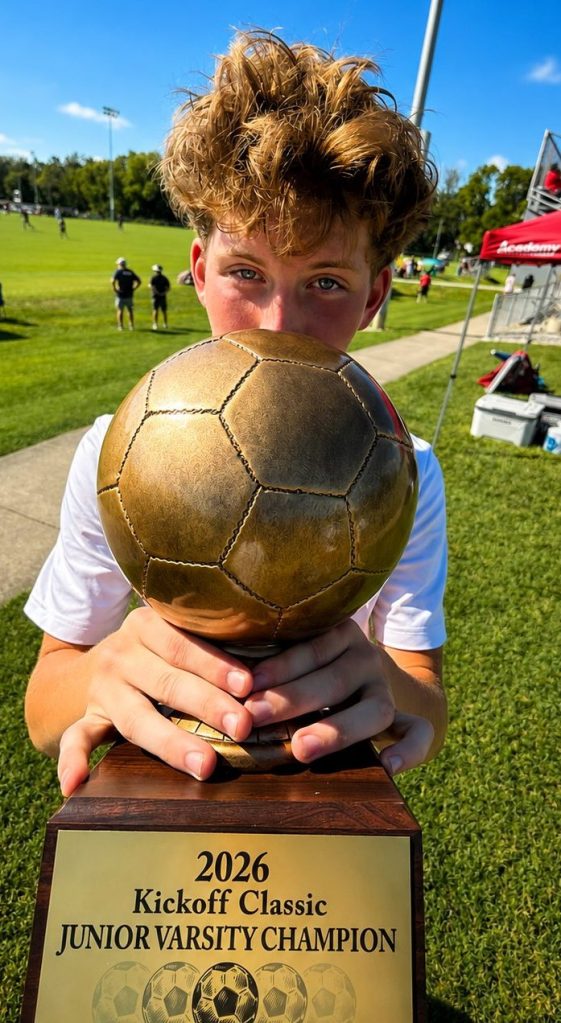
Freshman Cayden Stolte, Bell’s teammate, agreed with Davis, describing him as a good goalscorer for the team.
Although his life mostly consists of sports he also gives effort into school. Bell has to be on top of his school work to be able to play in this soccer team. The school has requirements to be able to play in a school team.
“Nothing below a D and if you have a D you have to have no missing assignments,” said Bell.
Having to deal with both his school and athlete life, Bell finds himself sometimes being overwhelmed by the pressure.
“Balancing them both is hard… because you have to get good grades and study and sometimes they interfere. I study at home, get good grades, and go out and play on the field,” said Bell.
It’s this philosophy that drives Bell towards success in the sport of soccer.
“Never give up, chase your dreams no matter the setbacks. And that life will get hard, just never stop trying.”
by Harper Gordon and Jilliann Denbo
September is designated as National Suicide Prevention Month to raise awareness, reduce stigma, and share life-saving mental health resources. Statistics from the CDC show that over 49,000 people die by suicide annually in the United States. Suicidal thoughts appear more often than most think; we all need to look out for and help others no matter what. Luckily, many help lines and organizations are available whenever we need them.

¨Organizations like SAMHSA and NAMI use September to teach warning signs, promote evidence-based treatment, and remind people that support is available 24/7,¨ stated the National Alliance on Mental Illness.
Mental health is something that is treated as such a taboo subject, but it shouldn’t be. It’s something people struggle with every day, and it should be normalized to talk about it.
“Suicide is still too often met with silence, stigma, or shame. At NAMI, we believe that silence should never be the response to someone’s pain. That’s why we’re working tirelessly to change that. This September, you can be the difference,” stated the National Alliance on Mental Illness.
Sources for help can remain completely anonymous, meaning the people helping will not need to know names unless the caller is in complete danger.
¨The purpose of 988 is to provide a free, confidential, 24/7 988 Suicide & Crisis Lifeline for anyone experiencing mental health-related distress, emotional crisis, or substance use issues,¨ stated SAMHSA.
We must never be afraid to ask for or get help when we need it most. Always look out for people struggling; they’re most likely a lot closer than we think.
My name is Jilliann Denbo, and I used to struggle with many thoughts of suicide. I never felt like I belonged anywhere and that every single person was against me; even my parents.
I never understood what reaching out for help would mean; I always thought I was weak or not worthy of life if I actually asked for help. When my mental health started to get noticeably bad, my parents asked if I was okay. I denied it until I couldn’t anymore, which made almost everything much worse. But when I finally accepted help, the weight lifted off my chest; I could talk to people who could help me get back on the right path. With the help I received, I could breathe again. I will forever be grateful for the people who were right by my side to make sure everything was okay.
While talking to someone may seem awful, it truly is the right thing to do, no matter what it is. There is always someone to reach out to.
My name is Harper Gordon. I used to struggle heavily with suicidal ideation. I thought I had no belonging anywhere, and I constantly felt alone. In eighth grade, my best friend Dorothy unexpectedly passed away.
After that, I thought there was no getting better; I lost my person, and I constantly felt disconnected from everything. I always tried to act okay and act like I wasn’t struggling. I didn’t want anyone to worry about me; I always felt like everyone else had bigger problems. My family and friends eventually started noticing how much I was struggling. They all tried to help, but I pushed them away because I thought I’d be better without their help.
I wasn’t ready to admit I needed help; I didn’t want to admit it. But in the end, when I realized we can’t get better without help. When I needed them, they were all still there.
Never be scared to reach out and ask for help; someone’s always there.
¨If you or someone you know is struggling or in crisis, help is available 24/7. Call or text 988 to reach the Suicide & Crisis Lifeline in the United States and Canada,¨ stated News Center.

All photos by Malachi Conrad and Eva Harbeson.
by Kori Washington
For some students, getting through the school day isn’t just about worrying about grades and homework. They may worry about their next meal or if they even have decent clothes to wear the next day.
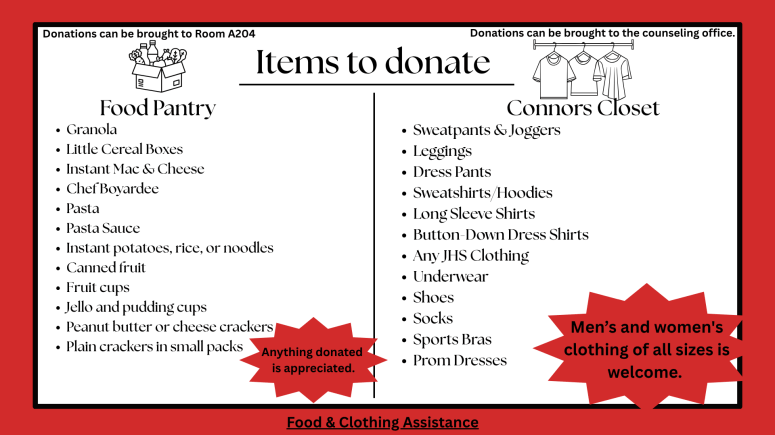
That’s where JHS Connor’s Closet and Food Pantry comes in, giving students the resources they need and minimizing some of their stress.
Though the school has offered these resources for many years, many students still don’t know they are available.
“I wish more students could have access to it. We tried to start a Google Form last year, where students could send in the food they needed, but not many students knew,” said food pantry sponsor Michelle Houchin.
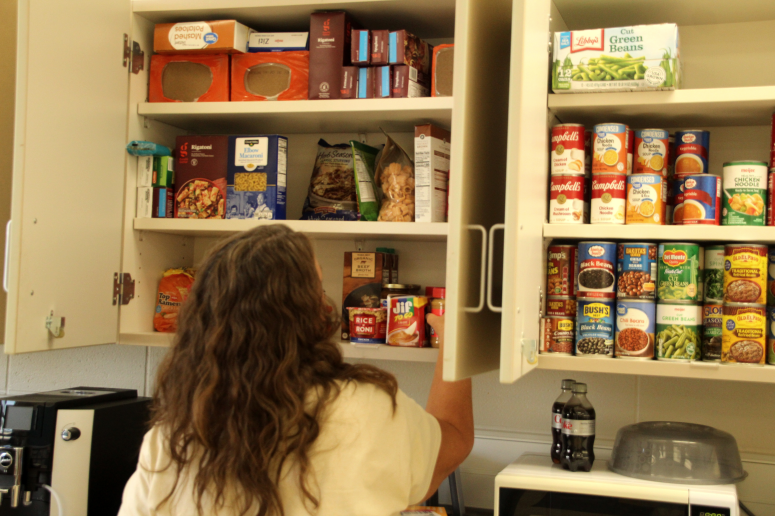
For families facing financial challenges, these resources can give support when everyday necessities become hard to afford.
“If families face hardships and can’t afford clothes, this is an opportunity to help our students and their families. And the same goes for the food pantry, especially with prices going up; we just don’t ever want kids or their families to go hungry,” said principal Pam Hall.
But for many staff members, providing these resources isn’t just about feeding and clothing them; it’s about seeing the difference they can make in their lives when they just give them a little help.
“The most rewarding part is seeing the families that we helped supply food for a month or two while parents got back up on their feet come back and are usually the first to give back,” said Hall.
While having these resources can make a big difference for families having financial issues, not having them can affect students beyond their lives at home.
“Students may not have the time or resources to purchase items or receive basic needs. This closet can help alleviate daily stress, anxiety, or the uncertainty of challenges that present themselves without having to leave school,” said Connor’s Closet sponsor Jennifer Mitchell.
But having these resources doesn’t mean that students always feel comfortable asking for them. Some may feel ashamed or embarrassed, but the staff is here to make it as discreet and as comfortable as possible.
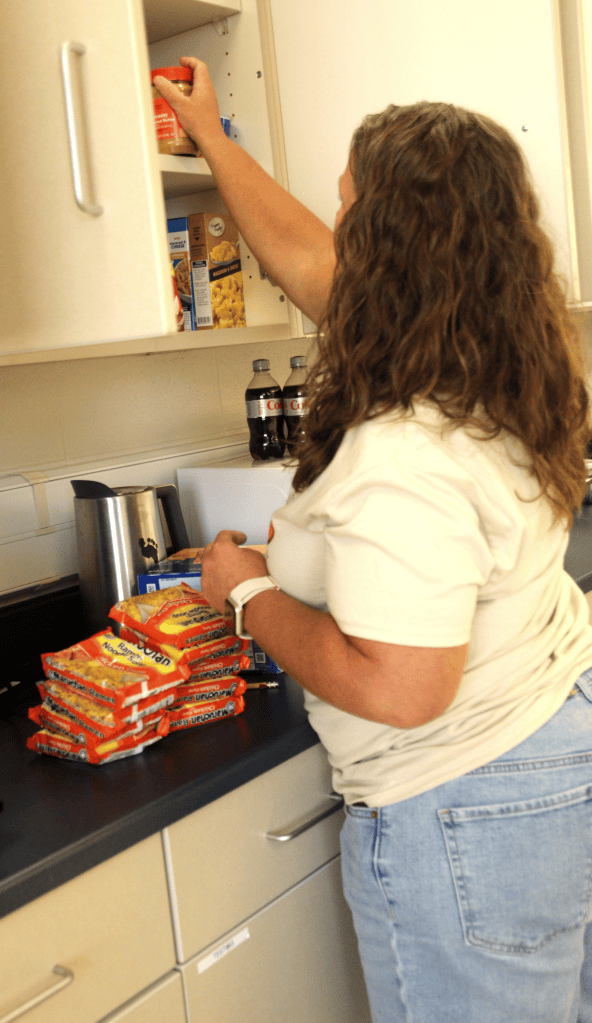
“I know a face-to-face conversation might be difficult for a lot of students. So they could email a trusted teacher or somebody that they have a connection with. Teachers are not going to judge you for not having access to food,” said Houchin.
These resources do more than just provide students and families with food and clothing — they help take away challenges that can make it hard for students to focus on school.
“If you’re hungry, you want to be able to concentrate. It can make you tired and can make you grouchy. It makes it even harder to be a student when you don’t have access to food or clean clothes,” said Houchin.
While these resources have already made a difference in many student’s lives, Hall plans to add more resources to give students even more support.
“One thing I would love for us to open is a laundromat here on campus that students could use sometimes. I would love to get that up and running because, you know, laundry is expensive, and not everybody’s home has a working washer and dryer,” said Hall.
by Bryce Treat
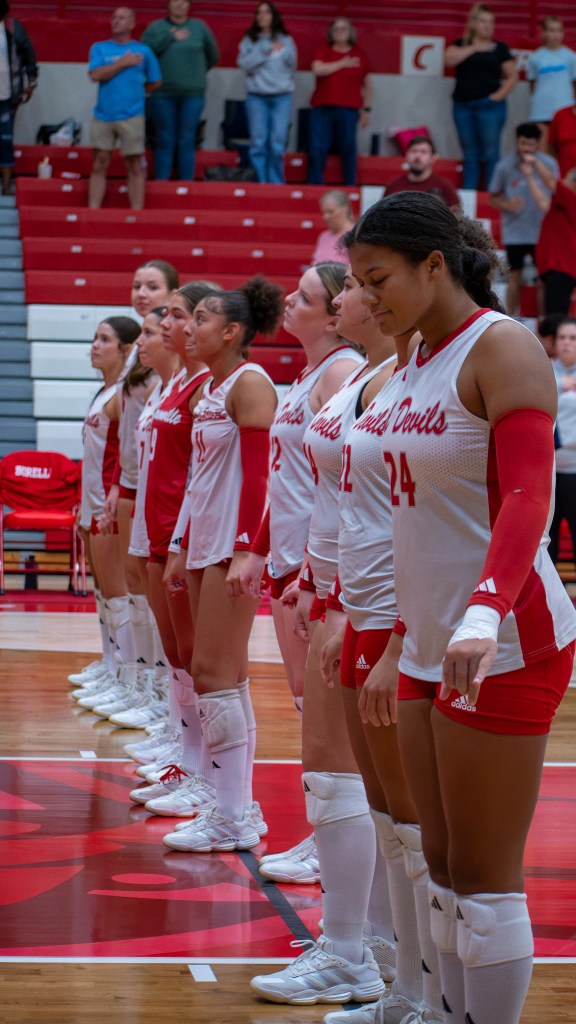
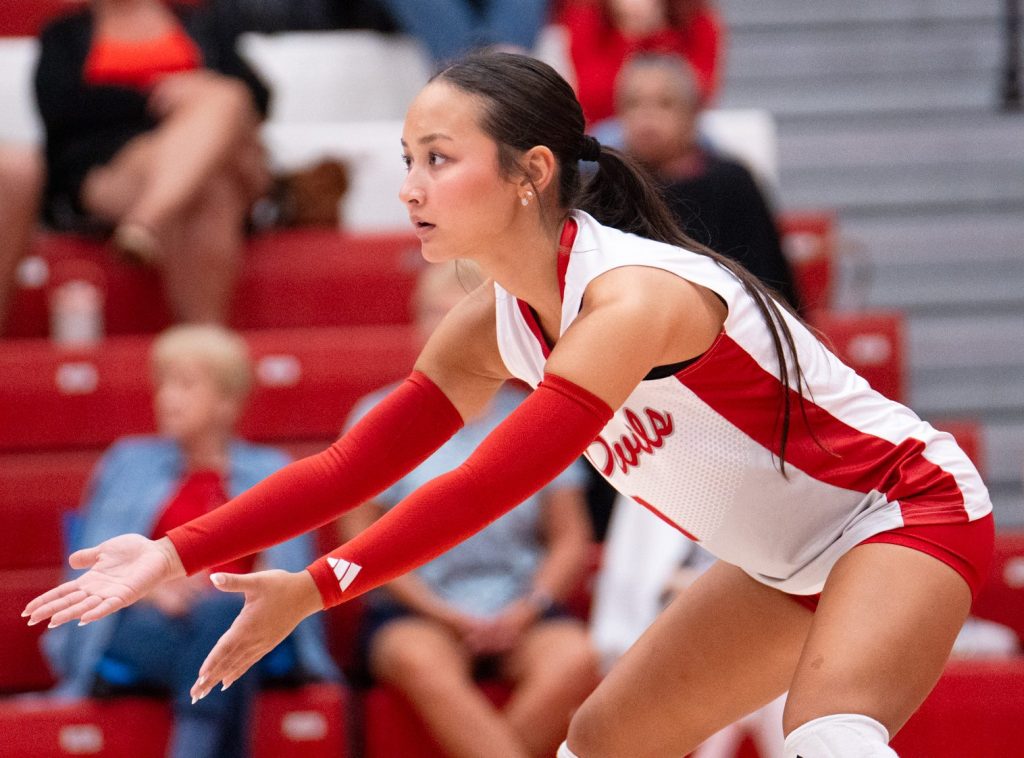
For coach Wes Briscoe, volleyball is about more than winning games. As the JHS head boys’ and girls’ volleyball coach, he focuses on helping athletes grow through challenges, build confidence, and become the best versions of themselves.
Now in his ninth season coaching the girls’ volleyball program, Briscoe believes growth happens when athletes push beyond their comfort zones. His philosophy is reflected in one phrase that players across the program immediately recognize: “Be a jungle tiger.”
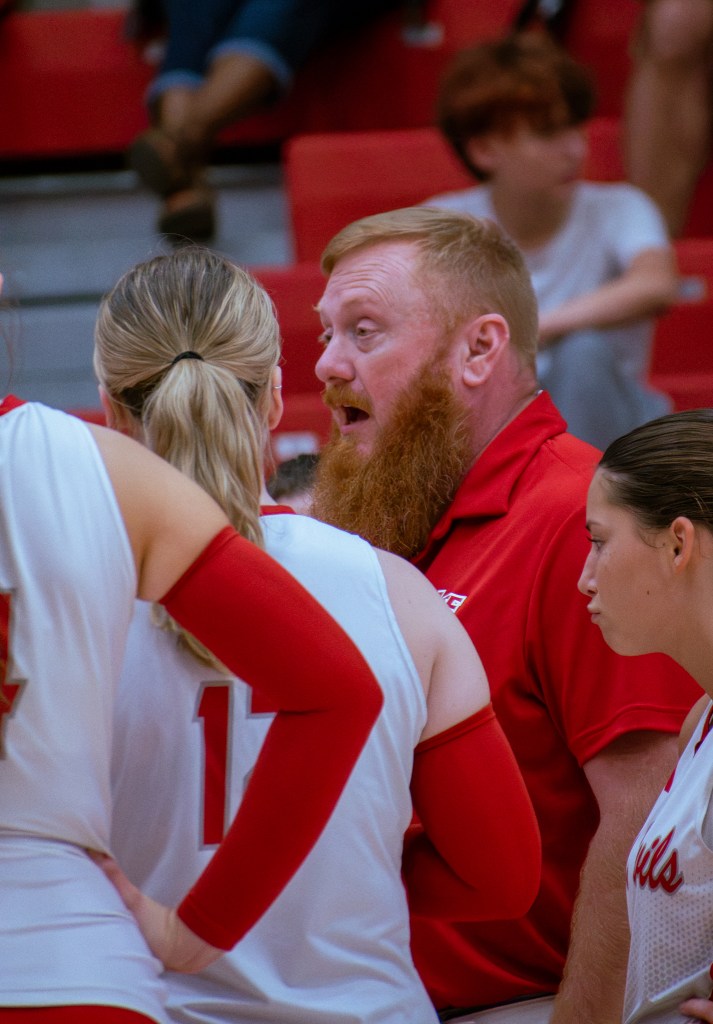
His coaching journey began long before arriving at JHS. As a high school student, Briscoe helped coach youth sports before taking his first official coaching position at Corydon Central. Through those experiences, he learned that no two athletes are exactly alike.
“It’s more about knowing what the specific athlete needs and coaching them to be the best version of themselves,” he said.
Briscoe often encourages athletes to embrace difficult situations rather than avoid them. He believes the most growth occurs when players are willing to challenge themselves and learn from mistakes.
That message has stuck with many of his athletes. Junior Samantha Dues explained that one of Briscoe’s most important lessons is that mistakes are part of the learning process.
“He reiterates how we all make mistakes, but we know how to learn from them,” Dues said.
Briscoe’s focus on growth extends beyond volleyball skills. One of the most important lessons he shares with athletes is simple:
“Doing the right thing is never the wrong thing.” He hopes players carry that lesson with them long after their playing days are over.
Junior Ryder Lott described Briscoe’s coaching style as a balance between giving players independence and helping them improve when needed. More importantly, Lott said Briscoe stands out because of the connections he builds with athletes.
“He has a relationship with all the players. He cares about all his players,” Lott said.
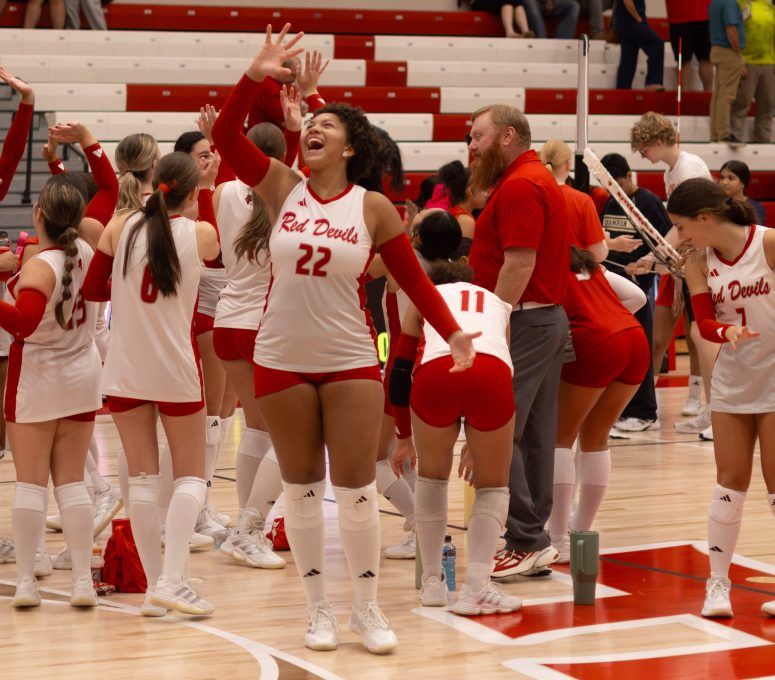
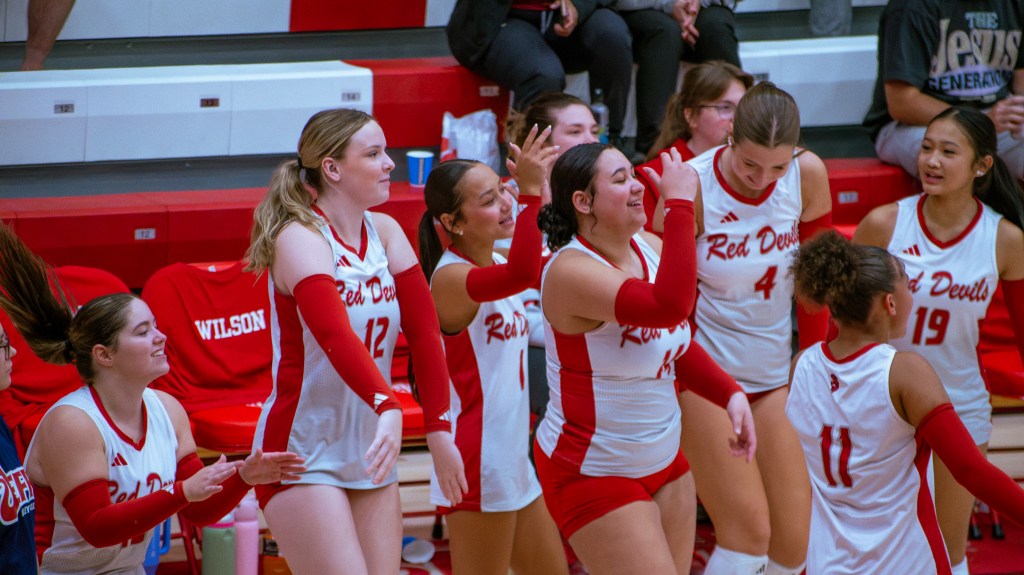
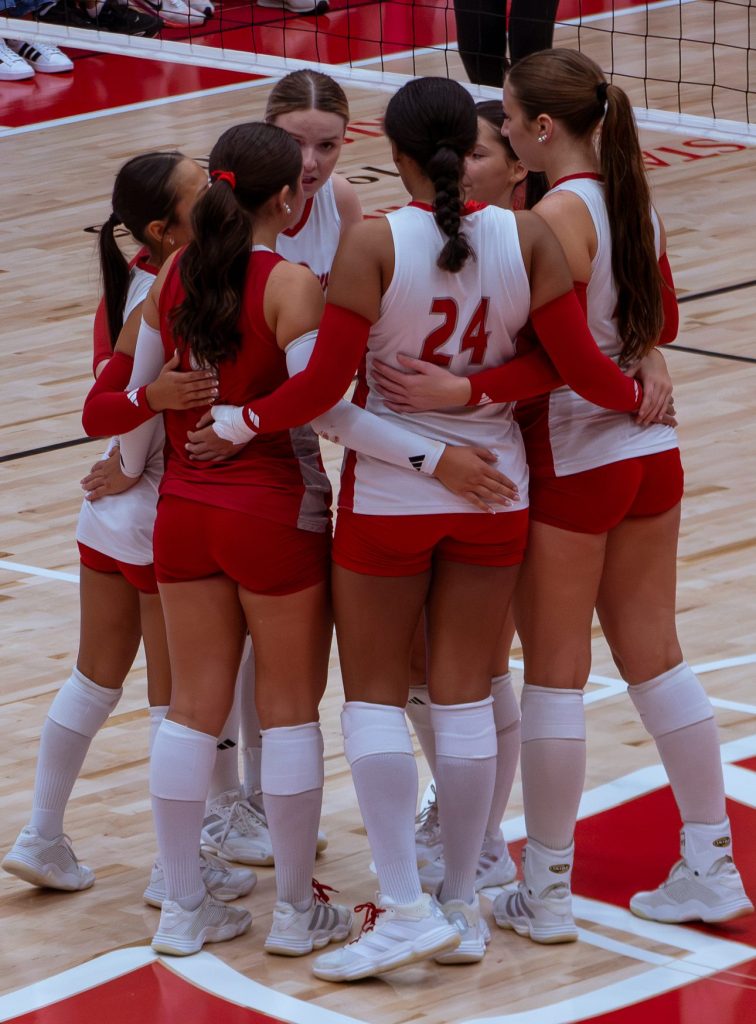
The culture Briscoe has created within the volleyball program extends beyond practices and matches. Dues noted that after every match, players are encouraged to compliment a teammate, even after a loss. The tradition helps build team chemistry and reminds players to support one another regardless of the outcome.
Junior Caeley McDaniel described practices as strict but encouraging. She credits Briscoe with helping her stay motivated and encouraging her to be kinder to others. She describes Briscoe in three words: “loud, determined, and spunky.”
When adversity strikes, Briscoe encourages athletes to persevere rather than give up. His influence can also be seen in the confidence he gives his players. Dues recalled a memorable moment during her sophomore season when he trusted her to contribute during sectionals despite having less experience than some of her teammates.
“He had the confidence in me to perform for my team during sectionals, even when I had less experience than the others,” she said.
For junior Caleb Solmon, Briscoe’s success is evident in the growth of the program itself. Watching varsity players develop has motivated him to improve his own game, and he said Briscoe has helped transform inexperienced athletes into successful competitors.
“He’s made people who have never played volleyball become state contenders,” Solmon said.
Of course, players also remember Briscoe’s lighter moments. Solmon recalled one memorable incident when a player had to run 35 laps after catching the volleyball twice during a game, a story that has become part of team lore.
Whether he’s reminding athletes to be a “jungle tiger,” encouraging teammates to support one another, or helping players develop confidence in themselves, Briscoe’s impact extends far beyond volleyball. Through his leadership, Red Devil athletes continue to grow not only as players, but as people.
Photos by Isaiah Stewart and Logan Vidt.
by Natalie Creagh
Country music singer and songwriter Dolly Parton sadly passed away on August 25, 2026. She was 80 years old. Parton was so much more than a music icon; she was a philanthropist, an inspiration, and a true treasure to the world.
Dolly Parton’s Life
Born Dec. 19, 1946 as one of 12 children, Dolly Rebecca Parton lived in the Smoky Mountains in a one-room cabin in Locust Ridge, Tennessee. The family lived in poverty. Throughout the 1950s Parton starred on different radio stations and television programs as well as publishing her first single “Puppy Love” and making her debut at the Grand Ole Opry at just 13 years old.
Into the 60s Parton signed her first record deal with Monument Records. In 1966 she married her husband Carl Thomas Dean, and the two were together for six decades. A year later Parton released her first album, “Hello, I’m Dolly,” with her country single, “Dumb Blonde.”
In 1970 Parton was nominated for Best Country Performance in Duo or Group with Porter Wagoner for “Just Someone I Used to Know.” In November of that same year “The Best of Dolly,” Parton’s first Greatest Hits album, was released. Throughout the rest of the decade Parton earned her first Solo Grammy Nomination, as well as releasing some of her most iconic songs, including “Coat of Many Colors,” “Jolene,” and “I Will Always Love You.”
Into the 1980s, Parton released the album “9 to 5 and other Odd Jobs,” as well as starring in her first film “9 to 5” as Doralee Rhodes. The film was later turned into a musical in 2009. She also starred in “The Best Little Whorehouse in Texas,” “Steel Magnolias,” and “ Rhinestone,” where she starred alongside Sylvester Stallone. Parton also starred on Saturday Night Live as both host and musical guest. On June 14, 1984, Parton earned her star on the Hollywood Walk of Fame. On May 3, 1986 Parton’s theme park, Dollywood, opened in Pigeon Forge, Tennessee. The park was a huge hit and is still around today.
In 1988, Parton started the Dollywood Foundation, which initially was to offer scholarships to high school students. She also created the Imagination Library, where children up until past the age of 5 could receive a free book monthly. The library expanded and is available to children across America, Canada, Australia, Ireland, and the United Kingdom. She was also a huge advocate for human rights throughout her life.
Parton’s Influence
The news of Parton’s passing affected the community, and fans discussed her music and contributions.
AP U.S History teacher David Russell said he was introduced to Parton’s music as a child.
“I think she’s an all around good person who wanted to do good things; I like her music.”
Senior Wyatt Clements agreed that Parton was an icon.
“As an ex-Kentuckian, you can’t escape her music. I never got to visit her park when she was alive,” he said.
Sophomore Bella Roman described Parton as inspiring, adding, “My whole family listens to her.”
And after hearing of Parton’s passing, junior Kristopher Bonilla said, “I didn’t believe it at first, but the more I heard about it I was pretty upset.”
Principal Pam Hall said Parton’s legacy extends beyond her music.
“I love everything she stood for,” said Hall. “She was an advocate for women’s rights and human rights. She also donated millions quietly, I think that really speaks to her character.”
It is safe to say that Parton’s legacy has inspired many people of different generations. Her kindness and creativity were truly unforgettable. She was a music icon and continues to make people happy through her music, style, and positivity.
by Carter Glotzbach
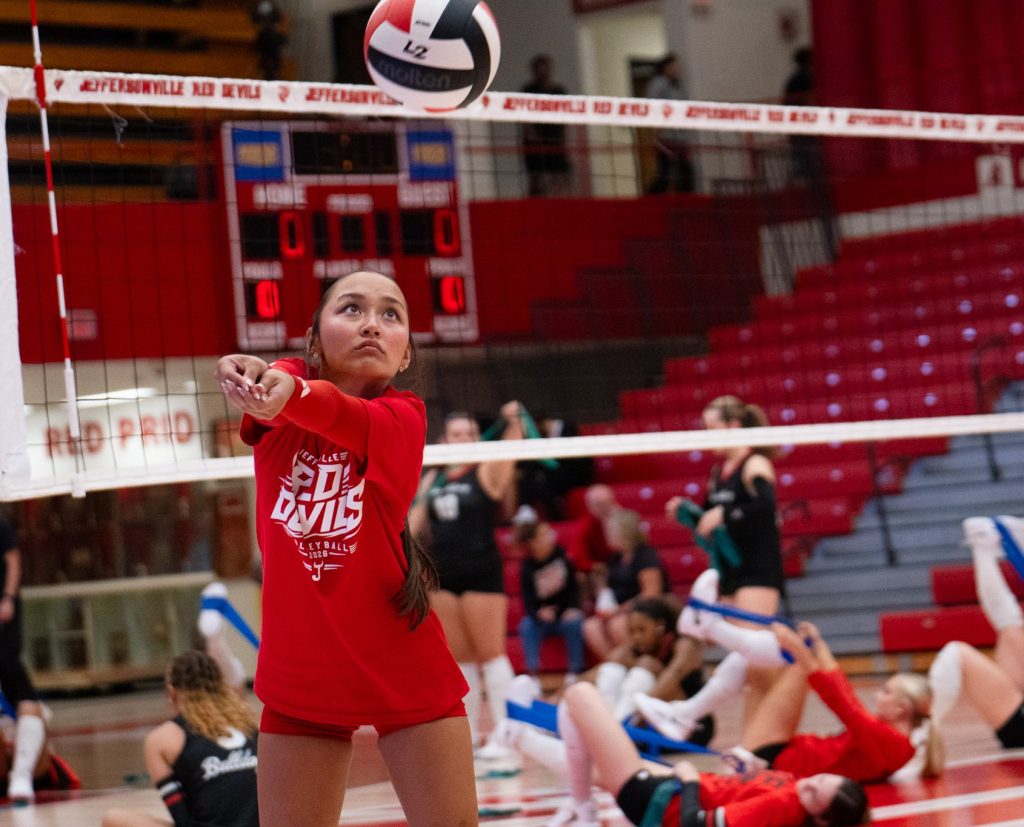
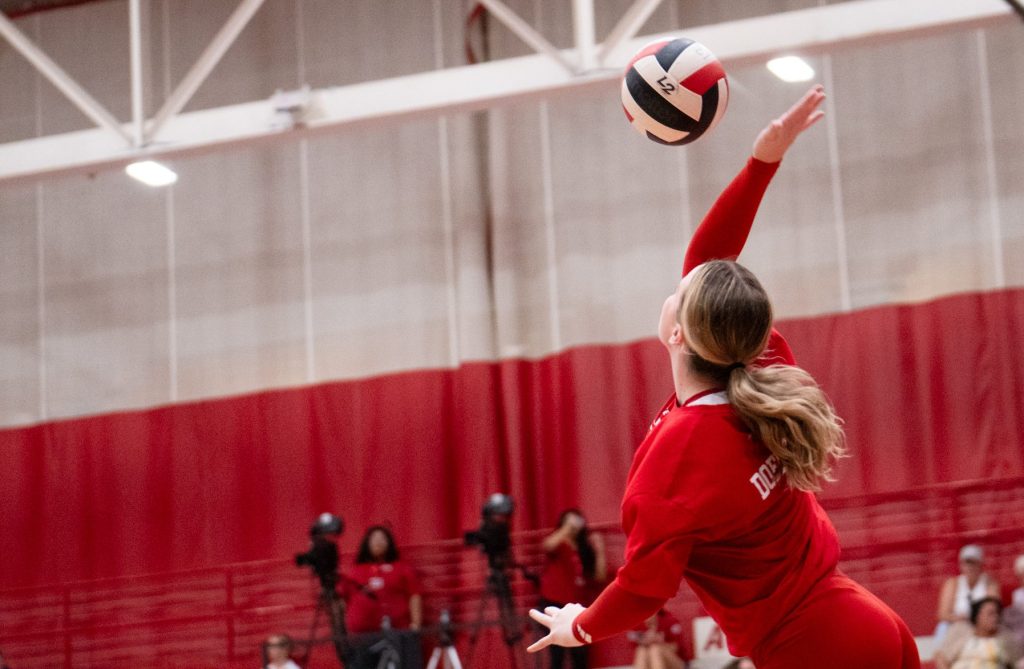
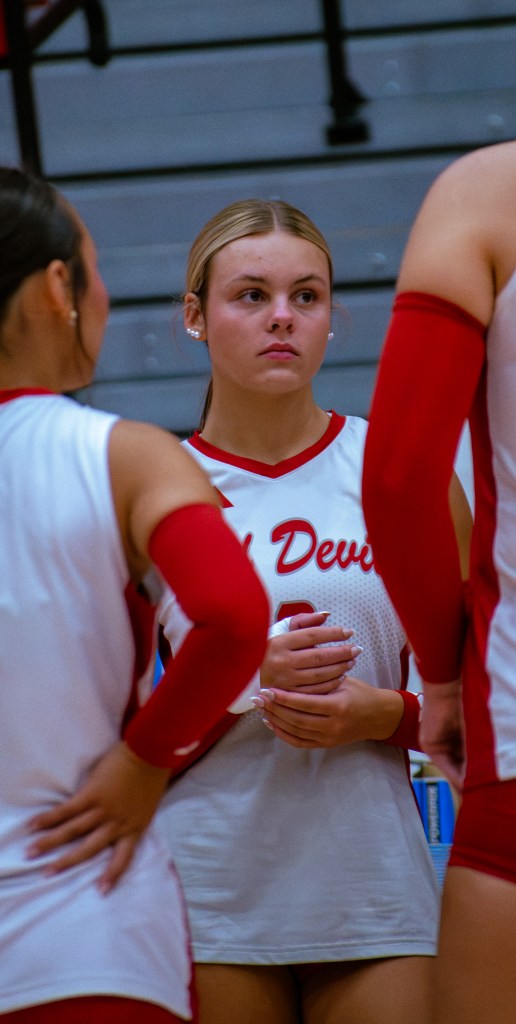
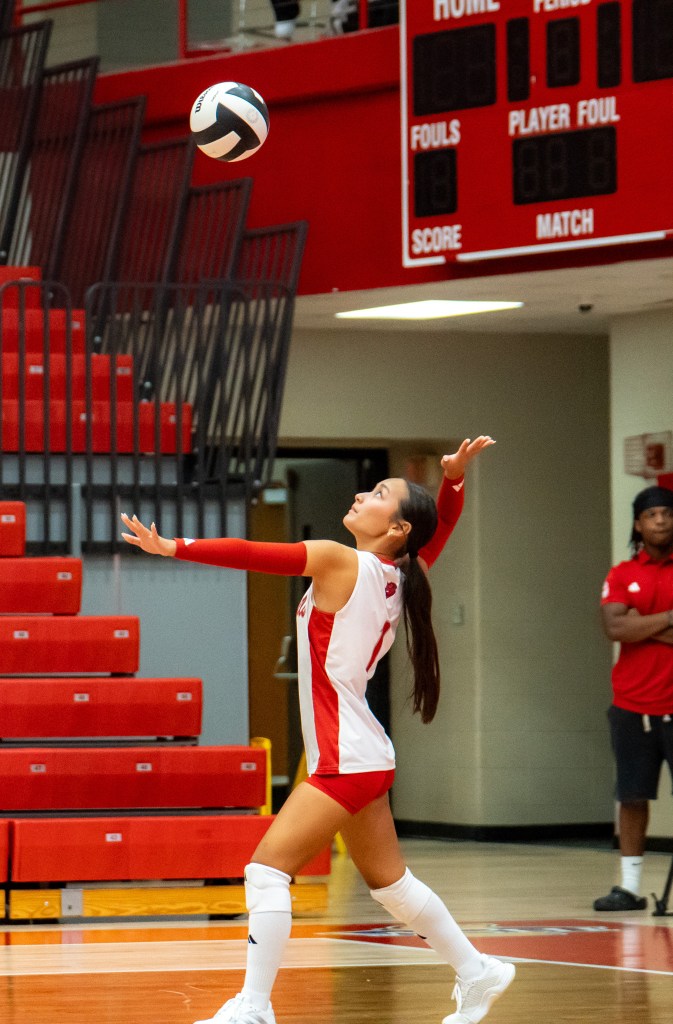
This past year JHS girls’ volleyball had one of their best seasons yet, and with a solid start to this year’s season and rival New Albany visiting tonight, it’s clear that the young team is ready to grow up.
Head coach Wes Briscoe sees new potential for growth in this year’s team.
“This year’s team is one of my favorites, but it’s really hard to say how they stack up to last year considering how young they are. I also think that you’ll see some breakout seasons from new key players because they’re not having to wait behind older ones,” said Briscoe.
Managers like junior Ryder Lott agree with the head coach’s sentiment.
“I think the team is really young, but working with them I see a lot of potential in them,” said Lott.
While a younger team is usually viewed as a disadvantage, some see an opportunity. Assistant coach Mackenzie Wilkins said a younger team often provides best opportunity to teach new skills.
“A younger team is a gift, in my opinion, because they are much more willing to learn and try new things,” she said.
Junior Kaylee McDaniel states the team is unified despite the youth.
“I think our team is definitely younger, but we have a much stronger bond and are more willing to play as a team,” she said.
Junior Haliun Otgonbayar agrees that the Red Devils have an exceptionally strong connection this year.
“We definitely are a tighter knit group and have a closer bond with each other. I think that definitely makes us more dedicated to the team,” said Otgonbayar.
Coach Briscoe recognizes the team’s unity, stating, “I’ve seen it a lot during practice. This year’s team has a much stronger bond than last year’s, and they are definitely more willing to play as a team.”
Players will rely on these bonds as they face local competition this season.
“Some of our biggest competitors are always at the Providence tournament, and last year they gave us some great competition. This year I hope we can make it further than last year’s team, but we’re still really young,” said Briscoe.
The Red Devils understand the strength of their schedule.
“Providence is definitely a team to look out, for as well as New Albany, Charlestown and Floyd Central,” said McDaniel.
“I think that Floyd Central and New Albany are definitely the biggest competition that we have this year,” added Otgonbayar.
Coach Briscoe sees the possibility of break-out performances this season.
“I would keep an eye out for Kaylie Fuller,” he said. “She has shown a lot of potential in practice and could definitely be a high-level player with a few years of work. She’s a great practice player.”
Leadership from team veterans is expected as the volleyball team continues to play in the coming weeks.
“Jordyn Miller is a player I expect to do well this year. She’s a multi-sport athlete, but she’s definitely been working hard to earn her place on the team. Another player with good work ethic is Charlotte Hatfield — she has shown a lot of potential and worked hard in the off-season,” said Briscoe
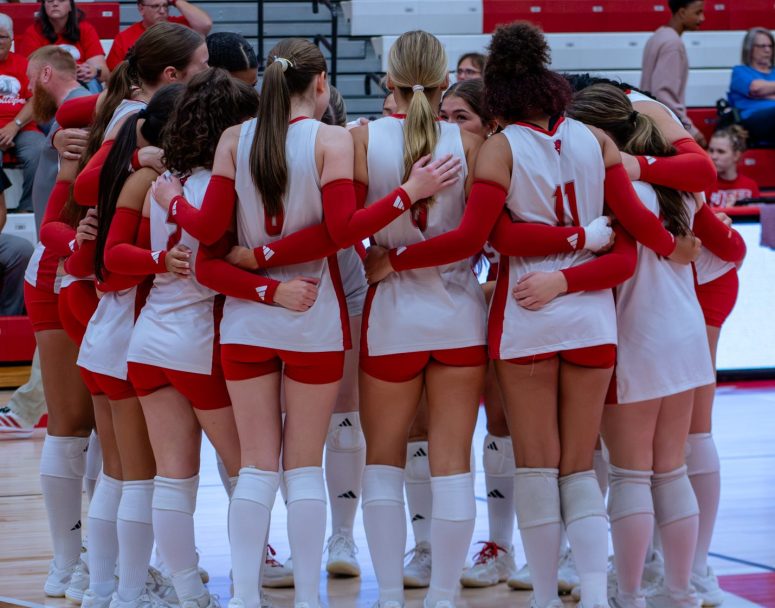
Lott said consistent play will be important as the season continues.
“I see a lot of potential in the team offensively, but I think they need to work on their consistency. If they can keep it up throughout the sets then I think they could have a top tier offense.”
JHS faces New Albany at home tonight, and will visit North Harrison on Sept. 21 before hosting Floyd Central Sept. 29.
by Raven Baker
The JHS Junior Reserve Officers’ Training Corps (JROTC) program has its own sense of community and discipline.
Students train and test on military-related activities to help with starting a future in the military. Cadets also proudly wear their uniforms every Wednesday for a grade – they begin with the blues and can earn their ABU uniforms.
Cadets learn valuable life skills, teamwork, and leadership, which prepare them for both future military service and civilian life.
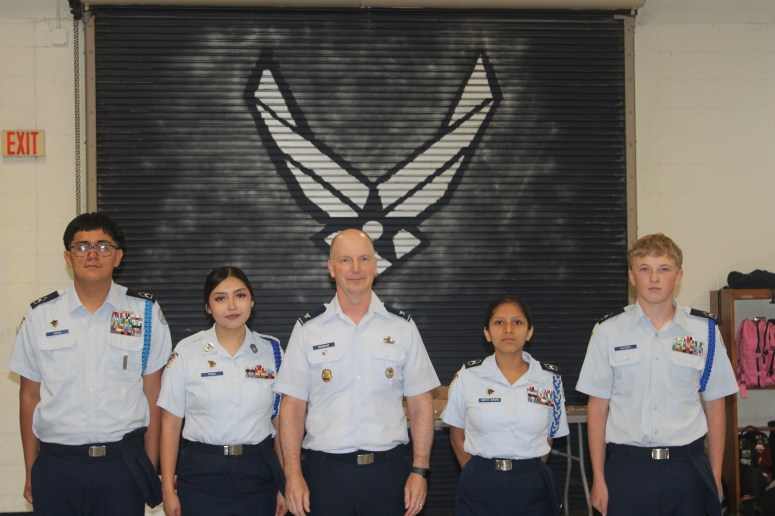
Col. Robert Benning said uniforms are important to the tradition of the program.
“The purpose of school-issued uniforms for Junior Air Force cadets is to instill customs and courtesies, ensuring they learn to properly and proudly adhere to military standards,” said Benning. “The uniforms serve as a tool for education, preparing students for potential military careers by getting them familiar with regulations and expectations.”
Benning described several different uniform types.
“Students learn different uniform types like the OCP, which replicate active-duty wear. They also have their ABUs, which you earn with hard work put into the class.”
In addition, Benning said uniforms are tied to the grading system, “where older students grade younger ones on their uniform based on standards, which shows the importance of precision and regulation. The uniform is a key component in developing discipline and a sense of belonging within the JROTC program.”
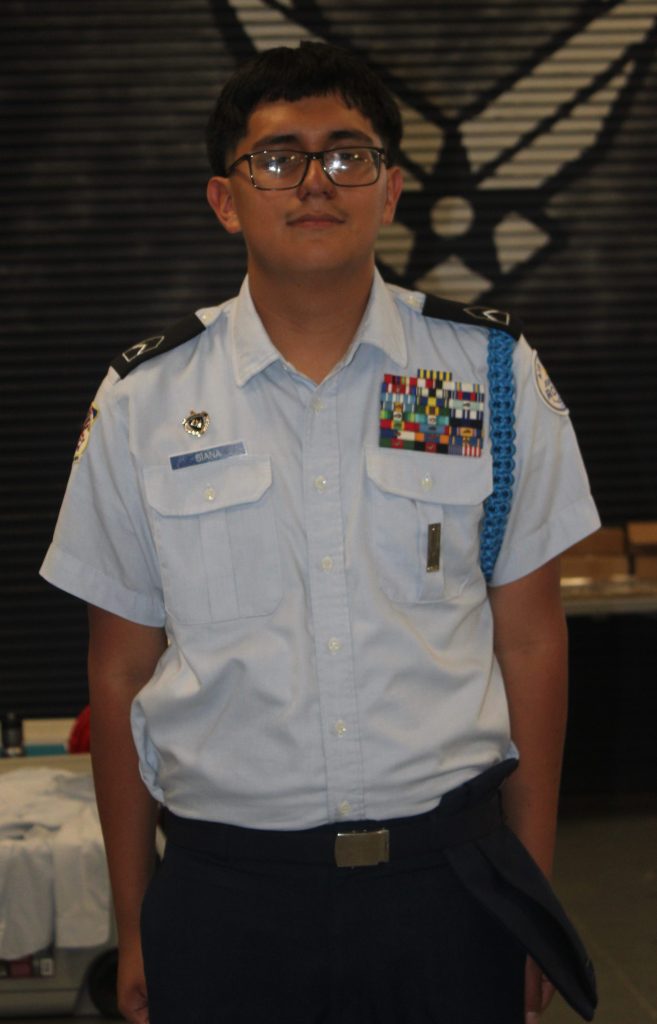
Junior Angel Siana, Cadet Second Lieutenant
“I feel okay about the uniforms now that I’m more comfortable, though I was a bit self-conscious at first. It’s important for uniforms to be correct to set a good example for others. The uniform check is a bit lenient, but it’s preparing me for discipline.”
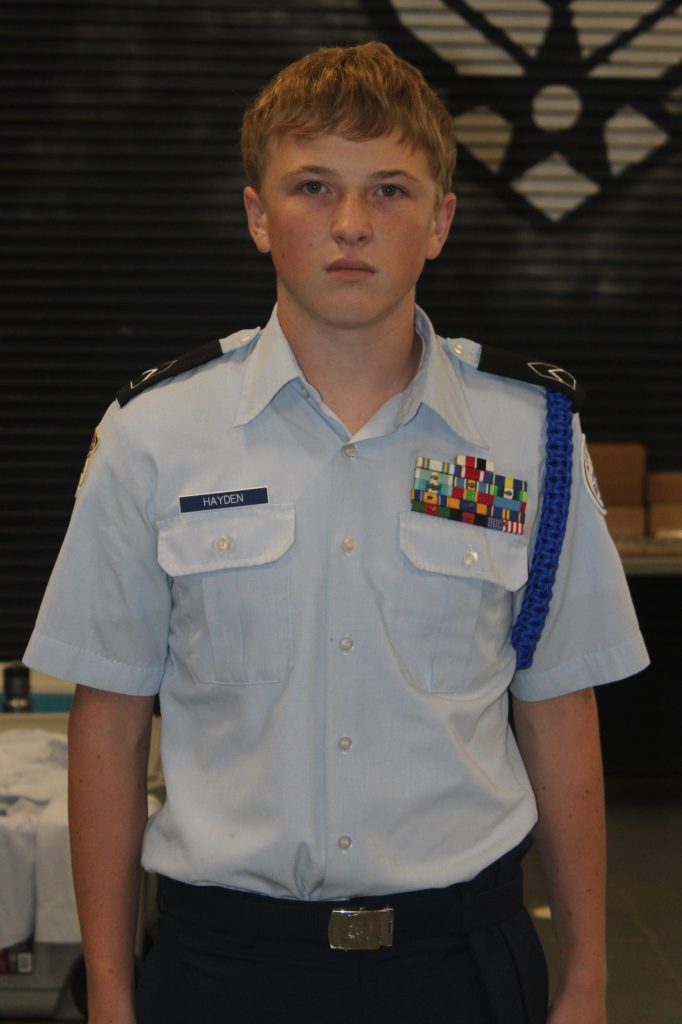
Junior Kameron Hayden, Cadet Second Lieutenant
“I find the uniforms comfortable, and they help me feel ready. It’s important to wear them correctly to show respect and be a good example. The uniform check is pretty simple, and it’s preparing me to be organized and disciplined.”
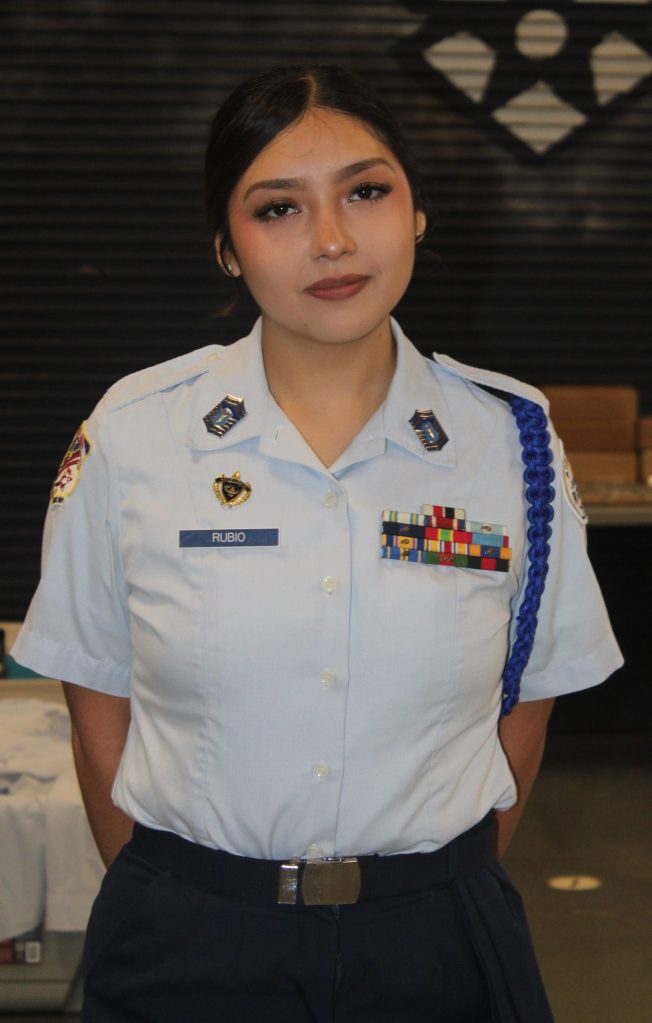
Junior Wendy Rubio, Senior Master Sergeant
“The uniforms aren’t bad, and I’m getting used to them; they help me with responsibility. It’s important to have them correct to show respect for the uniform and follow the rules. The uniform check requires a decent effort, and it’s preparing me for military experience and neatness.”
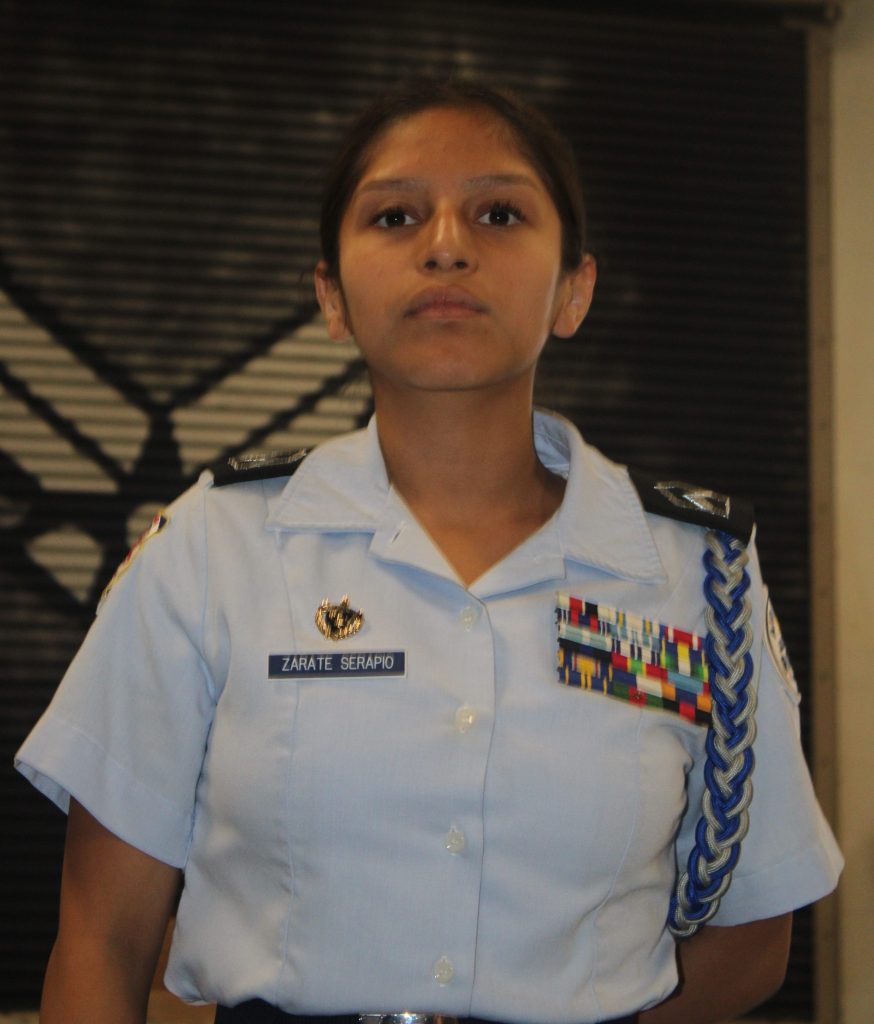
Junior Jocelyn Zarate, Junior Cadet Major
“The uniforms are not too bad, and I feel a bit competitive about them. Having them correct is important for assignment grades and helps me weekly. It prepares me for the future in the Air Force, and I’m part of JROTC for community service and field trips.”
Benning said the JROTC program is a class to build up discipline and physically prepare students to be ready for the military, or help them start their future. The uniforms serve the purpose of giving encouragement to students on learning discipline and how to be neater, which are positive traits to obtain.
Benning wants his students to wear their uniform with pride, but also properly. The uniforms also serve as an educational tool. Students enjoy their uniforms knowing they’re the example for the underclassmen. They show respect to the purpose while also being comfortable.
All photos by Ashton Walcott.

