by Breslyn Dozal
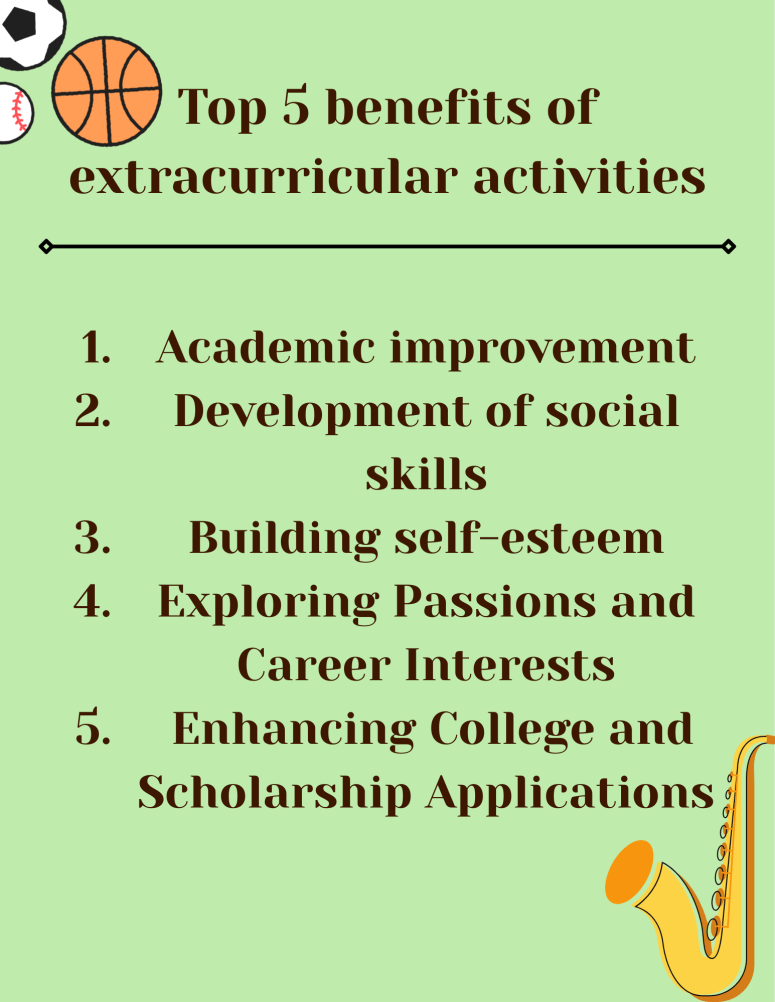
Extracurricular activities offer students crucial lessons in teamwork, discipline, leadership, and resilience, helping develop skills outside of just academics.
High school is full of opportunities. Some of those opportunities are extracurricular activities. Most extracurricular activities are after-school activities, but in some cases they can go on during school.
Many students have found that extracurricular activities build up their confidence and decrease social anxiety. They build up many skills such as communication, problem-solving, and adaptability. Extracurricular activities can be sports or clubs.
“Confidence, it helped me through soccer and it made me a better player,” said freshman Jacqueline Escobar, who plays club soccer, not related to school. She added that playing a sport outside of school has helped her with time management with her school work by having to balance practices, games and school work simultaneously.
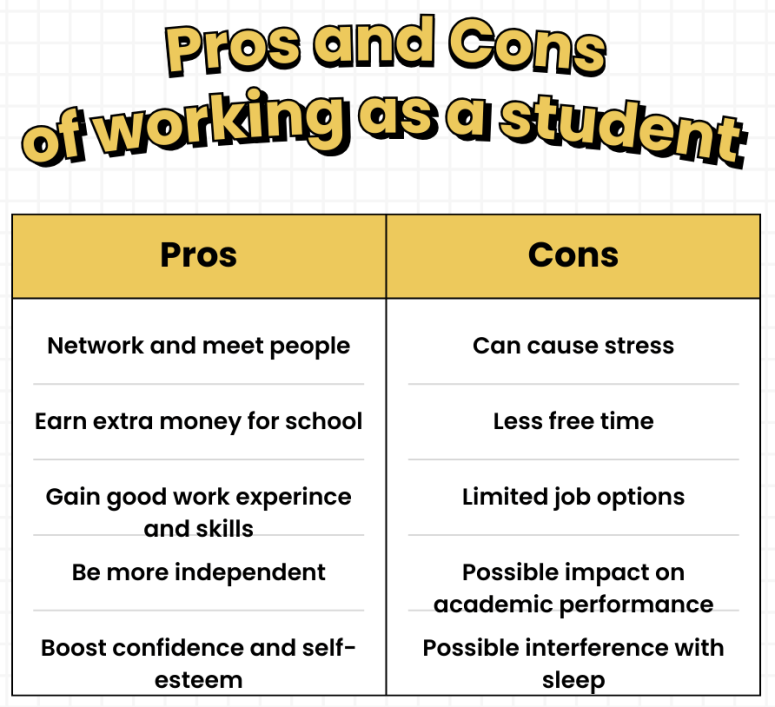
Senior Kendall Curry agreed that participating in extracurricular events has helped her find balance with not only clubs and school work, but also with working at her job. In all these areas, Curry said that she was around diverse groups of people. Because of this, she learned how to work among a variety of individuals from different backgrounds as hers.
By participating in extracurricular activities, students can also gain insight into fields of interest they may want to pursue in the future.
Curry learned from being a football manager that she will likely pursue a career working in sports.
Freshman Alayla Hickerson learned by being in band that she would like to continue it in college and maybe as a career.
Special life skills can be derived from participation in extra curricular activities as well.
Freshman Eva Harbeson appreciates the marksmanship skills she has learned in JROTC. She said that she likely won’t use those skills in a future career, but she is glad she can protect herself for knowing them now.
Curry, Hickerson, Escobar and Harbeson all described common lessons they learned from participating in extracurricular activities: they gained confidence, time management skills, and the willingness to try new things.
All of these skills are useful in future goals outside of high school, proving how beneficial extracurricular activities can be.


 thehyphennews.com