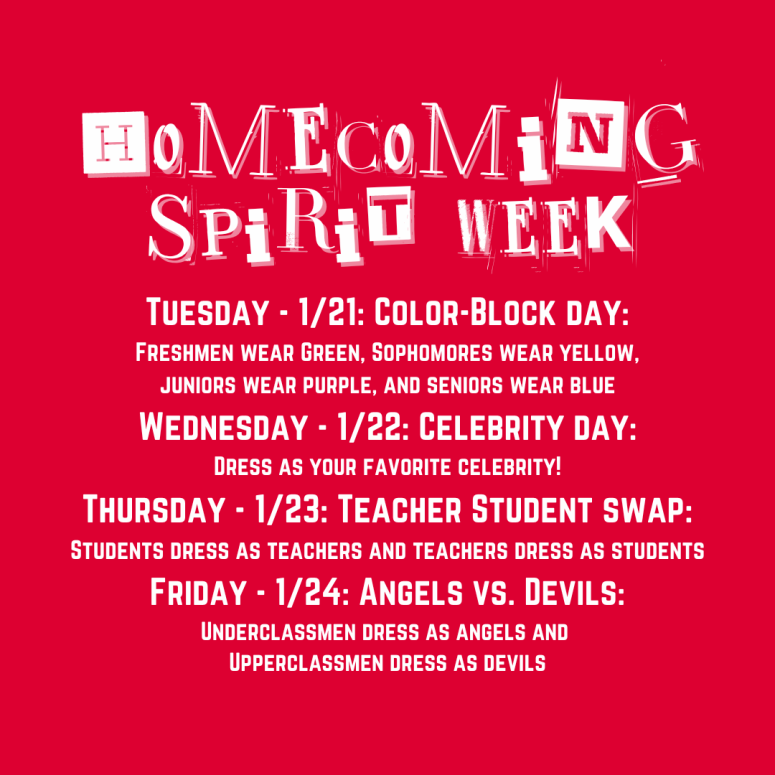
Student Council announced this week’s Spirit Days.
Crowning of the Winter Homecoming King and Queen takes place during halftime of the boys’ varsity basketball game against Center Grove this Friday, Jan. 24, according to academy coach Natalie Woods. Tip off is at 7:30 p.m.
Special education Chloe Merkle, who helped plan the festivities, said, “Be there, be happy, and enjoy your time.”
Update, Friday Night: Kaylea Beauchamp is the 2025 IHSAA Inaugural Girls’ State 135-lb Runner-Up.
Update, 4:06 p.m.: Senior Kaylea Beauchamp has advanced to the Final Four and is two wins away from a state title.
Update, 1 p.m.: Senior Kaylea Beauchamp advanced to the medal round in today’s state wrestling finals with a 2:37 pin.
by Ifrah Daber
Meet Kaylea Beauchamp, a senior athlete on the girls’ wrestling team, a Lady Devil wrestler, and regional champion that represents Jeff High in the inaugural IHSAA girls’ state tournament today.
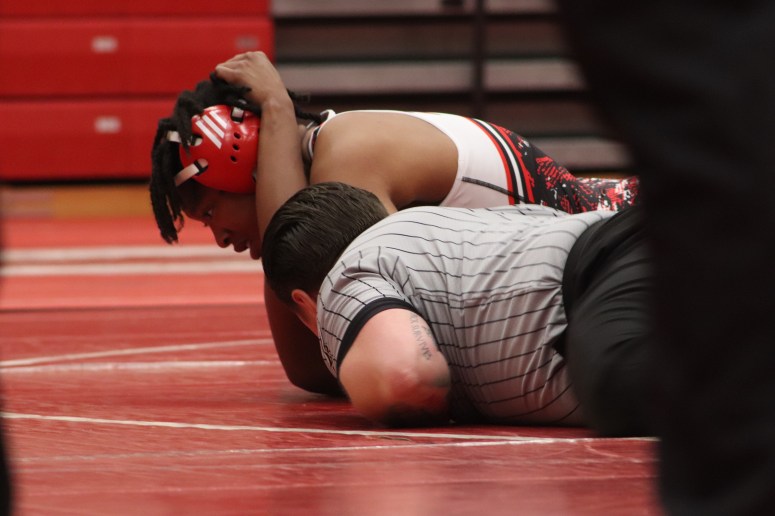
Senior Kaylea Beauchamp competes against her Marion C. Moore High School opponent in December. Beauchamp competes today in the first IHSAA girls’ state wrestling finals. Photo by Brian Cardoza.
Beauchamp started wrestling in middle school. She was the only girl in a group of boys, making it difficult; thoughts of quitting came to her mind. She speaks of the struggle and overthinking that could come from comparing herself to the boys on her team.
“I know it’s a lot of overthinking when it comes to wrestling because you see the boys wrestling how they are, they’re nowhere near the girls. Girls wrestling is totally different, but we aren’t soft.”
Despite these challenges, she still recommended that other women try out for wrestling, stating that there are benefits that come with wrestling, from discipline to friendships.
“It teaches you far more about discipline than just getting on the mat and trying to dominate someone. It helps you gain friends, and it’s a really bonding time.”
All this discipline has paid off for Beauchamp, as she is now taking Jeff High to the first IHSAA girls’ state tournament finals today. She spoke on the feeling of representing the school at such a large event.
“It’s always fun to represent something and seeing how proud everyone is.”
JHS showed great pride in her indeed, from signing a piece of paper wishing her luck to having her teammates attending the tournament for support.
Senior Kaylea Beauchamp competes today in the inaugural IHSAA state girls’ wrestling final. Photo by Brian Cardoza.
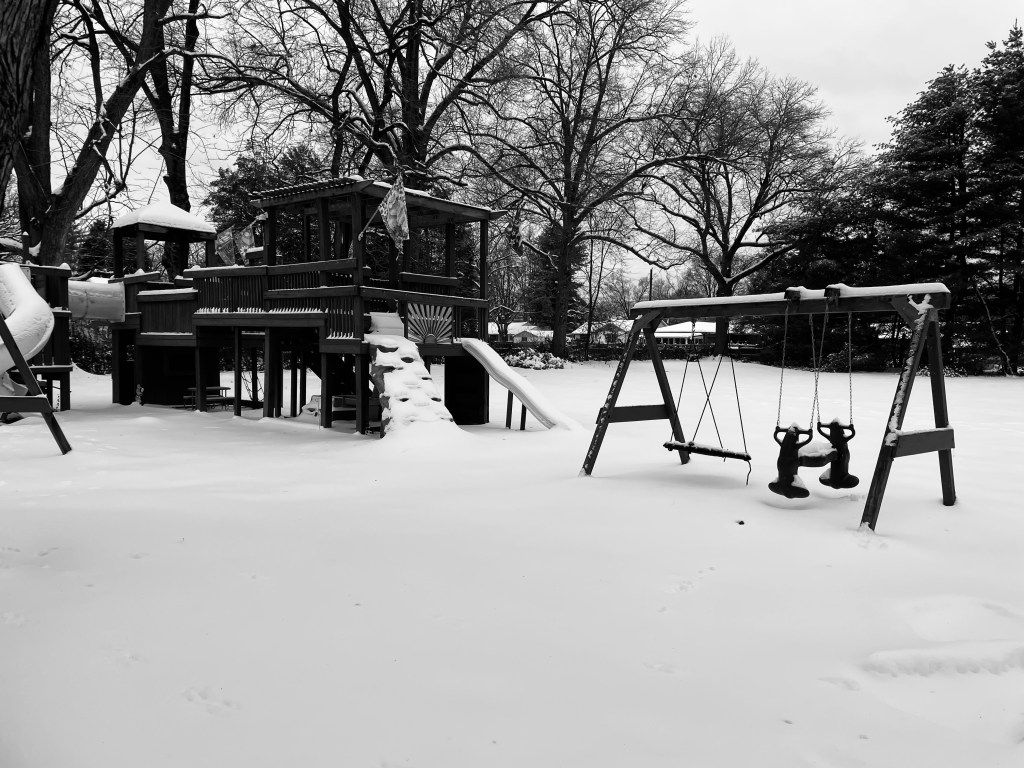
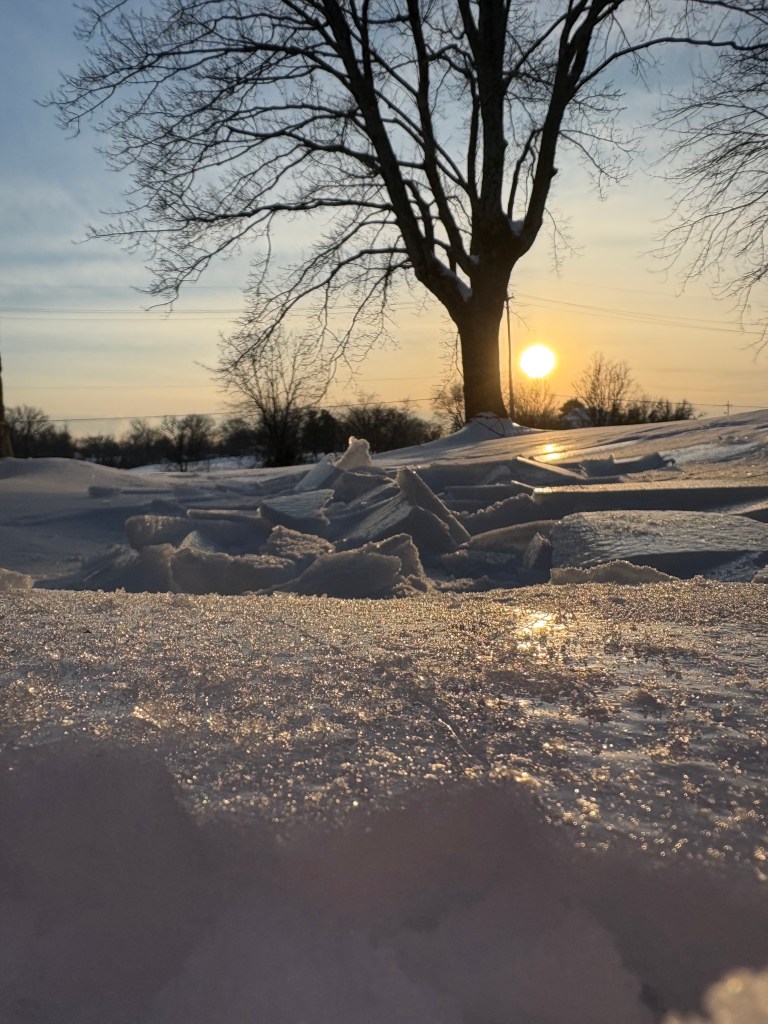
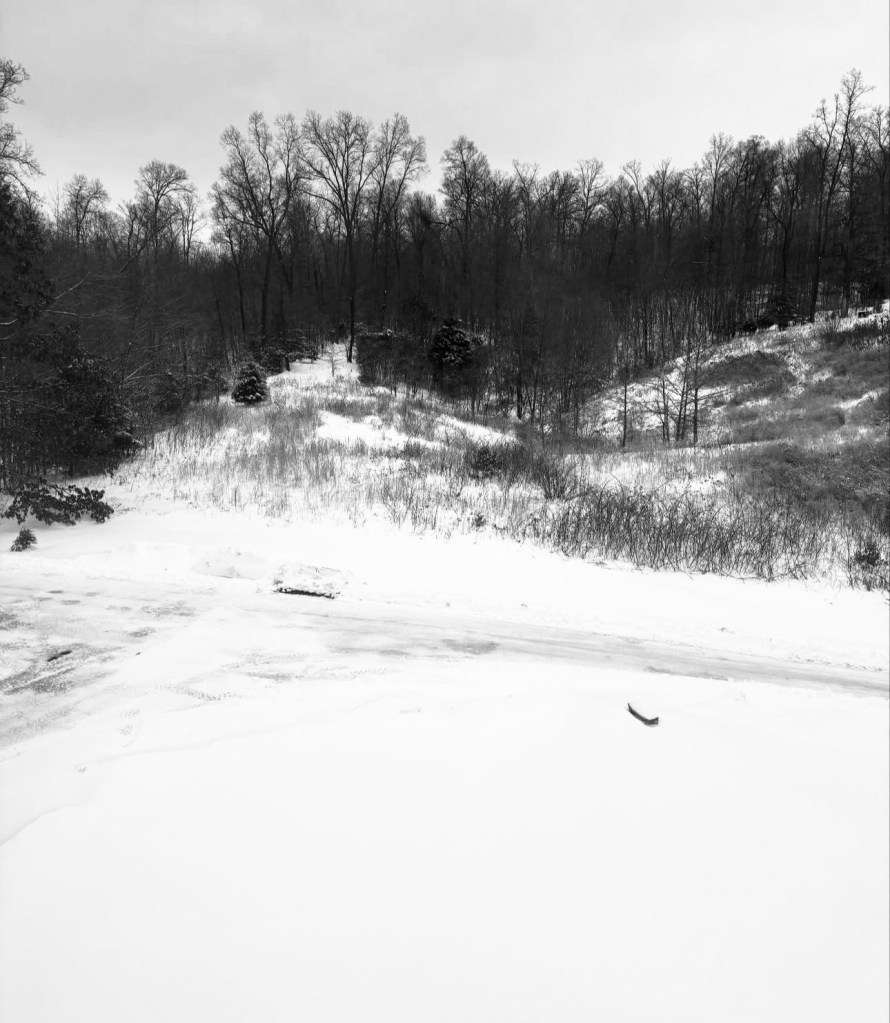
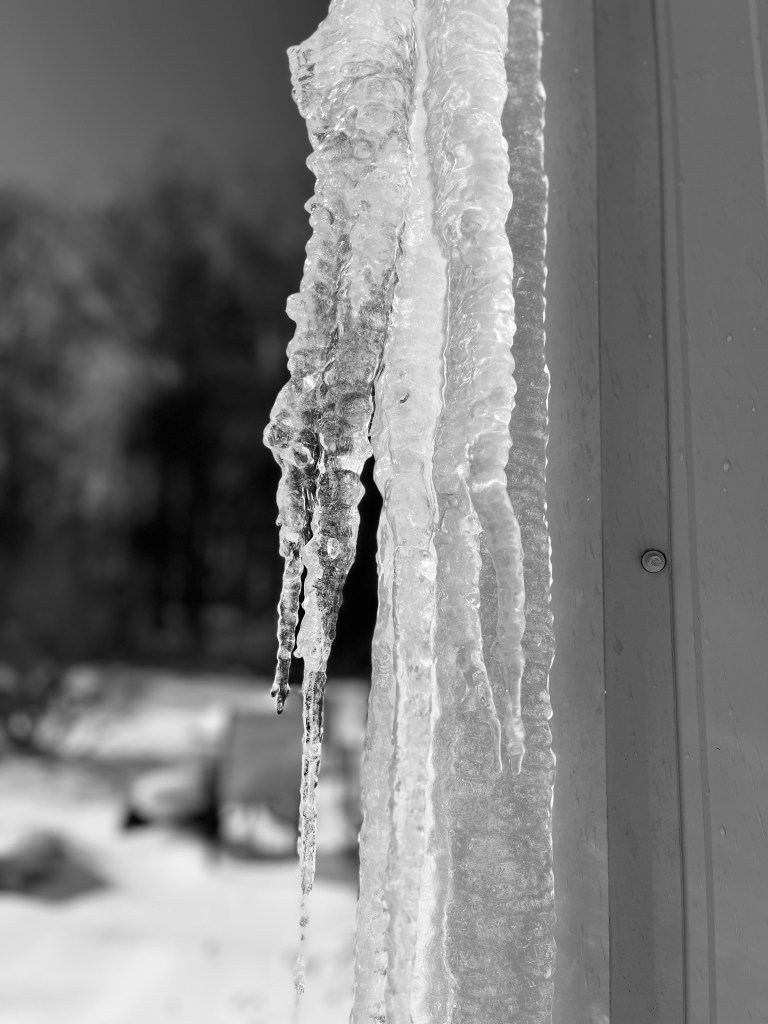
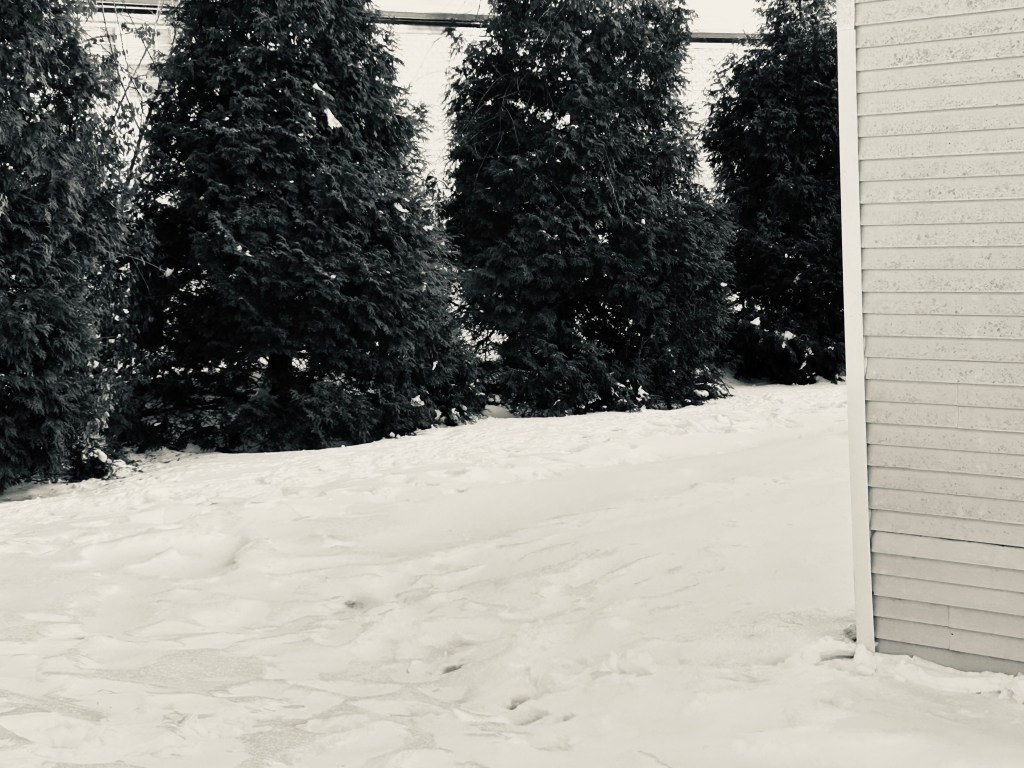
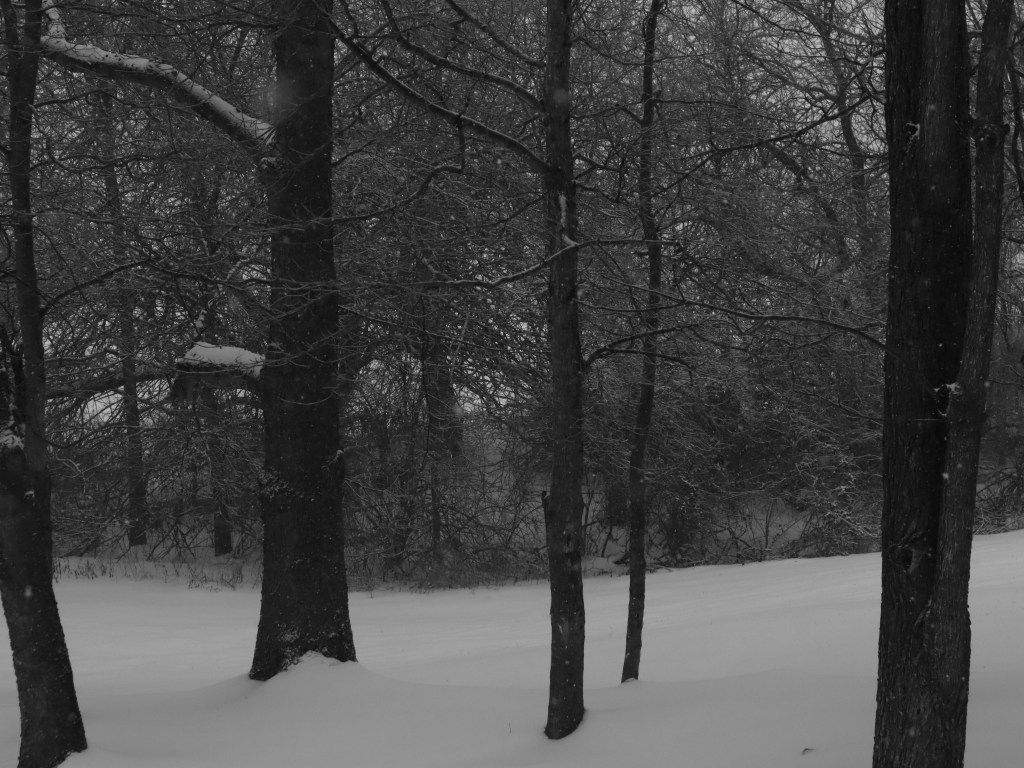
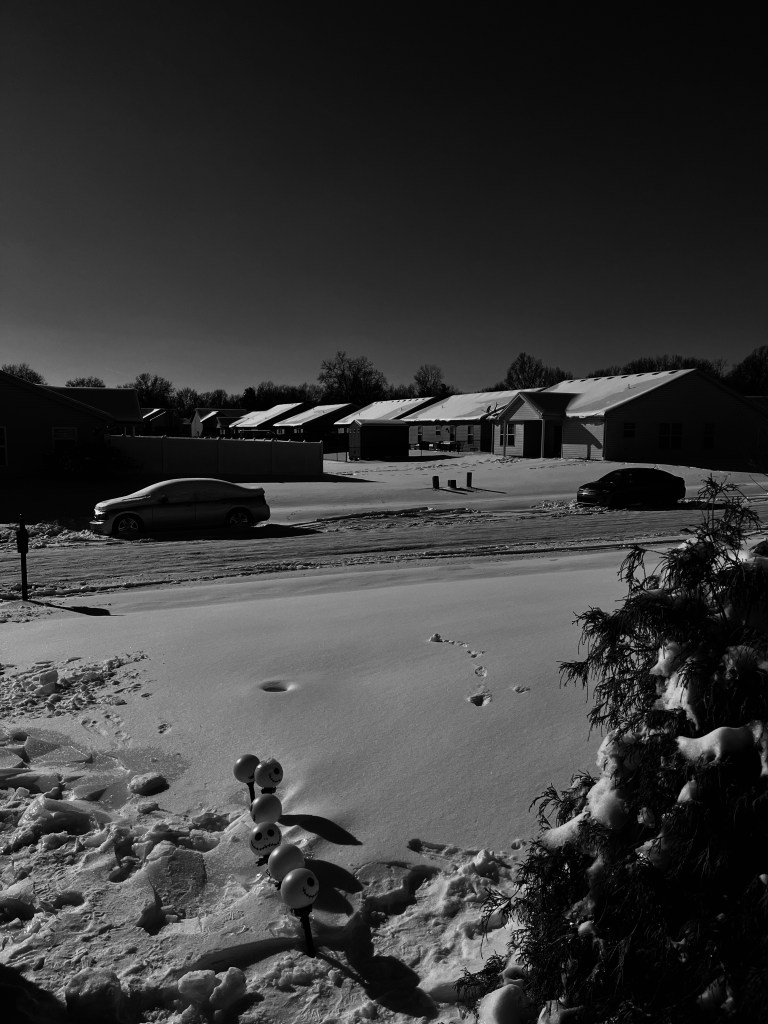
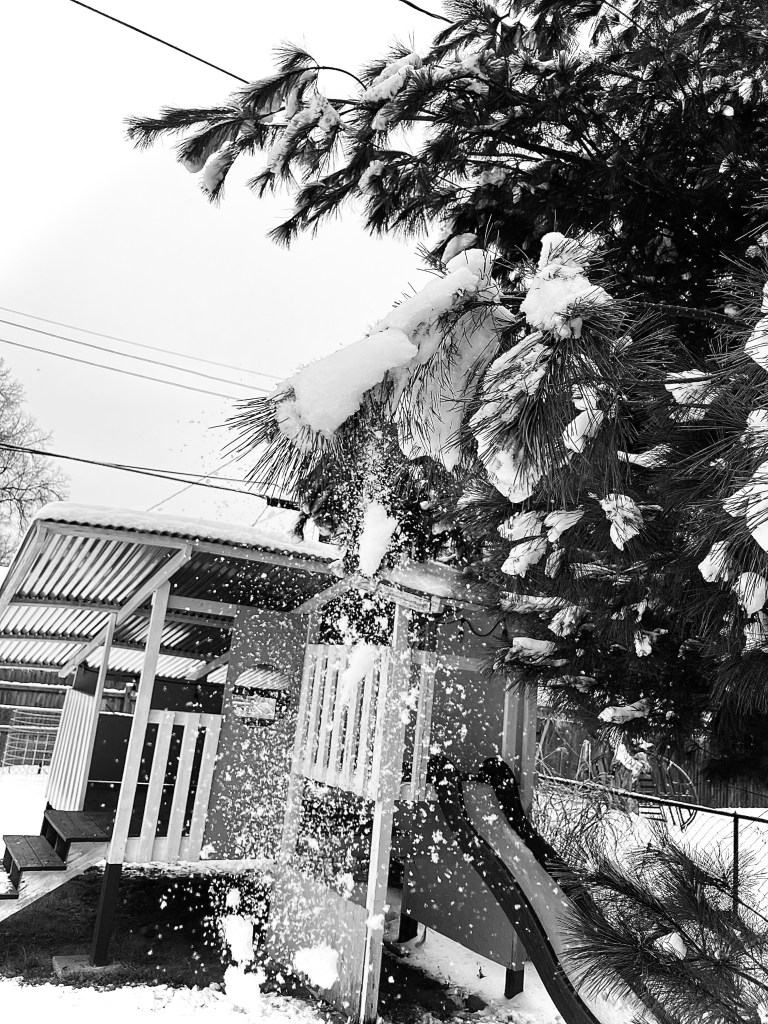
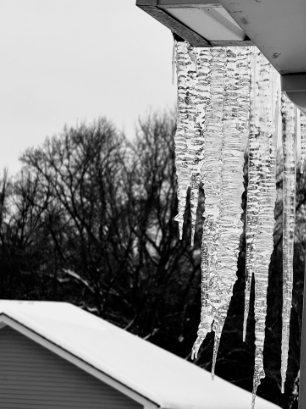
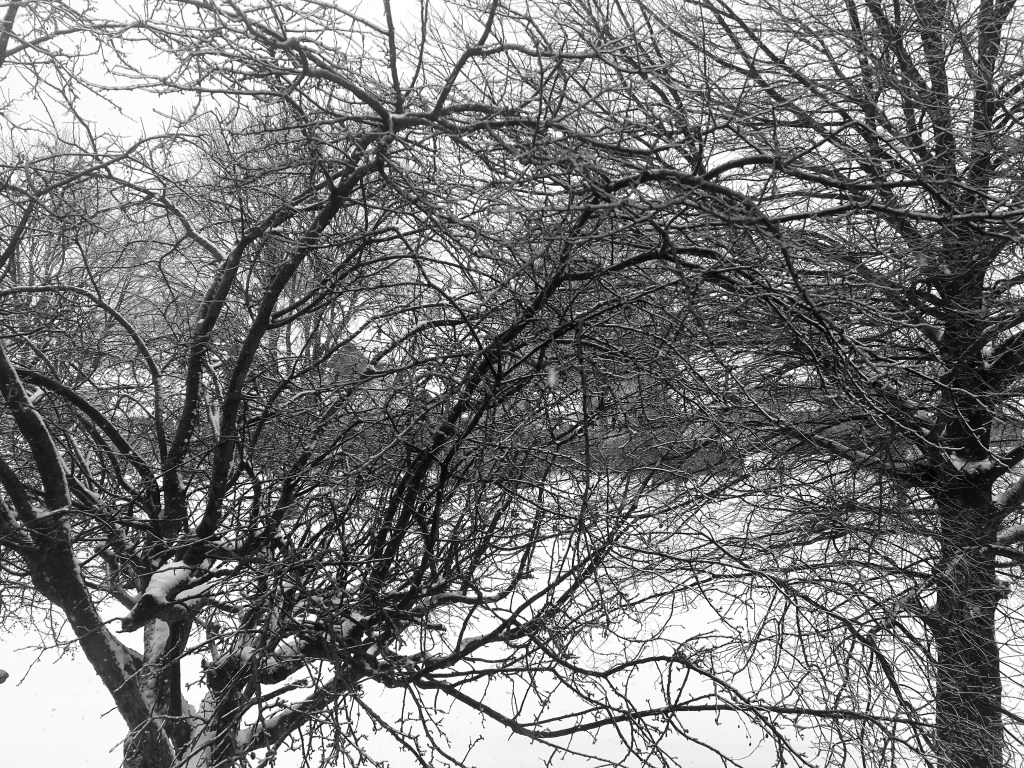
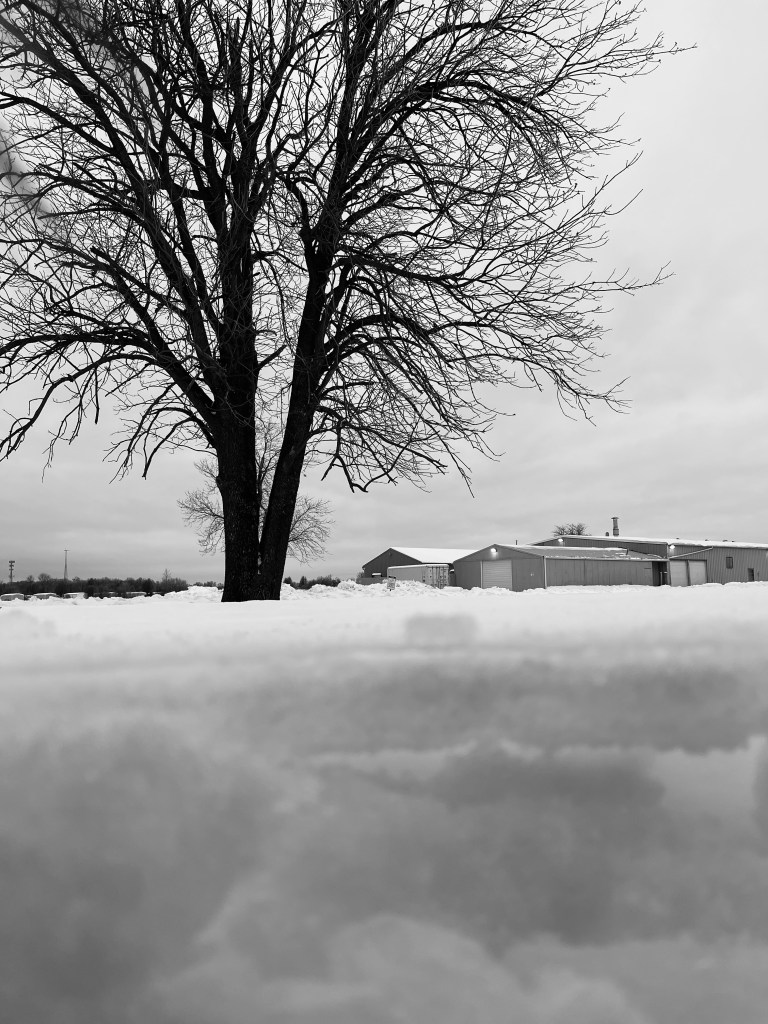
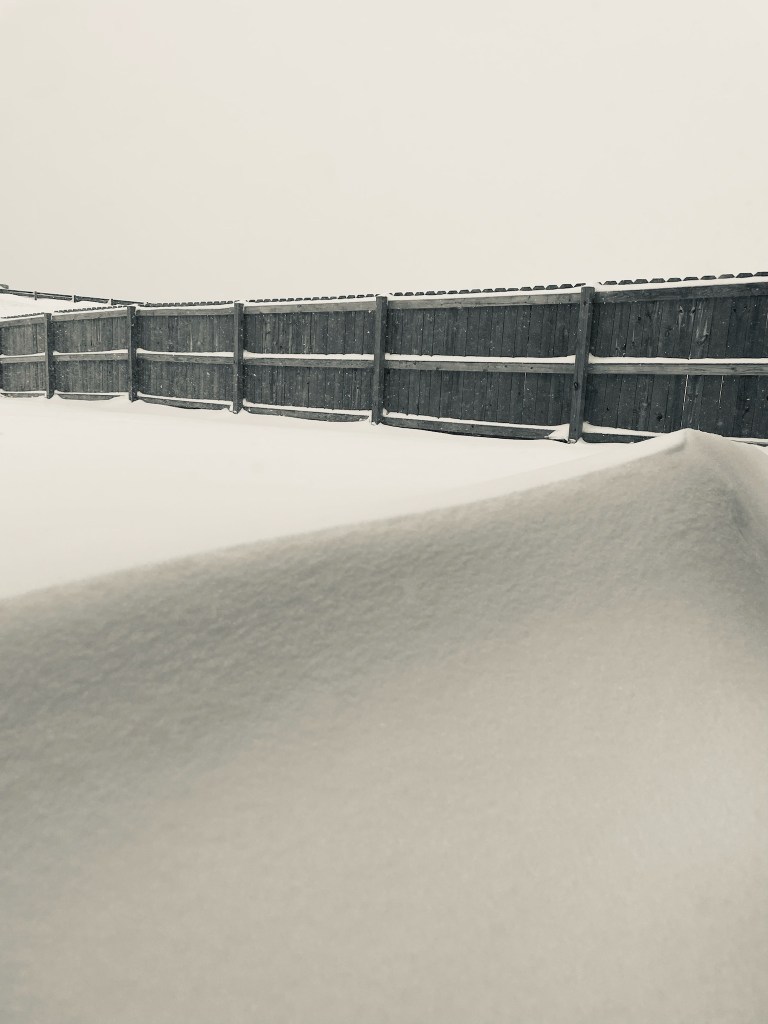
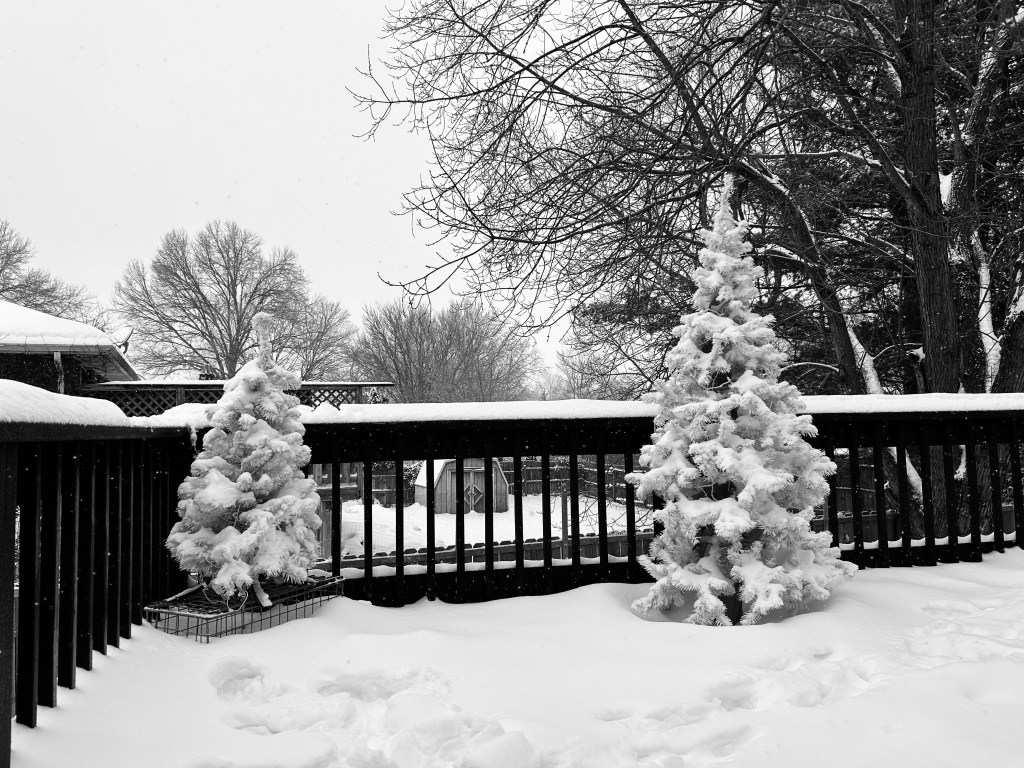
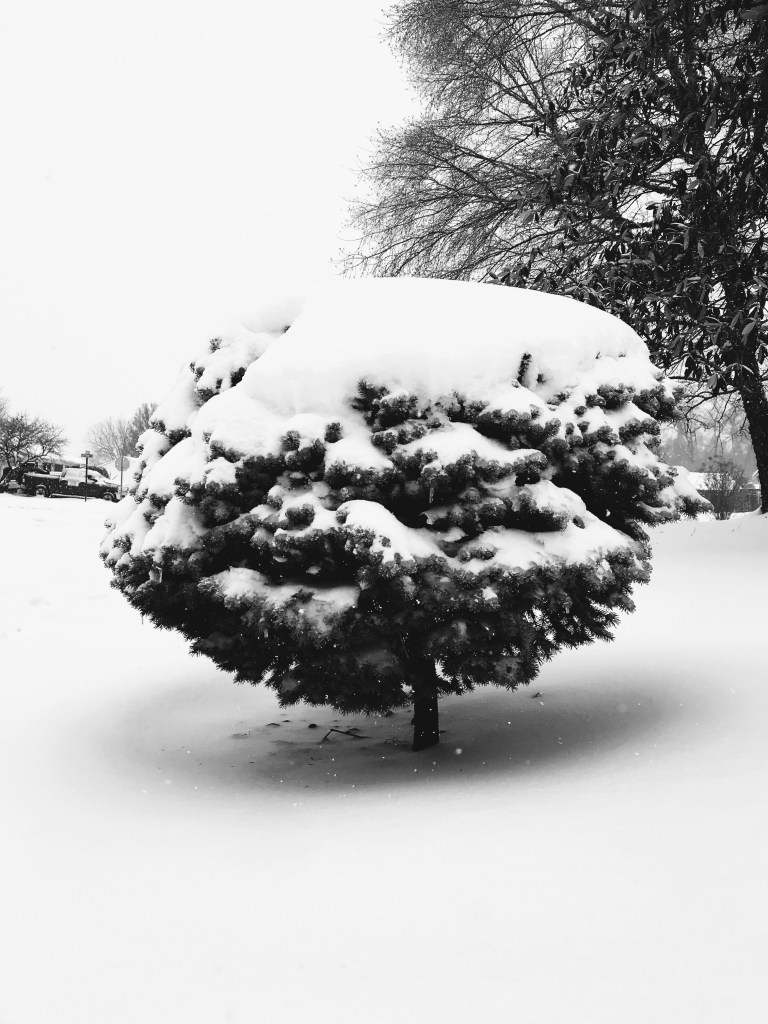
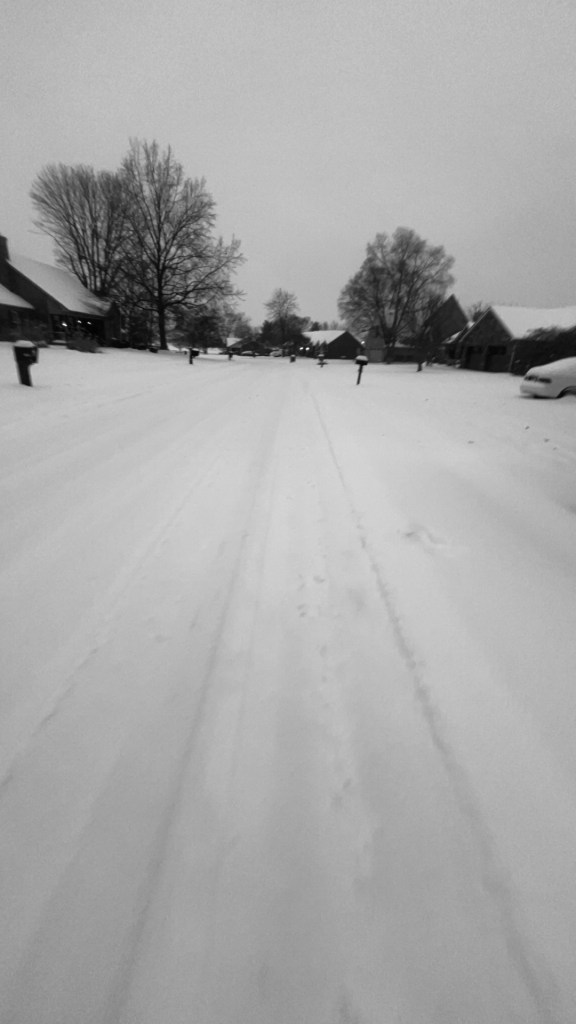
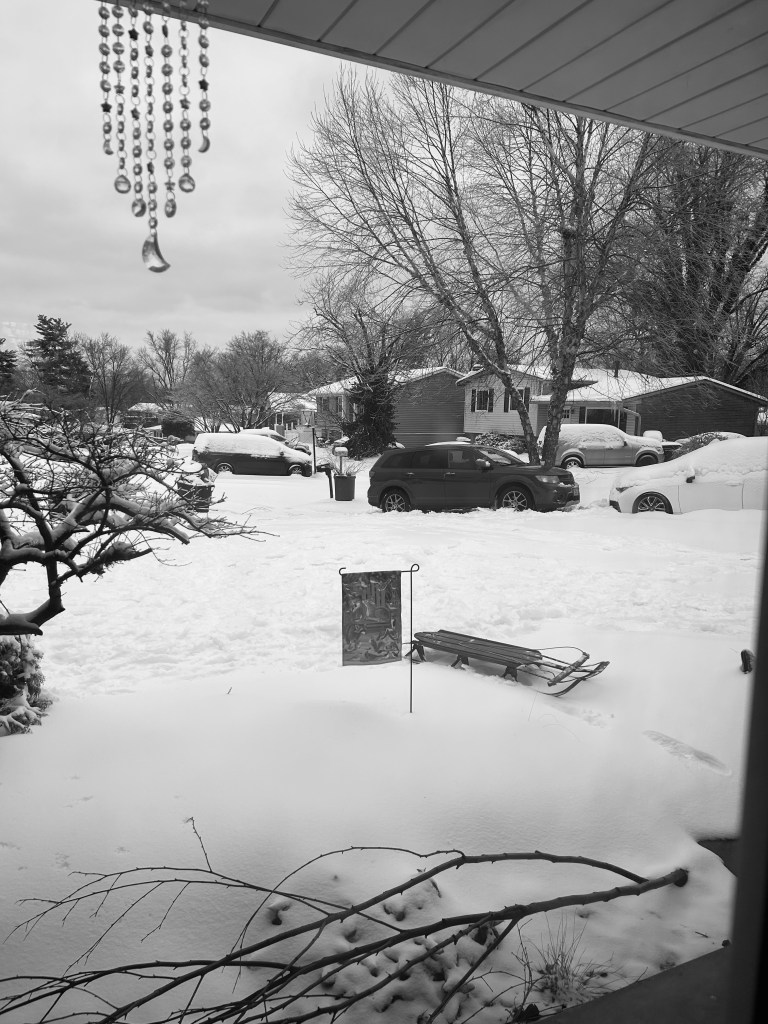
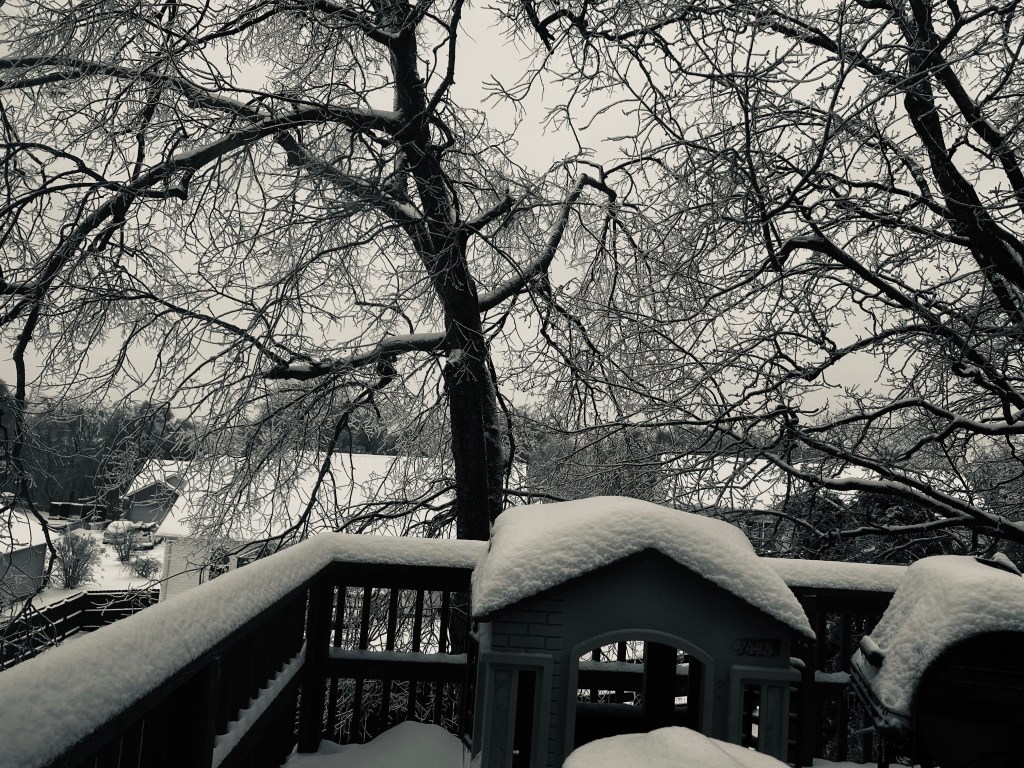
Despite the snow, ice, and cancelled classes, JHS student photographers photographed some images of this week’s cold weather as part of their Digital Photography class.
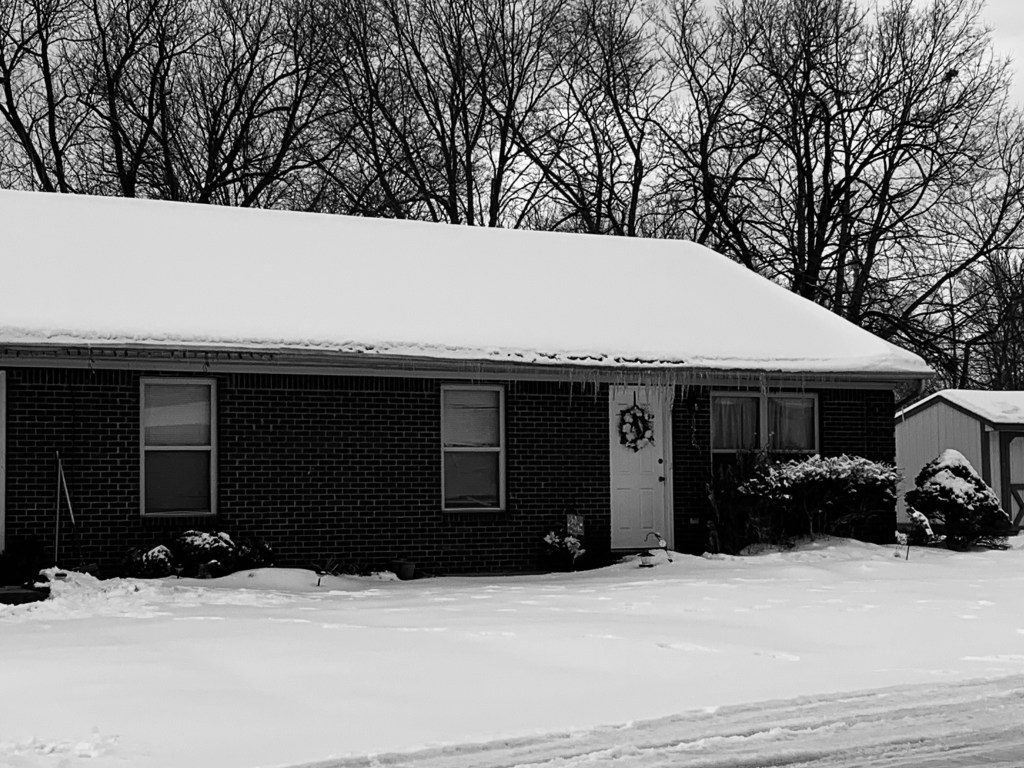
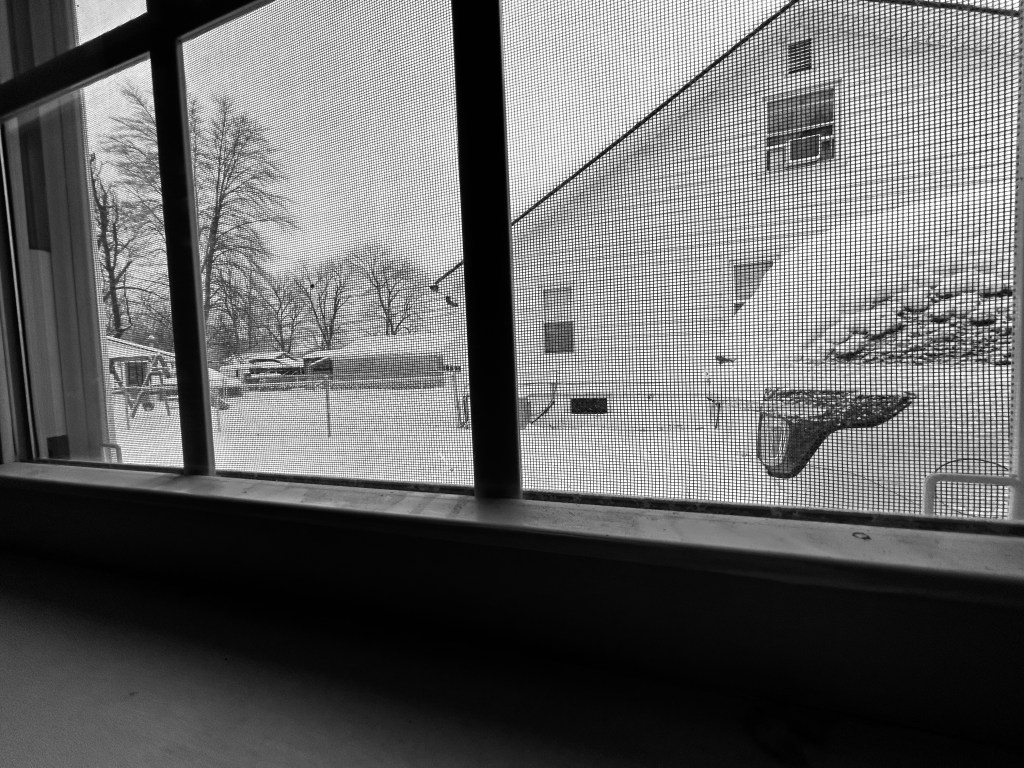
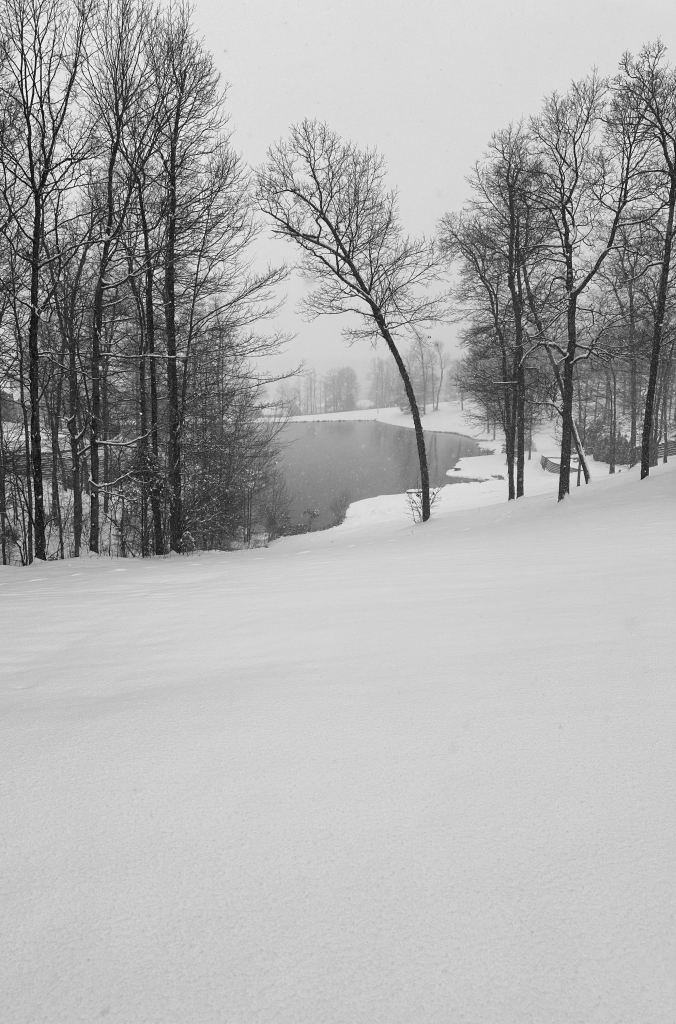
Most images are a part of their unit on black and white photography as they study the work of Ansel Adams this month.
Click on the images in the gallery below to view their photographs.
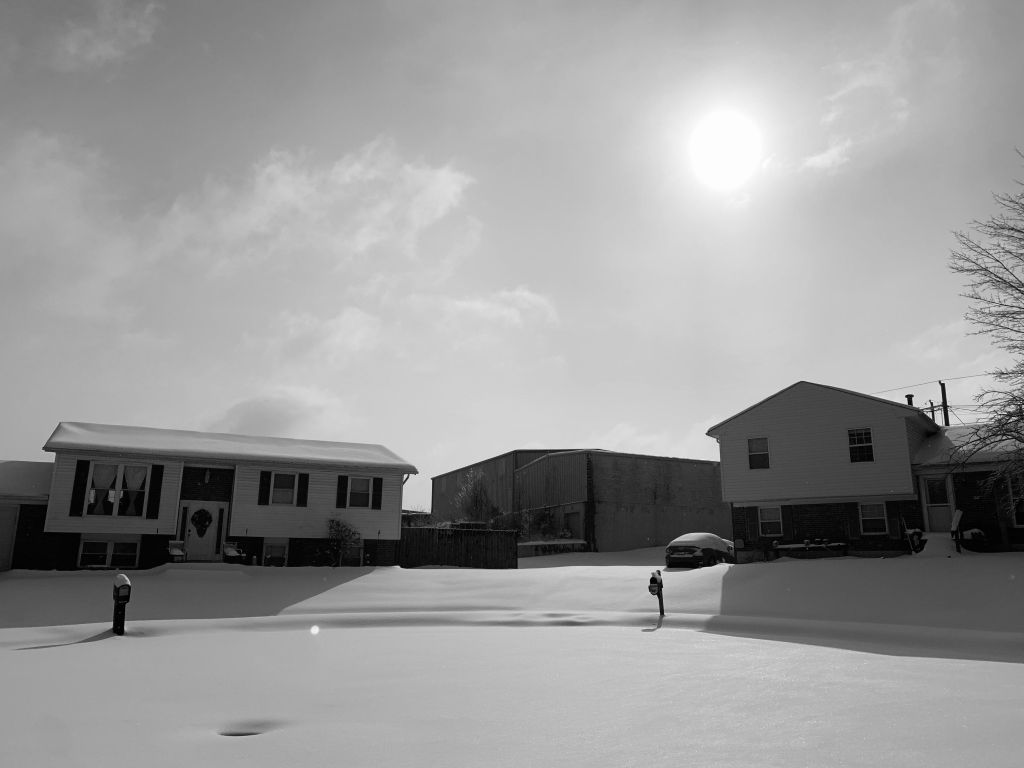
Despite the snow, ice, and cancelled classes, JHS student photographers photographed some images of this week’s cold weather as part of their Digital Photography class.
Most images are a part of their unit on black and white photography as they study the work of Ansel Adams this month.
Click on the images in the gallery below to view their photographs.
This is the second Winter ’25 Photo Essay featuring work by JHS photographers; feel free to check out the first Winter ’25 Photo Essay as well.
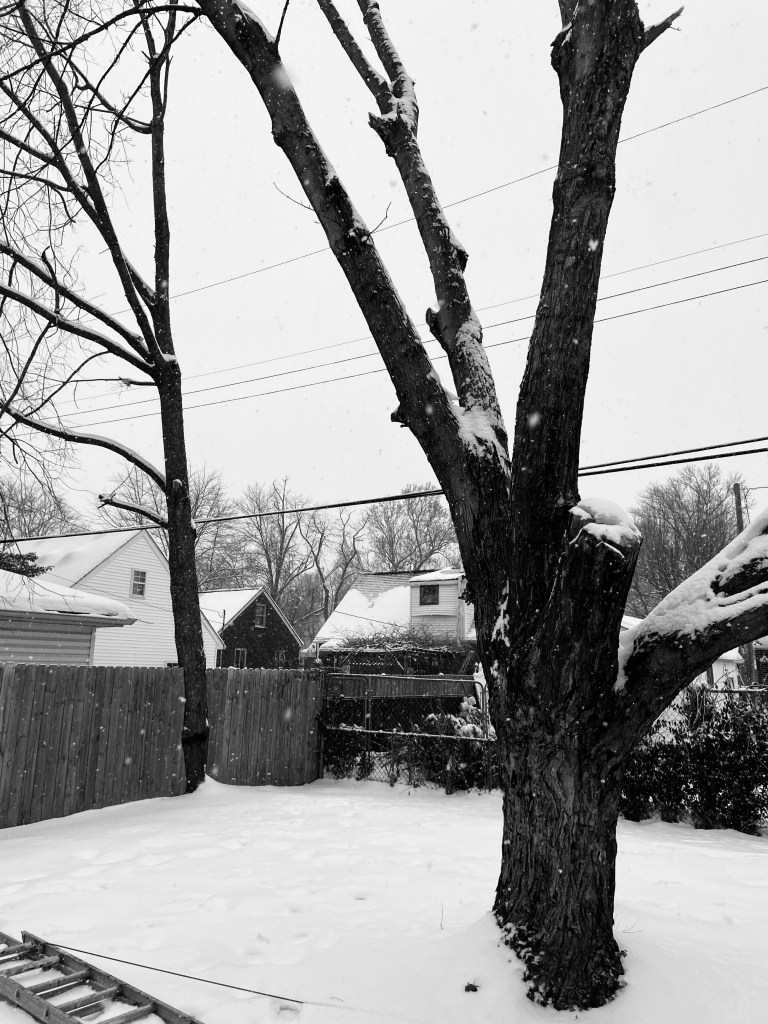
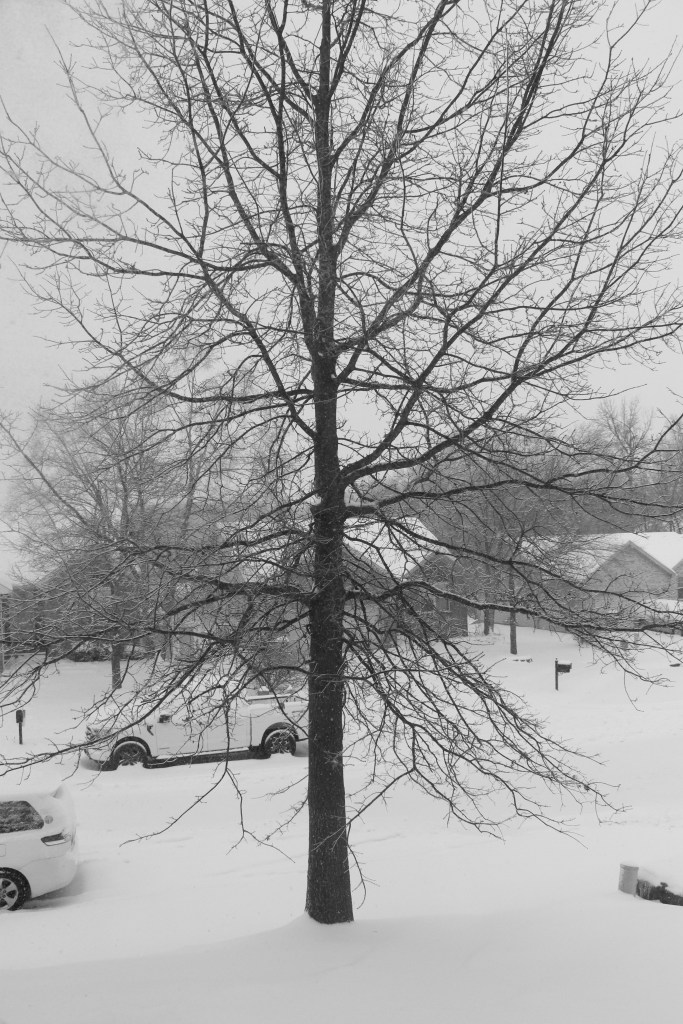
Despite the snow, ice, and cancelled classes, JHS student photographers photographed some images of this week’s cold weather as part of their Digital Photography class.
Most images are a part of their unit on black and white photography as they study the work of Ansel Adams this month.
Click on the images in the gallery below to view their photographs. More will be added in the next few days as this post is updated.
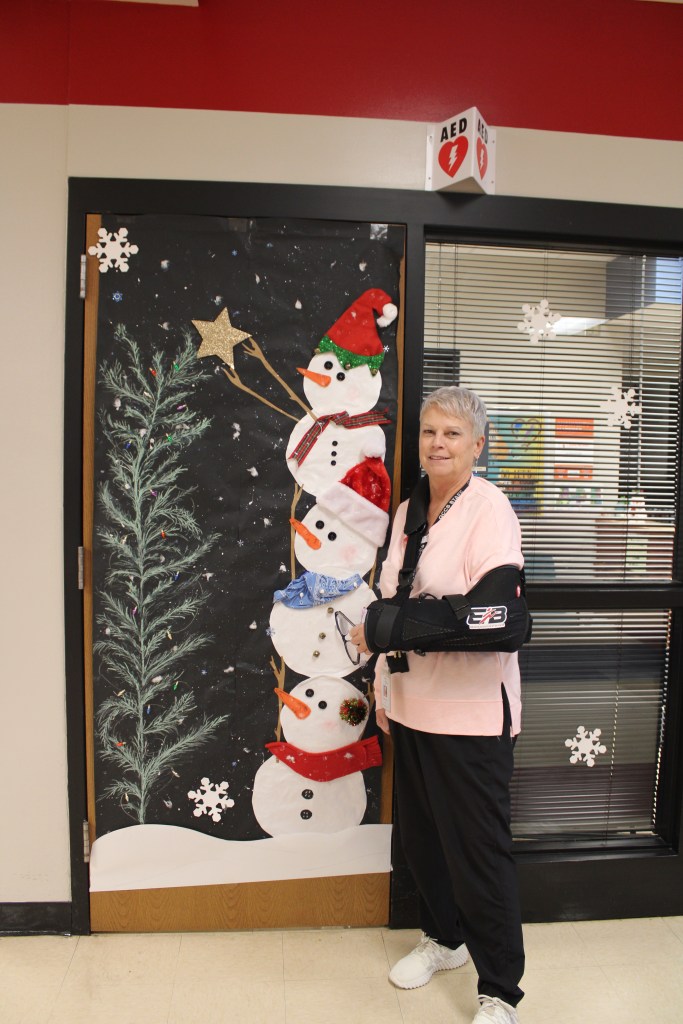
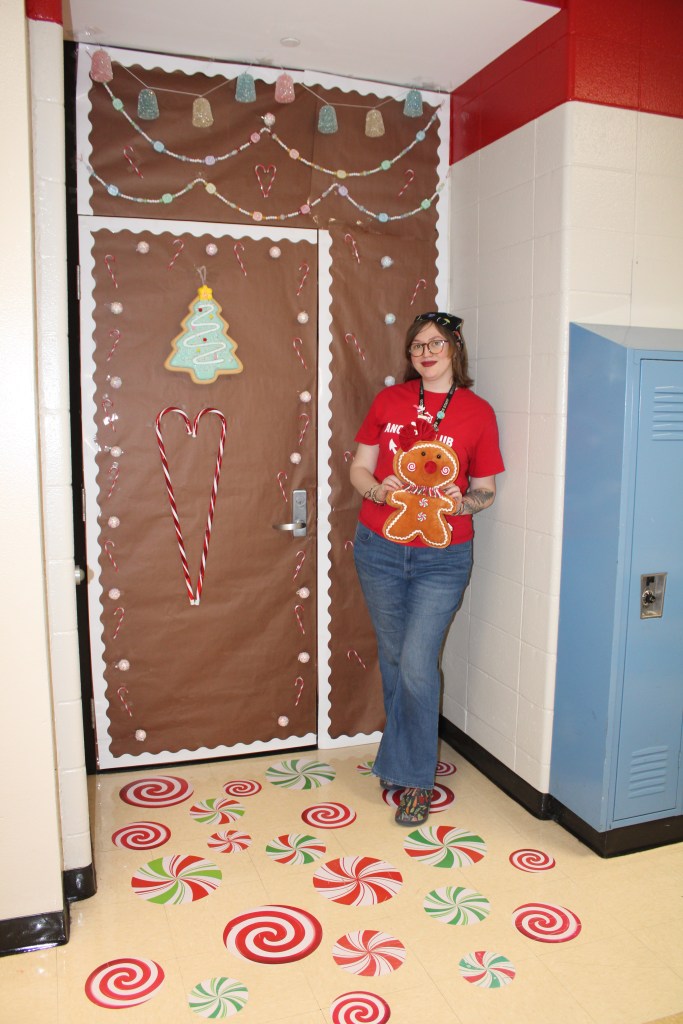
Health Office assistant Donna Poole. ELA teacher Zuly Barker. ELA teacher Natalie Witherspoon. Science teacher Francesca Hernandez. ELA teacher Fannika Fahime Seifi.
Fears of gun violence plague the minds of many Americans, and the issue of gun violence hit especially close to home with the shootings at October’s Harvest Homecoming in New Albany.
Harvest Homecoming is a yearly festival in New Albany that celebrates the coming of fall. But on the night of Oct. 12, normal festivities were interrupted by a horrifying scene of shooters where three individuals were shot, with local teenager Bryce Gerlach passing away from his injuries.
On a large scale the fight to find a solution to the growing number of shootings seems to be a constant back and forth, very rarely moving in any productive direction. But to those who may be concerned, especially having lost a young man, it’s important to remember that there are many in Southern Indiana fighting for public safety.
Harvest Homecoming officials provided a statement of purpose and sympathy, looking to make the annual event safe for attendees:
“We are committed to providing updates regarding future Harvest Homecomings when the time is right. Until then, we join our community in mourning the tragic loss of an innocent life. Our continued thoughts and prayers are with the family of Bryce Gerlach, those injured, and the many patrons impacted by this heartbreaking, senseless act of violence,”
As the community and Harvest Homecoming officials work towards the future, other leaders agreed that public safety is essential for Southern Indiana success.
Jeffersonville mayor Mike Moore shared his view of progress for the community.
“Moving forward, we cannot allow the evil of a few people to change the reason we celebrate our community’s history,” said Moore. “Southern Indiana is a wonderful place to raise a family. Coming together as a community will continue to make us strong.”
Moore spoke of his confidence with city leaders in New Albany, as well as Southern Indiana police and volunteers, when it comes to making necessary adjustments for future large festivals that will make sure events like Harvest Homecoming are safe.
Jeffersonville Special Events Manager Tara Young shared how seriously people’s well-being is being taken at community events.
With Light Up Jeff, a yearly event in early December, she specified what was done to protect those who attended the holiday event. She stated that event planners met with the police, fire, and parks departments to organize and discuss security and keeping people safe.
“We here in Jeffersonville take every event seriously. We want it to be a safe, fun place, welcome to all. Safety is our number one priority and we feel with our close partnership with the police and added private security, we have a great team involved to make it a safe and secure event,” said Young.
She also shared that local police have protocols in place of the highest standard for large events. As an example, police are stationed at entrances and exits and throughout every immense venue.
Young shows how public safety is a priority in the minds of those behind the scenes of some of the massive community events that Jeffersonville plans each year. Along with proper protocol and planning, city officials do their best to ensure a secure environment for families and friends to enjoy.
Officer Brian Mitchell, a police officer who works with JHS, clarified some of the many plans in place to uphold safety and emphasized how one can protect themselves at school events.
Mitchell is another one of the many people placed in charge of providing public safety, along with other responsibilities. He specified how there is an emergency action plan and safety protocols for large school events. One suggestion that Mitchell highlighted was the importance of reporting behavior and being aware.
“If you see something, say something,” was a statement repeated many times by Mitchell when discussing the power people have to prevent dangerous situations. Small things can greatly help with maintaining a secure environment, knowing the location of exits, and knowing who and where to report concerning behavior to.
“Better you say something and be wrong than not say something at all,” said Mitchell, emphasizing that students speak out when they and those around them might be in danger, including over social media, or overhearing unsettling threats or “jokes.”
Being aware and taking a stand when they see something suspicious is a small but important part of keeping everyone safe.
Another familiar face around Jeff High, principal Pam Hall, also shared how she took her role as a face of protection seriously after events of violence like Harvest Homecoming.
Hall took many measures to protect students shortly after the tragedy, from putting the school on hold and expanding police personnel at large events, to doing what she could to create an environment that helped students feel secure. She added that she was learning that she and no one had all the answers, but she would do what she would always look out for the student body.
“It can shake your sense of community,” Hall stated, speaking of the difficulties that a community can have when dealing with the aftershock of violence. But despite that, when asked about her biggest takeaway, Hall said, “I love everyone here,” believing that the community and students can find the strength to progress through caring for one another.
“This is one of the most treasured traditions, I can’t iterate enough, that we have here at Jeffersonville during the holidays,” choir director Kyle Broady said.
He continued, “Personally, I think this is the best ticket in town.”
These words were spoken last Thursday night near the end of the concert, and there is much to agree with.
Winter Fantasy was a joyous event that was able to truly capture the holiday spirit with roughly 230 students, and with the other teachers involved, making it about 10% of the whole school involved. Broady’s choir and musical theatre class; and the band taught by Briston Hatchell and Sidney McDonald; led to a wide variety of takes on many different traditional holiday themed songs.
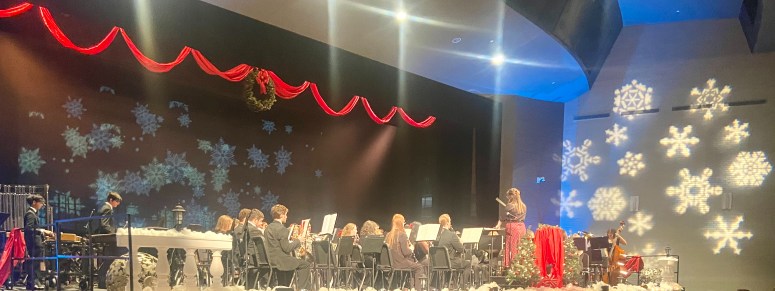
The band gathers on stage at the beginning of Winter Fantasy, the annual holiday musical program that combines the talents of many JHS musicians. Photo by Elliot Swincher.
The performance consisted of 15 songs. The very first, sung by the chamber choir, was a very faithful, calm, and quiet performance of the classic “Carol of the Bells.”
Following this piece was “Silver Bells” sung by The Devil’s Advocates and The Devils Horns Jazz Ensemble. This piece was played with a more upbeat and funky style that was elevated by the jazz and great singing. The song went down the same path of being a faithful adaptation, yet as it neared the middle and ending of the song, there was its own JHS personality that shined through.
The pattern continued as the next song “Who is He in Yonder Stall,” as sung by the men’s chamber choir, was more of a soft and intentionally quiet song that allowed us to notice a harmony between the choir’s voices and the band’s instruments.
The whole band did a fantastic job at keeping everything in tempo throughout, but this skill was clear in the song “”Winter” from The Four Seasons.”
Sophomore Bradley Lynch was the one in charge of playing the jingle bells for this piece. He was able to refrain from falling into the errors of playing the notes too quickly, as is a typical problem that can be heard in nonprofessional bands, leading to his piece flowing perfectly into the rest of the band and giving it a more professional feeling.
“Children Go Where I Send Thee,” sung and played by both the choir and band, was a personal favorite, and one that got many in the audience involved. This song was more energetic, being of the gospel music genre, starting with a loud hit of a drum.
Nearing the middle of the song, many members of the audience clapped along with the beat. The energy wasn’t just in the lyrics; it was also found in the choir members’ movement between pauses in their singing. It would be a disservice to exclude the inclusion of a rap section in the near middle of the song. Many counted it as an interesting inclusion, yet I believe it fit the energetic feeling well, and didn’t truly take anything away from the overall song, even if a few people felt it was a bit unexpected.
Song number six was “Celtic Carol,” performed by the concert band. It had more of a serene feeling to it in the beginning due to the chimes with the mix of flutes. Yet this is contrasted as the song progressed and it gets more of an intense tone, due to the increasing volume of the drums. As it progressed more, the sound continues to fluctuate between the two tones. There were some small squeaks from certain instruments, but overall it didn’t affect my listening too much, as this well performed piece was still enjoyable.
The last piece before intermission was “O Come, O Come, Emmanuel,” sung by The Devil’s Advocates. This piece was very fascinating to listen to. There was no inclusion of a band, which they had already done earlier in the night, but this piece was different due to the way they were able to add in their own instruments, in a way, by using their own voices. This matched perfectly with the whole feeling of this song. The tone was soft with a sort of enchanting feeling due to the addition of the small bits sung to support the actual lyrics.
Band students with conductor Sidney McDonald perform during Winter Fantasy. Photo by Malachi Conrad.
After a 15-minute intermission, they started Act II off with a classic performance of “Sleigh Ride.” Timing once again was a strong piece in the success of this song. Senior Collin Crouch and Hayden Smith were able to play the iconic slapstick clap and the wooden block trotting with perfect timing. Even when the hitting of the wooden block purposely sped up near the end, Crouch was able to match Smith’s block timing to ultimately pull it off. Junior Cameron Guzman and sophomore Tristan Cooley were able to pull off the just as iconic horse whinnying with their trumpet, nearing the very end of the song.
Following this piece was “That’s Christmas to Me,” sung by The Devil’s Advocates. This one was another soft piece, which gave off a sort of warm feeling like you’d get on a late winter night. The piece also gave off a similar sound to Matthew Hall’s “When Christmas Comes to Town,” which only helped to expand that warm feeling. This piece also added vocal sounds that helped add more additional music.
“Winter Wonderland,” played by The Devils Horns, was next. It gave off just as much joy as the very first rendition of this song.
Another classic that followed was “Hark! The Herald Angels Sing,” sung by the Chamber Choir. It first started off as the typical piece, before it surprised many by transitioning into a more hip hop and beatbox focused version. This one, like “Children Go Where I Send Thee,” was another personal favorite, and also included parts where the audience would be invited to clap along and join in on the fun.
Continuing the classic song trend, the next piece was “White Christmas,” performed and sung by the wind symphony. An enjoyable take where junior Alice Haynes sang while the rest of the symphony played along. What was fun about this piece was the way the instruments would finish Haynes’s lyrics, making it a sort of duet with the instruments.
The third to last song was “A Christmas Story,” performed by the musical theatre. It was a very sweet song, yet this piece showed the one problem with this event, the mics.
There were quite a few moments in this song, and a bit in “Silver Bells” and in the back section where the choir would be, where the mics would not truly project the voices towards the crowd, making some parts get covered by music or technical interference.
Yet the singers in “A Christmas Story” were able to push through it and make the parts that could be easily heard be fantastic in harmony and tone.
The second to last song was “ Hallelujah Chorus,” performed by both the choir and band. The mixing of both groups and melodies was a nice path to go down as the event started to wind down.
Yet the final song, “Have Yourself a Merry Little Christmas” was able to make this combination of choir and band be the cherry on top to a great closing piece.
This song wasn’t just on theme, but the harmony with the choir was breathtaking in a way, and truly had the feeling of holiday joy all throughout.
And this piece wasn’t just important to fit the Christmas genre; it also helped aid the deeper theme of tradition.
Each year this song is a special time for the seniors involved in choir. Every year they include this piece, and those seniors are able to have their own front row spot to perform this wonderful closing song as the big day approaches.
In this performance, these seniors were Sylvana Sandoval Camacho, Ella Motluck, Luna Guyse, and Layelle Plemons.
Band instructor Briston Hatchell directs the performance of “Have Yourself a Merry Little Christmas” at Winter Fantasy. Joining Hatchell are seniors Layelle Plemons, Luna Guyse, Ella Motluck, and Sylvana Sandoval Camacho. Photo by Sam Ottinger.
Winter Fantasy is fantasy turned real each year it comes around. It’s a tradition that supports the arts department in getting its name out there while showing off the wonderful students involved.
Broady wanted to talk of how important the presence of the arts is, as he commented before the second to last song, “…it really is important that we keep this going, and it really is important that we support the arts, fund the arts, and that we create the space for arts to happen.”
He continued, “Music gives life, and it gives life in so many ways. And without music, honestly, where would we be?”
While opinions vary, the JHS community passionately shares their all-time favorite movies, showcasing a rich tapestry of preferences and cinematic experiences that unite them.
“My favorite movie is ‘The Elf ‘ because that’s where I got my name from.” Senior Jovie Golko
“My favorite movie is ‘Harry Potter and the Goblet of Fire’ because it shows events that circle all around, first is the dragon egg, and then saving a person, and then after that the maze, and then the death of somebody, and that’s where Voldemort is born again.” Senior Danna Hernandez-Olivares
“My favorite movie is ‘The Notebook’ because I like romance movies and this movie holds a very special place in my heart.” Junior Ashly Burton
“I would have to say that my favorite movie is ‘Guardians of the Galaxy Volume 3’ mainly because of the soundtrack and the plot.” Sophomore Sophie Hardin
“My favorite movie would have to be ‘The Book of Life’ because when I was a little kid I watched the movie and I’ve been in love with it ever since.” Sophomore Alison Hernandez-Estrada
“My favorite movie is ‘SouthPaw’ because it was emotional and exciting at the same time.” Freshman Perry Coats
“James Bond movies are my favorite movies, because I mainly grew up with them and I’ve read the novels, and just have always been drawn to them. And this could also be because of all the different places he travels, storyline, and the villains in the movie are pretty neat too.” AP U.S. History Teacher David Russell
“My favorite movie is ‘A Goofy Movie’ because it’s a funny movie and if you watch Disney movies, this is a good classic movie that I watched when I was younger, so it’s pretty good.” AP Physics Teacher Hope Rector
JHS Students watch a wide variety of TV shows between their studies.
“My favorite TV show is ‘Young Sheldon’ because I watch it with my little sister, Mitzy. It’s important to spend time with my family and this show provides a great opportunity to bond with her.” Junior Marianna Bush
“’Bojack Horseman’ is my favorite TV show because the characters, despite being portrayed as animals, are very human. I love the fact that the main character is a bad guy and the show acknowledges that he is always in the wrong. His decisions have weight and continue to haunt him.” Junior Tobey Wilder
“’One Piece’ for sure. It has uplifting themes and beautiful storytelling. The characters are interesting and exceptionally well-written. The animation is stunning during the later parts of the series.” Senior Jovie Golko
“’Gilmore Girls’ because I’ve been able to grow up with the show. I relate to the characters in different ways, and I see my friends and family in the characters. The plotlines are interesting and fun to revisit.” Junior Cassidy Tomlin
“My favorite show is ‘Hannibal’ because I find the character dynamics and the gray scales of morality very interesting.” Senior Emrys Honaker
“My favorite is ‘One Piece.’ I enjoy the vast world-building and the large cast of fleshed-out characters. The storytelling is great with every story arc cohesively fitting together. I’d recommend it to anyone.” Senior Lane Triplett
“’The Amazing World of Gumball.’ The art style is interesting because it is unique. It’s super funny, so I have it playing all the time in my room.” Freshman Corbin Bush
“My favorite is ‘Arcane.’ The world is written in such a way that you feel like you’re part of it. You can feel how the characters feel. The animation appears to be painted which gives the whole show a unique but pleasant aesthetic.” Senior Mars Ragland