POTS often misdiagnosed and creates daily struggles

by Jilliann Denbo

Around this time last year, I was diagnosed with POTS. I thought it would just be another thing I could ignore pretty easily, even after the recurring hospital visits. But it’s taken over my life for the worse.

The day my parents truly knew something was wrong was on Halloween of last year. I was up cleaning, doing normal activities. I was just taking the trash out when I suddenly passed out on the stairs; thankfully, my dad was there to see it all happen.

After that night, I started having problems with breathing, and my heart rate would never slow down. I was physically exhausted all the time. During this, no one had an answer for me.

The first couple of times we went to the hospital, they ran blood tests and said I was fine, and that they had no answer. I knew that wasn’t right. And my mom knew that as well, so she kept pushing for answers.

After many hospital and doctor visits, I finally got in with the cardiologist, and I eventually got put on a heart monitor. That’s when I knew we were finally going to get some answers.

After I was diagnosed with POTS, I had absolutely no idea what it was. And I was terrified. I didn’t understand anything that was going on in my body.

To this day, only a year later, a lot of people don’t really know what POTS is or what it does to our bodies. They always assume that if they aren’t educated about it, then it can’t be that bad.

“Postural orthostatic tachycardia syndrome (POTS) is a condition that causes a number of symptoms when you transition from lying down to standing up, such as a fast heart rate, dizziness, and fatigue. While there’s no cure, several treatments and lifestyle changes can help manage the symptoms of POTS,” stated Cleveland Clinic.

Before any of this happened, I loved school; I was always focused, and work came to me easily. Now brain fog is one of my worst symptoms. I am never able to truly sit down and focus on any topic. I also tend to forget most things very quickly.

It’s also hard for me to be active anymore; I get lightheaded super easily, and when this happens, everything moves in slow motion.

“POTS is fairly common, affecting 500,000 people in the U.S. alone. Most people with POTS are females aging from 15-50 years old,” stated Cleveland Clinic.

Sadly, I got unlucky and got diagnosed right at the age of 15. And it’s not going to get any better from here.

While there are ways to manage it, like getting a good amount of electrolytes, medication, and a bunch of salt, the episodes that come along with it are hard to predict and get ahead of.

Even though this has affected my life awfully, I’m so excited to have friends and family to be on my side no matter what happens. I would never wish this upon anyone else. And I’m glad I am able to take each day one at a time, with my people with me every step of the way.


Graphic by Harper Gordon.

Student athletes need encouragement, support when facing pressure

by Gabriella Kraft

I have done cheer for nine years; I know as well as anyone that burnout and pressure made the sport I once loved the most exhausting part of my life. It eventually damaged my sleep schedule, my grades, and my mental health.

According to the Centers for Disease Control and Prevention’s 1991-2019 High School Youth Risk Behavior Survey Data, about 57% of high school students played on at least one school or community sports team in the past year.

It is not only the pressure of performing well in a sport the athletes love, but also getting good grades and living up to the expectations of the closest people around them.

Junior Alicia Mangrum, the shooting guard for the girls’ basketball team, said that with the right support, success is possible.

“My parents are always encouraging me during tough times. When I’m down on myself, they always tell me to pick up my head and give me words of encouragement,” Mangrum said.

Athletes who have people in their lives, like a coach who cares, are an important part of playing sports; without them, or with a bad coach, it can ruin the whole experience.

Junior Makenna Taylor, who plays point guard for girls’ basketball, said head coach AJ Moye is an example of being a supportive coach.

“Athletic director and girls’ basketball head coach AJ Moye is a very vocal coach, so even on the bad days, he is always pushing us to do better and talking to me about not getting down on myself. As a leader on the team, you have set an example regardless of how you feel, so he does very well with uplifting and encouraging me,” Taylor said.

Without the proper care, athletes can get very burnt out. I remember when I was a kid, and I had cheer practice every day except Fridays and Saturdays. But I also had basketball training on Saturday mornings. My dad had to bribe me to go to something that I should have wanted to do, but I was so burned out, I could not function. But for Taylor, she always stays ahead of the game to avoid burnout.

“I usually plan out my weeks ahead of time, so I’m aware of my schedule and know when things are due and when practices are. It can be difficult to juggle homework and practice sometimes, but honestly, some days I just have to stay up later than others. That’s part of being a student-athlete,” she explained.

Junior volleyball player Jayli Burris, who plays the position of outside hitter, finds balancing schoolwork and activities a challenge.

“Sometimes it can be a challenge with the amount of time I have to do my assignments. I try to stay on top of my work, even if that means staying up late after a game,” she said.

Being a student-athlete is almost a full-time job. Athletes have to manage their time, focus on specific assignments, and find ways to keep their mental health up. It’s a struggle trying to excel in everything, but it’s possible as long as they have the people they need to support them.

Graphic by Ayianna Maddox.

Digital Dispatch Nov. 5, 2026

More Than Just Music

Music deserves a place in the classroom

by Lailah Miller

Music shapes my life in many ways because I can always find a song that matches my mood.

The different genres of music range across a wide variety of emotions. It can deeply affect our mental state. When I want to be happy and lighten up, just one hype song can lift my mood. The song “Live Your Life” by T.I and Rihanna is upbeat and energetic, which can make people feel happier and more positive. On the other hand, “Nothing” By Steve Lacy has emotional, heartfelt lyrics that can help people relate to sadness or memories. Overall, music shows how a song’s lyrics and beat can influence our emotions and change the way we feel.

Not only is music a way for people to express their personal feelings, but research also shows how it can affect our emotions and moods.

Studies show that music is a fundamental part of the human species. For example, the Harvard Medical School states, “Bright, cheerful music can make people of all ages feel happy, energetic, and alert, and music may even have a role in lifting the mood of people with depressive illness.”

Given these powerful effects, it’s worth considering how incorporating music into educational settings might benefit students on a daily basis.

If music can have such a strong and positive effect on students’ emotions, focus, and moods, then maybe bringing music into classrooms could help students feel more relaxed, stay focused, and create a better learning environment.

Think about bringing music into workout classes or in the art room to generate ideas for artists on what to draw. In fitness settings, upbeat playlists can boost motivation, help set the pace, and make exercising more enjoyable.

Similarly, in art rooms, background music can encourage imaginative thinking, spark new ideas, and help students relax so they can better express themselves. Incorporating music in these ways could make school experiences more enjoyable and help students reach their full potential.

While music has the potential to improve the classroom experience, Indiana’s statewide ban on phones creates a challenge for students and teachers hoping to easily access music during the school day.

Overall, I think music deserves a place in the classroom because it can help students focus, relax, and be more creative. Even with Indiana’s phone ban, schools should find ways to let students enjoy music while learning.

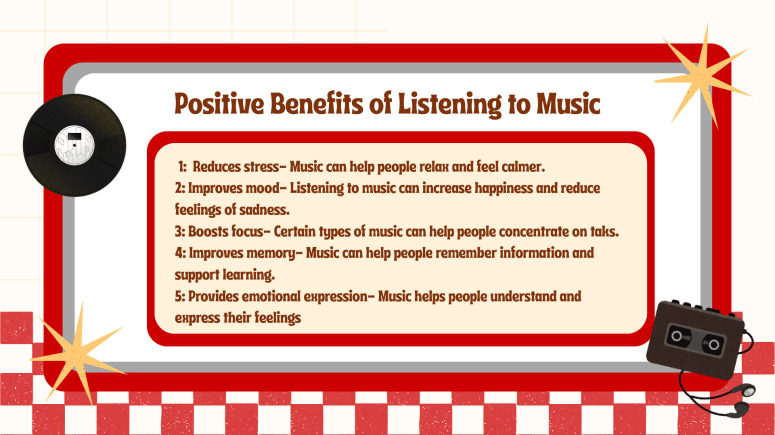
Graphic by Lailah Miller.

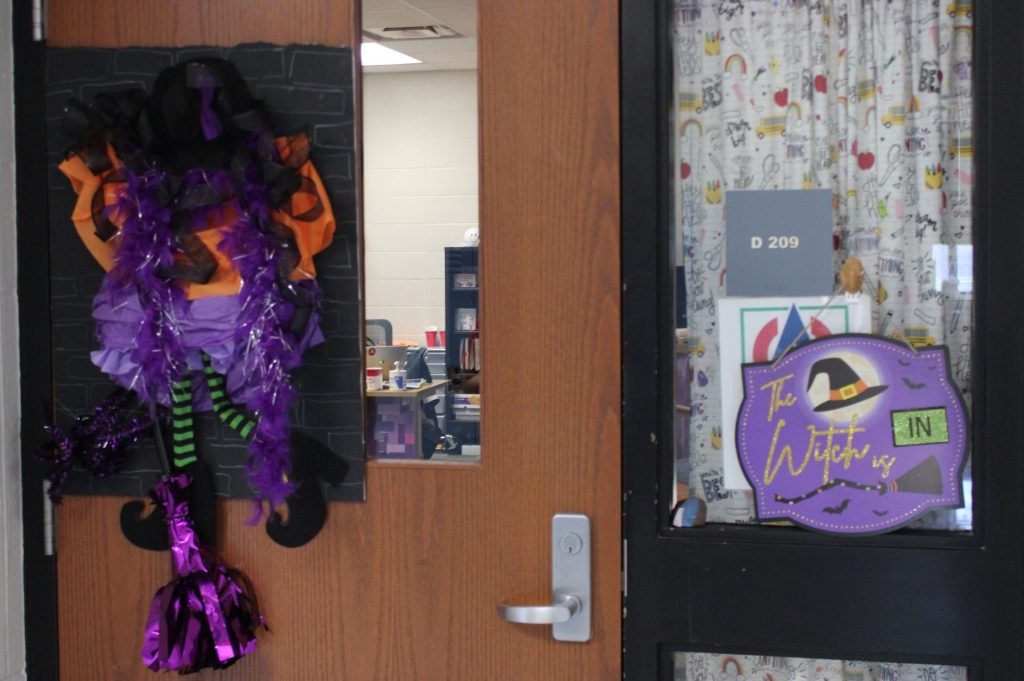
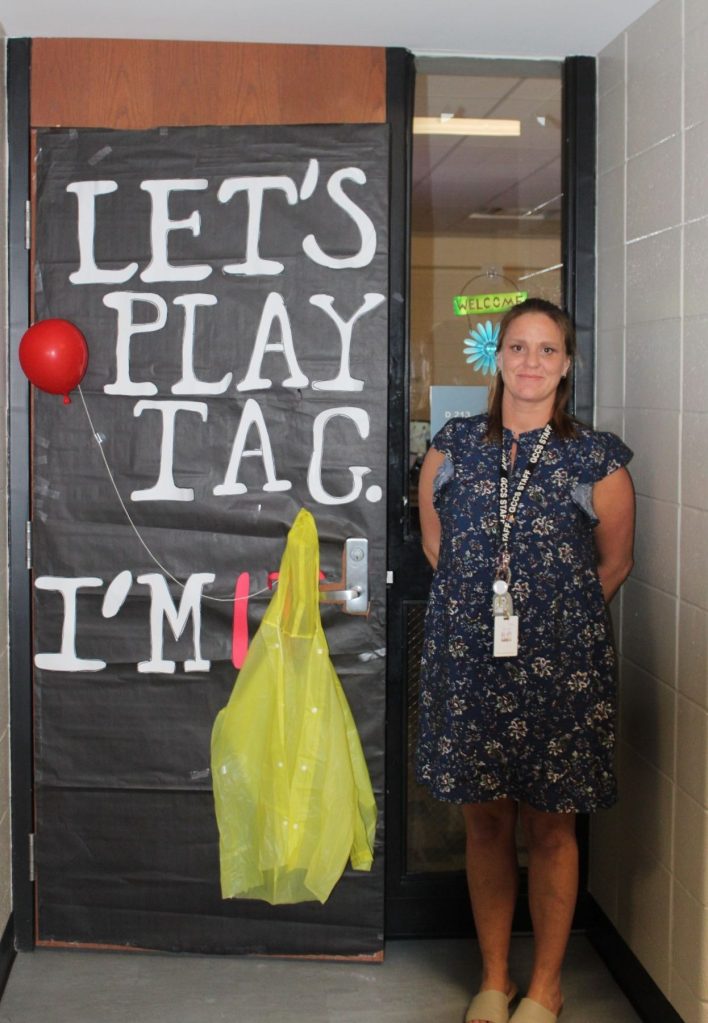
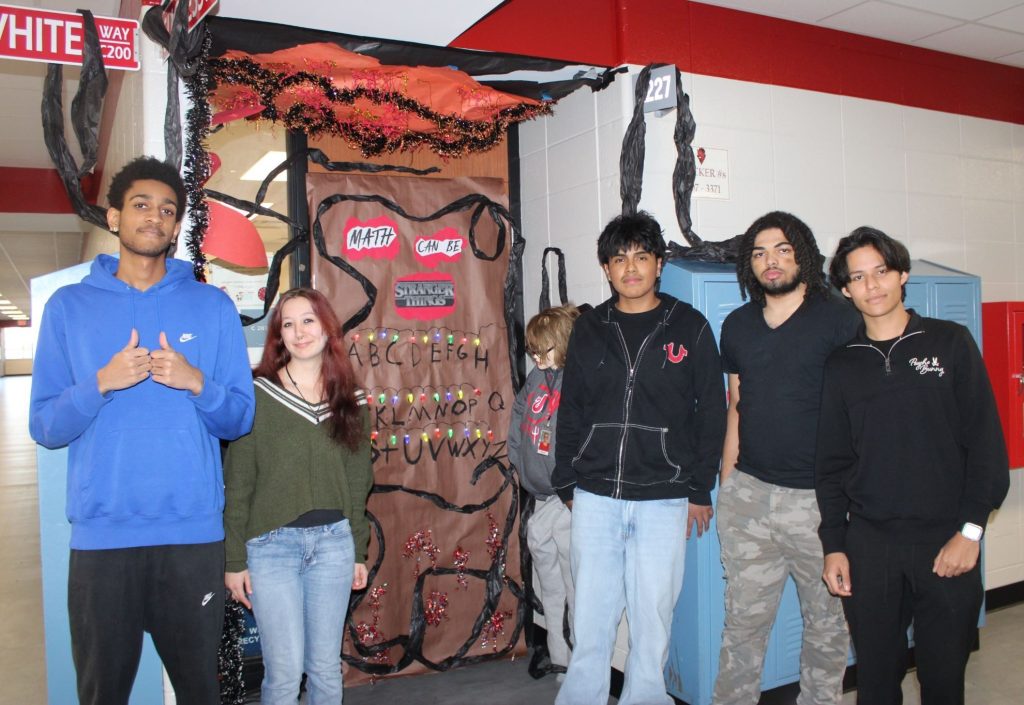
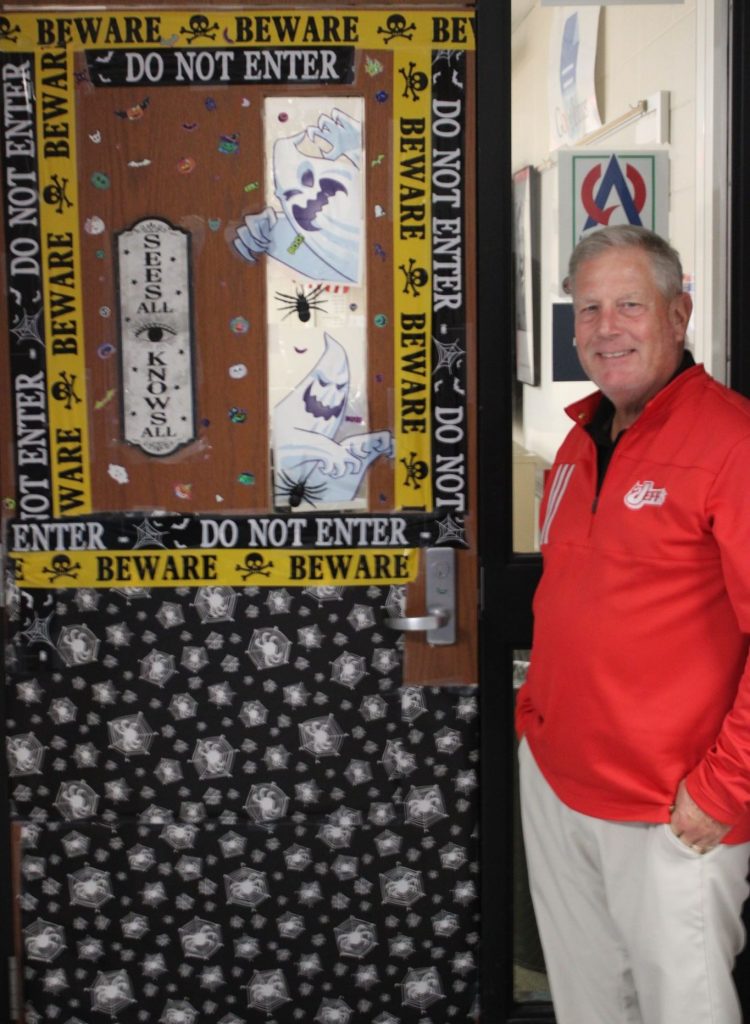
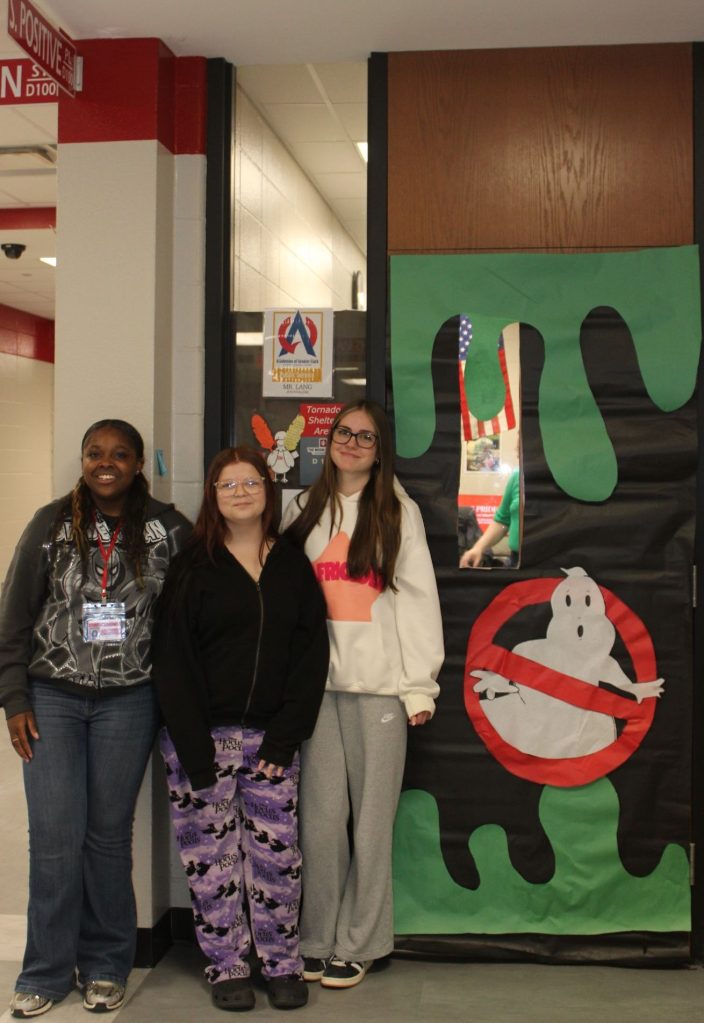
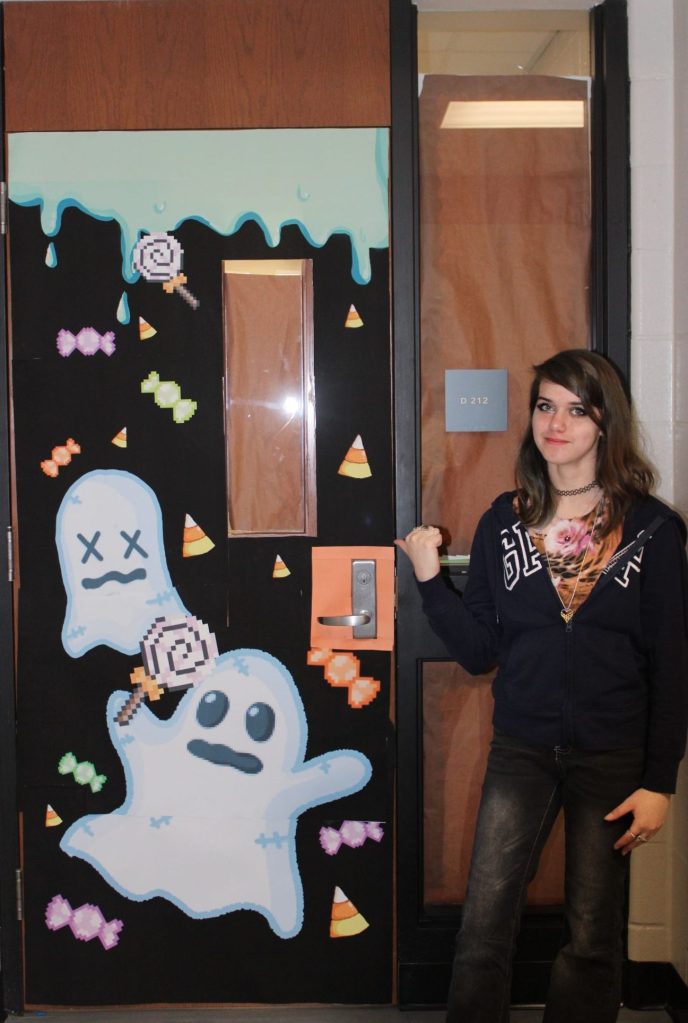
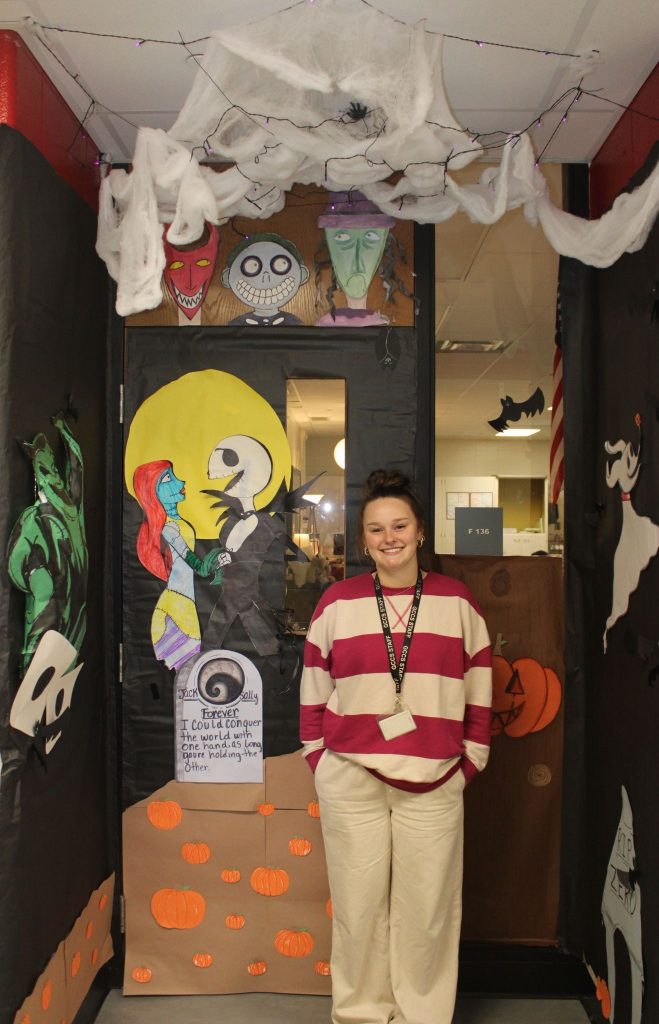
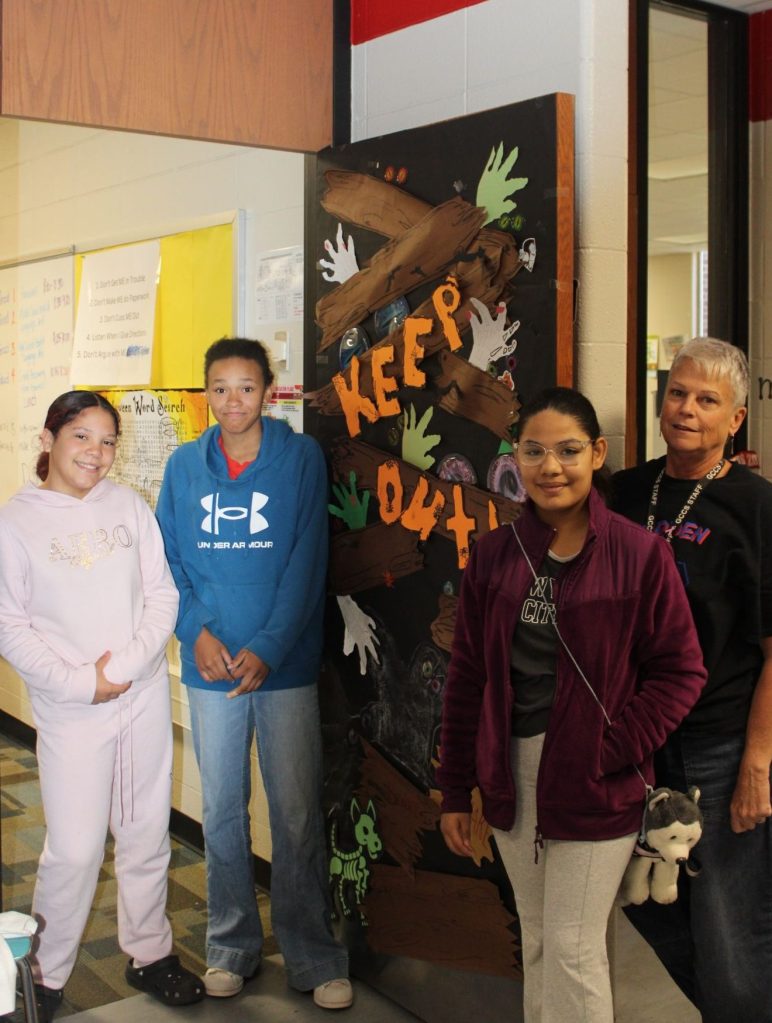
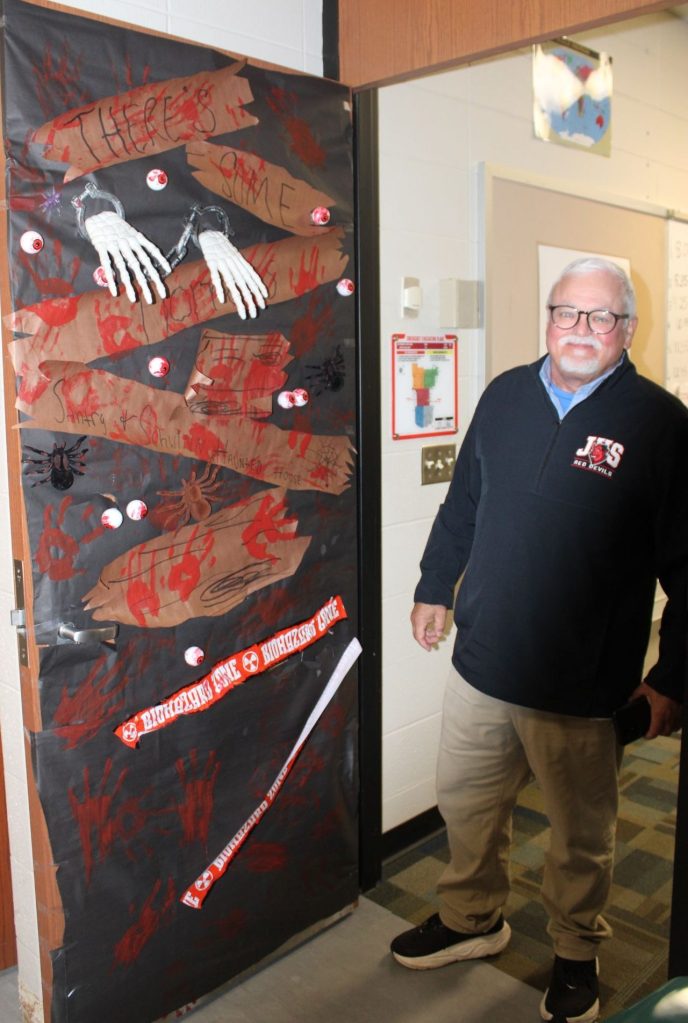
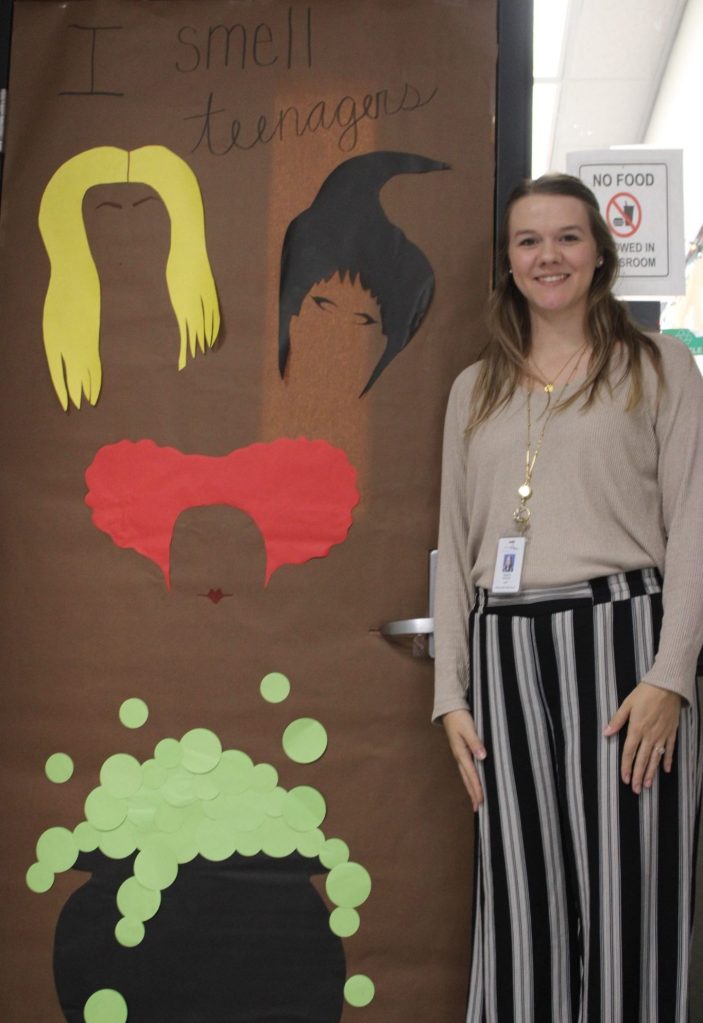
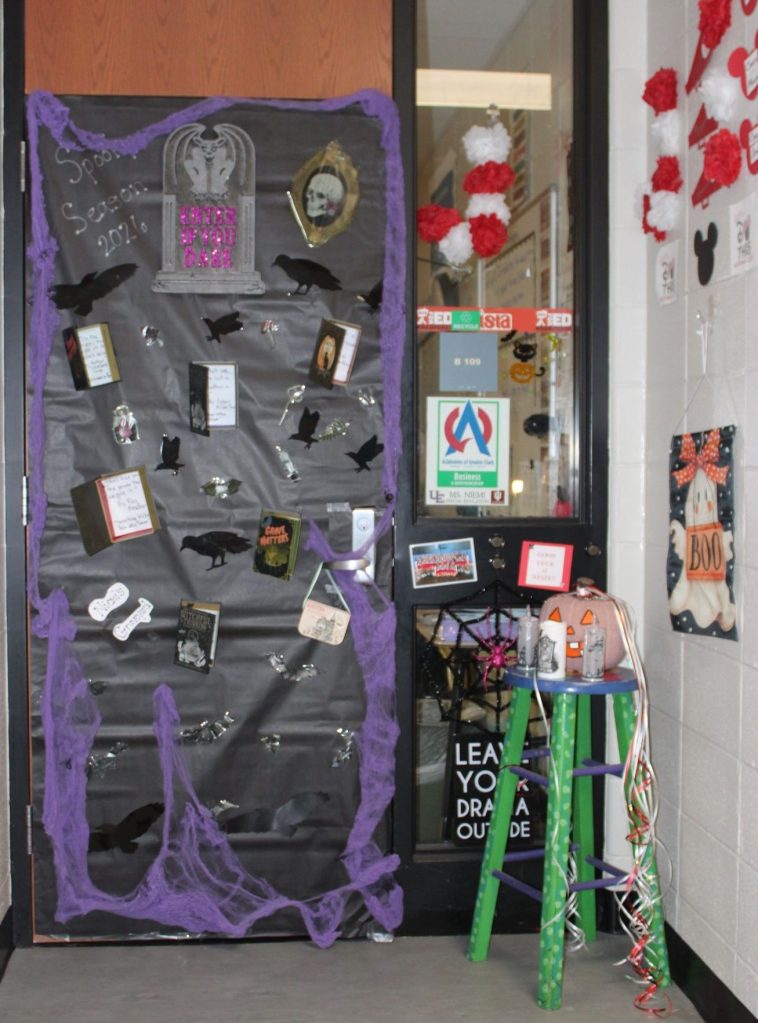
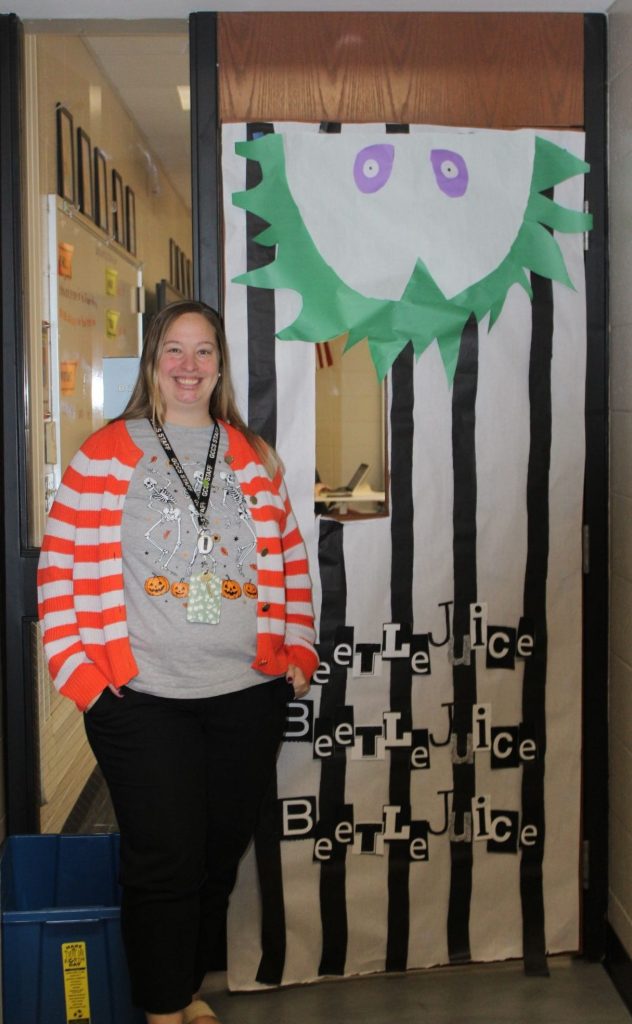
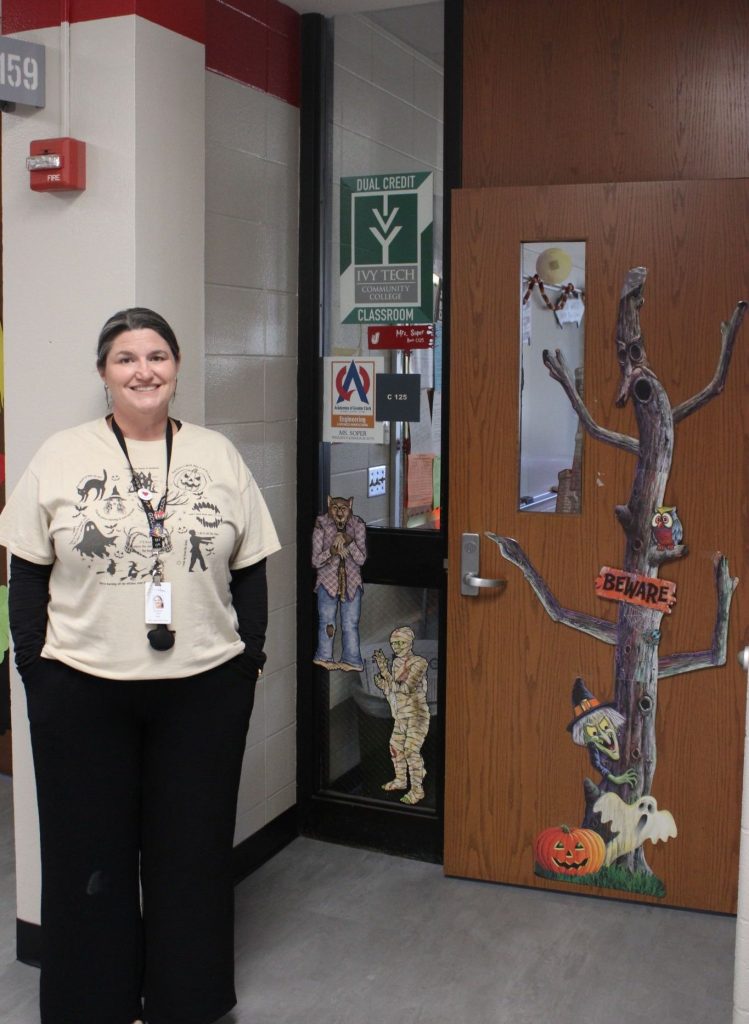
JHS hosts annual Halloween door decorating contest

All photos by Raven Baker and Ashton Walcott.

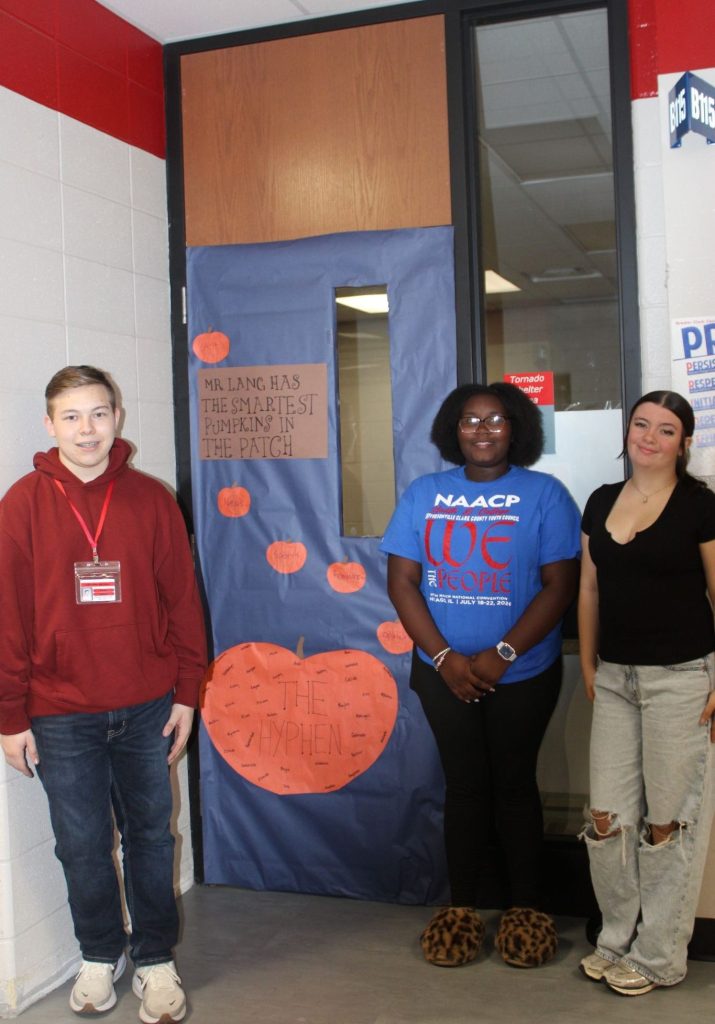
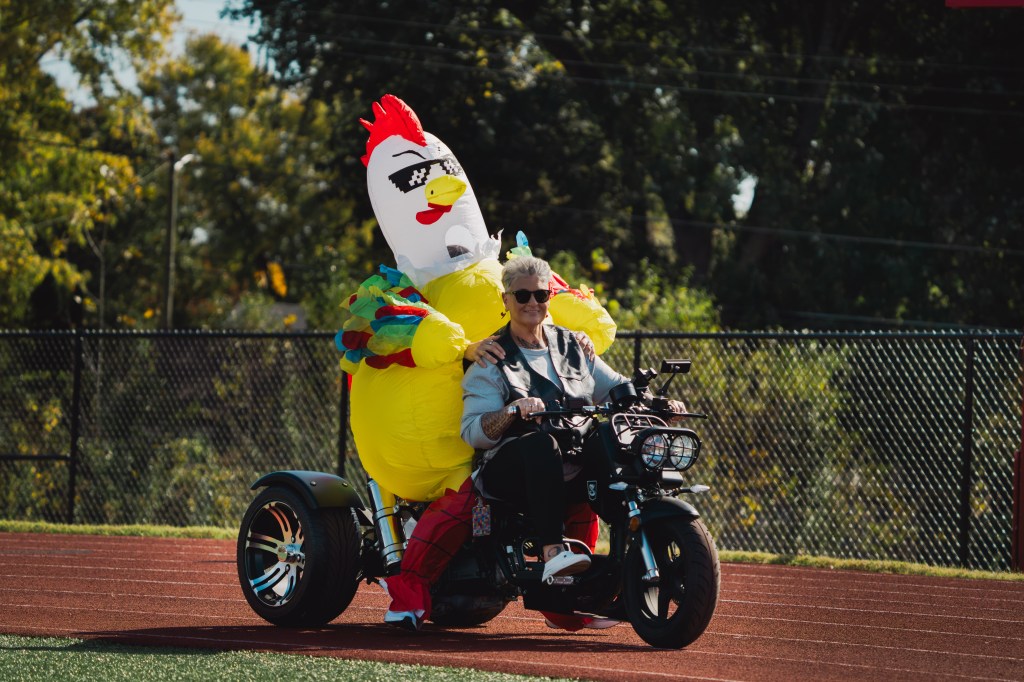
Halloween brings the annual door decorating contest at JHS; this year students and faculty members joined forces to celebrate the scary season.

JHS implements new room numbers during fall break

by Isaiah Gatton and Elijah Lahrman

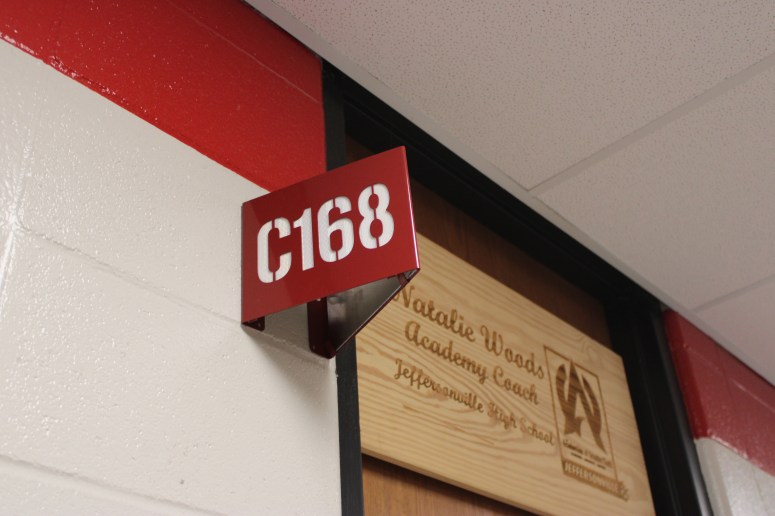
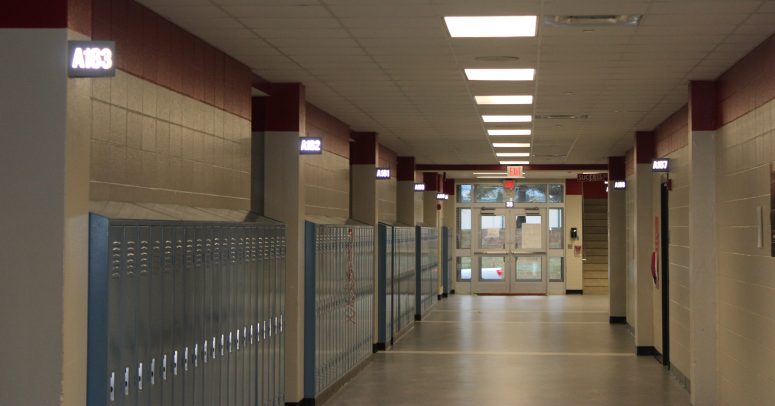
New room signs have been installed throughout the school to make room numbers more visible and easier to identify. While the changes are intended to improve school safety, some have concerns about the timing of the transition and the confusion caused by the new numbering system.

Main hallway. Photo by Isaiah Gatton.
Math teacher Steven Skees said he supports the idea of making room numbers more visible, but believes the school should have waited until the end of the school year to introduce the changes.

“I think it is kind of good to have signs like that, more visible and everything like that,” Skees said. “But I feel like they probably should have waited until the end of the school year, so there’s less confusion about who’s going where.”

Skees said he has only had one person come to him because of confusion over the room numbers. Although he has not experienced widespread problems, he said displaying two different room numbers can work against the goal of improving safety.
“When you have two numbers on the room, I think that actually does the opposite of what they were intending,” Skees said.

Despite his concerns, Skees said students and staff will generally adjust to the changes. He said he expects the transition to work out fine as people become more familiar with the new numbering system.

Similar to Skees, sophomore Logan Vidt agreed that the new signs not matching the old signs has been a weird adjustment for him, especially for older students. However, he added that the new signs will help future incoming freshmen.

“I think it is harder to navigate since they don’t match because of what I’m used to; it was easier last year,” Vidt said.

Vidt sees the traditional way of looking for the room number as easier to navigate through the school because he did it all last year. However, he also sees the potential benefit of the signs for incoming freshmen, who will not have to fully walk in front of a door just to find the room number.

Safety supervisor Brian Mitchell explained that the function of the new signs will be helpful in case of emergencies and help newer students navigate throughout the school.

“The new signs implement safety for mainly first responders,” he said. “It’s designed that each number is color-coded to its own. It matches the exterior door in that area, so anything in the gray that you see, everything on the exterior door, their numbers will be gray, so if they have an emergency they know that it’s in a gray area and any exterior door with the gray color, they know they’re in the right area in the building.”

Mitchell also said all the signs are reflective, allowing first responders to shine a light down the area and see the signs, as well as the exterior numbering outside the doors, which leads to a quicker response to emergencies.

New signs light up and shine back as a safety feature. Photo by Isaiah Gatton.

“When you’re giving direction and telling someone an actual number, versus maybe just saying the bathroom by the staircase, some people might not know that, but if you give an actual number, it’s more helpful,” Mitchell said.

Mitchell also explained that the new signs are being implemented throughout all the schools in the area, causing the company to have to install them at the inconvenient time of the beginning of the school year.

“Well, the reasoning behind that is that the company we are working with is out of Michigan.They actually make the signs themselves. They have a time schedule because we are doing the entire district, and if there are any problems with any of the signs, they have to remake them,” Mitchell said.

Mitchell explained that the new signs will help students and visitor with navigating the large building.

“It will help people,” said Mitchell. “I think it will be easier for incoming freshmen or someone who doesn’t know the building because there is also a map in the front of the school that shows where you’re at in the building. I think for someone who doesn’t know it will help them.”

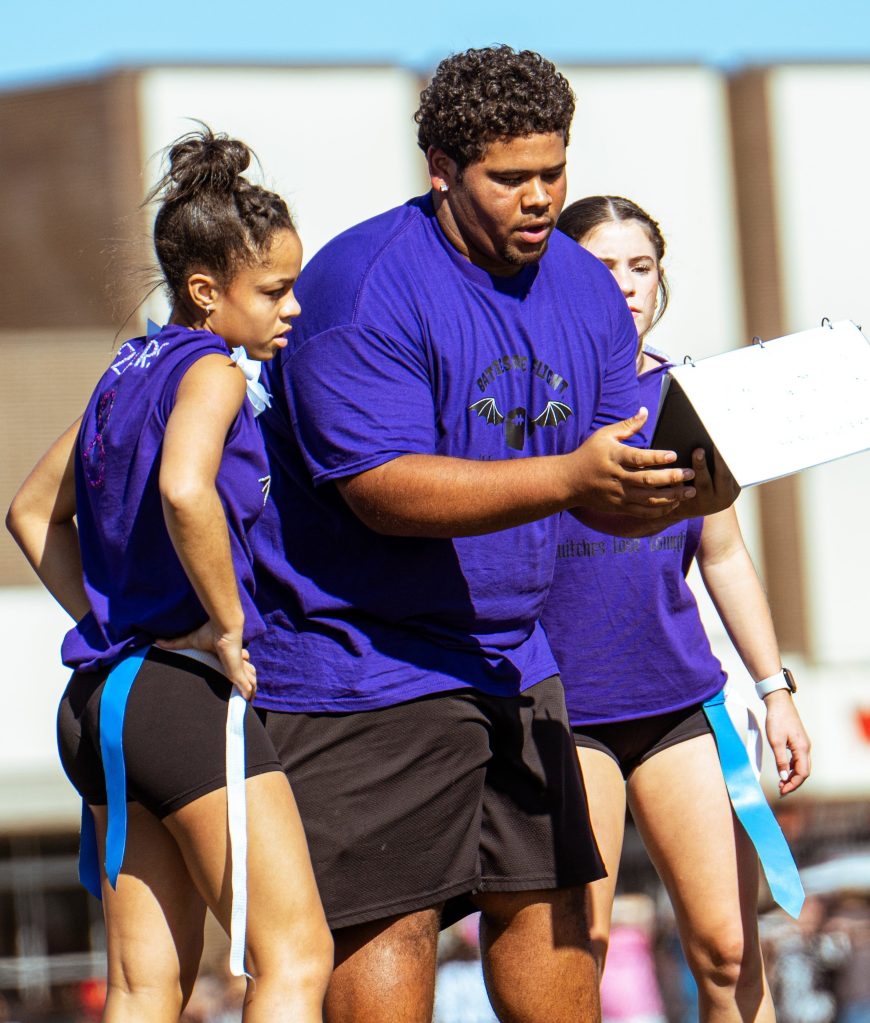
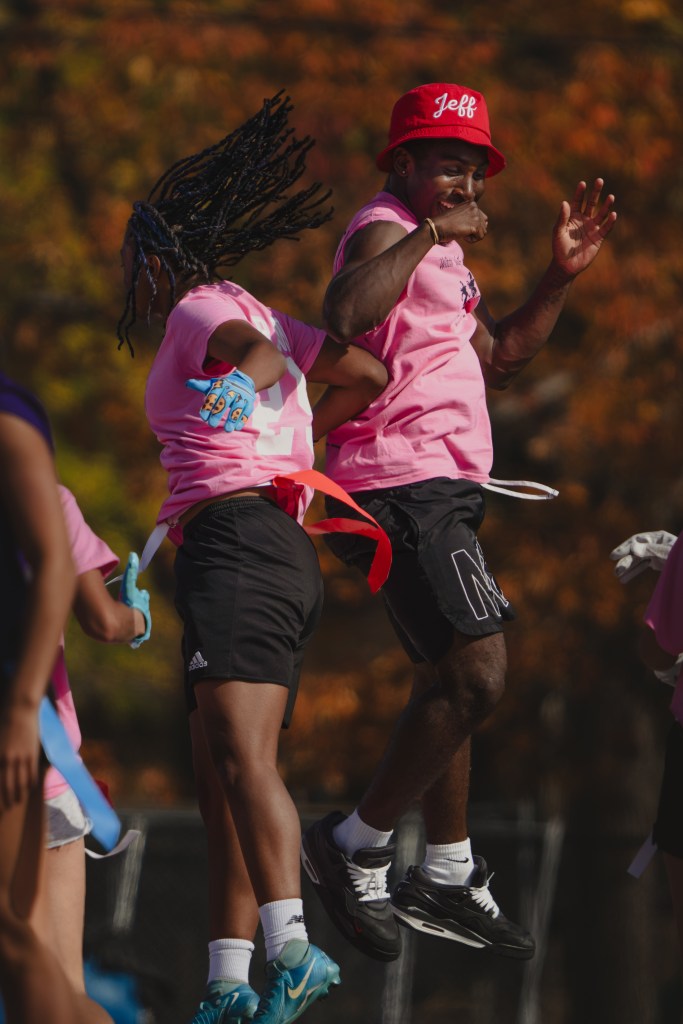
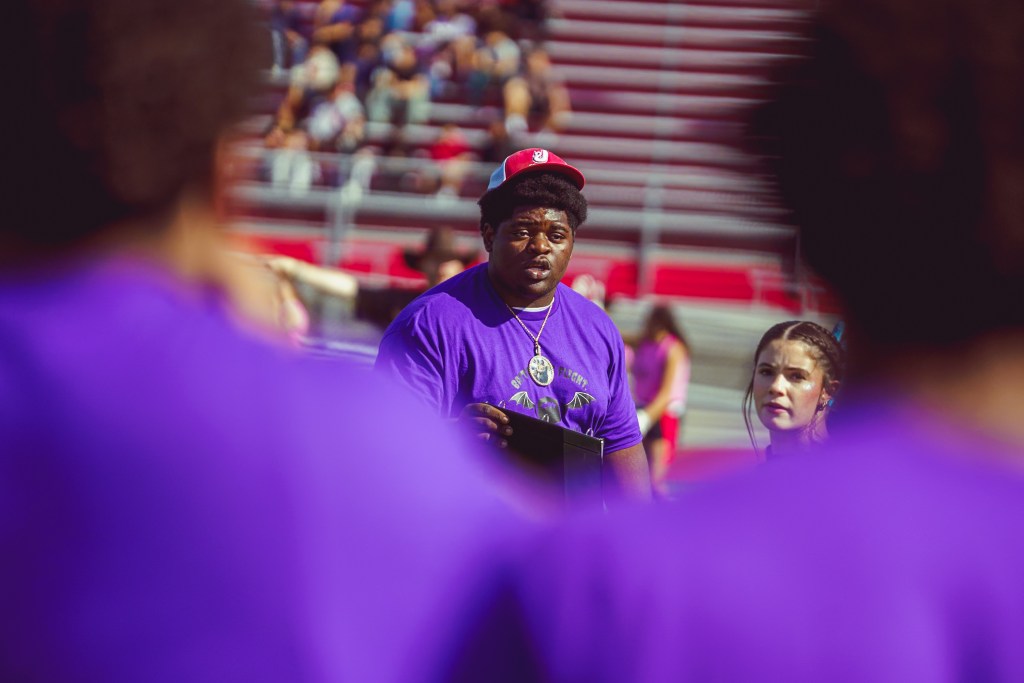
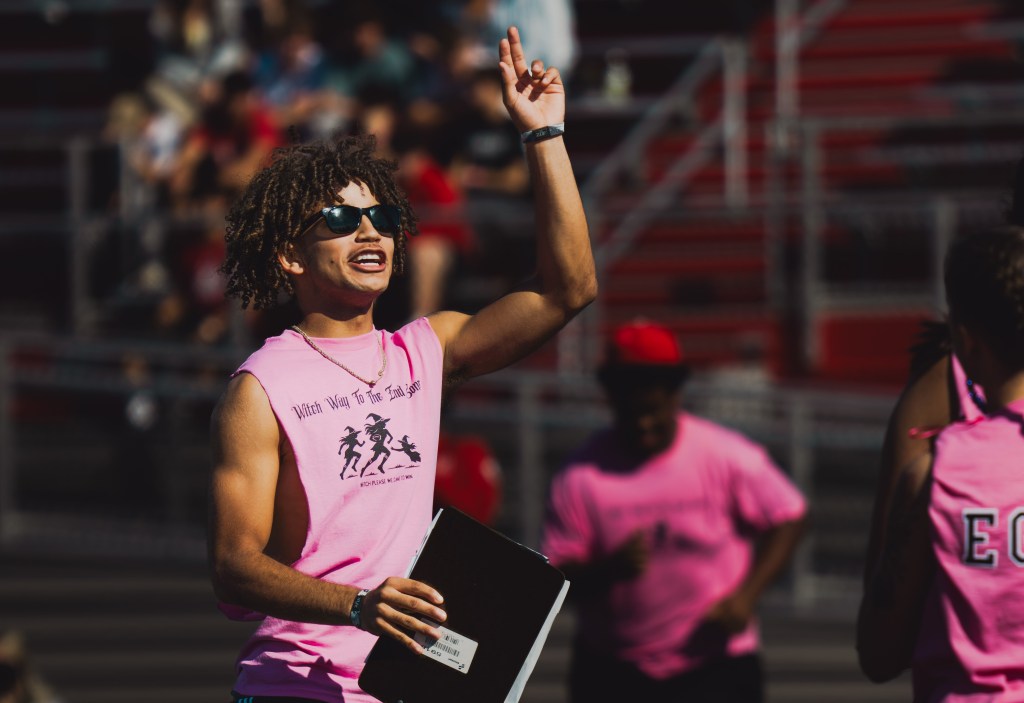
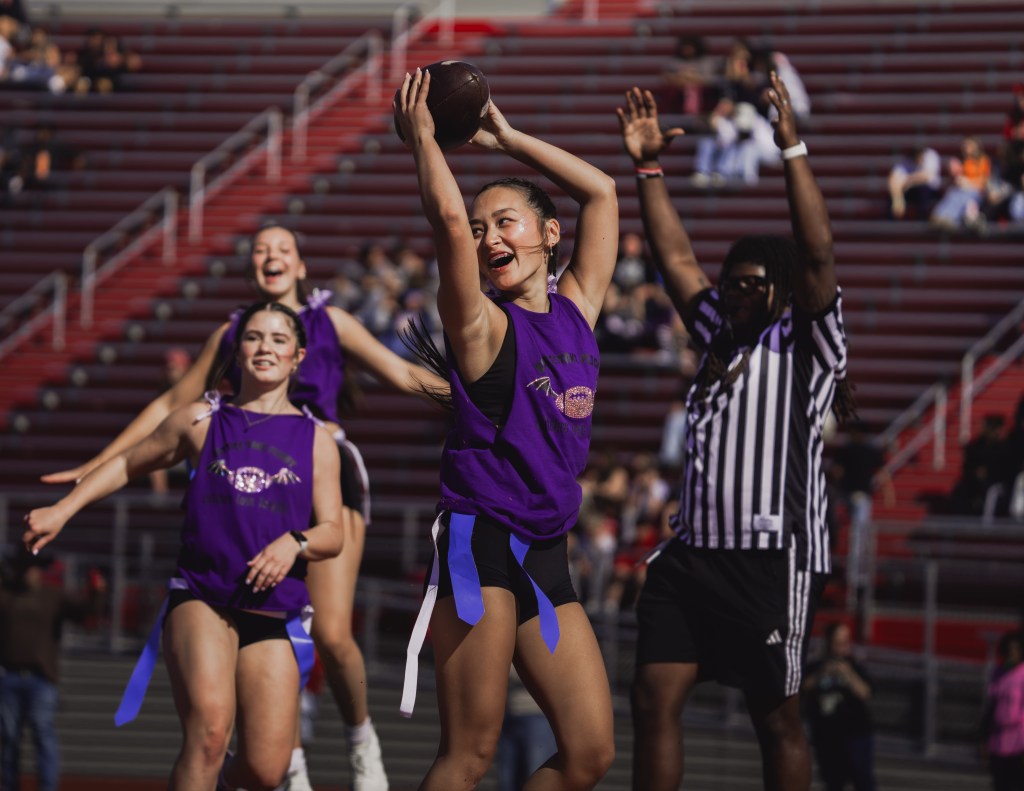
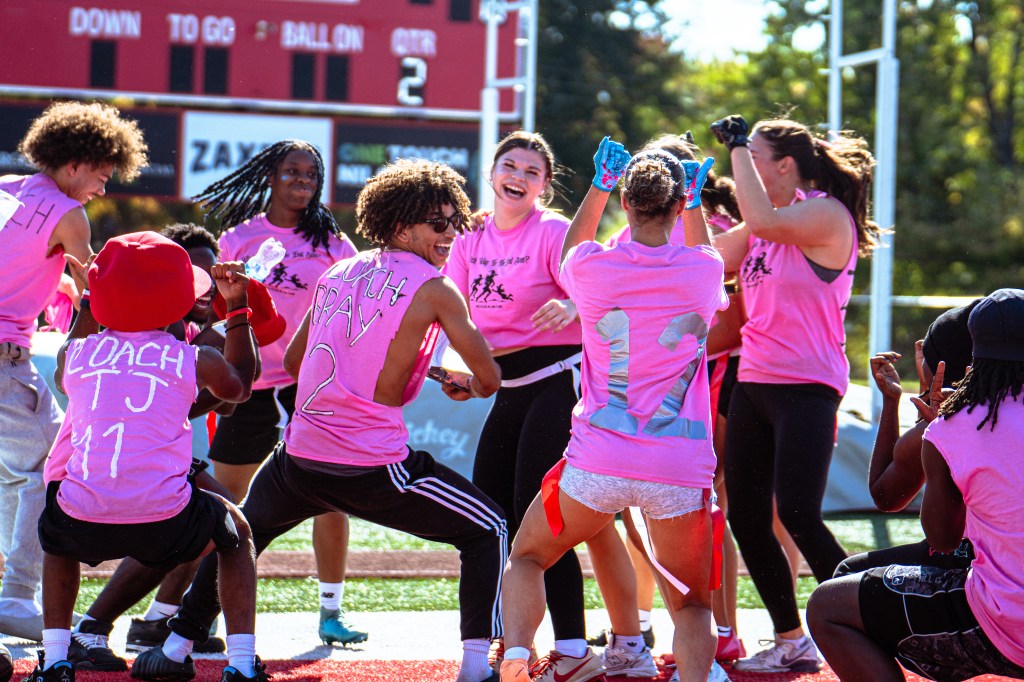
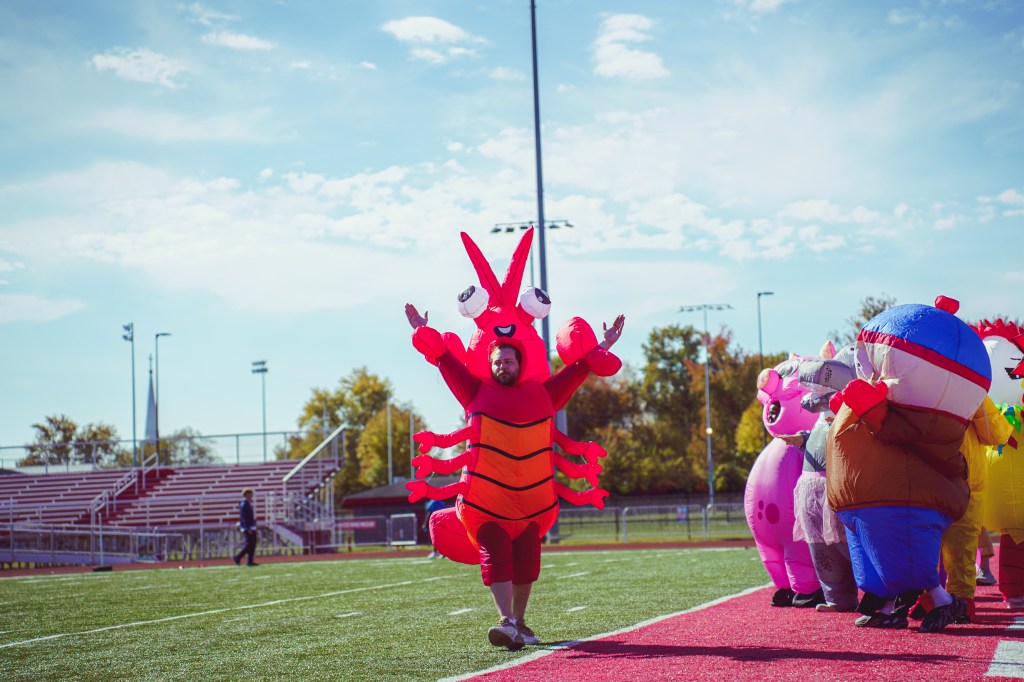
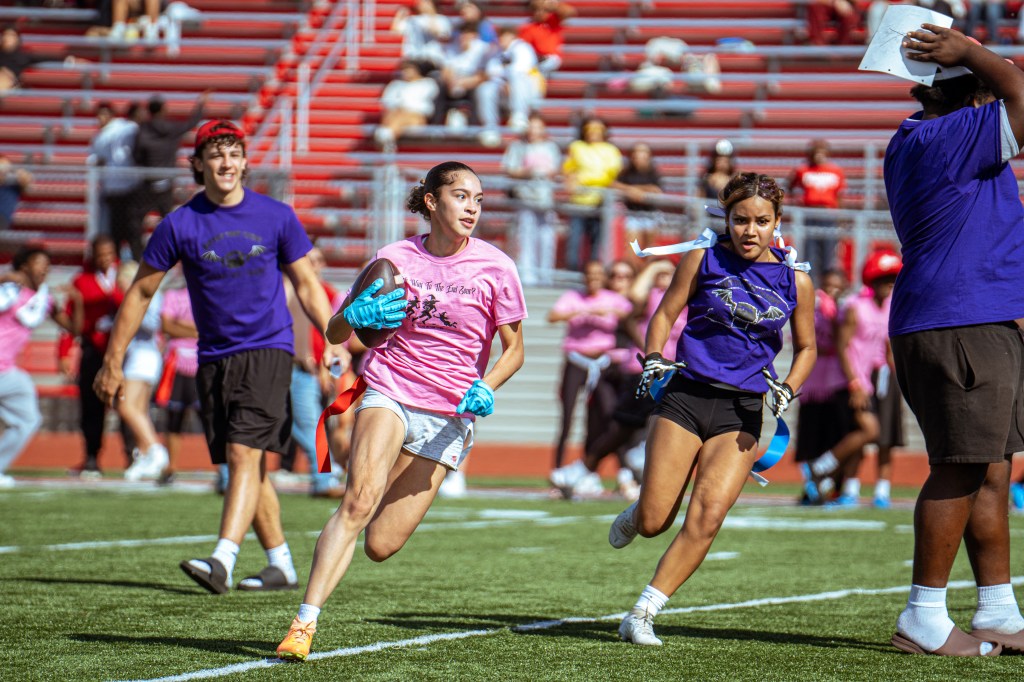
Red Devils celebrate Halloween with annual Powder-puff event

Photos by Malachi Conrad, Shelby Keesee, and Logan Vidt.

Scary movies have a frightful history

by Natalie Creagh and Aurora Grisham

From blood-filled elevators and “One Wish Willows,” to that feeling of anticipation and caution, wondering what’s going to happen next, horror movies can be a crowd favorite to some or a nightmare to others.

Art by Jeremiah Rogers.

Horror films have been around for many years and have also changed with how fear is portrayed and what the generations consider scary. So how did this all start, and how do horror films continue to evolve and frighten people?

The first horror film ever made was “Le Manoir du diable,” known in English as “The Haunted Castle” or “The House of the Devil,” in 1869 by George Méliès. The film included cauldrons, bats, skeletons, and ghosts, things that someone in 2026 wouldn’t be as scared of.

The first popular, full-length horror film was “The Cabinet of Dr. Caligari.” Other iconic classics include “Dr. Jekyll and Mr. Hyde” by Robert Louis Stevenson, about a scientist named Henry Jekyll who, when testing out a potion, becomes his beastly alter ego, Mr. Hyde, terrorizing and killing the people of London.

Everyone knows and loves the classic films, such as “The Texas Chain Saw Massacre” and “Carrie,” but new movies are constantly coming out, like “Obsession” and the newly-released “Other Mommy.”

Everyone has their favorite horror movie, and there are many to choose from. Let’s see what movies students and staff prefer.

Junior Kai Helton, who says he prefers the more classic horror movies, said his favorite horror movie is the 1996 “Scream.” Helton said that, if he had to spend a full day in a horror movie, it would be “Silence of the Lambs.”

Helton said, “If I wasn’t a main character, I don’t think anything would happen to me.”

“The Silence of the Lambs,” released in 1991, follows a young FBI trainee, Clarice Starling, as she hunts for a serial killer, “Buffalo Bill,” and seeks advice from the brilliant psychiatrist and insane cannibal Dr. Hannibal Lecter. The movie is a psychological horror, full of moments of fear and suspense.

On the topic of psychological horror movies, sophomore General McLain finds that psychological horror movies are interesting.  The movie McLain would want to be in was the 2005 movie “The Descent,” a movie about a group of friends going on a gone-wrong cave-diving expedition. McLain said that he prefers classical movies, with his favorite being “The Conjuring.”

With classical movies, APUSH and government teacher Robert Russell said that his favorite is “The Silence of the Lambs.”

“I think it’s the most realistic horror movie I’ve seen,” Russell said.

Russell responded to what movie he would prefer to be in with The Silence of the Lambs, for the reason of finding FBI profiling to be very interesting and their process of finding serial killers.  He said that he prefers classic horror movies like “Halloween” and “Carrie.”

English teacher Grant Vance said, “I’m a huge fan of the original ‘Halloween,’ and I did my college English thesis paper on ‘Scream.’”

Vance felt that, if he had to spend a day in a horror movie, he would pick “ Buddy,” a new movie released in August of this year. “I think it would be a fun one,” he said. The story follows a group of kids trapped in a “Barney and Friends” style world with an orange unicorn named Buddy, who takes a dark turn from the typical kids’ show.

Most everyone likes horror films, with horror being a universal theme. From psychological to thriller, horror is an undying genre that is being constantly revamped and the standards are constantly changing.  From “Le Manoir de diable” to “Obsession,” there’s always something for everyone to watch.

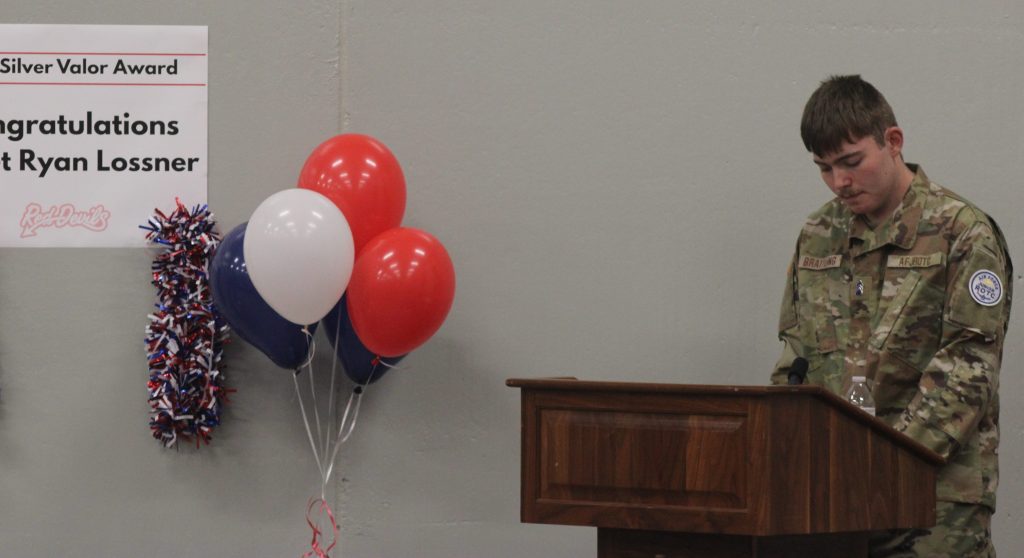
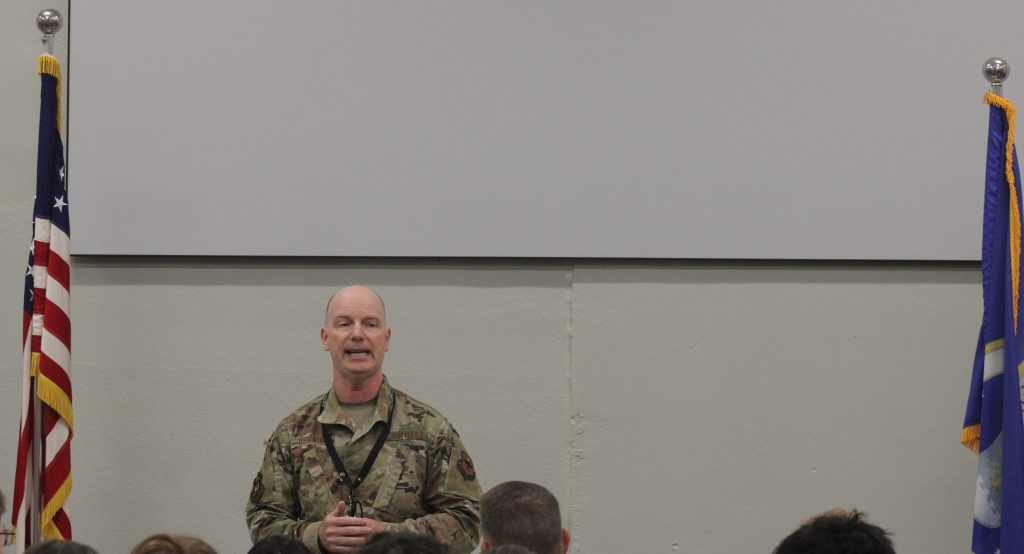
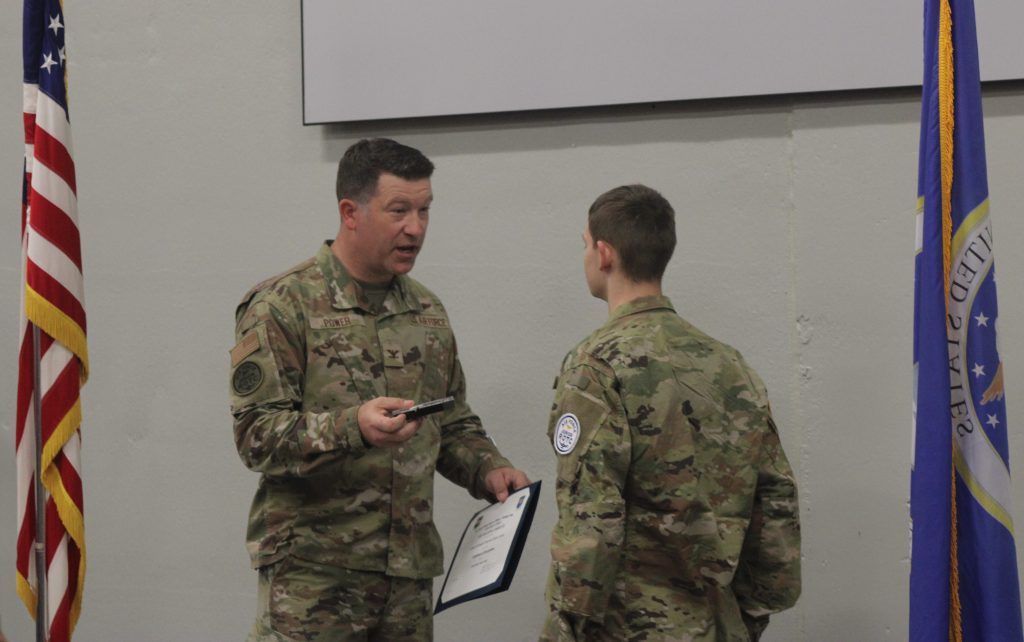
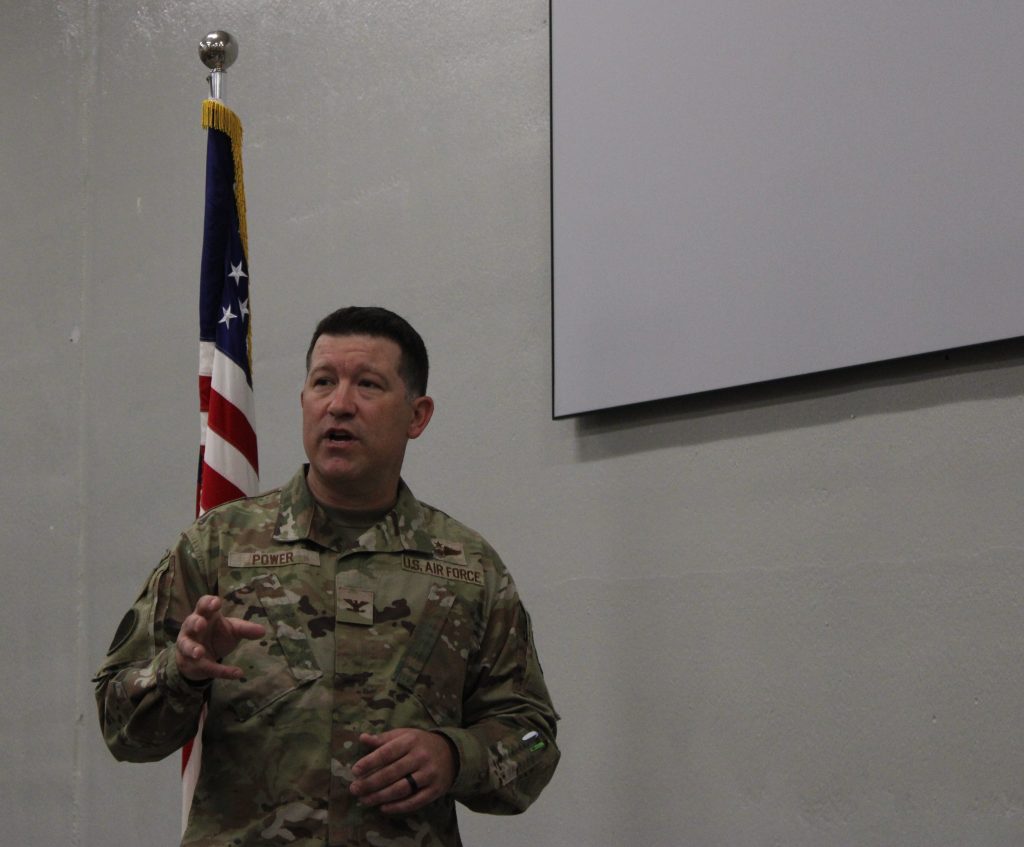
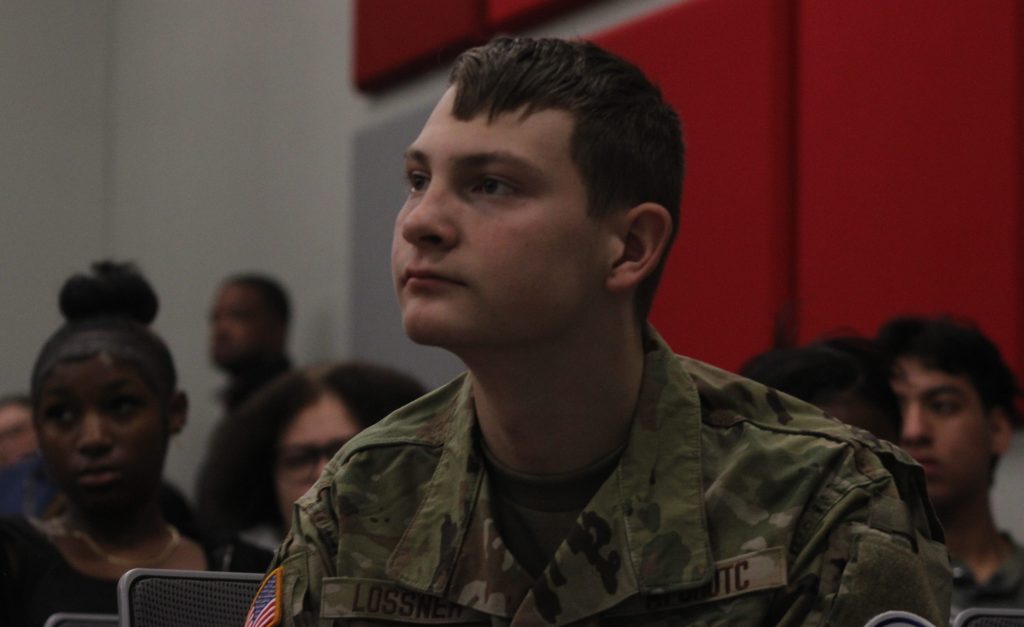
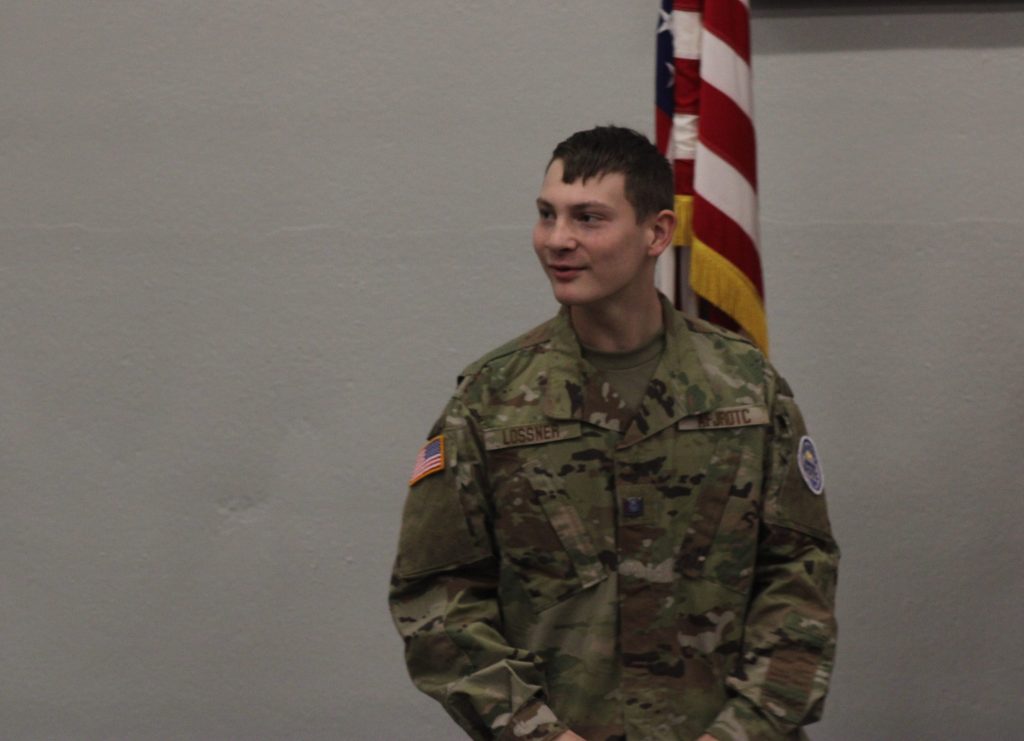
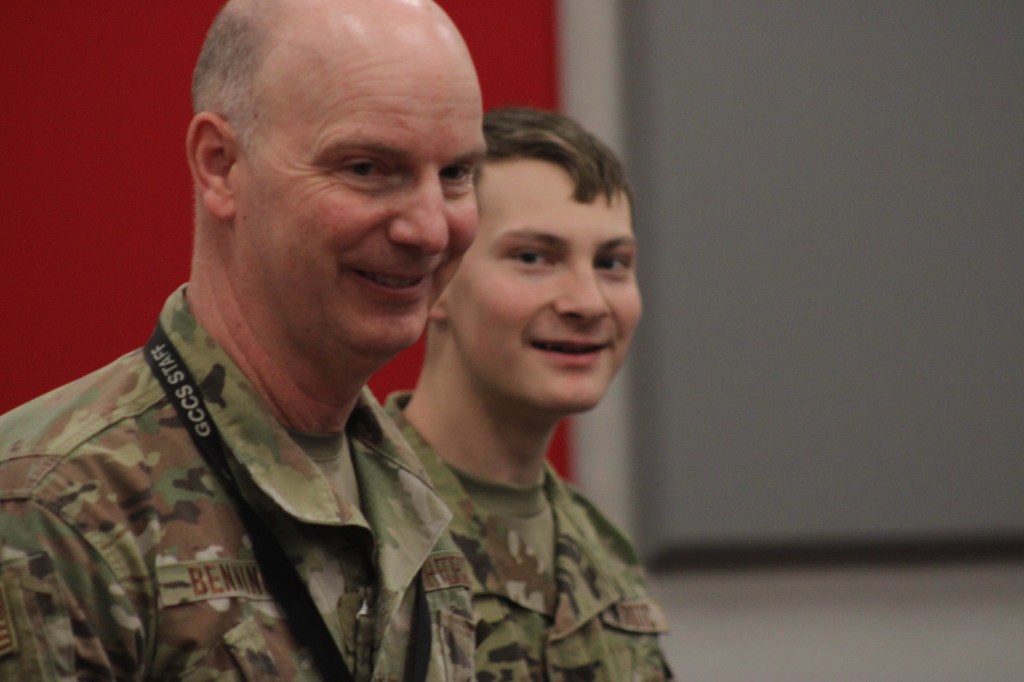
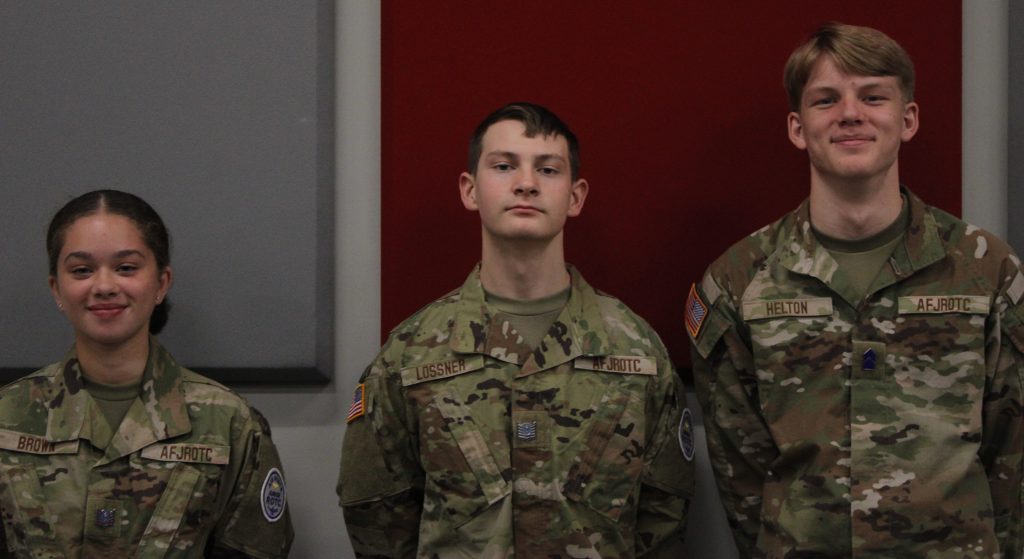
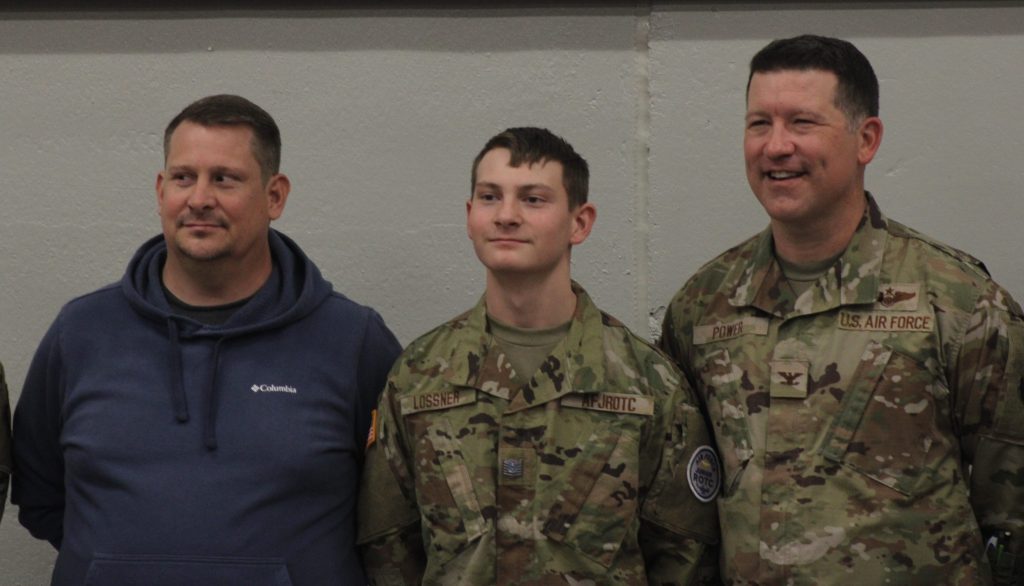
JROTC cadet Ryan Lossner presented Silver Valor Award on Monday

Photos by Ashton Walcott.

Red Devils prepare for girls’ basketball season

by Layney Derricott

A new season comes with new opportunities, challenges and goals.

The girls’ basketball team is preparing for the court. Coming off of a 14-11 season last year, they’re ready to improve. Preseason practices have been a great chance to get ahead on this season’s improvement. Junior shooting guard Lili Mangrum shared that the new season has brought adjustments for the Red Devils.

“We’ve been learning how to play with the lower classmen,” said Mangrum, “as well as adjusting to the new people coming in, really working on becoming a team.”

Girls’ basketball is mainly junior led, and these juniors have played together since they were children, forming a lifelong connection.

In addition to Mangrum,the juniors include point guard Makenna Taylor and guard Jazlynn Bryant, among others. Coach A.J. Moye shared that the team’s strong bond will play an important role in their succession.

“Our team is filled with high level characters, mainly led by juniors that are driven and know what it takes. That also strongly care for each other’s well beings and improvements,” Moye stated.

Returning players bring experience and a sense of recognition in each other, while new faces will have to adjust with the pace of high school basketball.

Freshman Trinity Broadway said her biggest challenge during the preseason preparation includes “adjusting to the different levels of basketball,” and “becoming quicker and more focused.”

As the team continues to adjust for the season, they are keeping an eye on competition as well. Junior forward Lorelei Darling identified the two toughest teams.

“The toughest team we will face is Pike, along with Christian Academy. The game will be intense, along with a learning curve we will have to face,” said Darling.

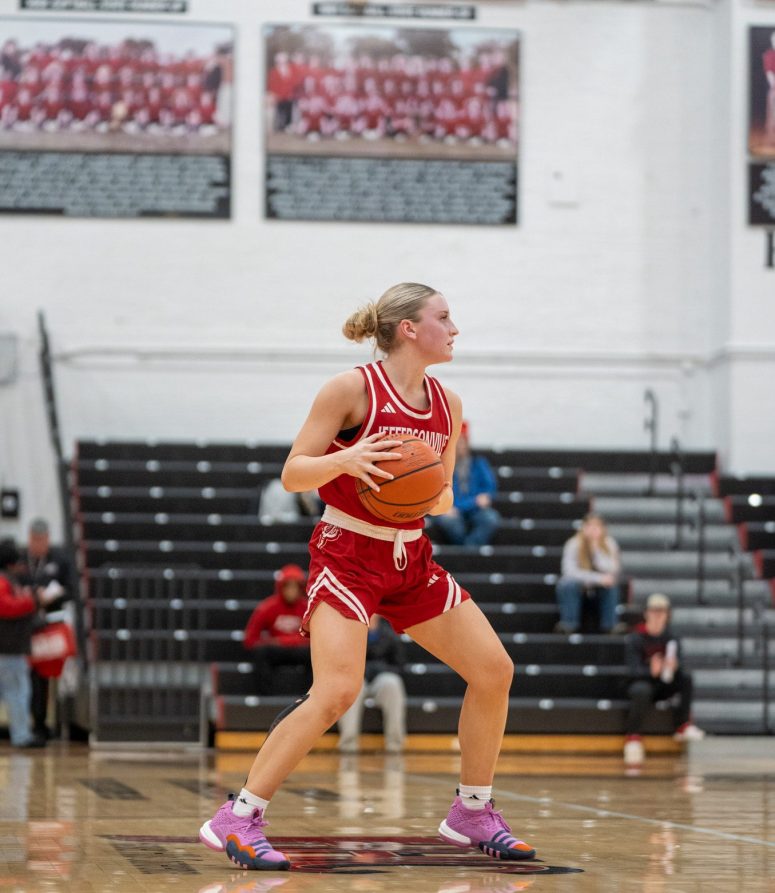
Junior Makenna Taylor prepares to pass the ball during last season’s JHS-New Albany game last season. The Red Devils won 60-48. Taylor is one of several juniors who will lead this season’s basketball team. Photo by Parker McCloskey.

With challenging opponents ahead, experience and determination will be key for the team. Taylor has faced many challenges so far into her basketball journey, saying the toughest being ,”honestly, trying to win a sectional has been tough in the past years, especially since our conference can be competitive. I, however, have a really good feeling about this year.”

That confidence Taylor holds carries into practice, where Bryant said team highly focuses on staying positive, motivating one another, and, “making sure not to fall short, not letting teammates fall short either. Along with keeping practice positive.”

Through encouragement, determination, and teamwork, the team hopes to turn their competitive mindset into success this season. Individual players have their opportunities to make an impact.

Taylor is the player everyone should be looking out for, according to Mangrum, saying she will “wow” the crowd this season with her skills and determination.

While individual talent is important, it only makes up one part of a team. Mangrum added that their combination of strengths all are what truly makes up the team.

“Our team is strong both defensively and offensively mainly due to our abilities to all play at all levels, equally improving and correcting together,” she said.

In this team no one is left behind, as they advance and get through struggles together. Like a family, heading into the season they’re excitedly preparing.

Bryant shared that her excitement resides in really harvesting in the season by “playing with all my teammates, just being all together again. Winning games and really shooting for a sectional win.”

Junior Jazlynn Bryant takes a moment before heading into last December’s game against Floyd Central. JHS defeated the Highlanders 50-47. The Red Devils begin their season Nov. 7 at Castle. Photo by Malachi Conrad.

We need more blood drives across America

by Angelina Beach

The JHS Blood Drive sponsored by the National Honor Society took place last Thursday and Friday, and as a healthcare student who plans on staying in the healthcare field for as long as possible, I think that blood drives are very important.

But most people don’t take them as seriously as they should.

Unfortunately, out of all people who are eligible to donate to their blood drives each year, only 3% actually donate.

So much blood is needed everyday in the United States. That being said, in order to help save lives, we need more people to donate.

Donations have the power to transform lives. Whether it’s someone who has recently suffered a car accident or a child battling cancer, a single donation of blood can save up to three people.

Blood is an important factor when it comes to the healthcare field. Individuals with illnesses that cause anemia will usually be the recipients of blood transfusions.

For example, sickle cell disease is a group of inherited disorders that affect the major protein that carries oxygen in red blood cells, the hemoglobin. It is a disease that requires blood transfusions throughout the patient’s life. This disease affects a good amount of people in the U.S.; in fact, around 1,000 babies are born with it each year.

That being said, people need to start spreading awareness about the importance of blood drives.

Whole blood donations only take a short amount of time, about 8-10 minutes. For a pint, it only takes up to five minutes or less.

For a successful donation, it is recommended donors drink a lot of water, get enough food in their system, and be well rested. It is best to enjoy foods with high iron, in order to keep the body healthy and well energized.

Certain foods and beverages can have a negative effect on blood, including alcohol, fattening foods, foods that reduce iron absorption, and aspirin.

Newer studies show that it is actually healthy to donate blood, both for the donor and receiver.

The more blood that is donated, the more lives that can be saved.

  • Every 2 seconds someone in the U.S. needs blood and or platelets.
  • Approximately 29,000 units of red blood cells are needed everyday in the U.S.
  • Nearly 16 million blood components are transfused each year in the U.S.
  • A single car accident victim can require as many as 100 units of blood.
  • The blood type most often requested by hospitals is type O.
  • According to the American Cancer Society, more than 1.9 million people are expected to be diagnosed with cancer in 2023. Many of them will need blood, sometimes daily, during their chemotherapy treatment.
  • Source: The American Red Cross

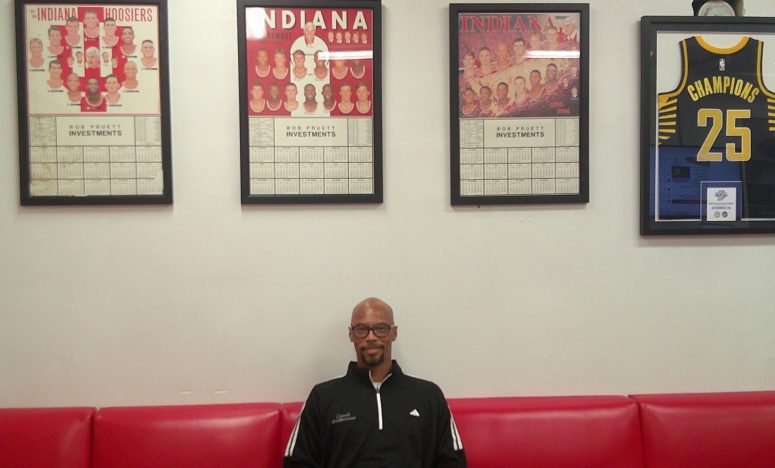
Head coach Sherron Wilkerson motivates players through discipline

by Natalia Martinez

Head boys’ basketball coach Sherron Wilkerson scans the hallway by the lunchroom, looking for problems to solve. Most students know him as the coach behind the game plan for JHS players.

“I coach basketball to teach kids and get to help them and teach them the things teachers and others don’t really get to teach them,” said Wilkerson.

Wilkerson played basketball at Jeff High before he ever coached here, as he was on the 1993 state championship team. He has carried what he learned from playing in that game through college and now to his players.

“Everything I learn from college I teach all at the high school level to show them what it takes, because if you’ve never been there before, you don’t know what it takes to be there.”

Those who know Wilkerson describe him as a good person and role model, saying the way he chooses to teach his players is a view of his character.

“Sherron cares a lot about the kids, making sure to teach them life lessons and put them on the right path in life. People just see his intensity, not how much he cares and helps the kids, and the kids that come back after graduation, he still helps them,” said safety and security officer Brian Mitchell.

Junior and varsity player Shyne Scruggs agreed. “Coach Wilkerson is very serious and a hard worker when it comes to basketball and very smart and intelligent.” 

Wilkerson wants his players to succeed on and off the court. He also supports them when they leave for college.

“He is always thinking about coaching when he’s not coaching, also making sure the kids are good and taken care of at home and if they need something to let him know,” said Mitchell. 

Wilkerson demonstrates the ability to bring out the best in every athlete, pushing them to reach their full potential and setting them up for success for success in the way he views losses.

“We don’t judge off our losses; we judge off performance and growth.’’ said Wilkerson.

Boys’ basketball coach Sherron Wilkerson. Photo by Natalia Martinez.