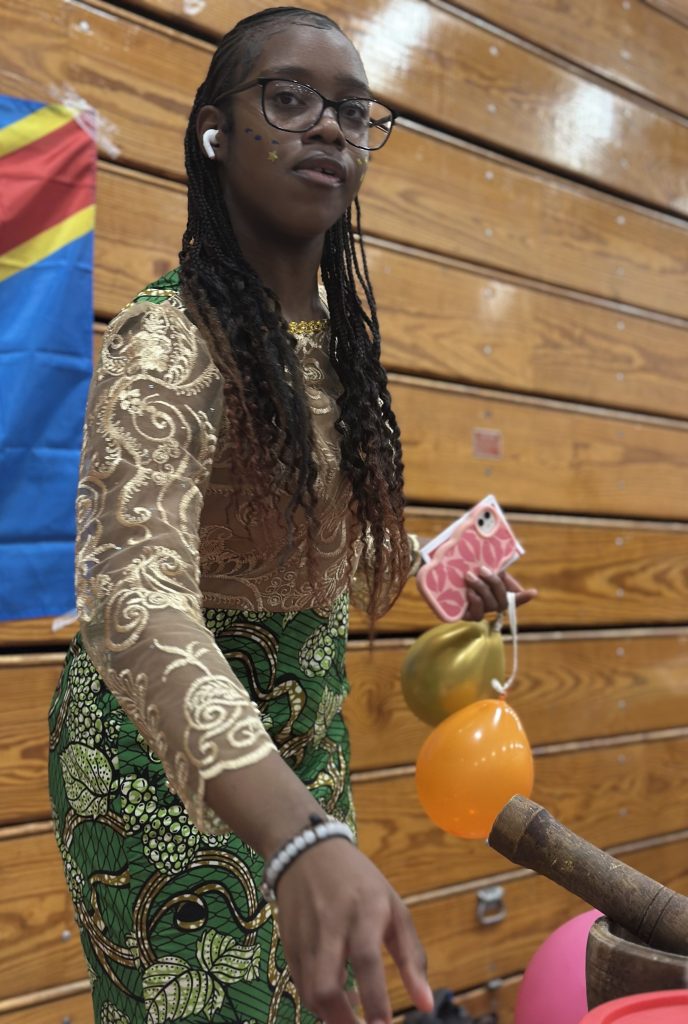
Students, Community come together to collect school supplies and display school spirit
All photos by Magdalene Conrad.

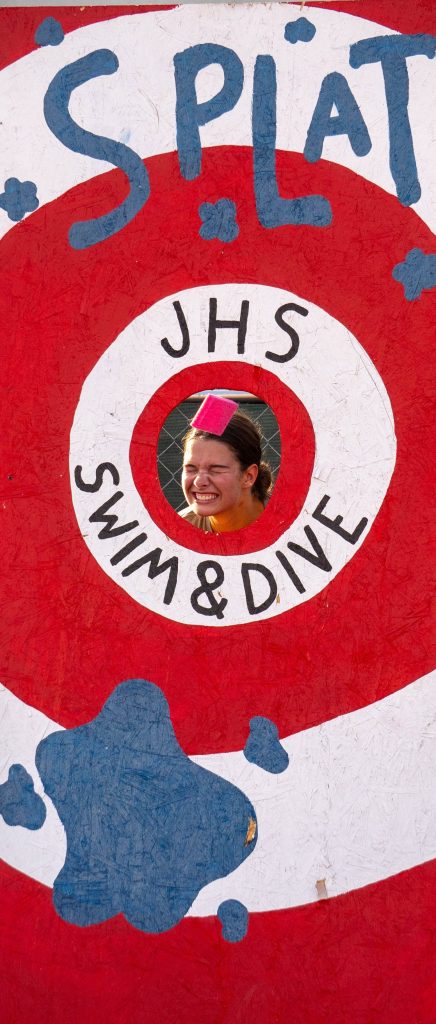


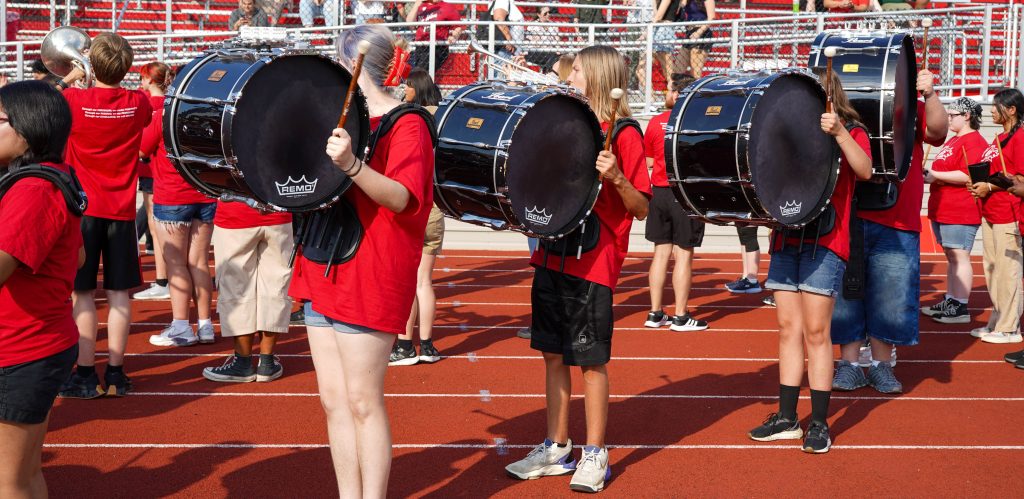




All photos by Magdalene Conrad.

Click on the link below to read the full press release from Greater Clark County Schools:
All photos by Magdalene Conrad.
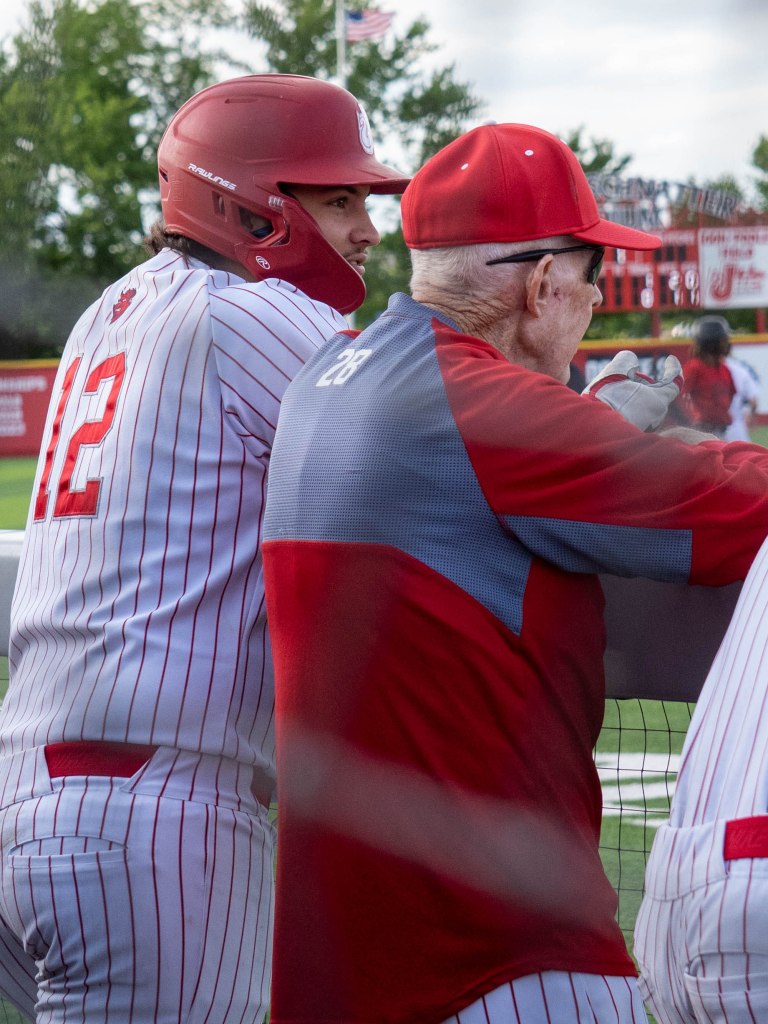
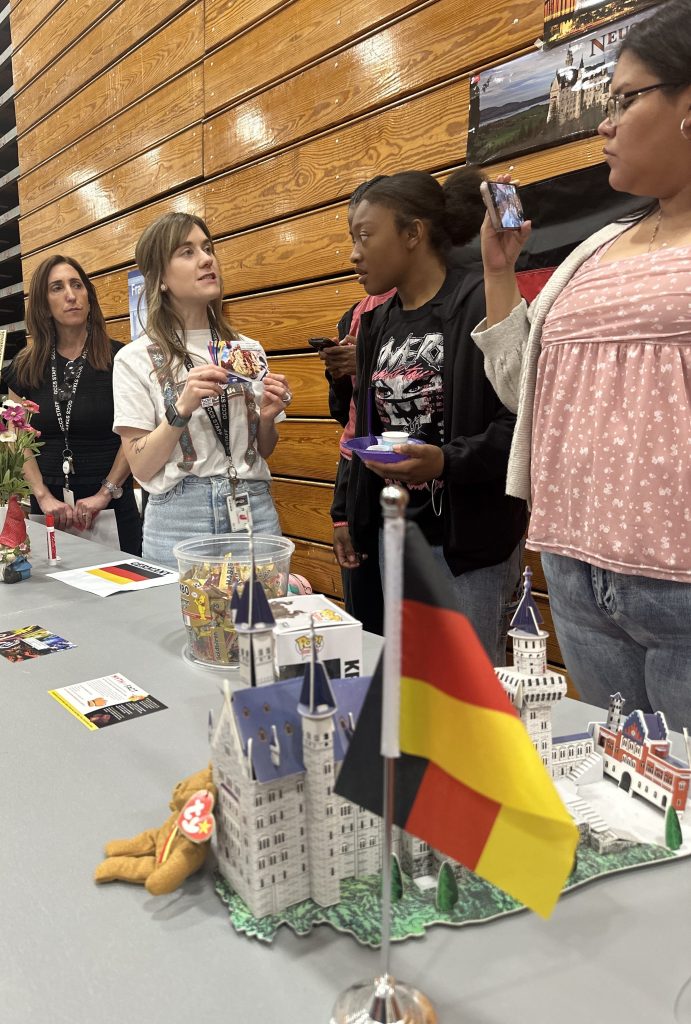
Click on the photographs in the gallery below.








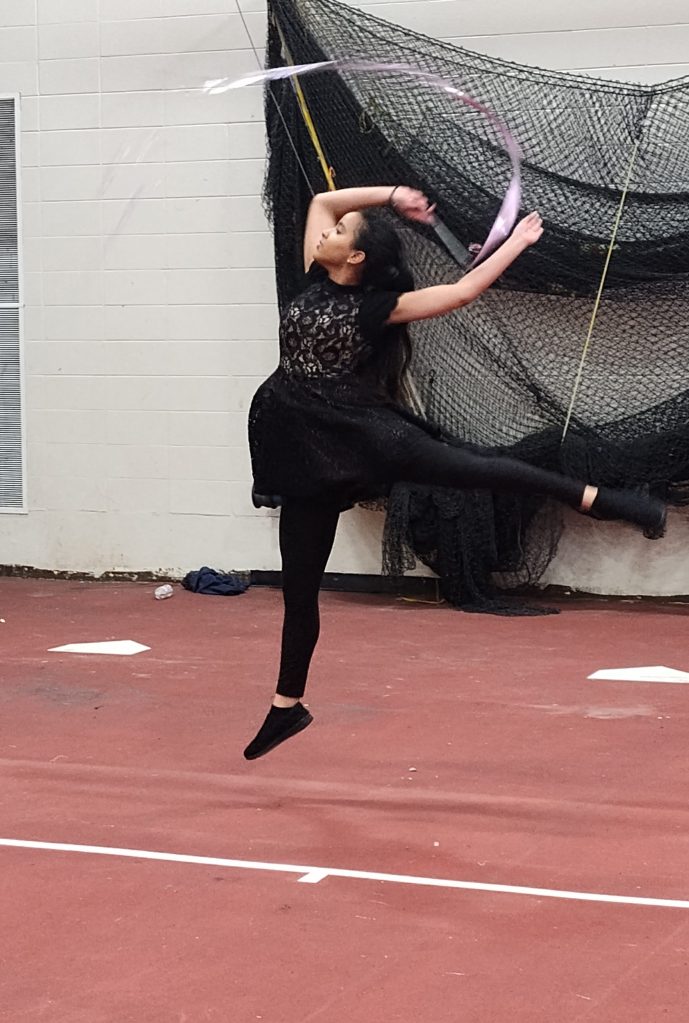







by Mallory Mattingly
Mental health is an extremely intricate topic because there are so many different components to it, yet all of them are equally as important as the other. Mental health issues are really common in youth, ranging anywhere from 10 years old to 20 years old, and more; however, these are the most common. An age range that mental health is an extremely big issue for is the mid teens, like 13-17 years old.
With teenagers, mental health has only become a bigger issue throughout the past few years, stemming especially from 2020 in the COVID-19 pandemic. Mental health is greatly associated with the overuse of social media with teenagers and being stuck in the house in 2020, significantly affecting people’s mental health in a negative manner because one of the main things we all resorted to for entertainment was social media.
Social media can negatively affect anyone because it has come such a long way, and in some cases, that isn’t a good thing. For example, cyberbullying.
Cyberbullying is the use of electronic communication to bully an individual, or multiple individuals. Social media is one of the main ways people communicate in today’s society, and specific platforms and apps are rapidly becoming more and more popular, like the application TikTok. TikTok was essentially a dancing and lip-syncing app and it was meant for ages 13 and up, but several children would get ahold of the app and somehow make their own account and enter a false birth date.
As the popularity of this app continued to rise, the original meaning for the app changed. It went from being a dancing and singing app to an app where graphic news stories would be uploaded or negative posts would appear. These posts were so unlike the other fun posts, that they blew up and went viral, creating more people to want to create that same content. In addition, since almost the entire world has access to this app and the age restriction is able to be bypassed, there are subjects being revealed to young minds that shouldn’t be revealed to them and all kinds of people use this app and many other apps for cyberbullying.
There are accounts on TikTok whose main goal in posting is to degrade certain individuals and then on top of that, people in the comments that are also belittling these people and agreeing with the creator of the account. When someone is being insulted by thousands of people, that is going to take a toll on their mental health without a doubt. Some people will even get bullied by their own friends and peers, which can be worse because these are people you see everyday and have to be around.
A specific story that I always tend to bring up when speaking about mental health is about a girl named Aubreigh Wyatt. Aubreigh Wyatt was a 13-year-old girl that committed suicide due to bullying. Her mother, Heather Wyatt, has used a TikTok platform used to bring awareness to mental health and prevent bullying, whether it’s cyberbullying or in-person. Her mother using her platform for a positive impact on people is what we should be doing with our social media.
If you or anyone you know struggles with mental health or suicidal inclinations, the national suicide prevention hotline is 988.
You matter!

Editor’s Note: Journalism I students who have published on the Hyphen website this school year were given the opportunity to write and publish a final message to readers on a topic and with a style of their choice.
by Juliette Acuna Garcia

I’ve been told I’m “too sensitive” more times than I can count. People laugh off comments about race, act like they don’t matter, or tell me “it was just a joke.” But the truth is that those comments do stick. They stay with you. I know, because one has stayed with me since I was seven years old.
I was only in second grade when I realized that the color of my skin made people see me differently.
It was recess. I was wearing a bright yellow shirt, my melanin skin beaming in the sun. I was ready to play whatever, with whoever. When this little blonde haired girl appeared in front of me, I was filled with excitement. As I was young, I had no shame. I asked her if she wanted to play with me.
“No…I’m scared of your skin color.”
I froze. I didn’t even know what to say. I didn’t cry or run away. I just stood there, confused and embarrassed, wondering what about me was so scary. When I walked away, I pretended not to care. But I did. That one comment stuck to me like glue.
I wasn’t being bullied out loud, but something in that sentence felt deep, ugly, and wrong.
I didn’t understand at the time, but now I know that was a form of micro racism — those small, everyday comments or actions that show bias without being as obvious as a racial slur. People think racism only looks like shouting or violence, but it can look like a classmate flinching when you sit too close. It can sound like “You’re pretty for a brown girl.” It can feel like being left out of certain things, being trapped in your own mind.
What happened to me that day on the playground wasn’t just one moment — it was the start of a pattern I would notice again and again growing up. That memory made me more aware, made me listen harder to what people really mean when they speak. I started realizing how normal it is for people to make those kinds of comments without thinking twice.
It’s in the jokes, when someone makes a comment about how “surprisingly well” you speak English, even though you were born here. Or when someone says, “I don’t see color,” as if pretending racism doesn’t exist is the same as stopping it.
Micro racism is so normalized that people don’t even realize they’re doing it. It hides behind jokes, “preferences,” and stereotypes. And when you call it out, you often get told you’re “overreacting.” It’s frustrating. It’s tiring.
That day on the playground might seem small to some people. But to me, it was the beginning of realizing that the world sometimes sees me differently, and not in a good way … just because of my skin. And I think that’s why it matters so much to talk about it. Because if we stay quiet, these moments will keep being brushed off as “just a joke.”
I’m not angry at that girl anymore. She was young and probably repeating some things she heard at home. But I do wish someone had taught her better. Because we all deserve to feel safe, welcome, and equal. I know I will never really feel that way, but I’m not that little girl on the playground anymore. I’m stronger, and I’m louder. It made me want to speak out, because no one should feel “scary” just for existing in their skin.
I’ve learned to be proud of my skin, my roots, and who I am. Being ashamed of what I look like will never happen again. I will always remember that little girl at recess, and how one sentence made me question who I was. That’s why I am writing this. Maybe if we start calling out these moments, we can stop them from becoming someone else’s memory, too.
Editor’s Note: Journalism I students who have published on the Hyphen website this school year were given the opportunity to write and publish a final message to readers on a topic and with a style of their choice.
by Ayianna Maddox
To be naive once again.
The world out here is cruel.
To not see crystal clear, but to see a cartoon.
To see the world bright and colorful again, instead of bland and dull.
How I miss hearing the ice cream truck’s tune.
Now I wake to a snooze alarm.
To not have a care in the world.
To yearn for the newest toy, not an extra 5 minutes.
The years passed by, believing they’d last forever.
The memories slip away, but small fragments of nostalgia remain.
Excavated memories and treasures.
Innocence to reality.
The world has never looked the same.
Looking back is realizing that every day that naive child is still present.
That naive child lives in my heart, where she’s always been since the start.
Editor’s Note: Journalism I students who have published on the Hyphen website this school year were given the opportunity to write and publish a final message to readers on a topic and with a style of their choice.
by Daysha Gray
We are not failures. We are not unintelligent. We are not a disappointment. We are strong people.
We are all loved. If it’s not by that certain someone we truly need to be loved by, it’s someone else in our lives.
This month is dedicated to those of us who face various mental health challenges. Whether it’s PTSD, anxiety, depression, BPD, eating disorders, or other conditions, this month is for everyone navigating these struggles.
It is hard to deal with something that just brings our happiness down. This feeling just sticks with us and is planted in our brains. It causes our energy levels to drop and makes us unmotivated.
People suggest that therapy helps, but sometimes it doesn’t. Sometimes absolutely nothing helps, but we can’t give up now. There is a long life ahead, full of greatness.
For anyone who might be feeling ready to give up everything, don’t. If love feels absent and the world seems harsh, remember that there is faith in those enduring these struggles. Though I’m just a stranger, I understand that facing such challenges can be tough.
As a person facing these struggles, this is to all JHS students grappling with these feelings as well: there is no need to feel alone. Even in moments of feeling unseen or unloved, this message stands strong: greatness resides within. Anything is achievable with determination. Keep moving forward.
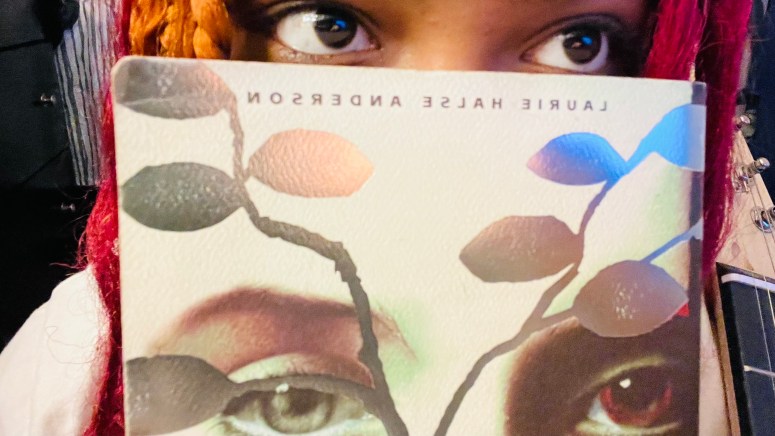
by Tyler Conley
Before the release of the first album, way before the legacy and creation that The Doors became, no one, not even the band themselves, would realize the lasting impact they would have on the music industry and rock and roll as we know it today.
The Doors first got their kicks of being a band in 1965, playing small venues, with nervous frontman Jim Morrison turning his back on the audience as he sang to avoid stage fright. Also included were Ray Manzarek at the helm of keyboard bass and organ, Robby Krieger laying down chords and bluesy solos, and John Densmore putting down rhythms unmatched and unheard of at the time. This lineup would stick together until the eventual breakup of the band.
When 1967 struck, it was time to record the first record. For 10 thousand dollars a 4- track recorder was purchased. With the help of Paul A. Rothchild, the band began their sessions for their self-titled debut. Rehearsal outtakes were recorded of songs that would appear on later records, but the first actual songs recorded were “I Looked at You” and “Take It as It Comes.”

With the combined power and input of all band members, the band completed recording. “Light My Fire” became an instant success, reaching #1 on Billboard charts, along with “Break on Through (To the Other Side.)” At the time The Doors arrived, rock was in absolute infancy, especially when compared to today’s standards for what “rock” is. With a mixture of blues, soul, rock, and everything in between, this album is a gem for anyone a fan of those genres.
Morrison’s lyricism is a big factor in what makes the music magical. His outlook on life, his expressions of feelings and ideas are perfect. The final song on the record, an 11-minute epic, details fighting past trauma and getting over the past. Most of the love songs the Doors would write on this record and many more are about Morrison’s longtime girlfriend, Pamela.
Over Morrison’s life, controversy has played a big part in how people perceive him. People label the singer as a drunk, and stupid. But behind those bad, vulnerable moments is a person who was caring and compassionate. Back in the 60s, mental help wasn’t as easily accessible as it is now.
This album changed my life when I first heard it. The beautifulness of “The Crystal Ship” And “End of The Night,” and the killer tunes of “Break on through (To the Other Side)” and “Twentieth Century Fox.” These songs, and much more, make up one of the best debut albums of all time.
And if that alone isn’t enough to pique your interest, artists like Jay-Z and Lauryn Hill have sampled The Doors’ music in their works. The Doors are respected by every genre, and heavily influential.
The Doors are engraved into the heart of rock and roll, and the music industry as a whole. Jim Morrison, and all members respectively, are like cosmic brothers, and their music is there for the listener whenever they need it. When people are strange, music will always be waiting with open arms, and this album is no exception. Top to bottom, perfection.

 thehyphennews.com