Column: Women can excel in traditionally male sports and careers

by Aubrey Cummings

“Don’t you want to try something for girls?”  

As a girl that has participated in wrestling her entire life I have been asked that same question more times than I can count. I’ve never really known how to answer it, though, I understand what they are asking logically but at the same time who is to say what is and isn’t for a certain gender.

Junior Scarlett McRae competes at Doss High School in the 2022-23 girls’ wrestling season. Submitted photo.

Just because the most participants are male doesn’t mean female participants should be seen as any less deserving of being there than their male counterparts. I have always been looked down upon not even just by the male participants but also the adults that are there.

Sure there are disadvantages of being a girl in traditionally boys’ sports because boys are considered stronger.  But there are advantages that go along with that.  Guys tend to underestimate girls because they think they are weaker but when out on the mat at a meet anything is possible.

Senior soccer player and wrestler Abril Andres explained, “Even at practice the new guys who haven’t really seen girls in the sport automatically write us off and think we can’t do what they do. It’s frustrating because we work as hard as they do and they still act like we will never be able to beat them until we prove them wrong.”

I talk about wrestling because this is the world I am most familiar with, but this isn’t the only world like this and it’s definitely not just sports where things like this go on. Even in the classroom in areas where they are more male dominated the girls are overlooked.

“In both of my engineering classes I am 1 of 4 women in a class of 24 and 1 of 2 in a class of 12.  On an engineering field trip I went on, I was the only girl there.  Can you see the trend? Sometimes it’s harder to be in a male- dominated career path,but I believe it helps me push to become better and stronger to make myself stand out more than just being a woman in a male dominated academy,“ said engineering pathway senior Kaydee Merrifield.

Experiences like what Merrifield and Andres talked about are seen everywhere in the world, not just in sports and school. But for teen girls those are two of the biggest places in their lives. These are also the areas that help set their futures. 
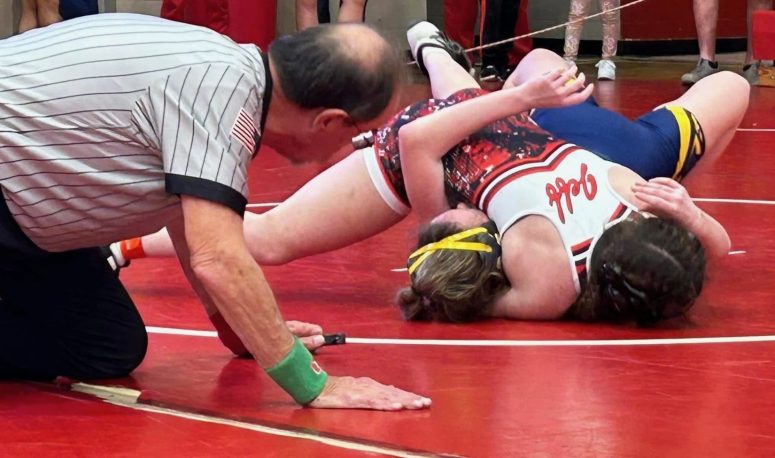
Junior Abi Lemon wrestles during last year’s Jeff Classic. Submitted photo.

This mindset in the world created a wall that most girls aren’t brave enough to jump in order to experience and prove themselves on the other side. This causes rifts like what is happening in the engineering world  — women step back instead of stepping up because they know how they are going to be treated.

We as women have to continue fighting for our place in this world.  We have to keep showing that we can do extraordinary things and prove to those who doubt us. If we put our minds to it we can do anything, so keep pushing forward and trying new experiences even if they aren’t typically for girls.

Column: Student athletes must live a well-balanced life

by Gabriella Kraft

Pressure can make or break a person.

A well-balanced lifestyle is hard enough as just a regular student. The added stress of being an athlete brings so much more pressure. 

When I first started two sports, I was on two teams for cheerleading, with practice every day except Fridays and Saturdays. And with basketball, I had practice scheduled right before it on Mondays, Wednesdays, and Saturday mornings. 

I felt like I was drowning trying to balance school work, sports, friends, and life. It felt impossible until I quit basketball. I felt like I was finally able to breathe. It didn’t make a major difference, but it was big enough that I could feel alive again. 

Without basketball, I was able to actually hang out with my friends outside of school, get my homework done at night, and I wasn’t stressing over little things. 

“A well-balanced life revolves around having a schedule while also giving ourselves time to breathe. If it’s all work and no play, the sport starts feeling like a job that’s holding us back from our full potential.” 

A well-balanced life revolves around having a schedule while also giving ourselves time to breathe. If it’s all work and no play, the sport starts feeling like a job that’s holding us back from our full potential. 

A better way to manage our time as a student-athlete involves prioritizing what is most important, learning to say “no,” setting realistic goals, and using downtime wisely.

It’s easy for athletes to over-commit, to push ourselves until we can’t push anymore, simply, because we feel obligated to be the best at everything — not because we are cocky, but because we want to push ourselves to be the best we can be. Most don’t feel that it’s possible if we aren’t pushing until we cannot anymore.

Sooner or later, our mental health declines. We aren’t the best at our sport, our grades fall, and we feel like we are alone. We feel that if we aren’t excelling in at least one or all aspects of our lives, we are failing.

Most people don’t even notice an athlete who’s spiraling out of control until we are completely pulled away and have distanced ourselves. We feel as if we are too far from saving.

Parents play an important role in a student-athlete’s life as well. Kids can only give as much as we get. When teens get a pushy parent who only yells and does not provide much support otherwise, they eventually just give up.

Athletes need all the support we can get, or we break under the pressure.

Column: Transfer portal has turned college sports into free agency

by Jaxon Sturgeon

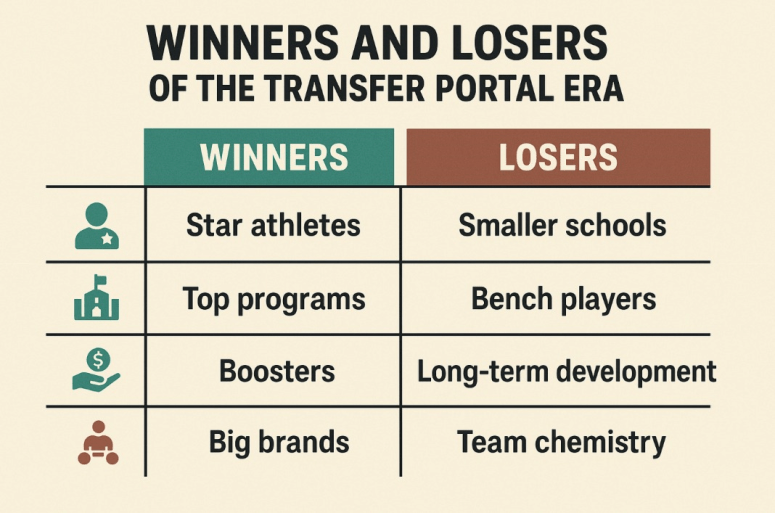
College sports used to be about development, watching players grow through the program, build chemistry with teammates, and represent their school with pride. Now, with the rise of the transfer portal and Name, Image, and Likeness (NIL) deals, that’s starting to change. What once felt like a unique part of college athletics is starting to look a lot more like professional free agency.

The transfer portal was originally meant to give athletes more freedom. Before it existed, players who wanted to transfer often had to sit out a year or go through a messy process. The new system made it easier and fairer for athletes to move if they weren’t happy. But when NIL money entered the picture, things took a sharp turn. Now, the best players aren’t transferring for playing time; instead, they’re transferring for the biggest paycheck. 

Graphic by Jaxon Sturgeon.

Top programs can now essentially “buy” players by offering them huge NIL deals. Big schools with massive fan bases and booster support have the money to make these offers. Small programs, on the other hand, can’t compete financially. A player might spend two years developing at a smaller school, then leave for a powerhouse program that can offer more exposure and a better NIL deal. It’s frustrating for coaches who invest time into developing talent, only to lose that talent once the player becomes valuable.
Because of this, college recruiting has started to feel more like pro free agency. Coaches aren’t just trying to recruit high school players anymore; they’re constantly re-recruiting their own athletes, hoping they won’t jump ship. Players, too, are learning to treat college as a business, weighing offers and sponsorships like professional athletes. While that might sound fair on the surface, after all, they deserve to profit from their talent, it also strips away some of what made college sports special: loyalty, team growth, and long term development. 

In the end, the combination of the transfer portal and NIL has made college sports more about money than development. While it’s great that athletes finally have more control over their careers, it’s hard not to feel like the spirit of college athletics is being lost along the way.

If things keep heading in this direction, it’s going to start feeling less like college sports and more like the pros.

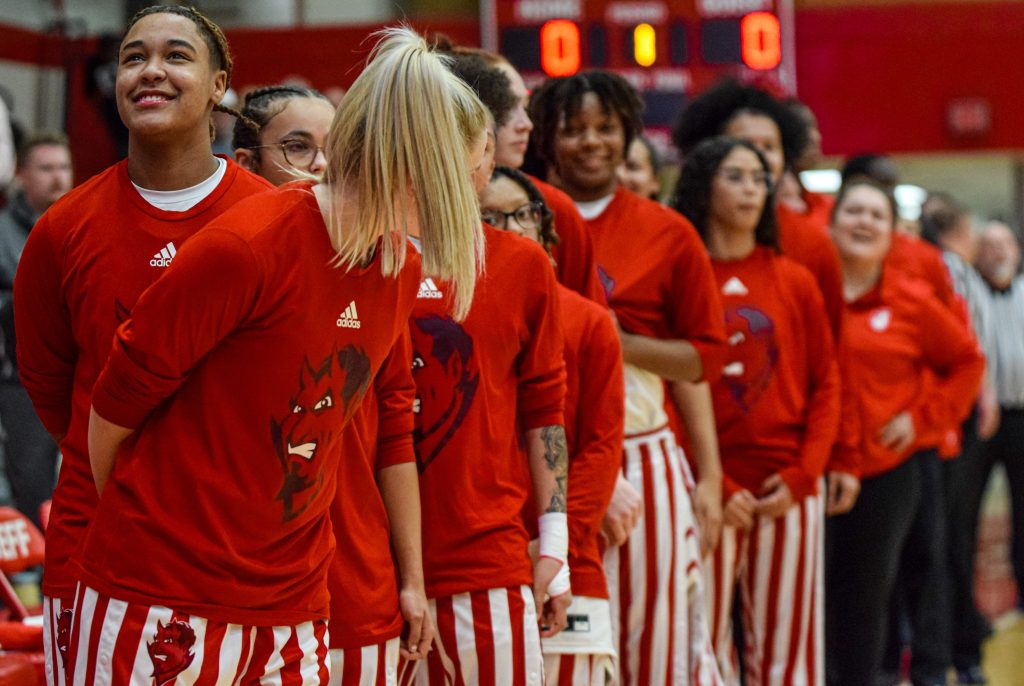
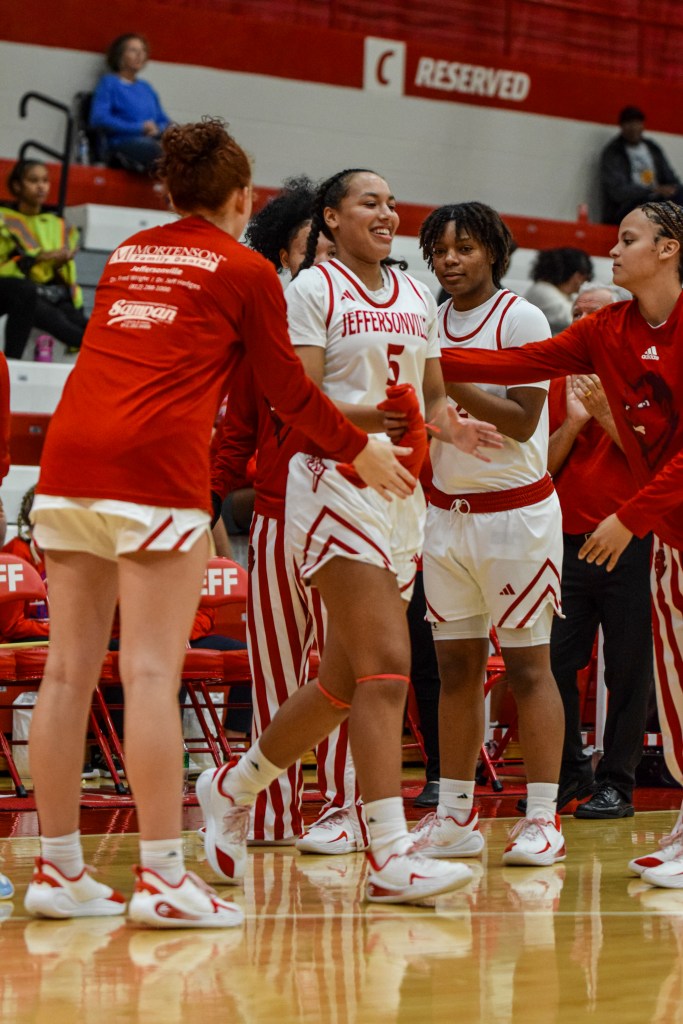
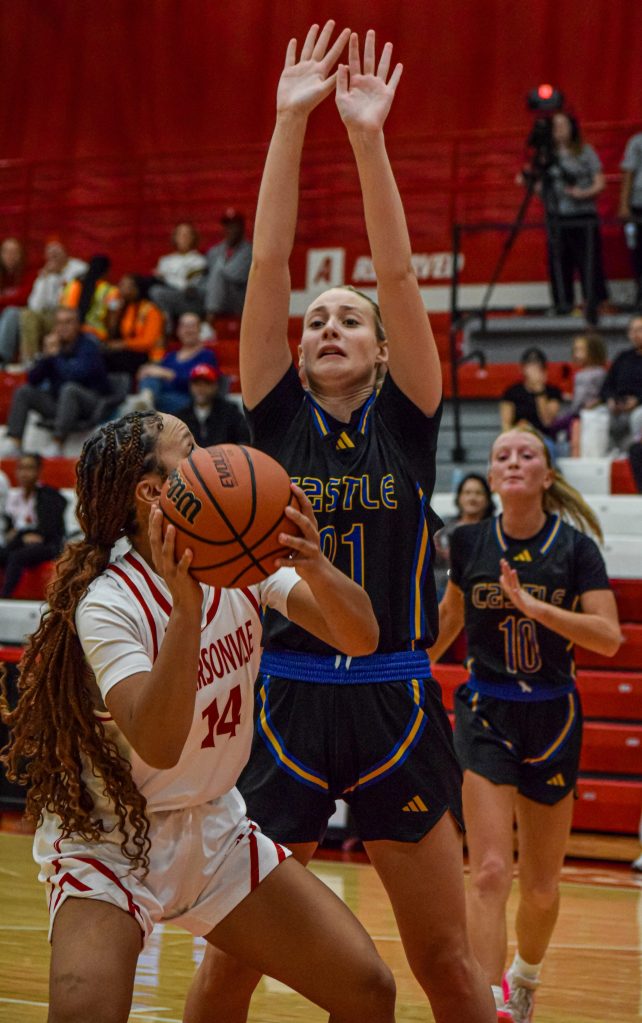
Castle defeats Red Devils 66-51 on Saturday; JHS to play at Jasper and Carmel this week

All photos by Malachi Conrad.

Click on photos below to view gallery.

Column: College pressure crisis creates ‘success’ with a price tag

by Chloe Newton

Every year, we get told that college is the key to success. Teachers, parents, and counselors repeat the message like a mantra: “Work hard, get good grades, get into the best college you can.” But few talk about the price of that advice, not just the tens of thousands of dollars many families can’t afford, but also the toll it takes on students’ mental health and sense of purpose.

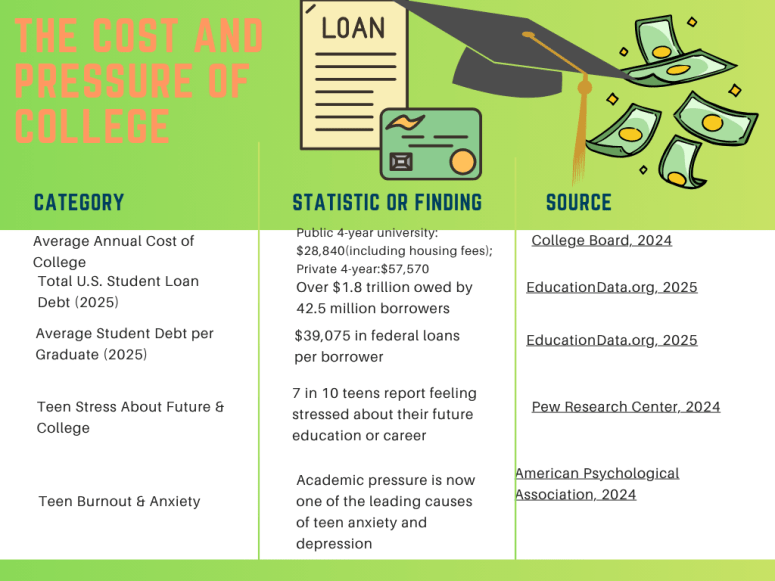
Today, the path to higher education has become an issue that teens can’t afford to ignore. College costs have climbed faster than inflation for decades. According to the College Board’s 2024 Trends in College Pricing Report, the average annual cost (including tuition, housing, and fees) is about $28,840 for public universities and $57,570 for private colleges. That means a single four-year degree can easily exceed $100,000. Meanwhile, the total U.S. student loan debt has reached $1.8 trillion.

The result is a generation that feels trapped in anxiety. We are told that college is essential to success, yet the financial reality makes it nearly impossible to pursue it without incurring debt. This system pressures us to make life-altering decisions before graduating from high school, often without a clear understanding of the financial implications of debt. 

Even worse, the cultural obsession with “the perfect college” has turned education into a competition rather than an opportunity for growth. A 2024 Pew Research Center survey found that seven in ten teenagers feel stressed about their future education or career plans. The American Psychological Association reports that constant academic pressure is now one of the leading sources of teen anxiety and burnout. When students feel their worth depends on getting into a top school, learning becomes secondary to surviving the system. 

Graphic by Chloe Newton.

This issue goes beyond money- it’s about values. Society has built a narrative that college is the only path to success, when, in reality, the Bureau of Labor Statistics reports that many skilled trade jobs, such as those in electrician and technician roles, or healthcare assistant positions, are growing faster than the national average and often require less than a four-year college degree. If this trend continues, we risk creating a future where only the wealthy can afford education without hardship. That’s not opportunity – that’s inequality. It’s time to rethink how we define success for teens and how schools prepare us for life after graduation.

To move forward, we need action on several levels. Schools should provide transparent financial education, showing the real college costs, interest rates, and repayment timelines before students apply. Counselors should present multiple paths —trade programs, community college, or apprenticeships—without treating them as “less than.” Lawmakers must invest in making public education more affordable, expanding Pell Grants, and capping interest rates on student loans. Students can speak out by writing, organizing awareness campaigns, or advocating for school boards to include financial literacy in their graduation requirements. 

Redefining success doesn’t mean giving up ambition but making it sustainable. The dream of college shouldn’t come with a lifetime of debt or exhaustion before adulthood even begins.

Education is supposed to open doors, not lock students into decades of repayment and pressure. Until we fix the system, the actual cost of college won’t be just financial- it will be the mental and emotional price our generation pays for chasing an idea of success that no longer fits our world.

Column: Humans must unite to protect sea creatures from ocean pollution

by Jilliann Denbo

As a kid, I’ve always loved turtles, the way they swam, their shells, and just how they looked in general. 

But, there is one main reason I love them so much.

When I was little, I would go over to my mom’s aunt’s house. She had a ton of little knick knacks, and little turtles that were made out of seashells were one of them. I always loved going to her house and looking at them, I was always careful to not break anything no matter what.

The turtles were always my favorite, though, because I thought it was cool how people made an animal out of tiny shells from the beach. 

I was only around four and most people may not think I remember, but I will always remember seeing those turtles. Even though my mom’s aunt is not with us anymore, that will always be one of my favorite memories from when I was little. 

But these sea creatures are far more important than a childhood memory. 

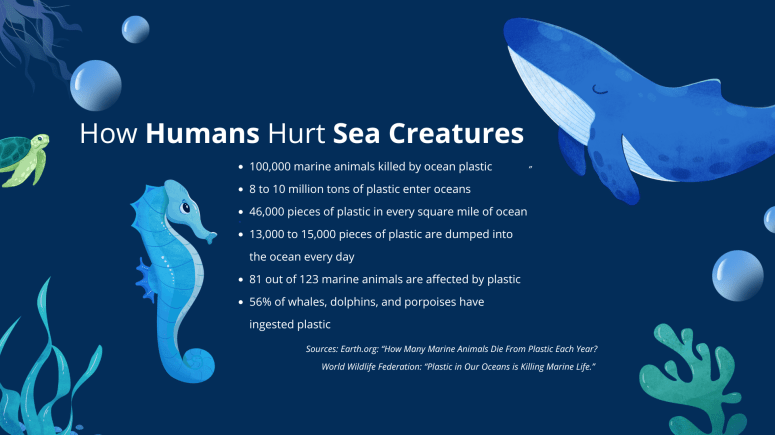
From the tiniest plankton to the biggest whale, ocean animals struggle to live a lot more than we think they do. The reason? Ocean pollution. 

Graphic information by Jilliann Denbo.

We may not understand the effects of ocean pollution but we are running out of time to help these ocean creatures. We have to put a stop to unwanted pollution.

The biggest sources of ocean pollution are nonpoint sources like septic tanks, cars, trucks, and boats. Eighty percent of ocean pollution comes from the land.

Over 100 million marine animals’ lives get lost every single year because of the devastating living spaces of these creatures. 

These factors are endangering our health as well. Around 3 billion people are being affected negatively by ocean pollution. There are many ways we can put a stop to all of this.

We can start to change ocean pollution by recycling properly, avoid products containing microbeads, and participate in a beach or river cleanup.

All these actions can help us change our home and our health. But most importantly, the animals’ health. 

Ocean animals suffer because we don’t think enough about our actions and we don’t think that it actually affects the oceans. 

Unlike most ocean animals, turtles and whales get affected by ocean pollution a little more than the rest of the animals.

Because of pollution sea turtles ingest too much plastic, causing them to be unable to dive properly to get the food they need. Over 260 loggerhead sea turtles are suffering because of plastic pollution in the ocean.

Whales often mistake plastic for prey, this leads to their stomach being stopped up, which then leads to a slow and painful starvation.

Plastic pollution is the leading threat to ocean health. 4 to 12 metric tons of plastic enters our oceans every year. This travels to every ocean, and even rivers.

Once the vibrant ocean, full of life and wonder, now covered in plastic with suffering animals, and what feels like cold waters. The ocean now looks like a graveyard. We have to stop this pollution.

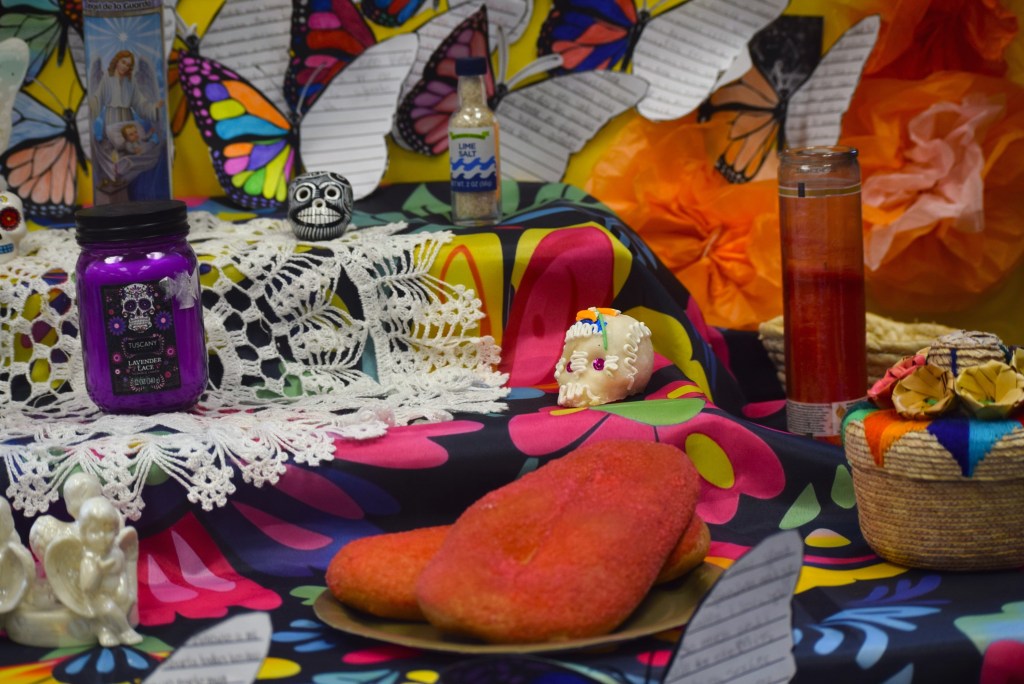
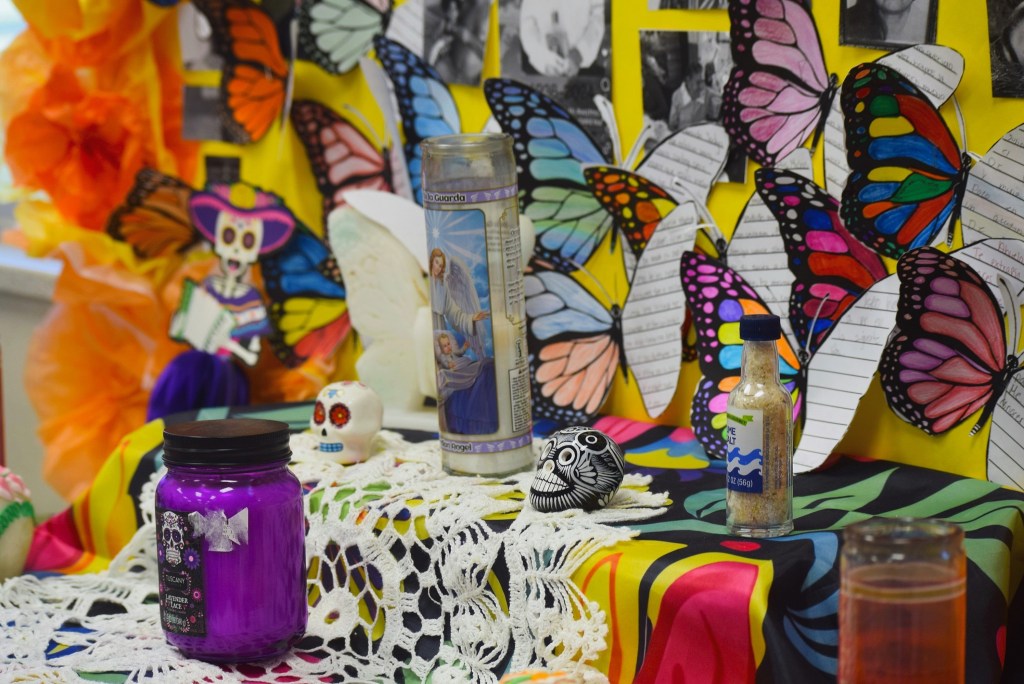
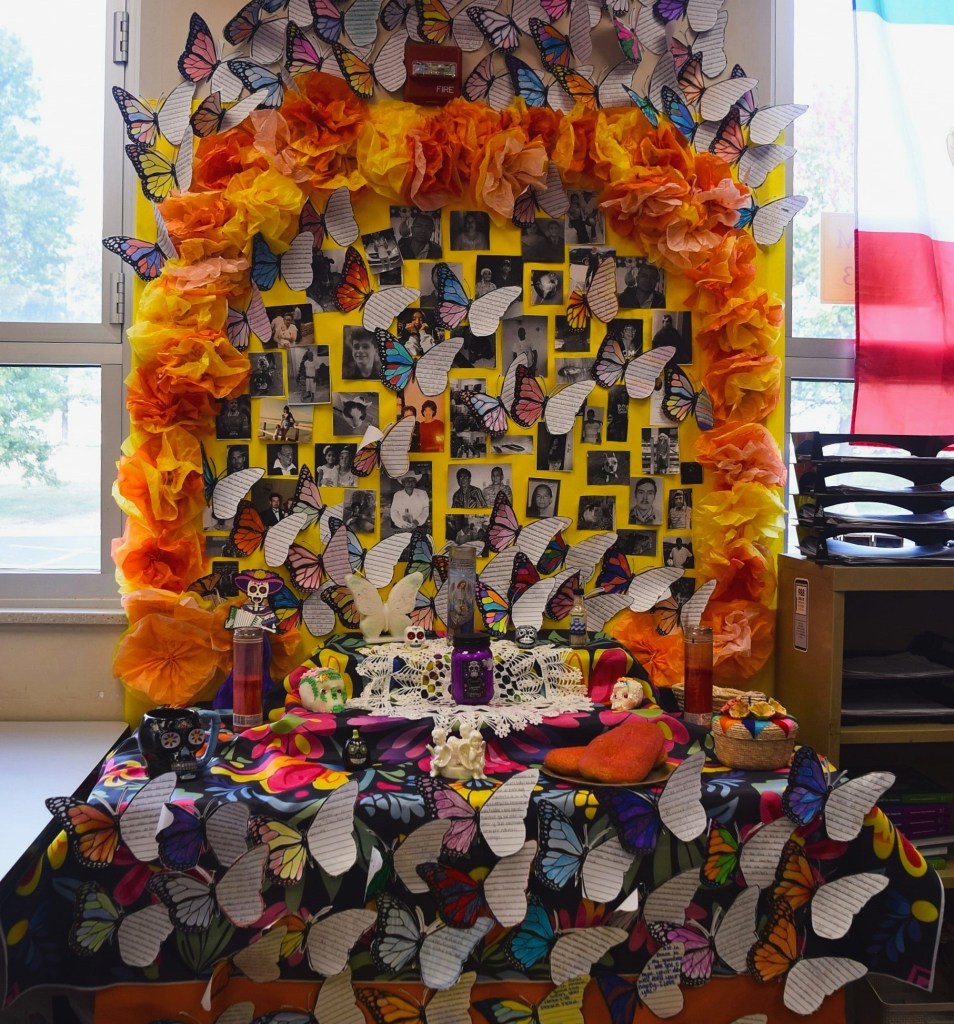
Spanish teacher Megan Cortes represents ‘Dia De Muertos’ through classroom ‘Ofrenda’

by Areli Hernandez Romero

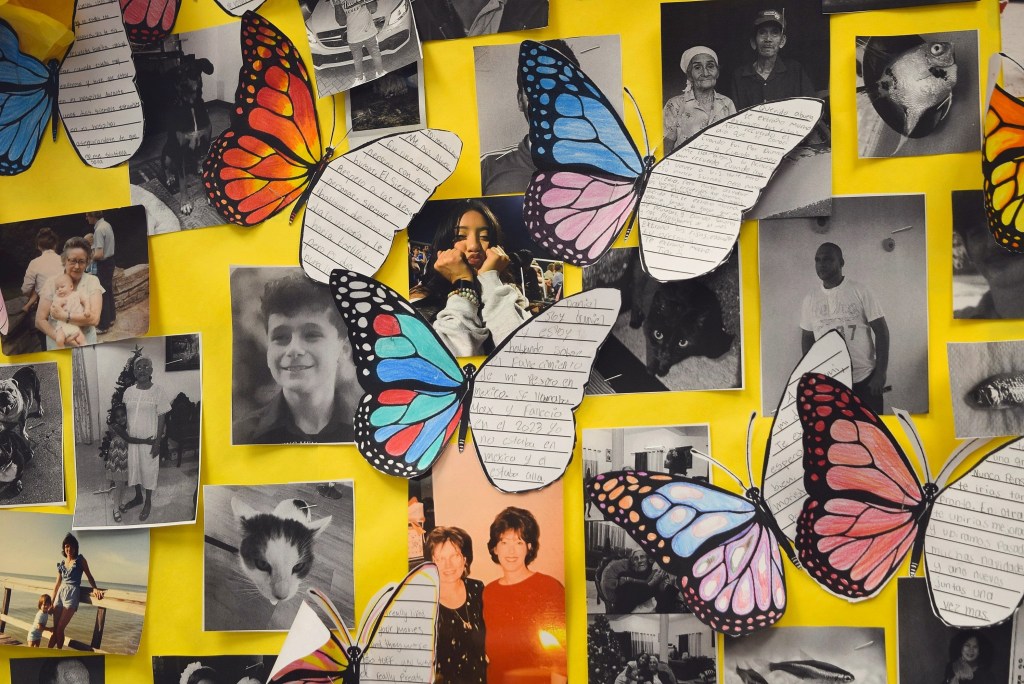
‘Dia De Muertos’ or Day of the Dead, celebrated from Oct 28  to Nov 2, is an annual cultural tradition celebrated to remember loved ones who have passed away. It is a day filled with memories, gratitude, and love. This tradition has spread to various Latin American communities in the United States.

Heritage Spanish teacher Megan Cortes and her students have highlighted the importance of cultural education with their classroom ‘Ofrenda.’

Unlike many, Cortes emphasizes the idea of showcasing an ‘Ofrenda’ in her classroom as a way to educate her students about its poignant meaning.

“Although many of my students have ofrendas at home, not everyone practices this tradition. Furthermore, not everyone knows the meaning, traditions, and symbolism it has. Being able to display it interactively in class allows students to see firsthand what it is and what it symbolizes,” she said. 

Sophomore Arieslie Tejeda agreed with Cortes and finds her interactions helpful to those who don’t have the privilege to participate in these traditions at home. 

“I feel like it’s a good thing and it introduces me to new things I wouldn’t do at home. It’s just a safe place for everyone to be included,” Tejeda said. 

Senior Camila Levario agreed with Tejeda, appreciating Cortes’ involvement with her students.

“I like that she does that and how she always tries to make everyone feel included,” said Levario.

Cortes reflects by the bittersweet background of ‘Dia De Muertos’ and representation behind the Ofrenda.

“The ofrenda is a time for me to remember the special people in my life that are no longer with me. It is a way to honor all the wonderful things they meant to me. I think it also helps the grieving process that many face when they lose a loved one. It is a way we can feel closer to them.”

Looking forward, Cortes hopes for her students to understand the meaning of this new tradition evolving their own culture. 
“I hope students gain a deeper understanding of a tradition that is deeply embedded in their culture. Even if they have personal beliefs that don’t celebrate the Day of the Dead.”

Click on the photographs in the gallery below.

Fast-growing girls’ wrestling team prepares for upcoming season

by Isabella Stewart and May Smith

Girls’ wrestling is one of the fastest growing sports. This year’s wrestling season has started off with a big team, one that puts them at an advantage for the season. 

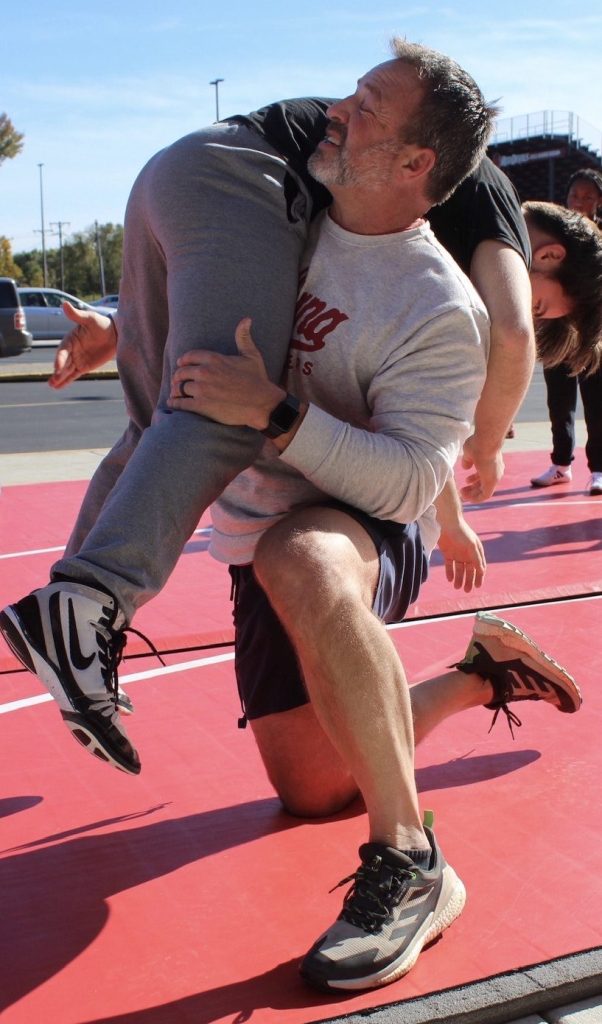
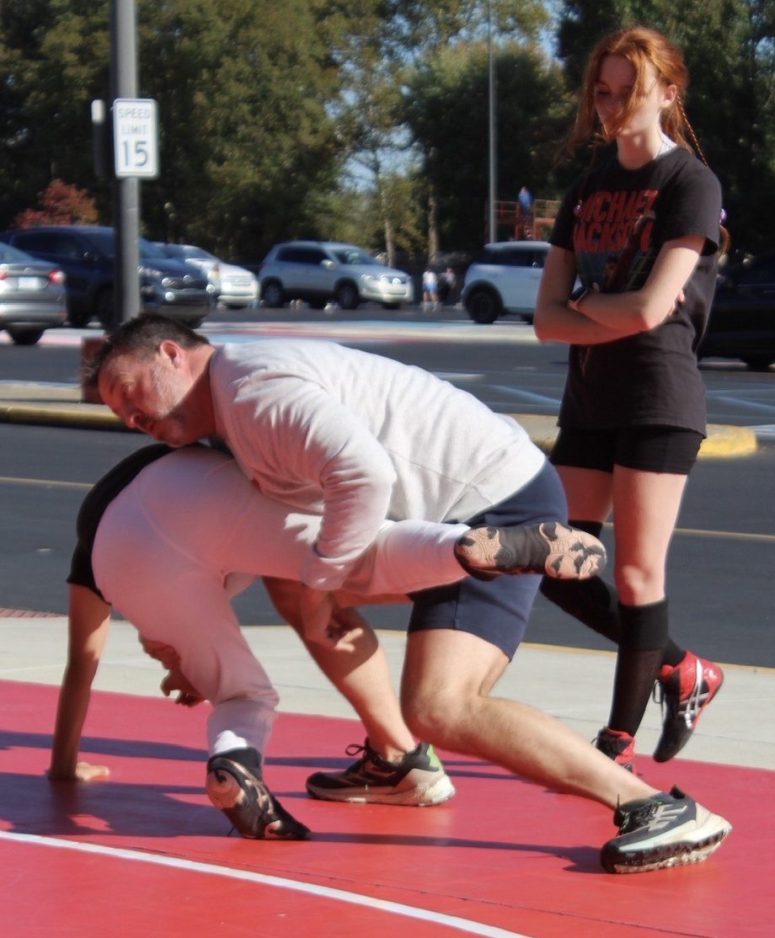
Wrestling coach Danny Struck teaches a takedown with assistant coach Jeramiah Cain at a recent wrestling practice. The girls’ wrestlers compete Saturday, Nov. 8 at 9 a.m. at JHS. Photo by Isabella Stewart.

The wrestling team has done a lot of advertising to recruit athletes, handing out flyers, having the wrestlers talk to their friends and getting girls interested in coming to practice at least to watch. 

Girls’ head coach Joe Somerville is excited to get athletes on the mat; he wants them to “be comfortable on the mat and be the best version of themselves.”

Somerville said, “We have lost a lot of seniors, a lot of leadership, but we have so many new girls out here. We have put seven weeks into pre- seasons and I think by mid-season everyone will be in great shape.”

Junior wrestler Levi Evans agreed. “With the loss (of seniors) we have so many new girls,” she said. “There is a lot of diversity on the team, and I think that we can really do something with all the diversity this season.” 

Junior wrestler Kristin Brown has put in a lot of effort during pre-season, being there at practice to show leadership. She said, “The girls have been working extremely hard, and I have been there helping girls practice in hopes we will have a great season.”

The wrestling coaches have been preparing in the off-season as well, attending clinics and coaching conferences to prepare for the season.                      

Head wrestling coach Danny Struck said, “I have attended six clinics myself and a couple of national tournaments, and we’re just working to be our best we can be for the wrestlers.”

Wrestling coach Danny Struck teaches junior Levi Evans how to do a double leg takedown during a wrestling practice. Photo by Isabella Stewart.

A new support to the team is athletic director A.J. Moye, who has shown up to practices and been there for the team in his first season as AD.

Moye said, “I’m bringing what I’ve brought to every other team, and that’s just a lot of support. I’m just so excited. I’ve been talking with Danny a lot, and we’re both just so excited for this season ahead.”  

Brown said the team appreciates Moye’s support. “I’m really happy that we have an athletic director who cares so much about the sport. I think he’s a great asset and I think we’re going to have a great season with him.”

The wrestlers are gearing up for their opener this Saturday at JHS at 9 a.m. They’re going against many teams, as they just had their first match on Wednesday. They won against Columbus East and had a loss to Jennings County. 

Red Devils embrace Halloween spirit

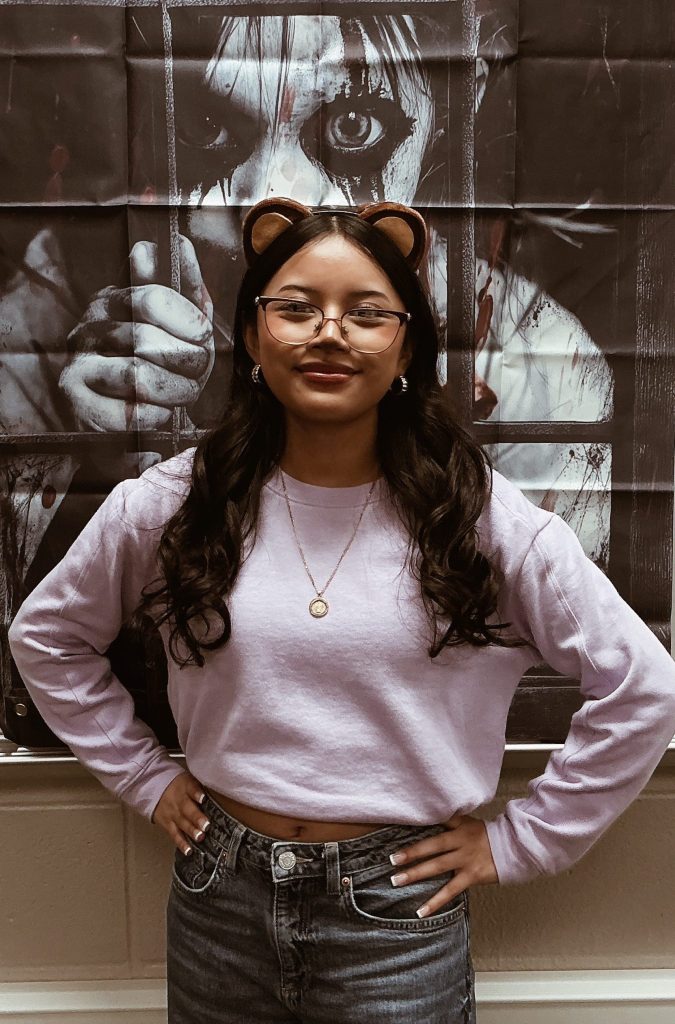
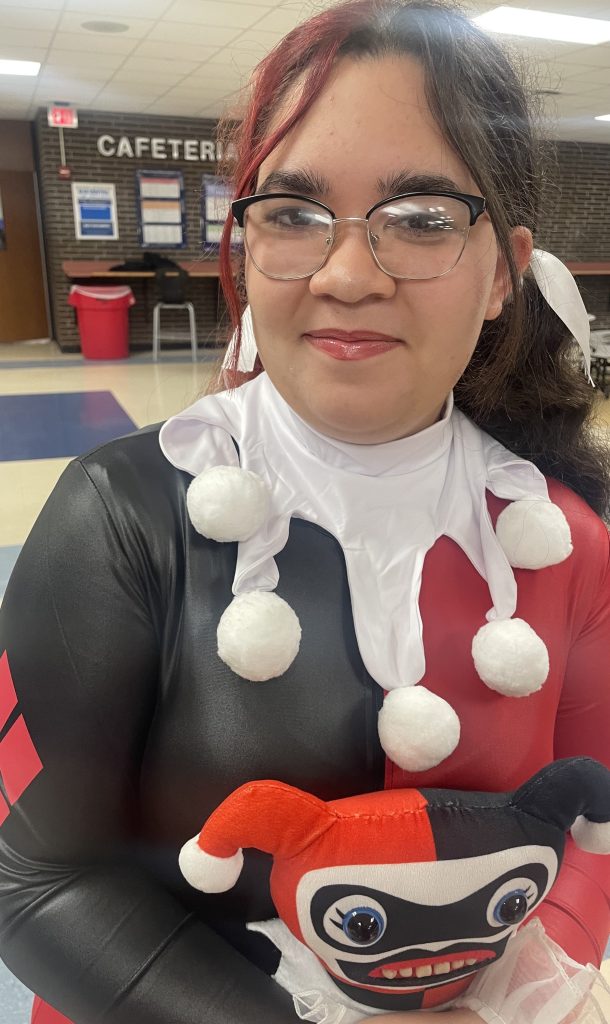
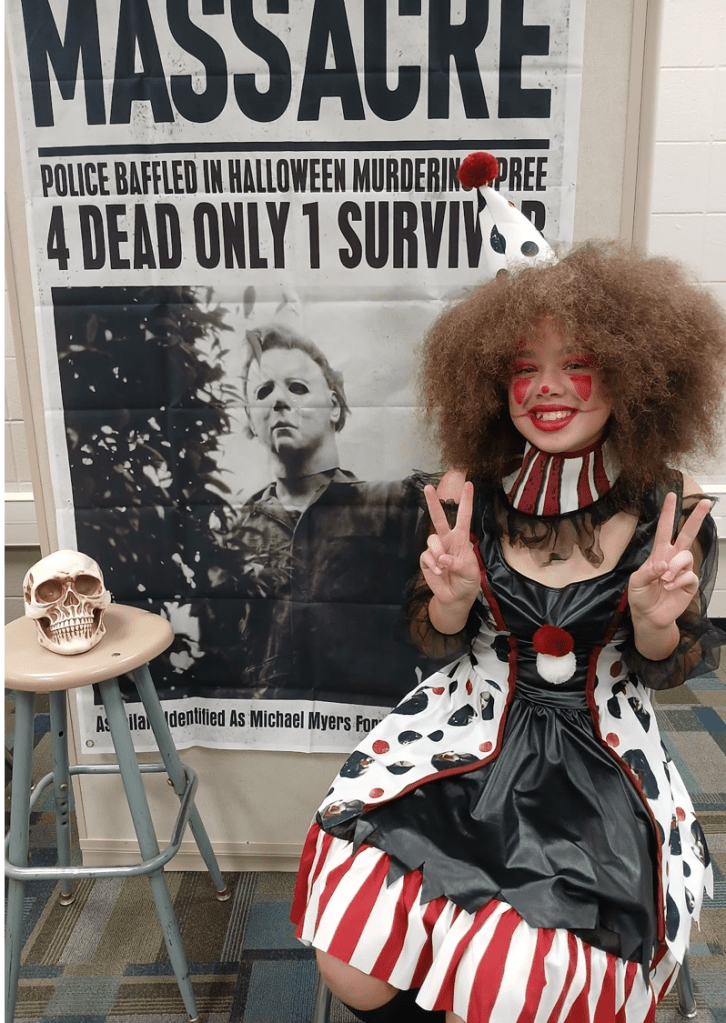
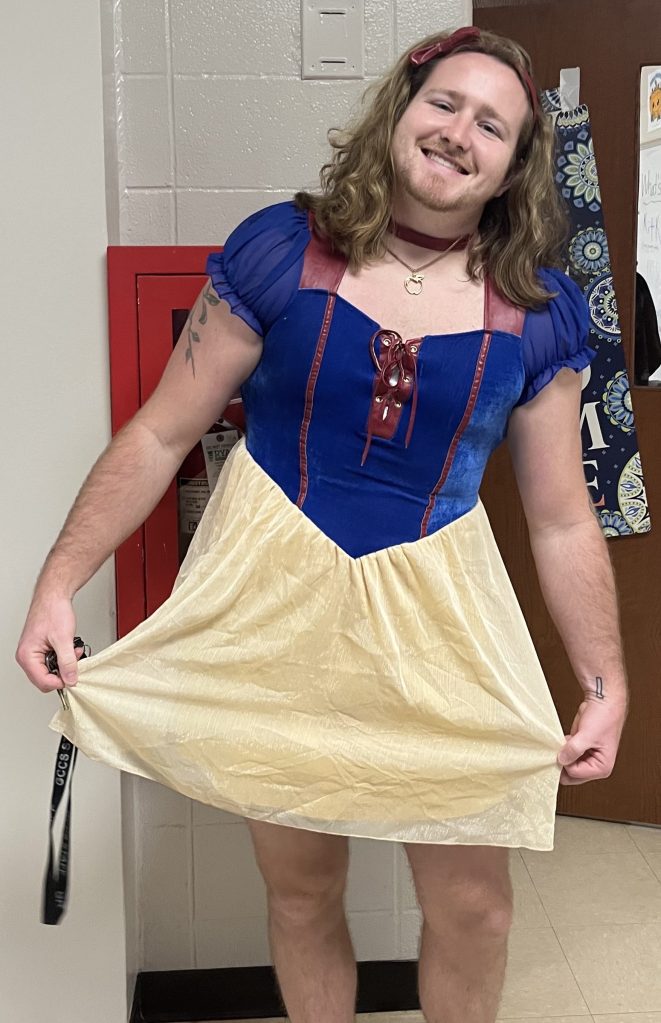
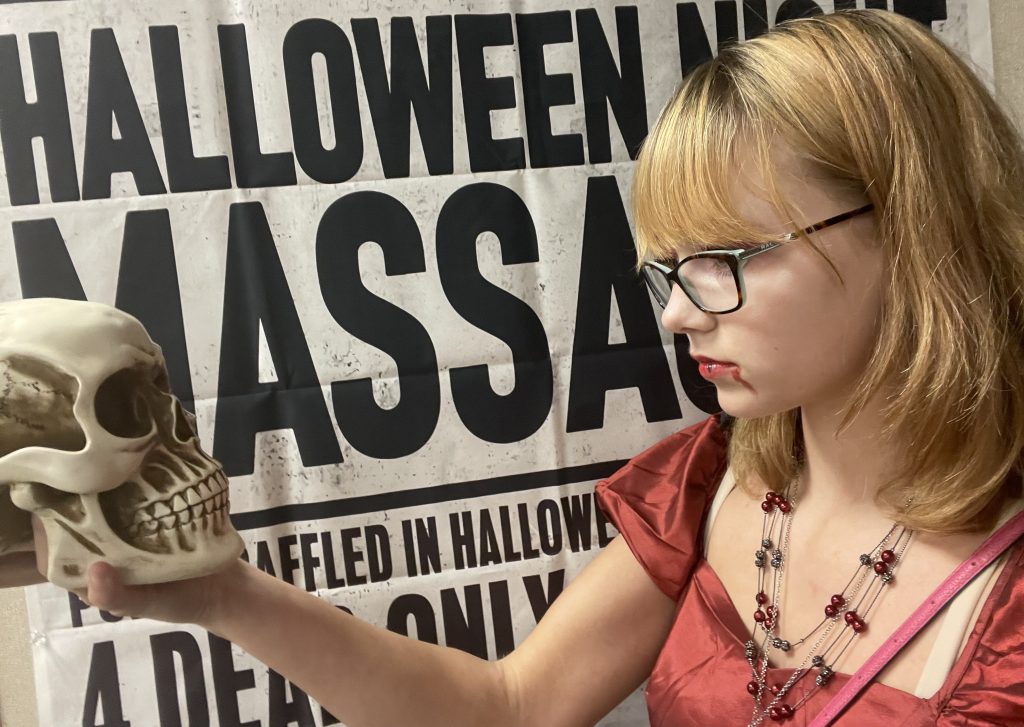
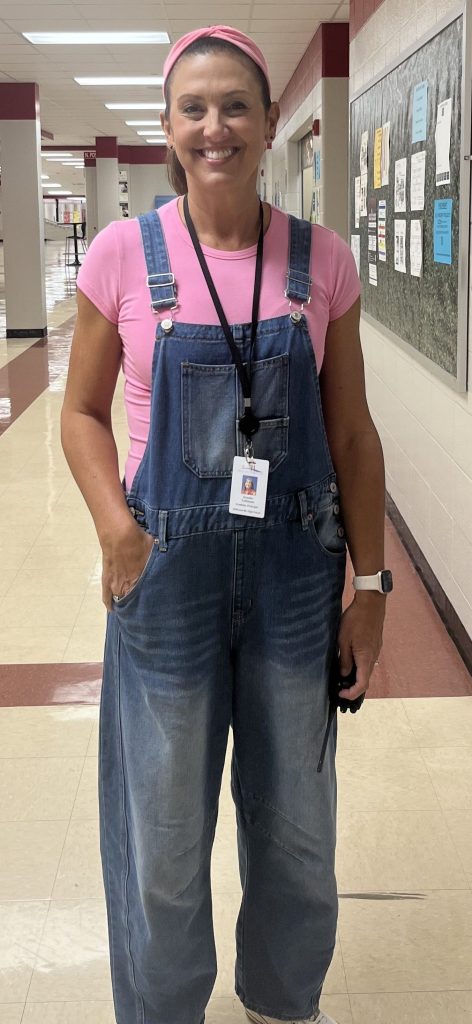
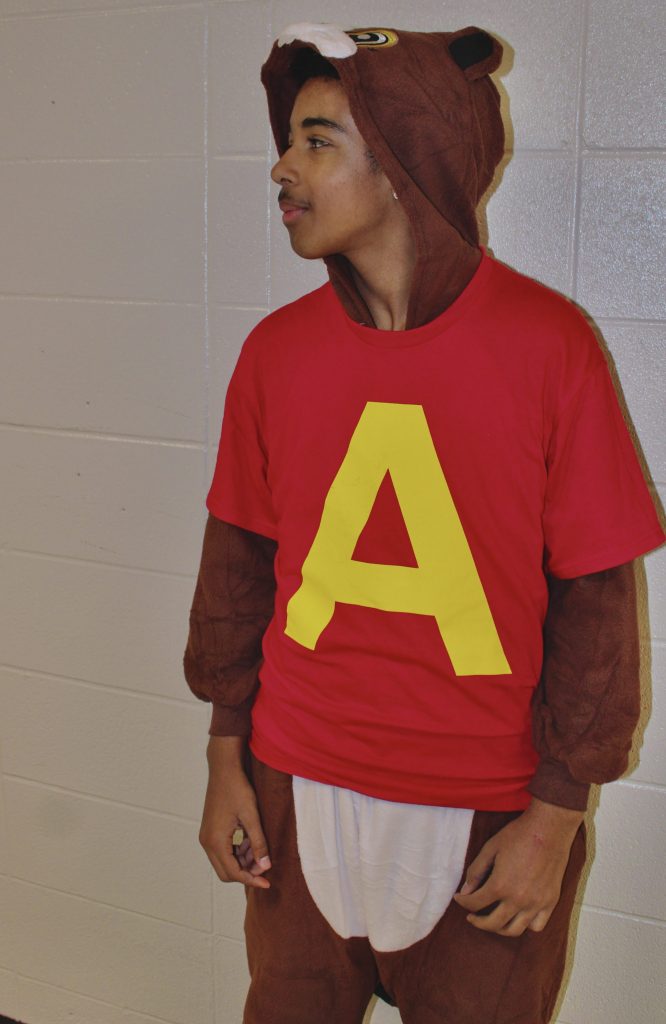
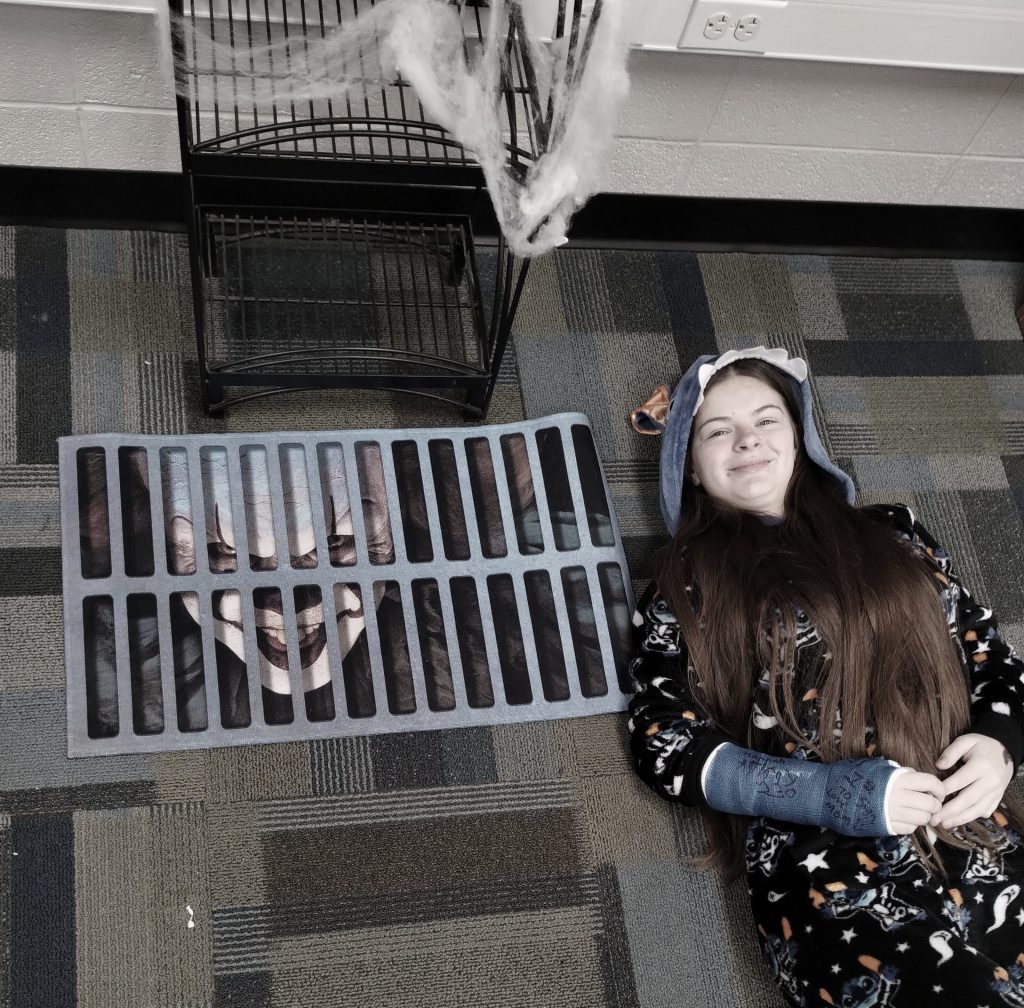
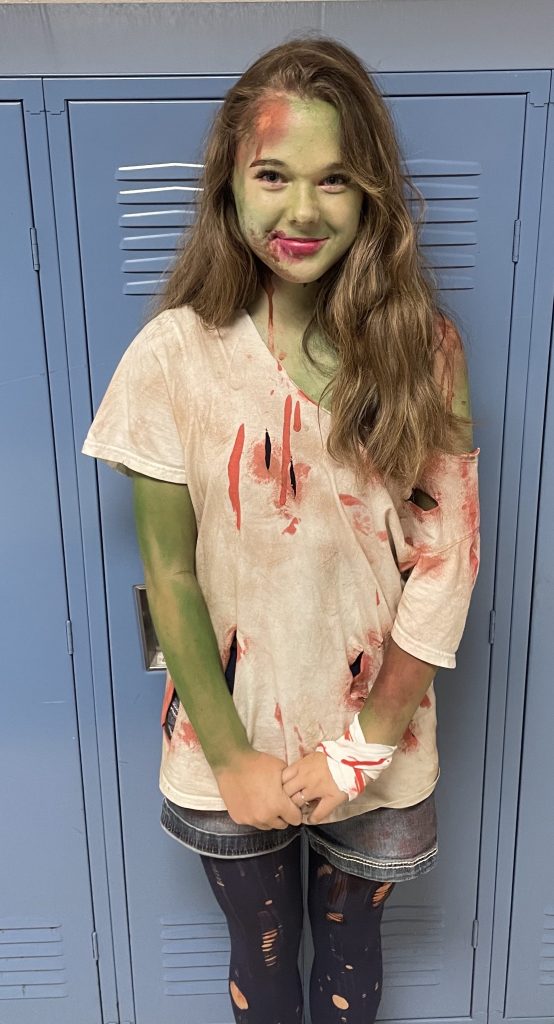
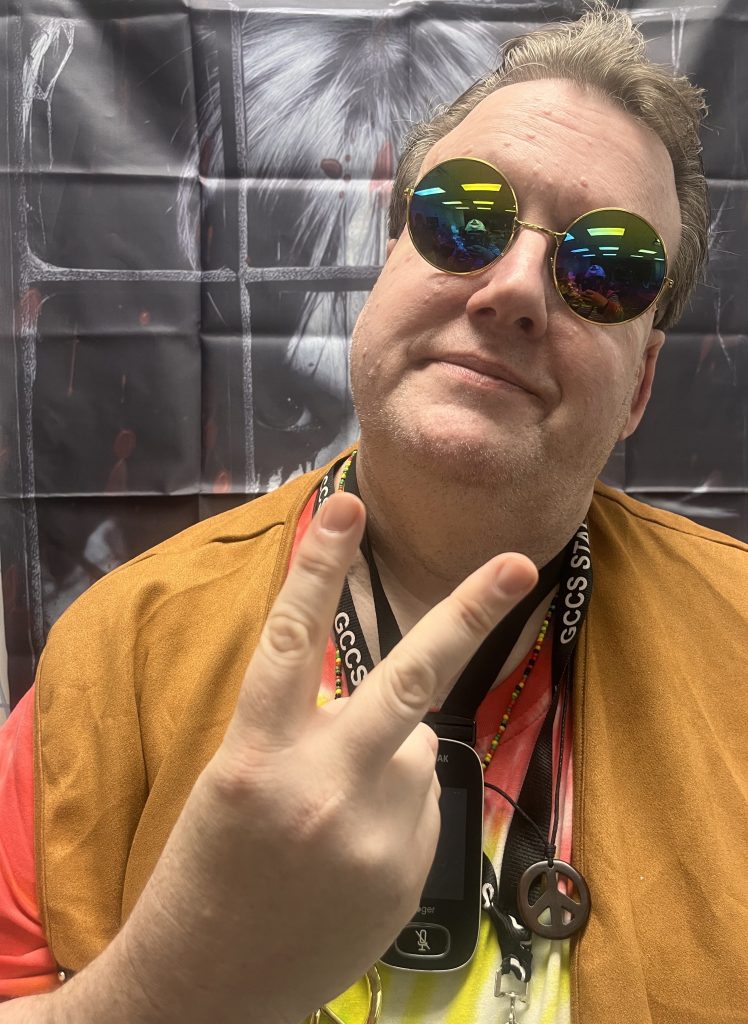
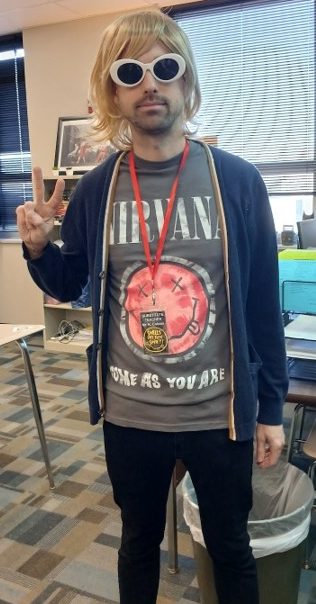
Students and faculty wore their spookiest Halloween costumes last Friday, and Hyphen photographers and journalists captured some of the scary moments through portrait photography. Click on the images below to see photos in the gallery.

Fast Feature: Red Devil swim season begins

by Liam Turk-Gagel and William Hudgins

The 2025-2026 swim season is something to look forward to this school year, with newcomers like freshmen Christian Miller and Dash Leonard, along with returning faces like seniors Jaga Pagva and Addi Bingham. 

The season for girls began Oct. 27 and ends Feb. 7. The season for boys begins Nov. 10 and ends on Feb. 21. 

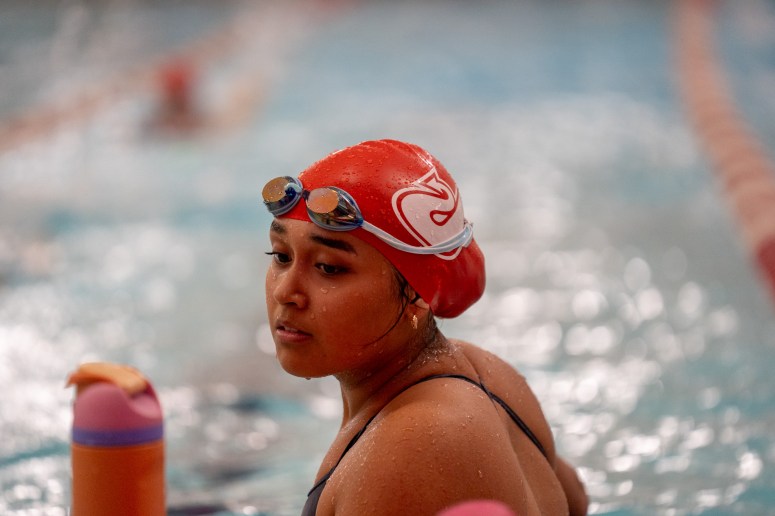
Senior Jaga Pagva swims freestyle in the pool at a swim practice. Photo by Parker McCloskey.

Who is a boys swimmer that fans should look out for? 

“Jaga (Pagva) was really good last year, and his international experience in Mongolia is going to help him excel.” – Coach Michael Pepa

Who is a girls swimmer that fans should look out for? 

 “I’d say either Macyn (Jackson) or Litzy (Rubio). They’ve had a lot of improvement over the years, and I think they’ll definitely be ones to look out for.” – Coach Michael Pepa 

Senior Litzy Rubio read the set at a practice. Photo by Parker McCloskey.

Many swimmers believe that compared to last year to this upcoming season, the team is going to be much better. 

How do you think the team will do in sectionals compared to last year?

“I think we’ll get better. I think we can get second or even first at sectional; sky’s the limit.” – Junior Isaac Ramirez

“I think we’ll do even better than last year; our freshman class will fill those gaps from last year’s seniors, alongside our talented drivers. It will definitely be the season to look out for the boys’ team.” – Senior Jaga Pagva

What is some advice that you’d give to the upcoming freshmen on the team?

“What you put into it, you get out of it.” -Junior Stella Siewert

 “It’s a lot of hard work and dedication, but it comes with a lot of rewards.” – Coach Michael Pepa

Freshmen plan now for their futures

by Hailey Craynon

In 10 years from now, everyone will be off doing their own thing. What are you going to do? What makes you want to do this? How committed are you?  Where do you see yourself?

Freshman Kyra Gibson said, “I want to be a criminal investigator. I want to be a criminal investigator because I want to understand why criminals do the things they do, and I’m planning to achieve this by staying focused in school and graduating from a good college.”

Gibson has been passionate about being a criminal investigator since she was in sixth grade, as she found it exciting and interesting.

“I have always watched documentaries with my mom and tried to solve them, and it got me into criminal investigations.”

Some students are interested in nursing.

Freshman Makhia Hall said, “In 10 years, I see myself figuring out what college I want to go to so that I can study for a nursing degree, and I’ve always been good with kids and just people in general. I’m going to achieve this by getting good grades, making sure my GPA is high, and paying attention more in classes.”

Some think nursing is maybe too hard and they give up on a dream, but Hall said to “focus on the impact you will have on patients’ lives and never give up.”  

And while some freshmen do not know exactly what they’d like to do in the future yet, they still plan to make the most of high school.

Freshman Serenity Dees said, “In 10 years, I would probably be either in or graduating college, hopefully with a job of some sort and living with a friend or on my own. To achieve that, I’ll need to keep my grades up and graduate from high school in the pathway I plan to pursue.”

Some people are uncertain what they want to do with their lives when they’re older, and that’s okay. They still plan to have a fun and sustainable life.

Freshman Tryston Looney said, “I see myself in 10 years in a nice house, and I’m planning to be a police officer because I have always wanted to be one. I plan to achieve this by saving up money and working hard. I want to do this so I can live a happy and decent life in the future.” 

Some may have a dream and think it’s too hard, or that they will never make it, but “fight strong and never give up on your dreams,” said Looney. 

No matter how challenging their dreams are, most freshmen plan to never give up on their dreams.

Eco Club inspires activism one small act at a time 

Club members hope their work makes a difference at JHS and in the community

by Chloe Newton

Before the recycling bins are rolled down the hallway, or a single piece of trash is picked up, the  Eco Club is already planning its next activity to help keep JHS a cleaner place. 

Every Monday after school, the members gather in a classroom that smells faintly of dry-erase markers and recycling ideas. The meeting begins with updates on who is recycling this week, which community event requires volunteers, and whether the tree planting partnership with the local tree board is ready to commence. 

What most people don’t see is the planning. Students check their schedules, sort donated containers, and brainstorm new projects. Sponsor and Spanish teacher  Jenna Felix moves between groups, answering questions and encouraging the nervous freshmen who are still finding their voices.

“Leadership is about reminders and organization,” Felix stated as a student leader snapped a photo of the new recycling chart for the club’s group chat.

On Mondays, students might spot a few members quietly collecting bottles and paper from classrooms. They joke and laugh while hauling bags, but they’re also very careful, ensuring that all recyclables are sorted and clean.  

Sophomore Rachel Ledbetter said, “It’s simple, but it feels good to know we’re making a difference and helping our school stay cleaner.”

Sophomore Monserratt Gonzalez added that “Eco Club is a place where I can go after school to feel better about myself because no matter the grades, I know I am making the world a stronger place.” 

Sometimes opportunities drop in unexpectedly. For instance, recently a local river sweep needed volunteers, or a new idea for upcycling plastic into benches popped up mid-meeting. The club thrives on these moments, turning small sparks into action. 

Sophomore Vivianna Hill shared that this is one of the things that made her want to be a part of the Eco Club.

“I joined because I wanted to help the environment, but I’ve learned so much more about how even small changes can inspire our whole community.”

Their biggest challenge? Convincing the wider school to reduce single-use plastics and see recycling as a last resort instead of a first. 

By the end of the week, the bins are emptied, plans are made, and the hallways look just a little better. Most students never notice the effort that the Eco Club puts into keeping JHS clean. The behind-the-scenes work is not about the attention, though; it is about creating a cleaner, more sustainable school and inspiring others to care for the planet, one small act at a time. 

CLub members develop their sense of purpose through small, sustainable acts

by Miaa Caporale and Kenshawn Schilling

When most people hear about an eco club, they picture recycling bins and posters about how to save the planet. But there’s so much more going on behind the scenes. The Eco Club is characterized by team work, sharing ideas, and taking steps to improve the school’s environment. 

“It gives me a sense of purpose by joining the Eco Club and helping our community,” sophomore Ellyana Chattin stated.

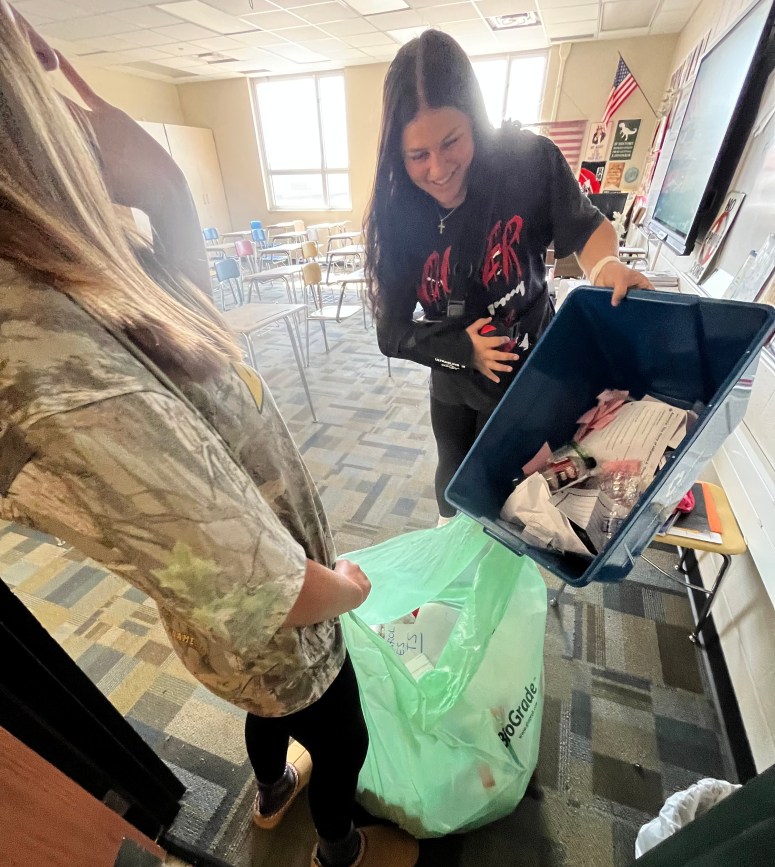
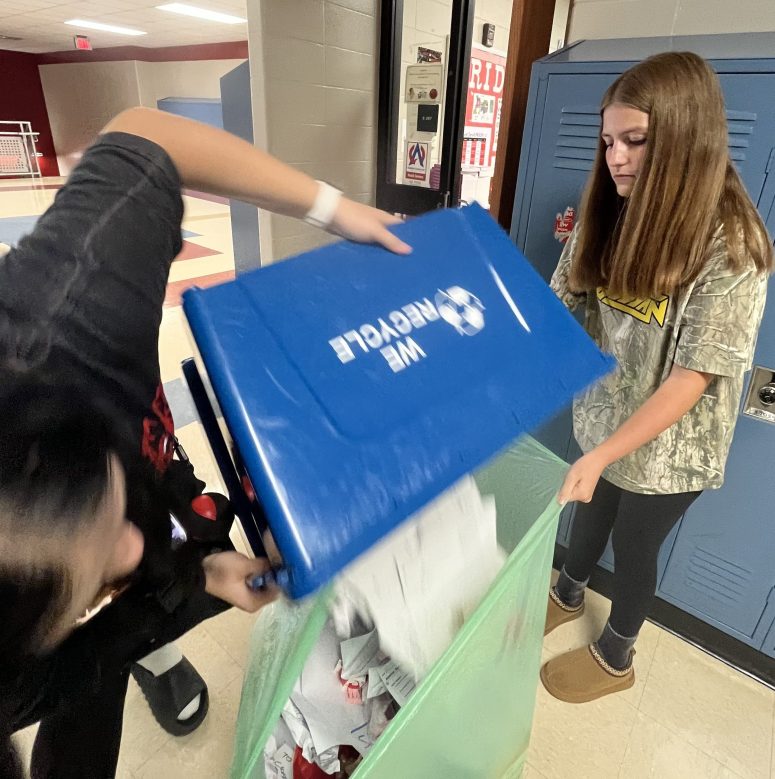
Sophomores Ellyana Chattin and Kenzie Myers pick up recycling from classrooms for the Eco Club. Photo by Miaa Caporale.

From clean-up days to starting new recycling projects, members stay busy making a difference on school grounds. 

 “I joined the Eco Club because I wanted to learn more about the environment and help out the community in every way I can,” said sophomore Jordyn Jaggers.

Her motivation reflects the club’s spirit; students come together not just to learn, but also to take action that makes a difference.

“The club encourages students to recycle not just at school, but also at home,” said sophomore Zoey Breeden.

This shows how Eco Club’s influence reaches further than the hallways of JHS, reminding students that even small actions can make a big difference in the world. 

“We are all passionate about the same cause, and it feels good knowing that all of us just want to make a difference,” said sophomore Graciela Sanchez. 

Her words reflect the sense of community the Eco Club has built for students, bringing students together who share the same passion.   

“Small actions matter. Just because we are a high school club doesn’t mean we aren’t making a difference. If everyone does one eco-friendly thing every day, together we can make a huge difference,”  Chattin said.

Sophomores Ellyana Chattin and Kenzie Myers pick up recycling from classrooms for the Eco Club. Photo by Miaa Caporale.

That belief is what pushes the Eco Club’s mission, reminding students that small steps added together can create a real change at JHS.

“Being in the Eco Club makes me more mindful about my choices, like recycling and saving energy by turning off a light when it’s not being used,” Breeden said.

This mindfulness is what the Eco Club wants to inspire students to do. Even a simple change like flipping a light switch can help save energy. By encouraging these small habits, the club hopes more students will become aware of their impact and choose to live more eco-friendly at home and at school. 

“My message to my classmates would be to become friendly; you don’t have to change your whole life. Small changes really matter, and if every student works together, the difference could be a huge impact on our community,” said Chattin.