First year of high school provides challenges, lessons for freshmen

by Liddia Waterbury

Freshman Eden Stewart sits down at the lunch table. She puts her belongings and lunch box down, then proceeds to take her food out of the box. While eating her food, she takes out her computer. She starts working on homework or missing assignments while eating.   

“Honestly, I don’t know. I usually prioritize finishing easier work in classes and taking more time to complete my harder work. This means doing work during lunch, advanced band, Spanish, and any other time I can. It’s really hard to do homework at home with all my band activities, but I usually manage my time well,” said Stewart.  

High school can feel overwhelming at first, but freshmen learn how to adapt and succeed. Their experiences reveal why the lessons they learn in their first year truly matter. 

For many freshmen, the transition to high school comes with challenges, but it also leads to growth. Stewart shares how they adjusted to this new environment and why it will help them to succeed.

“It was really hard. High school was really difficult to get into the flow with, especially because of my constantly full schedule between marching band, winter percussion, and all advanced classes. I’m still adjusting to it, and I know that with all the struggles this year, it will be easier next year. I will be able to have fun without a lot of stress,” said Stewart.

Although the transition can be difficult for many students, teachers support freshmen by making it easier and less overwhelming. 

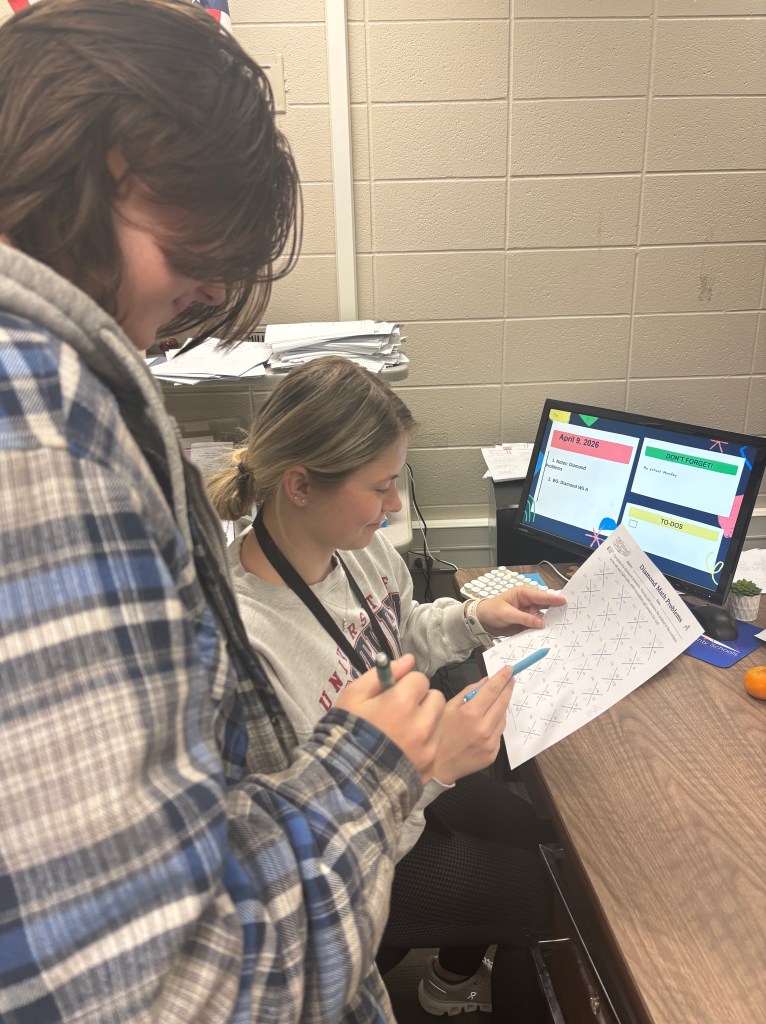
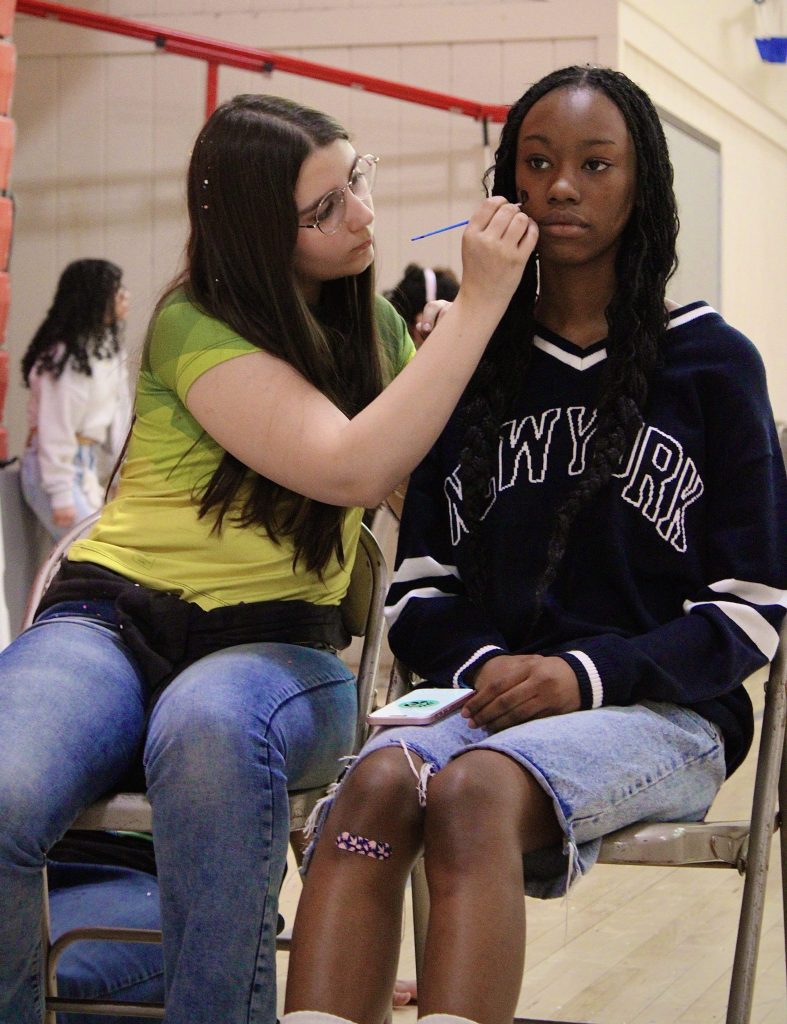
Math teacher Alyssa Jones helps freshman student Onah Barns with work during class on April 9. “To support freshmen, I listen to their problems and help with anything they need. Just caring about them and giving them extra time if they need it,” said Jones. Photo by Liddia Waterbury.

“It’s important to help freshmen adjust to high school because when you’re in middle school, you’re not really used to switching classes. Then, if you fail a class in high school, you have to retake it, and they’re not used to that either. To support freshmen, I listen to their problems and help with anything they need. Just caring about them and giving them extra time if they need it. Especially because you can get really behind on school work from seven classes if you don’t have that support,” said math teacher Alyssa Jones.  

Support isn’t only about helping students adjust. It’s also about motivating them when they feel overwhelmed. Teachers play a crucial role in helping freshmen stay focused and confident during stressful times. 

“If their lack of motivation is because they’re overwhelmed, then what I try to do is make it more manageable. I help them look at their grades in class and in other classes. I help them pick the most important grades and push to make sure they stay focused on them. They are the assignments that are going to help their grades the most. If they can just narrow their focus to one thing at a time, and get that done, they can make progress,” said English teacher Holden Henderson. 

This shows how teachers help students feel less stressed by breaking work into smaller steps. While that support is important, students also need to find other ways to get motivated on their own. 

“How I usually stay motivated is when I think about graduation. I usually end up thinking about how, like, if I don’t finish this, I won’t be able to succeed. I also stay motivated by thinking about how I want to make my family proud with good grades. This influences my hobbies and stuff because after putting in that much effort, they feel more relaxing. I look forward to doing my hobbies and other things,” said freshman Onah Barns. 

Students motivate themselves through their own goals. At the same time, teachers can strengthen that motivation by building supportive relationships with their students.   

“I just try to be myself, be relatable, and share my interests. I know that my interests overlap with a lot of yours. I feel a little bit more in touch with social media and modern media than other teachers. I just try to be relatable and make sure students know that I care about them as people and not just the numbers in my grade book,” said Henderson. 

“It’s really important to have a good relationship with a teacher because you’re more likely to pay attention to what they say. If you don’t have a good relationship, you’re more likely to tune them out and do the bare minimum and not learn what they teach you,” said Henderson.

Strong relationships with teachers can impact how much students engage in class. When students feel comfortable, they are more likely to listen, learn, and reach out for help when they need it.      

“To ask for help with school, I raise my hand, go up to the teacher, and ask questions. I know that they are here to help me and help me succeed. When I ask the teacher about work, they help me to understand it better. This also gets rid of a lot of stress when the material is important and I don’t know how to do it,” said freshman Madisyn Maratty. 

Asking for help is important, and it also shows something bigger. Teachers are there to guide students and support them when they struggle, making help a key part of their role.

“Remember, there are so many trusted adults in this building who want to help you succeed, so find one and develop a relationship with them. Talk to your teachers about topics or things you may be struggling with. They are here to help you and truly appreciate hearing from you over hearing from a guardian or another adult.”
Freshman Counselor Andrea Schedler

“Remember, there are so many trusted adults in this building who want to help you succeed, so find one and develop a relationship with them. Talk to your teachers about topics or things you may be struggling with. They are here to help you and truly appreciate hearing from you over hearing from a guardian or another adult,” said freshman counselor Andrea Schedler. 
Support from adults doesn’t stop at just being available when students ask for help. Teachers also take an active role in guiding freshmen, helping them build skills and habits they’ll need to succeed throughout the rest of high school.

“I make sure freshmen understand what is expected, that there’s certain behaviors that are not acceptable. I make sure that they know that teachers have deadlines to get work done. At first I try to push and guide them, then I get stricter, if they are still lacking in maturity,” said biology teacher Joe Somerville. 

The freshman experience includes challenges, growth, and support. Students build habits and maturity while teachers continue to guide and push them towards success.

Freshmen share tips for succeeding in the first year of high school

by Kaylee Borelli

The school year coming to an end, and throughout the year, freshmen have learned to adapt to the new environment of high school.

Teachers and counselors at have noticed how this year’s freshmen adjusted to the rigors of high school and how they’ve grown over the school year.

“Some of this year’s freshmen have adjusted well to the rigors of high school. I have witnessed growth in attendance, getting to class on time, balancing the workload of seven classes, becoming more confident in themselves, and learning how to handle conflict and minor issues on their own,” said freshman counselor Andrea Schedler. “I have also witnessed a lot of students grow in their involvement in athletics and extracurricular activities.”

Adjusting to the challenges of high school does not always happen easily, though.

“Overall, as a freshman class, they haven’t adjusted very well to high school,”  said freshman college and career teacher John Moody. “Some have figured out how to live outside of middle school and have been mature, while others have been immature and are still stuck in middle school.”

Moody shared some tips on how future freshmen can prepare themselves for high school and adjust to the rigor of JHS.

“What you’re going to experience here is going to be much different. You’re going to be expected to meet deadlines. You’re going to be expected to work on things you don’t know, and you’ll have to ask questions,” said Moody. “You just need to be as prepared as you can be. Make sure things are turned in on time because some teachers won’t even accept late work. Also, don’t fall behind because if you don’t fall behind, you won’t have to worry about catching up.”

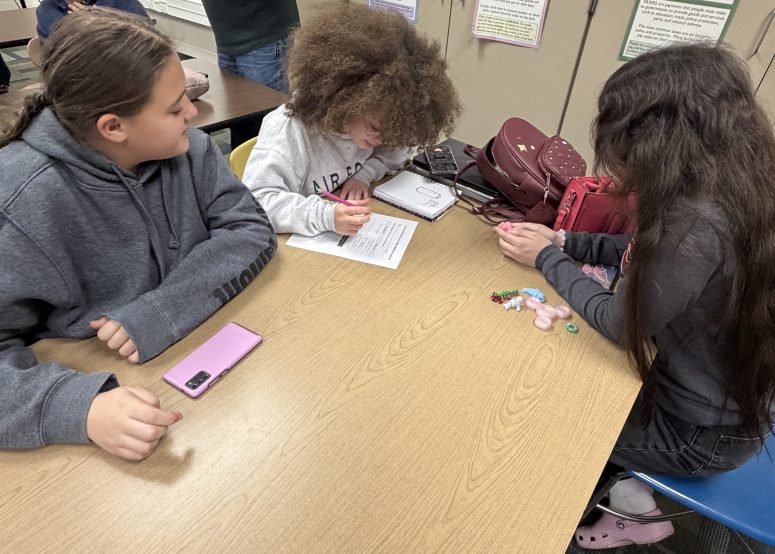
Freshmen Cherish Brown, Lauren Beck, and Arianna Black work on a Coca-Cola group project in Michael Moody’s college and careers class. Photo by Kaylee Borelli.

This year’s ninth graders have also detailed some advice for incoming students next year.

“I would definitely just be yourself so you can find more people that are like you,” said freshman Donnie Muncy. “I feel like that’s a big part of it, being around people like you helps you be yourself and be happy. But overall, just being around people like yourself will make your overall high school experience better.”

Similarly to Muncy, freshman Sophie Ellis also detailed a way to make friends as a freshman.

“Go to all the events, even if you don’t think they’re going to be fun,” said Ellis. “It’s a great way to make friends and bond, and you get to see the school community.”

In addition to the students sharing their tips, some freshmen shared how they succeeded in their first year of high school.

“This year, I never let my work slip and was able to turn in my work on time,” said freshman Katie Higdon. “I just made sure I didn’t procrastinate and got my work done before the due date, so I wasn’t stressed the day before an assignment was due.”

Freshman Kaden Eurton said organization made school less stressful.

“Instead of stressing over my work, I would stay organized and balance my work and free time so I never fell behind,” said Eurton. “I would say as long as someone stays organized and stays up-to-date with work, high school will be more enjoyable and not as stressful.”

Regular attendance is another suggestion that freshmen shared with their peers.

“You really can’t miss much school because of how much work there is,” detailed freshman Parker Vibbert. “It takes a while to get caught up, but as long as you have good attendance, school will be much easier.”

Anchor Club seeking applicants for next school year

by Areli Hernandez

Anchor Club is excited to announce its upcoming 2026-27 season. Applications are now open for interested students and officially close May 6. Click on the QR code for more information or contact Anchor Club sponsors for any questions.

Anchor Club sponsors: 

Michell Densford- mdensford@gccschools.com 

Chloe Merkle- cmerkle@gccschools.com 

Francesca Hernandez- fhernandez@gccschools.com 

Judy Brooner- jbrooner@gccschools.com

Graphic by Areli Hernandez.

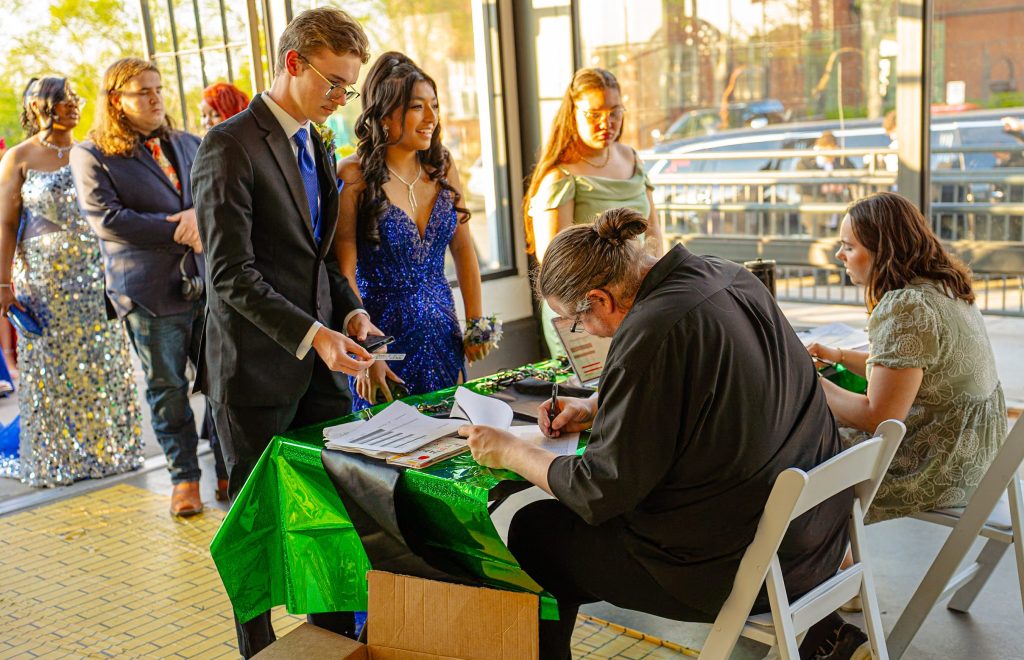
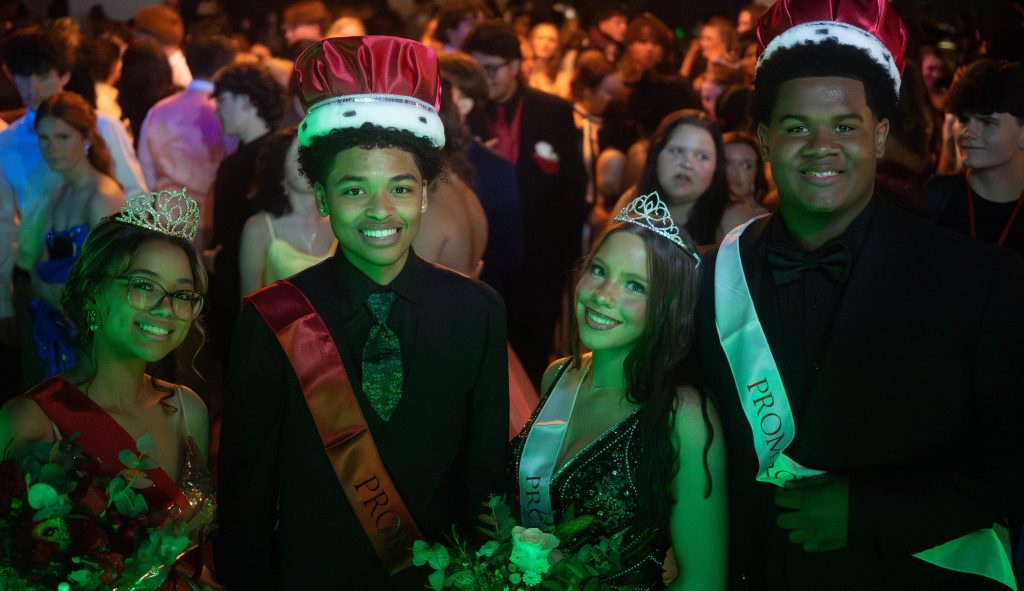
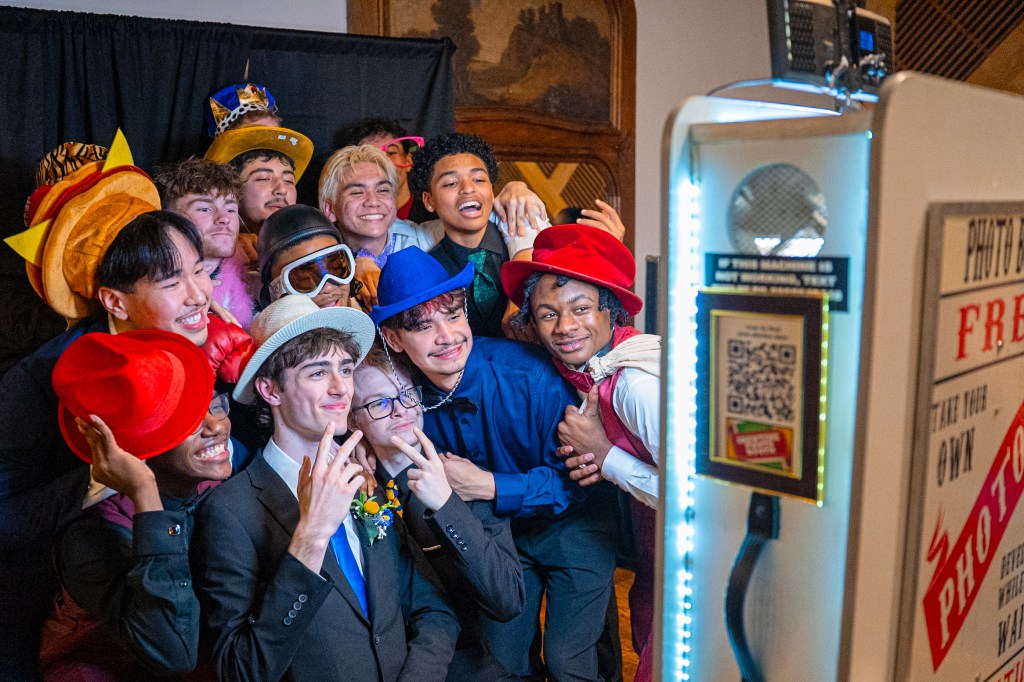
Red Devils make memories at Saturday’s annual prom

Photos by Magdalene Conrad and Malachi Conrad. Click on each image below to view photographs in gallery.

High caffeine energy drinks linked to negative health effects

by Jackson Anderson

While energy drinks have been popular among students, side effects have been a concern for teachers, nurses, and parents. 

The popularity of high caffeine and sugar drinks worries many parents and teachers, including nursing assistant Donna Poole, who described the side effects she sees working in the JHS health office.

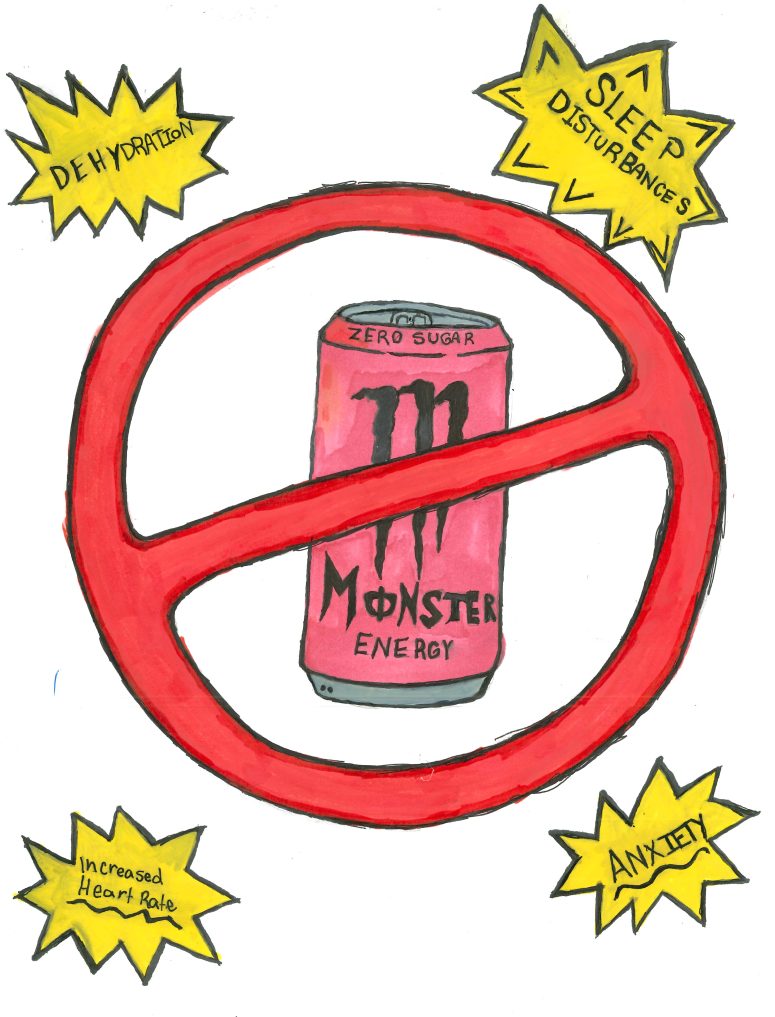
“All of these things can be side effects — high blood pressure, mental health. You can have anxiety, irritability, restlessness — all of those things can be affected by too much caffeine,” she said. 

Poole said these side effects can be activated by consuming energy drinks on a daily basis. This excessive amounts build up a negative dependency in human systems.

“If you drink them on a daily basis, you are building up a dependency. So then if you don’t have them, like I said, you’re going to get side effects — headaches, not feel good. You’re going to be lethargic,” she said. 

Abusing the consumption of these drinks can highly affect children’s growth, restricting bone acquisition and causing hormonal imbalances due to the high caffeine and sugar levels that energy drinks carry. 

“It’s better if you can just not get to that situation, where you are dependent. Everyone has to make their own decisions about that; we just need to be educated on what it’s doing to us,” said Poole.

The American Academy of Pediatrics warns these drinks can be harmful and addictive, increasing the risk of excess weight gain, cavities, heart disease, diabetes and fatty liver disease. 

These energy drink companies just market their products as fun drinks with bright colors with trendy styles and formats, designed specifically to attract teenagers, according to The Guardian. Poole described these advertising techniques as a negative way to hook teenagers. 

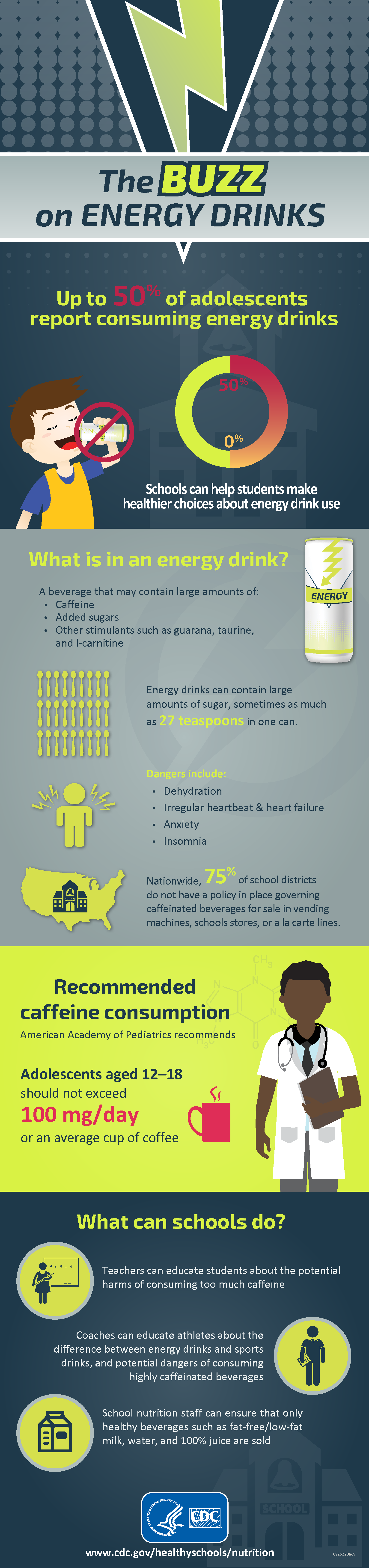
Art by Mackenzie Stubblefield.

“They package them to target kids; they make them look good. They make you want them, so I mean it’s just that we need some healthier alternatives.”

Sophomore Makenzi Middleton said she drinks energy drinks, listing a variety of flavors, and described how the brand Alani listens to their consumers.

“One reason why I really like that brand is because they listen to people’s ideas a lot, like people will talk about ideas they like, and then you might see it coming out. Like the cotton candy energy drinks were limited, and people wanted them back, so they brought them back, as well as two other flavors,” she said. 

The company Alani creates new flavors based on consumer recommendations. However, Poole finds even these tactics to be a problem — “tricking teens” to buy their product that is advertised to be positive and give a “quick boost of energy,” but still doing damage. 

“I just hate to see the damage that’s being done by energy drinks. Personally, I don’t think kids should be allowed to buy them, but they’re going to get them anyway. I mean that’s how kids are, we always find a way, doesn’t matter if you’re supposed to or not,” she said.

Poole explained that educators and health officials still make it known that energy drinks carry dangers and the effects that they can cause, especially to young audiences.

“You live and learn. I do know everybody here is concerned and knows the dangers, the teachers and the staff know the dangers for kids,” she said. 

There is no federal legal age requirement for teens to purchase energy drinks in the United States. While no national law exists, both the American Academy of Pediatrics and the Center for Disease Control and Prevention (CDCP) recommend that adolescents from ages 12-18 limit their caffeine consumption to 100 milligrams per day. 

These drinks hold a dangerous level of caffeine, all the way up to 200-plus milligrams. For comparison, the average cup of coffee is 80-120 milligrams. That’s about less than half the usual energy drink 

It is highly recommended for consumers to drink one a day maximum, considering the average intake of caffeine in a day should be around 100 milligrams, which is far less than many cans hold. 

AP biology teacher Melissa Brewer supported limiting caffeine, saying, “You’re not supposed to have that much caffeine maybe in a whole day, but I see kids drinking two or three of those a day.”

Coffee may be better slightly statistically than an energy drink, but Brewer said teens must be wise with the amount and consistency they drink to avoid addiction. 

Poole agreed. “I like my coffee a lot, but your brains are still developing, so it affects you all more. A lot of these kids, they drink so much of it, they really feel the effects of it, so I mean everybody has to use their own everything in moderation.” 

For senior Natalie Hollins energy drinks are something she can control on a daily basis.

“I consume energy drinks because they give me a boost through days that I’m tired or having a bad day, but I don’t drink them as often as I used to, so l’d say maybe twice a week.”

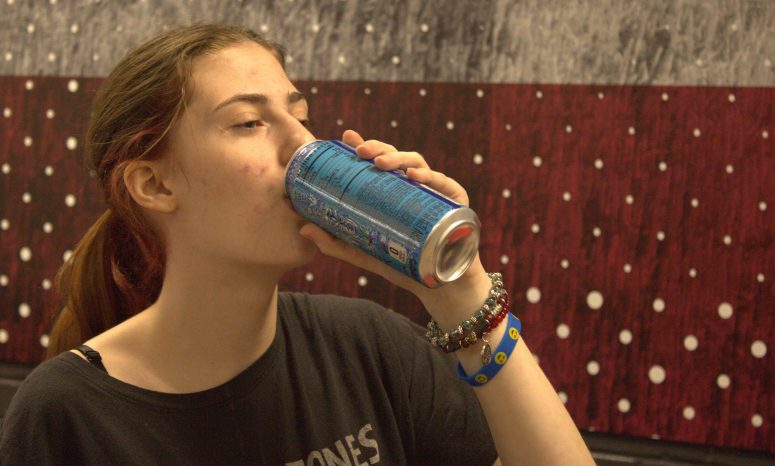
Freshman Dakota Jent drinks an Ultra Blue Hawaiian Monster energy drink, which is a zero-sugar, low-calorie energy drink containing 150 milligrams of caffeine. Photo by Mackenzie Stubblefield.

While some teens control their energy drink intake, others avoid the drinks altogether.

Sophomore Ethan Jenkins said, “I don’t consume energy drinks because it can ruin your sleep schedule, it’s unhealthy and for some even unsafe for your heart and blood sugar levels. I wouldn’t try one — it seems too dangerous and not worth it at all.” 

Sophomore Dana Romero Regalado said she has noticed these side effects, too.

“At times, I have experienced side effects such as feeling jittery, an increased heart rate, and difficulty falling asleep if consumed later in the day.”

At the end of the day, research links energy drinks and caffeine to negative health effects, which is why JHS does not sell them at lunch and stocks vending machines with lower calorie drinks that are all zero sugar.

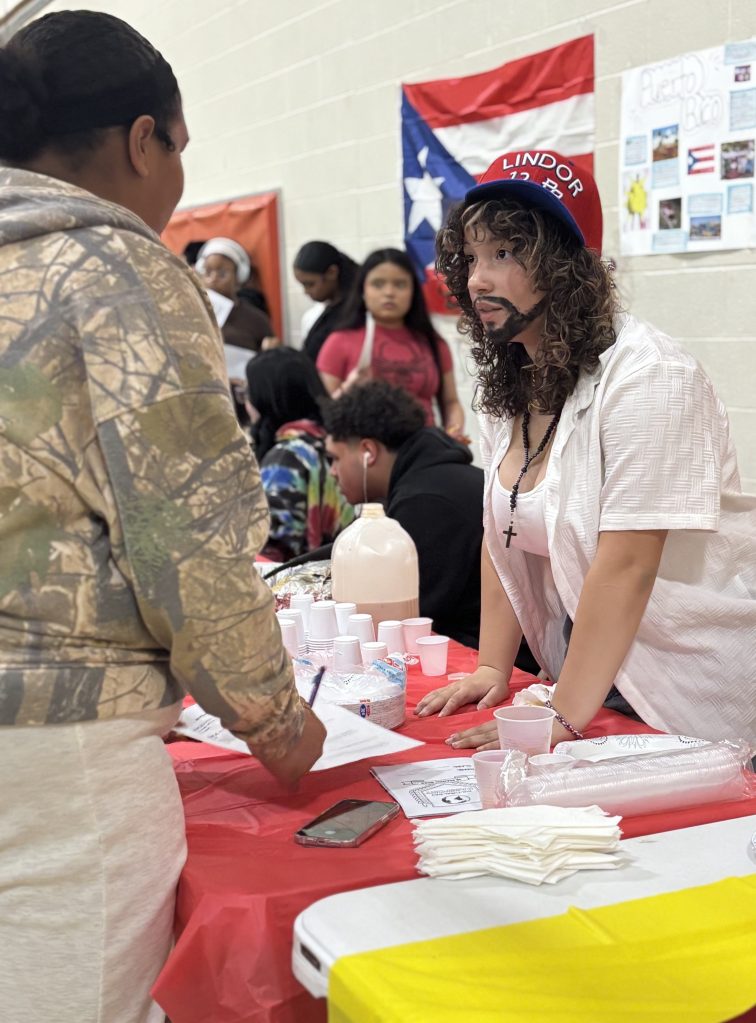
Annual showcase allows students to share highlight their cultures

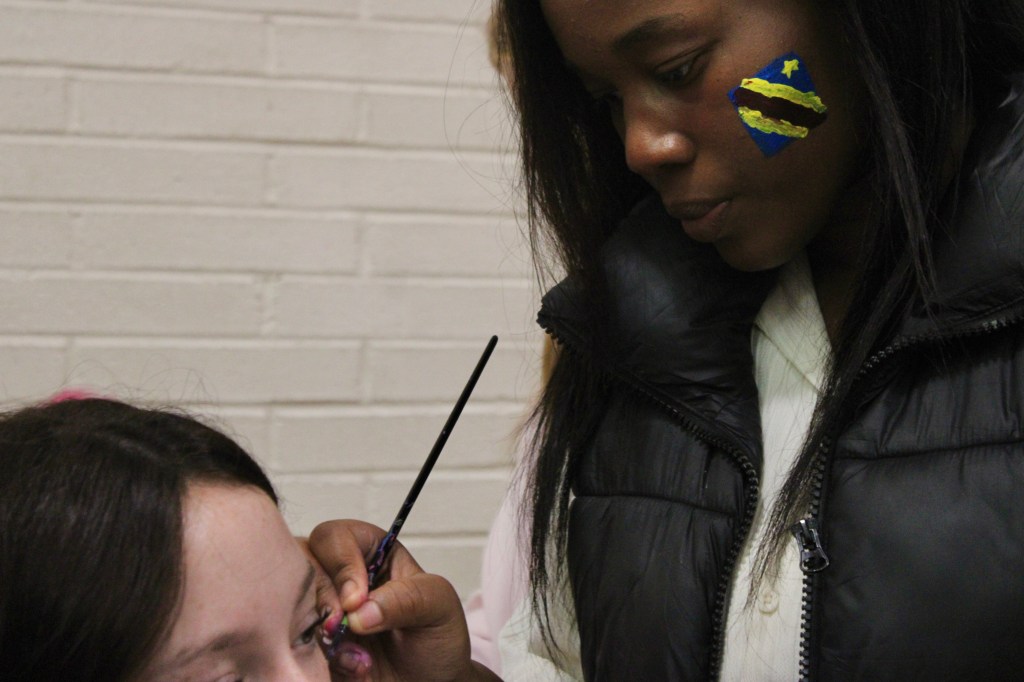
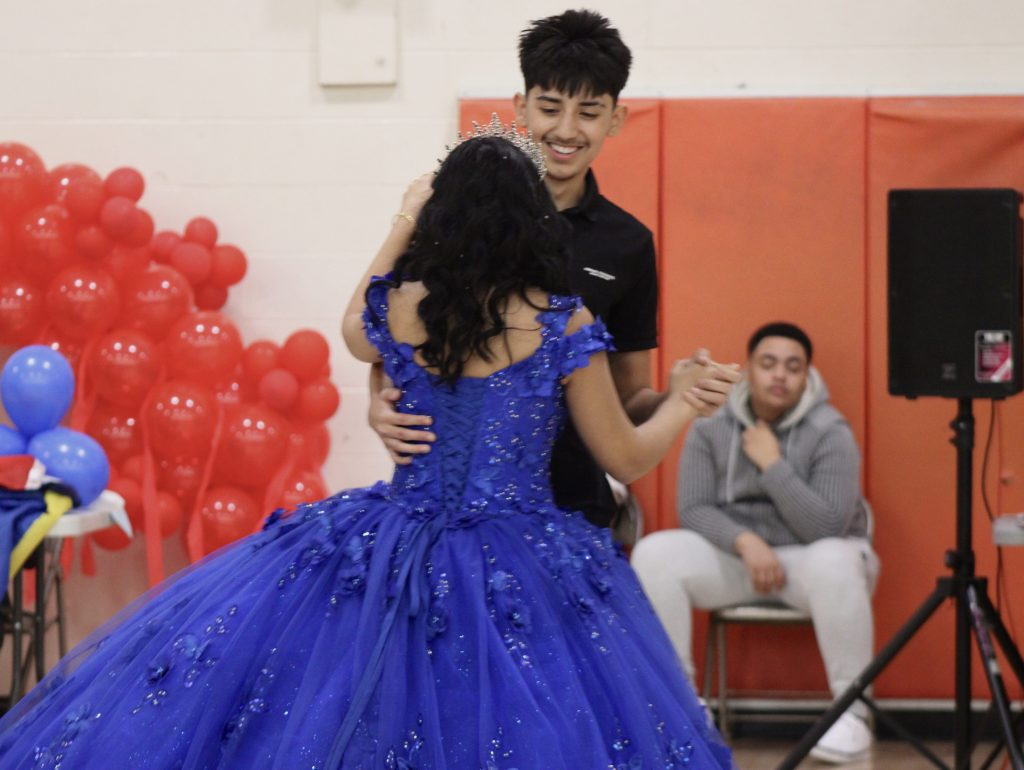
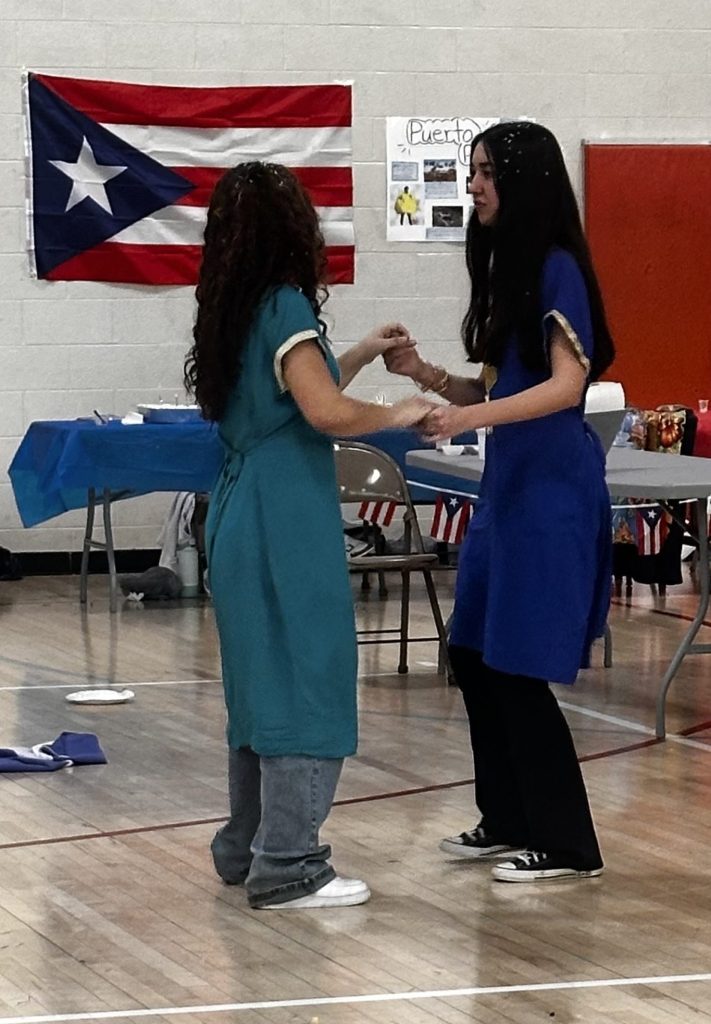
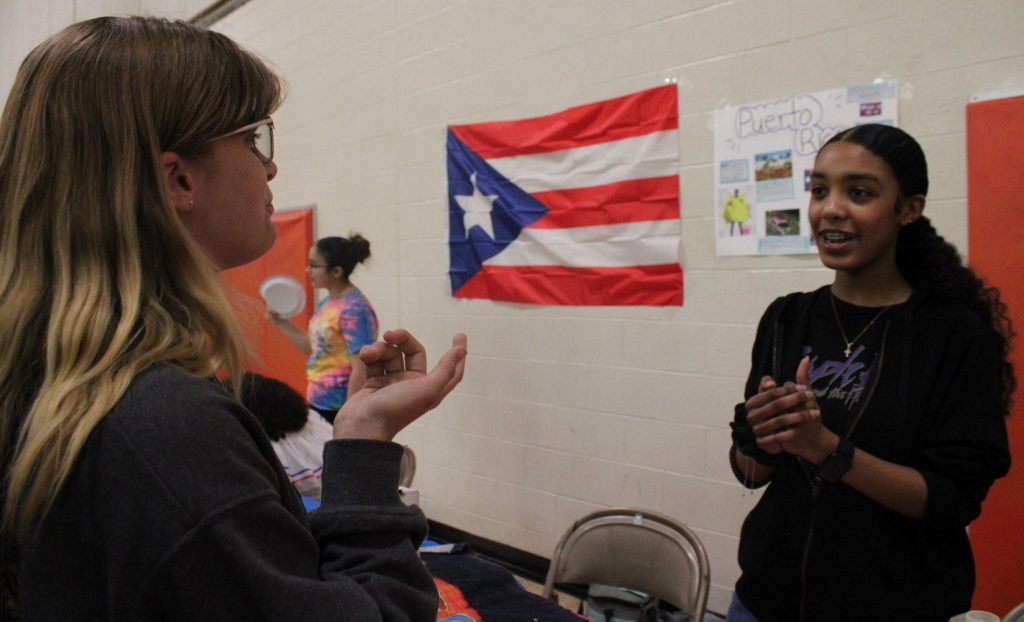
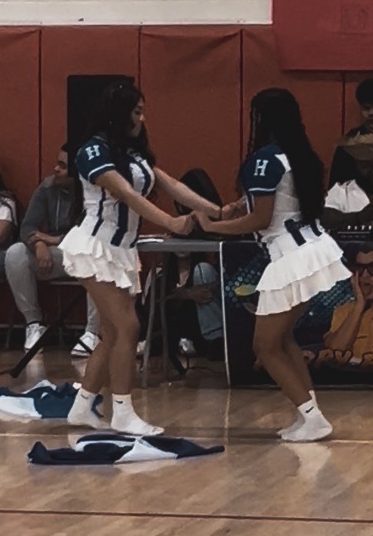
JHS students participated in the annual Multicultural Showcase on Thursday, March 12, sharing their cultures through presentations, dance, food, and dress with their fellow students and staff in the auxiliary gym.

Click on each photo in the gallery below.

Extracurricular activities benefit students in a variety of ways

by Breslyn Dozal

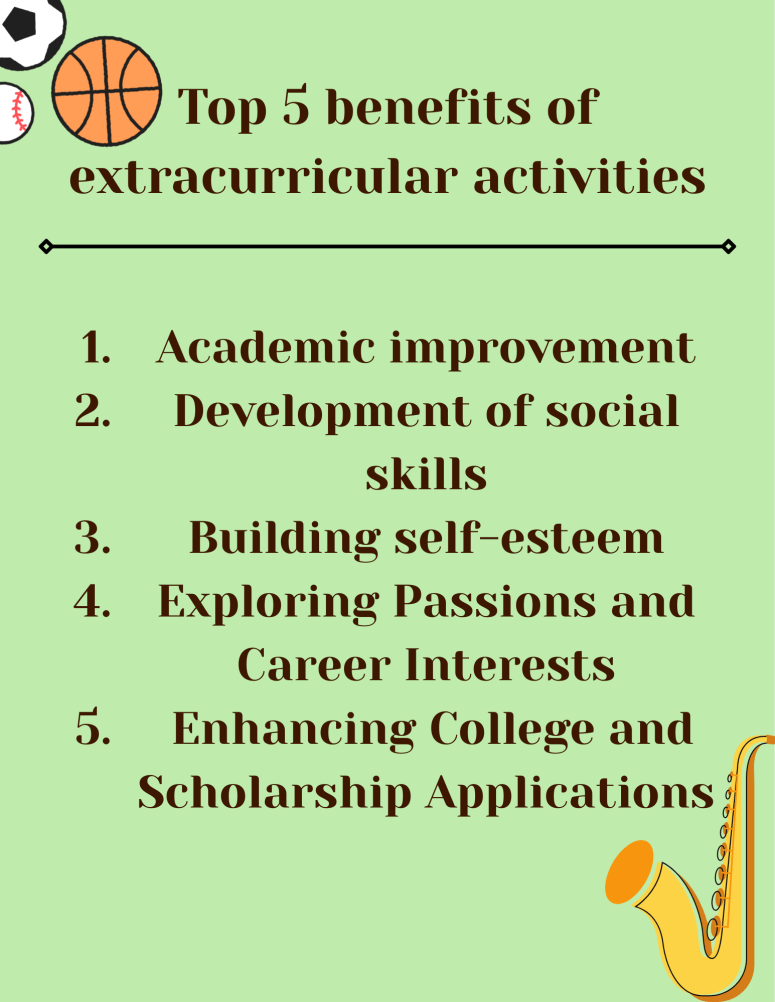
Extracurricular activities offer students crucial lessons in teamwork, discipline, leadership, and resilience, helping develop skills outside of just academics.

High school is full of opportunities. Some of those opportunities are extracurricular activities. Most extracurricular activities are after-school activities, but in some cases they can go on during school.

Many students have found that extracurricular activities build up their confidence and decrease social anxiety.  They build up many skills such as communication, problem-solving, and adaptability. Extracurricular activities can be sports or clubs.

Graphic by Breslyn Dozal.

“Confidence, it helped me through soccer and it made me a better player,” said freshman Jacqueline Escobar, who plays club soccer, not related to school. She added that playing a sport outside of school has helped her with time management with her school work by having to balance practices, games and school work simultaneously. 

Senior Kendall Curry agreed that participating in extracurricular events has helped her find balance with not only clubs and school work, but also with working at her job. In all these areas, Curry said that she was around diverse groups of people. Because of this, she learned how to work among a variety of individuals from different backgrounds as hers. 

By participating in extracurricular activities, students can also gain insight into fields of interest they may want to pursue in the future.

Curry learned from being a football manager that she will likely pursue a career working in sports.

Freshman Alayla Hickerson learned by being in band that she would like to continue it in college and maybe as a career. 

Special life skills can be derived from participation in extra curricular activities as well.

Freshman Eva Harbeson appreciates the marksmanship skills she has learned in JROTC. She said that she likely won’t use those skills in a future career, but she is glad she can protect herself for knowing them now. 

Curry, Hickerson, Escobar and Harbeson all described common lessons they learned from participating in extracurricular activities: they gained confidence, time management skills, and the willingness to try new things.

All of these skills are useful in future goals outside of high school, proving how beneficial extracurricular activities can be.

Financial stress affects high school students 

by Chloe Newton

For many high school students, the day doesn’t end with the last bell. After class, some head to part-time jobs, others to extracurriculars, and many try to balance both, often because of financial pressure.  At Jeffersonville High School, students say that money plays a growing role in their daily decisions, from whether they can attend school events to how many hours they work each week.

“I started working to sell smoothies because I wanted to help pay for my own things,” junior Onesty Gipson said, “but once I started. I realized  how hard it is to manage schoolwork and a job at the same time.” 

According to students, common expenses include gas, clothing, food, phone bills, and saving for college. While some work to cover personal spending, others say their income contributes directly to household expenses.

Sophomore Shane Adkins works around 20 hours a week at a local department store. “I help pay for my clothes, phone bill, and sometimes groceries,” he said. “It’s stressful,l but it feels good paying for my own expenses.”

Teachers have noticed similar patterns as well. French teacher Dana Schenk said students who work longer hours sometimes struggle to keep up academically.

“They’re motivated and responsible, but there are only so many hours in a day.”

Not all students experience financial stress in the same way. Some students say they do not need to work and receive financial support from their families. Sophomore Vivianna Hill said money is not a major concern for her right now. 

“I don’t have a job so I can focus more on school and clubs, but I know that’s not everyone’s situation.” 

The difference in financial responsibility can affect social life as well. Several students said they skip outings or school events because of cost. 

“Sometimes I just say I’m busy; it’s easier than explaining I can’t afford it,” said sophomore Monseratt Gonzalez.

Despite the challenges, some students say working has taught them important skills. Sophomore Lucy Roberts said managing her paycheck has helped her learn budgeting.

“It’s stressful, but it’s also made me more aware of how money works,” she said.

Schenk also encourages students feeling overwhelmed to seek support. 

“Whether it’s adjusting work hours, accessing school resources, or just talking it through, students don’t have to handle financial stress alone,” she said. 

As students juggle academics, work, and personal responsibilities, financial pressure remains a quiet but significant part of high school life, and it is something that will always affect students differently depending on their circumstances. 

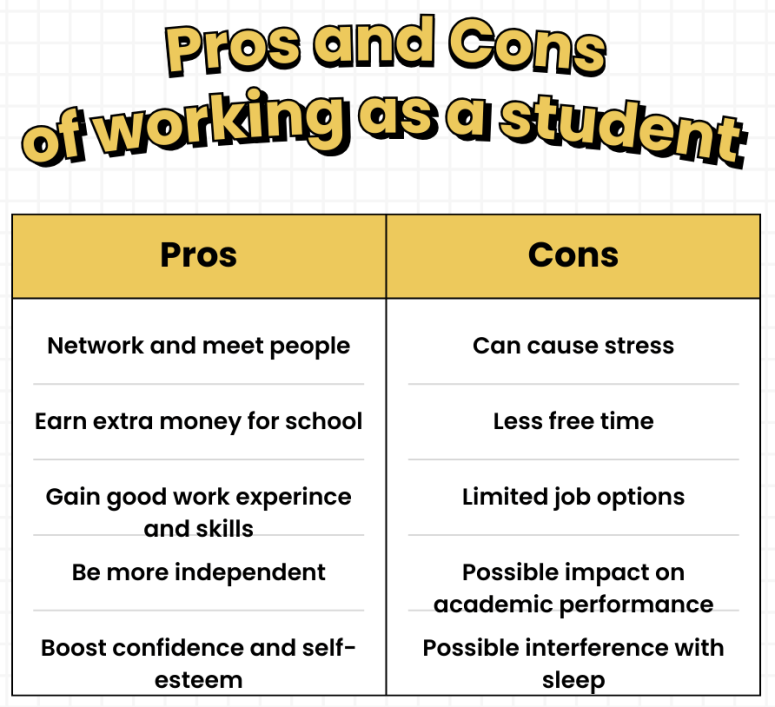
Graphic by Chloe Newton.

Planning and support help JHS teens balance school with part-time jobs

by Breslyn Dozal

Balancing school and a job can be tough for students. It takes good time management to handle both without falling behind.

All students are different. Whether it’s studying or dressing a certain way, there’s one thing they all have in common. They need jobs! The real thing is, how do they maintain a job while being a student?

“I usually only work at least three days a week unless I pick up more shifts, but I try and get most of my school work done if I work that specific night. Sometimes I’ll plan out my week just so I know everything that I have going on,” said senior Kendall Curry, who works at 7brew Coffee.

When planning a routine, making sure students have everything sorted out is one of the hardest things. Many steps come when making a routine or schedule. The biggest thing teens can do is set a goal and have self motivation.

“I would say, my mindset helps me focus on what the next step is to the ending step,” said sophomore Marcus Baker, who works at Taco Bell.

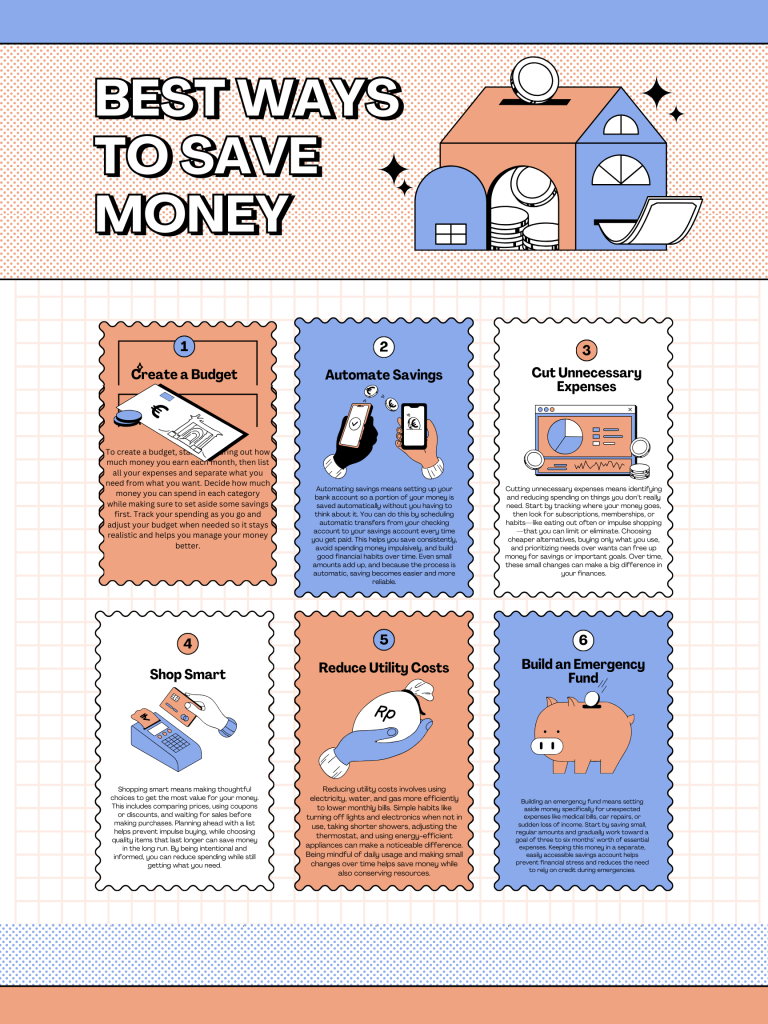
Graphic by Breslyn Dozal.

Being a student athlete may also be a challenge when it comes to balancing work and school. On top of school work, students have practice and games which might make it hard to get to work on time or get there in general. 

“Do school work quick, work the days I can, and practice when I can,” said sophomore Kaden Waters, who works at Culver’s

When asked, Baker said being considerate of the time given and managing time well helps him most when it comes to being a student athlete and balancing work.

Talking to coaches and employers about working around students’ schedules is the best way to form a good working relationship alongside school work. Most coaches find a way to plan important stuff around athletes’ schedules. 

Another good way to plan is asking others in the same situation how they do things. What their strategies are and how they manage everything. How they keep up with school, work, and sometimes sports too.

“I keep up with my job by working no more than 30 hours and not working multiple days back to back,” said senior Maxwell Schoonover, who works at Kroger.

It’s also important for students to enjoy high school years. If students are always spending time doing work or sports and school, they’ll forget to have fun. Another thing is overwork. Working too much and not giving enough will make everything 10 times harder.

“It is important to work but it’s also important to have fun in high school and school is already like a job so it’s important to give yourself a rest,” said Schoonover

One thing that Jeffersonville High School offers is academic pathways. These pathways are mandatory but very useful. It helps students to take certain classes to be prepared for out of school work. It also offers real job sites during students senior and junior year. Helping them prep and know what you’re stepping into.

Another thing being offered is Prosser. Prosser is a real life learning experience. With work based teaching, Prosser helps students get the experience they need.

“One of the beautiful things now about high school education is because of the ways the pathways are able to work your senior year during the school day and that is a part of your academic portfolio. You can get a grade for it, you get release time from school. You can get school credit, earn money, get your job during the school day. And that’s a part of the state’s initiative on this work- based learning,” said Jeffersonville High School principal Pam Hall

Balancing work and school takes effort, but with good planning and support, students can succeed in both. It’s all about staying flexible and focused on their goals.

Supplies for Food Pantry and Connor’s Closet

by Areli Hernandez

Additional Reporting: Tyler Conley 

Graphic by Daysha Gray.

The food pantry and Connor’s Closet at Jeffersonville High School prioritizes the needs of students and families. As winter break comes to an end, items and clothing are in high demand to help students. 

Those interested in donating supplies for the Food Pantry may turn them in to room A225 or in A204. For more information, contact Michelle Houchin. 

Michelle Houchin: mhouchin@gccschools.com

Graphic by Daysha Gray.

If someone outside the school is interested in donating items for Connor’s Closet, contact Stephanie Soper or Jennifer Mitchell for further information. Students who are interested in donating, may bring their donations to room C125.

ALL clothing must be in new conditions. 

Stephanie Soper: ssoper@gccschools.com

Jennifer Mitchell: jmitchell@gccschools.com

Column: Guitar Hero brings both fun and nostalgia

by Kaylin Bowman

“Easy, medium, hard, and expert.”

These are the choices for what mode you want to play in a famous 2000s game called Guitar Hero. Guitar Hero was a very popular game, with its first release of Guitar Hero 1 in 2005. The game itself was originally designed for the PS2 and PS3. Still, it eventually expanded to other consoles, including the Xbox 360, Wii, PS4, Xbox One, Wii U, and even mobile devices and handhelds like the Nintendo DS.

There are at least 25 Guitar Hero games. From Guitar Hero (2005) to Guitar Hero Live (2015), and other games based on Guitar Hero like Rock Band, Clone Hero, and DJ Hero as well! I prefer the original, but it’s always fun to try the other games as well. Now I have Guitar Hero for the Xbox 360. Sure, there are some lag spikes here and there, but other than that, it runs smoothly, and I enjoy the game a lot.

There are different ways to play Guitar Hero, too. You can use the Guitars, Drums, Microphone, and even your console controller. I prefer to use the Guitar controller; it makes the experience more immersive and more enjoyable. Guitar Hero even has a practice mode, as well as a learning mode. Practice mode allows players to practice the songs in the game, while learning mode teaches new players how to hit the notes and strum the bar to time it perfectly. It also teaches you cool techniques you can use when playing the songs to help you understand the game’s concept. 

Not many people play Guitar Hero anymore. When I’ve talked to my parents, teachers, and even other students, which sucks because, sure, it’s an older game that’s outdated, but it can still be fun to play if you actually try it out. 

Should other people play it? Yes, for sure it’s not a violent game, and you battle your opponents with guitar skills instead of guns, chainsaws, knives, etc, and once you beat the game, you’ll have all the songs unlocked so you can practice your skills even more and eventually make your way to expert, which is the highest you can get.

When I’m playing Guitar Hero, I’m fully immersed in the game, from how entertaining it is, and I’ve been playing it for over a year now, and I still love the game. Even though it took me forever, I finally made it to expert, and I’m proud that I made it that far with the game.

“Jump straight to expert. It’ll be difficult at first, but it’ll get easier as you play.”

Those are words that my dad told me when I first started playing, and that’s what I did, and turns out I could do it when I thought that I couldn’t at all, and when I listened to what he told me that day, it all made sense why he said that. When I first tried it, I sucked at it because of how fast the notes were moving, but over time, I learned how to do it, and I got better at it, and that’s how I got to where I am today on Guitar Hero.

Guitar Hero even has a lot of bands in it; some bands even have their own Guitar Hero game dedicated to them. Like Guitar Hero: Aerosmith, Guitar Hero: Metallica, Guitar Hero: Van Halen, and more. Some bands that are in the main games are Nirvana, AC/DC, DragonForce, Foo Fighters, Queen, Slipknot, KISS, and so much more. Another game that a lot of rock songs are on is Guitar Hero: Smash Hits, which has a lot of rock songs that a majority of people know about.

Sadly, over time, Guitar Hero stopped due to market saturation and declining sales, which is sad, but the games that are out, you can still buy and play them. Another reason why they stopped is that Guitar Hero peripherals often did not work with new game versions, requiring further investment, and Activision officially discontinued the series and disbanded its music game division to refocus on other online and interactive entertainment. Even tho RedOctane is the original publisher of Guitar Hero, and over time they closed Guitar Hero for other new rhythm games. But will there be more games in the future?

So what will it be? “Easy, Medium, Hard, or Expert?”

‘Stranger Things’ final season creates nostalgia

by Kori Washington

From fan theories to TikTok countdown clocks, the excitement for Stranger Things season 5 is everywhere. As this Wednesday’s Netflix release gets closer, fans around the world share their predictions and thoughts about the show and its final season.

Stranger Things premiered in 2016, and over the course of nine years, the show has become one of the top shows of all time.

Graphic by Daysha Gray.

Stranger Things is set in 1980s Indiana, and the story begins when four boys are playing Dungeons & Dragons in Mike’s basement. Once the game is over, they all go home. However, the next day, they discovered that Will never made it home safely and is now missing. This is when the story hits its climax, and the whole first season is about three boys, his family, and a newfound friend trying to solve the mystery of Will’s disappearance. 

The following seasons continue with many conspiracies, twists, turns, and deep emotions. Still, throughout the seasons, viewers watch everyone grow up, fix or make new relationships, or change themselves for the better.

Throughout all of this, they all still find time to try and save Hawkins, and their journeys has intrigued fans for over nine years.

For English teacher Allison Clary, Stranger Things brought back nostalgic memories.

“It looked like an interesting show and I really loved that it was set in the 1980s, which was when I was a teenager,” she said. 

Science teacher Melissa Brewer agreed. “I like the nostalgia aspect of it. I like the 80s throwback stuff, because I’m from the 80s.”

Social media also played a role in why people started watching the show.

“I saw it on TikTok, and I thought it looked cool, and then that’s when I got really interested in the show,” said freshman Jerome Sanders.

But social media and nostalgia aren’t the only qualities that make Stranger Things stand out from other sci-fi shows. 

“They’ve also really brought us into the lives of all those characters. So I feel like they’re all my friends,” said Clary 

“It’s emotional to watch because you get so emotionally attached to the characters,” said Sanders. 

As the final season approaches fans share the same mix of excitement and sadness.

“I feel sad because because weŕe not going to see out favorite characters again, but I have been hearing they release a trailer of an animated series, and I’m excited,” said Sanders. 

“I’m super sad and very bittersweet. I have loved a lot of series, but this one is just unique,” said Clary.

After nearly a decade with these characters, saying goodbye feels upsetting. Even the show’s characters capture that feeling, like when Eleven said, “Friends don’t lie.” That line sums up the loyalty and connection that made Stranger Things so meaningful to fans.

The first four episodes of Season 5 of Stranger Things premiere on Netflix on Wednesday evening. The remaining episodes premiere on Netflix on Dec. 25, with the series finale on Dec. 31.