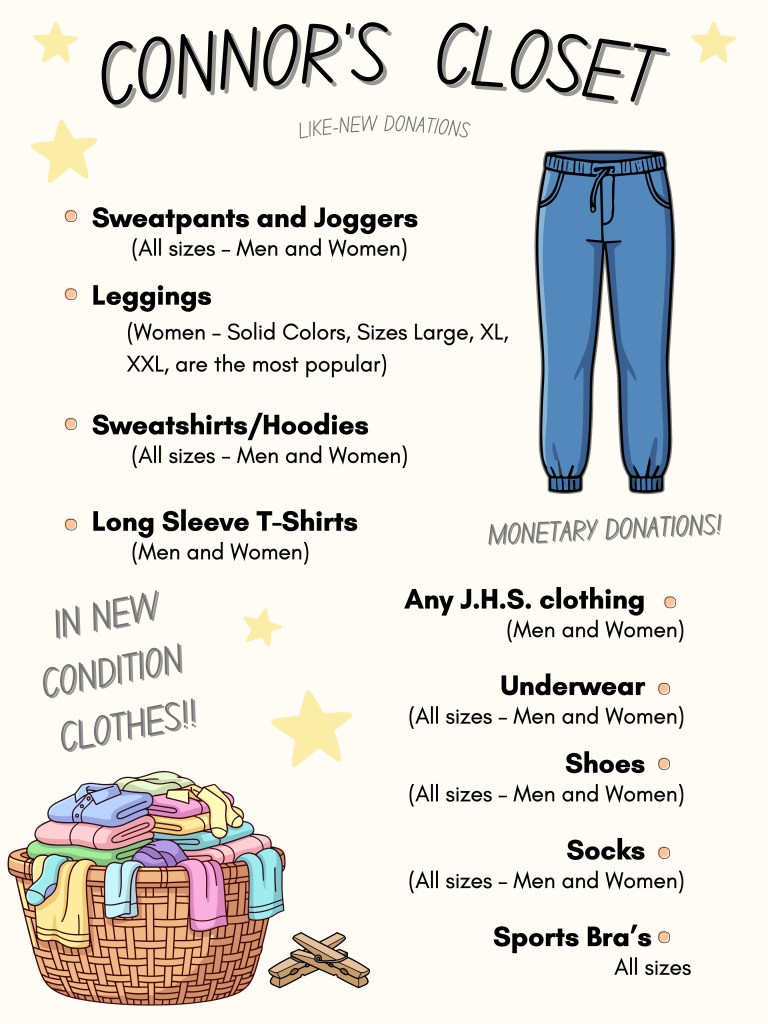
The food pantry and Connor’s Closet at Jeffersonville High School prioritizes the needs of students and families. As winter break comes to an end, items and clothing are in high demand to help students.
Those interested in donating supplies for the Food Pantry may turn them in to room A225 or in A204. For more information, contact Michelle Houchin.
Michelle Houchin: mhouchin@gccschools.com
Graphic by Daysha Gray.
If someone outside the school is interested in donating items for Connor’s Closet, contact Stephanie Soper or Jennifer Mitchell for further information. Students who are interested in donating, may bring their donations to room C125.
Stephanie Niemi poses with the Christmas candy basket she won as part of the Sophomore Class JHS Christmas shirt fundraiser. The Sophomore Class had a drawing for the gift basket for anyone who purchased a shirt, and Niemi’s name was drawn as the winner. The Sophomore Class thanks everyone who participated. Submitted photo.
After 13 seasons Mark Stoops brought historic stability to Kentucky and led four 10-win campaigns in 2018 and 2021. He also showed the team eight consecutive bowl games and two top-25 finishes. But after too many losing streaks and a 41-0 loss to Louisville on Dec. 1, Kentucky fired him. Will Stein is the new Kentucky coach.
Many Louisville fans are happy because they want real change and challenge. Senior Kaeleb Hayes, who is a die hard Louisville fan, said that Kentucky “needed to do it” and that the team would be “better off without Stoops and the team will get along so much better with the leadership and the stability of Stein.”
But others do not agree with Hayes and think that Stoops should not have been fired. Sophomore Eli Tate, “I think that we will have better prospects but at the same time he was a good coach and I don’t think that this one game should have caused him to be fired.”
Sophomore Cali Smith agreed with Tate and is also a Kentucky fan; she said that the team will have to come up with new critical thinking skills and “learn to adapt with a new coach with different teaching styles.”
Freshman Harper Gordon also said that the Wildcats will have to adapt and thinks that it was a good thing because “Stoops has been a bad coach for three years and gave us a horrible season.” She said the new coach Stein is better for the team because he will push them harder.
Kentucky fans aren’t too happy, but most of them are rallying for the new coach and can’t wait to see how he trains the team differently and if they’ll get any better under different and new leadership.
These are the choices for what mode you want to play in a famous 2000s game called Guitar Hero. Guitar Hero was a very popular game, with its first release of Guitar Hero 1 in 2005. The game itself was originally designed for the PS2 and PS3. Still, it eventually expanded to other consoles, including the Xbox 360, Wii, PS4, Xbox One, Wii U, and even mobile devices and handhelds like the Nintendo DS.
There are at least 25 Guitar Hero games. From Guitar Hero (2005) to Guitar Hero Live (2015), and other games based on Guitar Hero like Rock Band, Clone Hero, and DJ Hero as well! I prefer the original, but it’s always fun to try the other games as well. Now I have Guitar Hero for the Xbox 360. Sure, there are some lag spikes here and there, but other than that, it runs smoothly, and I enjoy the game a lot.
There are different ways to play Guitar Hero, too. You can use the Guitars, Drums, Microphone, and even your console controller. I prefer to use the Guitar controller; it makes the experience more immersive and more enjoyable. Guitar Hero even has a practice mode, as well as a learning mode. Practice mode allows players to practice the songs in the game, while learning mode teaches new players how to hit the notes and strum the bar to time it perfectly. It also teaches you cool techniques you can use when playing the songs to help you understand the game’s concept.
Not many people play Guitar Hero anymore. When I’ve talked to my parents, teachers, and even other students, which sucks because, sure, it’s an older game that’s outdated, but it can still be fun to play if you actually try it out.
Should other people play it? Yes, for sure it’s not a violent game, and you battle your opponents with guitar skills instead of guns, chainsaws, knives, etc, and once you beat the game, you’ll have all the songs unlocked so you can practice your skills even more and eventually make your way to expert, which is the highest you can get.
When I’m playing Guitar Hero, I’m fully immersed in the game, from how entertaining it is, and I’ve been playing it for over a year now, and I still love the game. Even though it took me forever, I finally made it to expert, and I’m proud that I made it that far with the game.
“Jump straight to expert. It’ll be difficult at first, but it’ll get easier as you play.”
Those are words that my dad told me when I first started playing, and that’s what I did, and turns out I could do it when I thought that I couldn’t at all, and when I listened to what he told me that day, it all made sense why he said that. When I first tried it, I sucked at it because of how fast the notes were moving, but over time, I learned how to do it, and I got better at it, and that’s how I got to where I am today on Guitar Hero.
Guitar Hero even has a lot of bands in it; some bands even have their own Guitar Hero game dedicated to them. Like Guitar Hero: Aerosmith, Guitar Hero: Metallica, Guitar Hero: Van Halen, and more. Some bands that are in the main games are Nirvana, AC/DC, DragonForce, Foo Fighters, Queen, Slipknot, KISS, and so much more. Another game that a lot of rock songs are on is Guitar Hero: Smash Hits, which has a lot of rock songs that a majority of people know about.
Sadly, over time, Guitar Hero stopped due to market saturation and declining sales, which is sad, but the games that are out, you can still buy and play them. Another reason why they stopped is that Guitar Hero peripherals often did not work with new game versions, requiring further investment, and Activision officially discontinued the series and disbanded its music game division to refocus on other online and interactive entertainment. Even tho RedOctane is the original publisher of Guitar Hero, and over time they closed Guitar Hero for other new rhythm games. But will there be more games in the future?
So what will it be? “Easy, Medium, Hard, or Expert?”
Behind-the-scenes look reveals the challenge of performing and competing in marching band
Editor’s Note: Check out pages 12 and 13 of the December, 2025 print Hyphen for a photo essay on the marching band season.
by Cherish Brown
“You’re just walking, it’s not that hard.”
This is what I hear when I try to express that marching band is just as hard as a sport. I wouldn’t be too upset if people told basketball players that “you’re just throwing a ball in a hole,” or told baseball players that “you’re just hitting a ball with a stick.” But no. Instead, they get praised for their hard work, while people overlook ours. So here’s what actually goes into the halftime show that you see at football games.
The first lesson we had to learn was how to march correctly. It might look like walking to some, but it’s a little bit more than that. There’s a specific technique that we have to use going forwards and backwards. To go forwards we had to learn to walk while keeping our legs straight, and also roll stepping. Roll stepping is rolling off your foot into the next step to make it look smooth instead of robotic.
Now for backwards. We have to walk on our tippy toes, while keeping our legs straight, and we can’t look backwards. If we don’t march on our tippy toes when we go fast, we will fall.
Now that we know how to go forwards and backwards, we now have to learn how to go sideways. The weird part about it is, we can’t have our shoulders facing anywhere but forward unless we are told otherwise. So, to march sideways, our bottom half has to face sideways, but our top half is facing forwards. The only people who don’t do that are the drumline, who crabwalk, and the battery, who don’t move.
“So no, we’re not just walking. We’re working hard, competing, and most of all, performing.”
We can’t just have you watch us march, though; that would be too boring. We had to learn how to play the music. To be honest, it’s really hard music. In the first piece we all have to play 16th notes, which is four notes per beat, which means you have to be quick with the notes, even at a slow tempo. And the second piece is at 160 beats per minute, which is double the speed of the second piece. And all that is hard enough while sitting down and looking at it, but when we’re marching, we have to play off of memory.
Now, we have to learn where we’re going, and how the music relates to how we march. The thing is, we aren’t just marching to random places. If you’re high enough in the stands, you can see that we make shapes with where we’re standing. We have to march to specific places, which are called our sets. And we have to learn the entire song while only marching before we can even grab our instruments.
Then we start playing. We have to go by each set (or spot we’re marching to) and learn which part of the music goes where. It takes a long time, especially because there are three different pieces we have to put together. So, we take many days of practice just learning how the music and our sets relate to each other, when we’re supposed to get where, and how big or small of steps that we have to take to make it on time.
Then, we have to make it look cool. We add what we call our choreography. It’s not actually dancing, like the color guard does with their flags. We do different things. Our choreography includes lunges, pliés, and forced arches. And we usually do those while we’re not moving, so we don’t look like we’re just awkwardly standing there. We also do these while we’re playing our music, so it has to match up with what’s happening musically.
Now we take all of this, that we started learning before school even started, and put it together for everyone’s entertainment. But there is something we do that many people don’t get to see.
We perform and represent the Jeffersonville Red Devils at our own competitions. We competitively perform in front of judges, against many bands in our district. This season our hard work led to an appearance at the state finals, where we placed 15th.
Our hard work got us there — work done over many months, and for some of us, years. I hope this season we’ve made everyone proud, especially the seniors, who have helped us all throughout this season.
So no, we’re not just walking. We’re working hard, competing, and most of all, performing.
Marching band performs its show The Devils in the Details. The Red Devils placed 15th in ISSMA state finals competition this season. Photo by Cherish Brown.
Marching band is clearly a sport
by Caitlyn Brock
Marching is a sport.
I’ve done my first season now in drumline, and it was some work. We had to learn how to march, and we stood for hours on end and didn’t get many breaks. During a typical school week, we practice for 8 1/2 hours of just practice alone, not counting all of band camp and competition days, with some Saturday rehearsals We went to scholastic prelims to qualify for finals and ended up getting 6/7 bands and went to scholastic finals, which took place in October.
Marching band is obviously a sport. First off, it requires physical exertion and skill, just like football or soccer. Next, we compete against other marching bands for a score which also can lead to finals, which other sports have, such as basketball. Finally, it’s done for entertainment, especially because of all the visuals and drill.
Initially, people would think that marching bands are laid back and easy, that all the instruments are not that big and don’t weigh that much, but that is wrong.
Drums can go from being 16 pounds all the way up to 70 pounds with gravity, which can be super difficult. Sousaphones weigh about 50 pounds, and all of those weights can be difficult depending on the person and size, with also having the marching around for 6-9 minutes (depending on the show length) while hitting all of the visuals and drill spots and playing all of the music by memory. That is a lot of expectations for high school musicians.
“Marching band is obviously a sport. First off, it requires physical exertion and skill, just like football or soccer. Next, we compete against other marching bands for a score which also can lead to finals, which other sports have, such as basketball. Finally, it’s done for entertainment, especially because of all the visuals and drill.”
Nobody talks about the demand for marching bands. We’re expected to learn music and hit the drill fairly quickly, given the limited time available, as rehearsals are often lengthy. Some days we are expected to start rehearsal as early as 6:30 a.m., going as late as 5 p.m., and marching in the heat is a whole different story.
We compete just like other sports. We have scholastic prelims — which would be called sectionals for other sports — and scholastic finals, which we get to go to. But we compete against other bands at different schools and get a score. Our scoring may be different than other sports, but we still compete.
Others may say that we don’t run around and throw around a ball or even have the same scoring as other sports, and we don’t do it for any entertainment, and that’s where they are wrong.
That comes to my final reason. Doing all of this work for one show is all for entertainment. We make the whole show look good just for the eyes of the judges and the people watching. We play music that people know for their enjoyment, too.
So that brings us back to one question. Is a marching band a sport? Yes, it is. We dedicate a lot time to it, and we march and play music for hours on end and compete for a score.
And we obviously do it for entertainment, because that is what it is all for in the end.
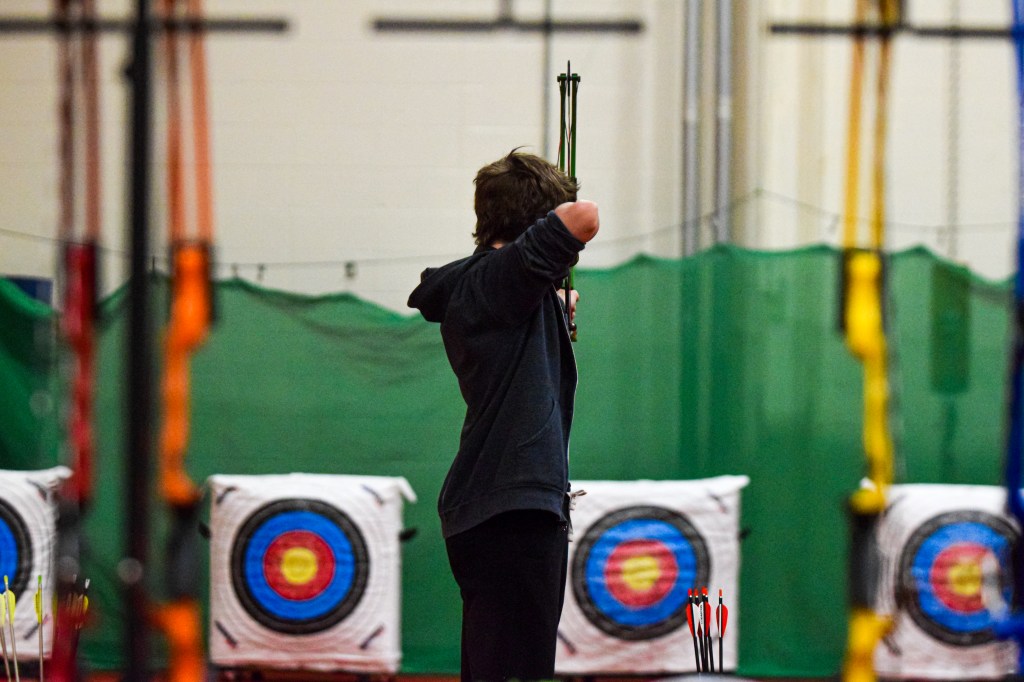
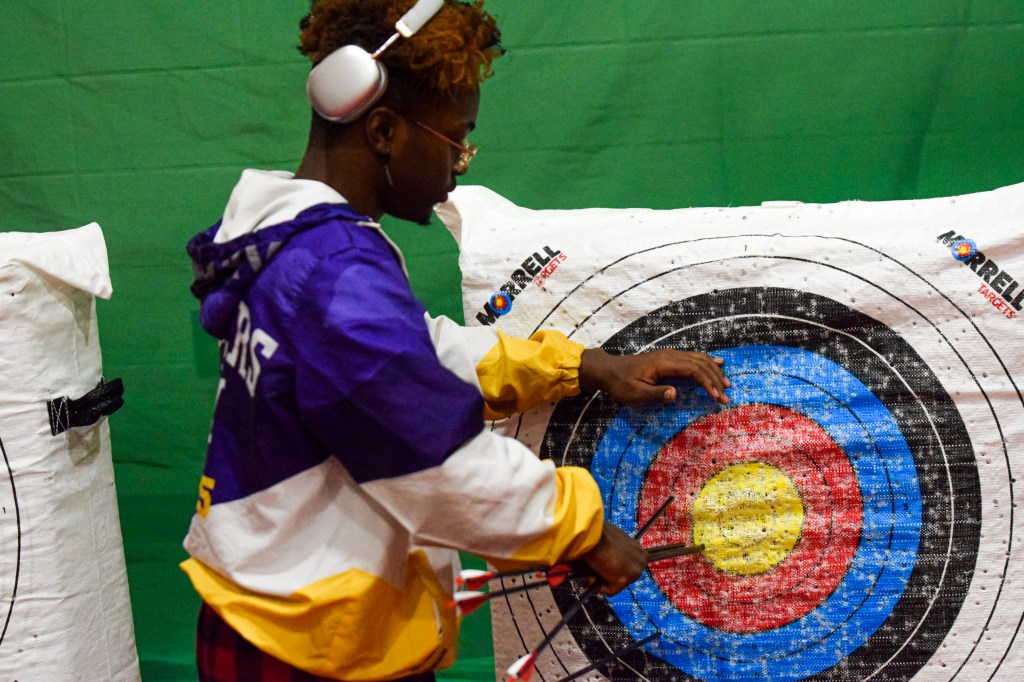
All photos by Malachi Conrad. Click on the photos in the gallery below.
Editor’s Note: To view more coverage of the Jeff High Archery Club, see the feature story by Liddia Waterbury in the Hyphen print issue, handed out on Wednesday and Thursday during lunchtime this week.
Coach Brian Cleveland demonstrates how to safely release the string during an after-school Archery Club meeting. Photo by Malachi Conrad. Freshman Liddia Waterbury loads the arrow into her bow at an Archery Club meeting. Photo by Malachi Conrad.Freshman Felix Lewis loads the bow and prepares to shoot at 10 meters. Photo by Malachi Conrad.Senior Malachi Howard takes arrows out of the target he shot and records the marks. Photo by Malachi Conrad.Senior Toby Wilder prepares her bow and lines up her shot. Archery Club meets every day for beginners Mondays after school and Tuesdays for advanced archers. Photo by Malachi Conrad.
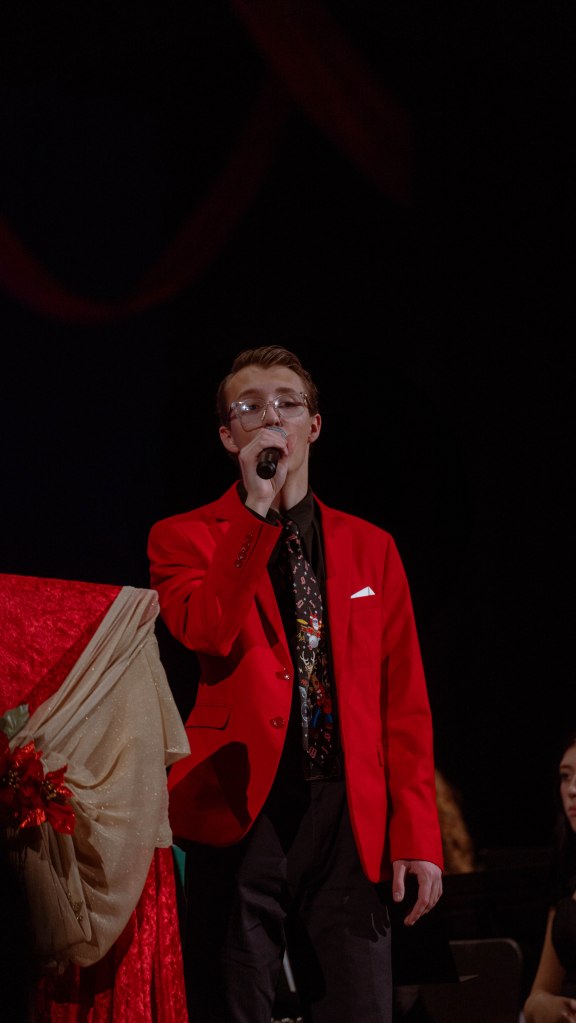
All photos by Magdalene Conrad and Malachi Conrad. To view the gallery, click on the photographs below.
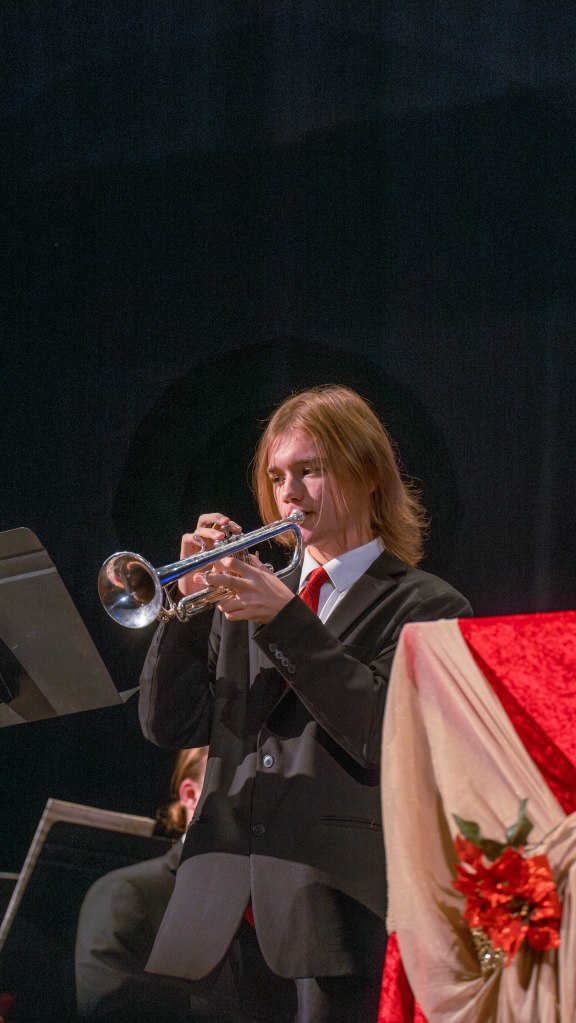
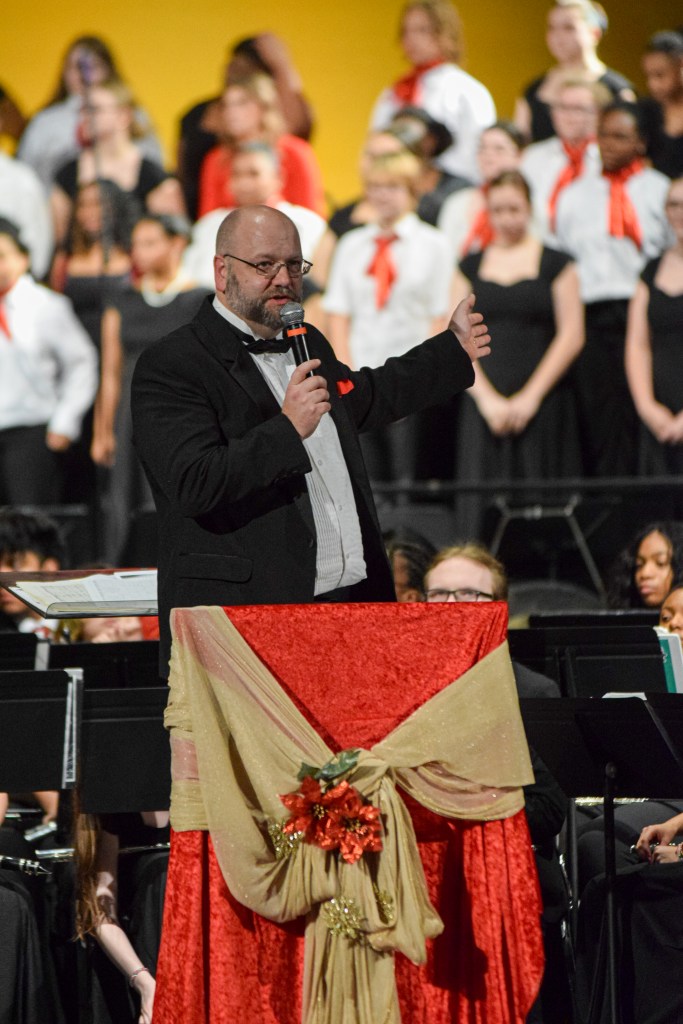
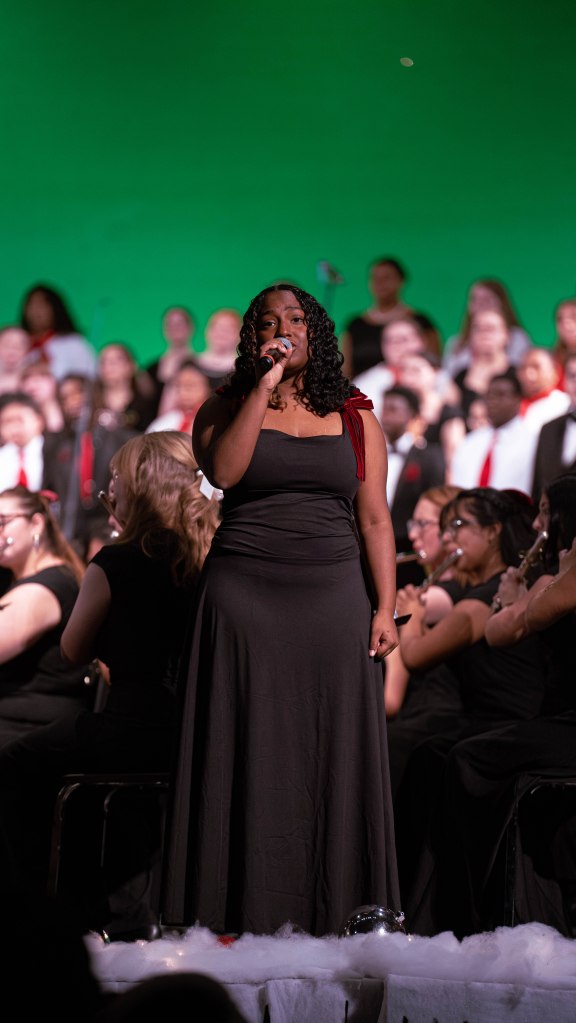
Junior Gabriel Collins sings in unison with the choir at Winter Fantasy on Tuesday, Dec. 9. Photo by Malachi Conrad. Senior Joshua Broady sings during the community performance of Winter Fantasy; the senior not only sings for the Devil’s Advocates, but also plays in the Jeffersonville band. Photo by Magdalene Conrad.Junior Sire Minggia sings to the crowd during Winter Fantasy on Tuesday night. The annual event brings all musical departments together for a holiday concert. Photo by Malachi Conrad. Senior Parker Holmes plays a solo with senior Charliegh Land. Photo by Magdalene Conrad. Senior Charliegh Land plays a saxophone solo with senior Parker Holmes during the annual Winter Fantasy concert. Photo by Magdalene Conrad. Junior Kiara Bowyer looks on as the next song is about to start. Photo by Malachi Conrad. The JHS band brass section performs the instrumental for the song “Hot Chocolate” by Tom Hanks. Photo by Malachi Conrad. Choir Director Kyle Broady gives a speech before the end of the show. Photo by Malachi Conrad. Senior Nairah Jadusingh sings for the audience at this year’s Winter Fantasy. There will be another Winter Fantasy performance on Thursday, Dec. 11. Photo by Magdalene Conrad. Band director Briston Hatchell conducts the band to a strong finish of the song at the end of the show. Photo by Malachi Conrad. The JHS choir performs for the community at Tuesday night’s annual Winter Fantasy. Musicians will perform again tonight, Thursday. Dec. 11. Photo by Magdalene Conrad.
From fan theories to TikTok countdown clocks, the excitement for Stranger Things season 5 is everywhere. As this Wednesday’s Netflix release gets closer, fans around the world share their predictions and thoughts about the show and its final season.
Stranger Things premiered in 2016, and over the course of nine years, the show has become one of the top shows of all time.
Graphic by Daysha Gray.
Stranger Things is set in 1980s Indiana, and the story begins when four boys are playing Dungeons & Dragons in Mike’s basement. Once the game is over, they all go home. However, the next day, they discovered that Will never made it home safely and is now missing. This is when the story hits its climax, and the whole first season is about three boys, his family, and a newfound friend trying to solve the mystery of Will’s disappearance.
The following seasons continue with many conspiracies, twists, turns, and deep emotions. Still, throughout the seasons, viewers watch everyone grow up, fix or make new relationships, or change themselves for the better.
Throughout all of this, they all still find time to try and save Hawkins, and their journeys has intrigued fans for over nine years.
For English teacher Allison Clary, Stranger Things brought back nostalgic memories.
“It looked like an interesting show and I really loved that it was set in the 1980s, which was when I was a teenager,” she said.
Science teacher Melissa Brewer agreed. “I like the nostalgia aspect of it. I like the 80s throwback stuff, because I’m from the 80s.”
Social media also played a role in why people started watching the show.
“I saw it on TikTok, and I thought it looked cool, and then that’s when I got really interested in the show,” said freshman Jerome Sanders.
But social media and nostalgia aren’t the only qualities that make Stranger Things stand out from other sci-fi shows.
“They’ve also really brought us into the lives of all those characters. So I feel like they’re all my friends,” said Clary
“It’s emotional to watch because you get so emotionally attached to the characters,” said Sanders.
As the final season approaches fans share the same mix of excitement and sadness.
“I feel sad because because weŕe not going to see out favorite characters again, but I have been hearing they release a trailer of an animated series, and I’m excited,” said Sanders.
“I’m super sad and very bittersweet. I have loved a lot of series, but this one is just unique,” said Clary.
After nearly a decade with these characters, saying goodbye feels upsetting. Even the show’s characters capture that feeling, like when Eleven said, “Friends don’t lie.” That line sums up the loyalty and connection that made Stranger Things so meaningful to fans.
The first four episodes of Season 5 of Stranger Things premiere on Netflix on Wednesday evening. The remaining episodes premiere on Netflix on Dec. 25, with the series finale on Dec. 31.
When Thanksgiving starts rolling around every student gets excited; it’s the time to eat, go on a week long break from school, and see family.
Many families have traditions for this time of year, and it’s different for many families across Indiana.
Senior Kaeleb Hayes said that he and his family go to some type of sports game before he goes on fall break as a tradition, and that they don’t decorate but that he helps his mom cook and they prepare a big meal.
“For Thanksgiving we watch the NFL games and my mom makes a lot of food for my brother and sister to come in from out of town.”
He said that they also prepare a meal for their chickens as a tradition and he is excited for the extra days off school and to see his siblings.
Junior Billy Wibbels is similar to Hayes and for Thanksgiving he hangs out with his family and friends.
“We don’t really decorate, we just make a huge dinner and all hang out. My grandpa comes to town from Florida and we all just reminisce.”
But some have very different traditions and don’t do anything for Thanksgiving, like sophomore Gracie Harder. She said she just spends Thanksgiving break cleaning her room and doing a self care reset, and spends most of the break alone until later into Thanksgiving day and she goes to her grandma’s.
“For break I always spend it all alone until I go to my grandma’s late on Thanksgiving day and we eat a big dinner, and we decorate the Christmas tree; everyone who comes brings a dish and I like to bake sweets and bring them, but other than that my family doesn’t do anything special.”
Freshman Harper Gordon said that her and her family just treat it like another day — they watch Christmas movies together and make a meal together but other than that they have no traditions and the plans change every year.
“My family sometimes makes a little turkey and we turn on Christmas movies but there are some years that we just don’t do anything, a few of my family members come over but only three or four.”
So many families eat together, spend time together, but not all decorate or have traditions. There are some that don’t do anything and just spend the day alone, or just eat a regular dinner like every other day.
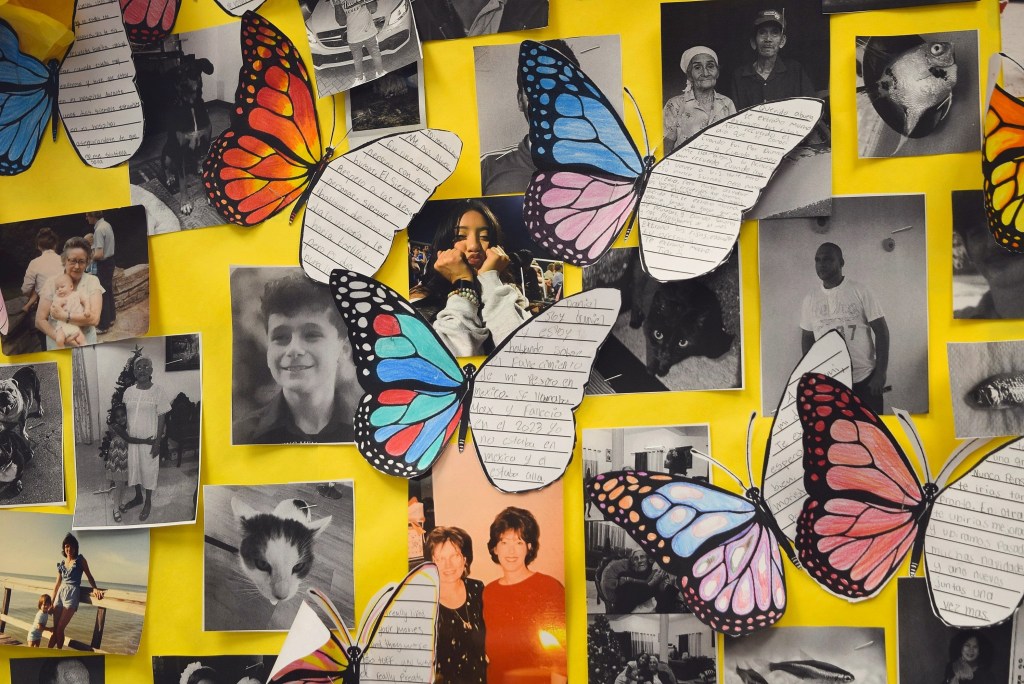
‘Dia De Muertos’ or Day of the Dead, celebrated from Oct 28 to Nov 2, is an annual cultural tradition celebrated to remember loved ones who have passed away. It is a day filled with memories, gratitude, and love. This tradition has spread to various Latin American communities in the United States.
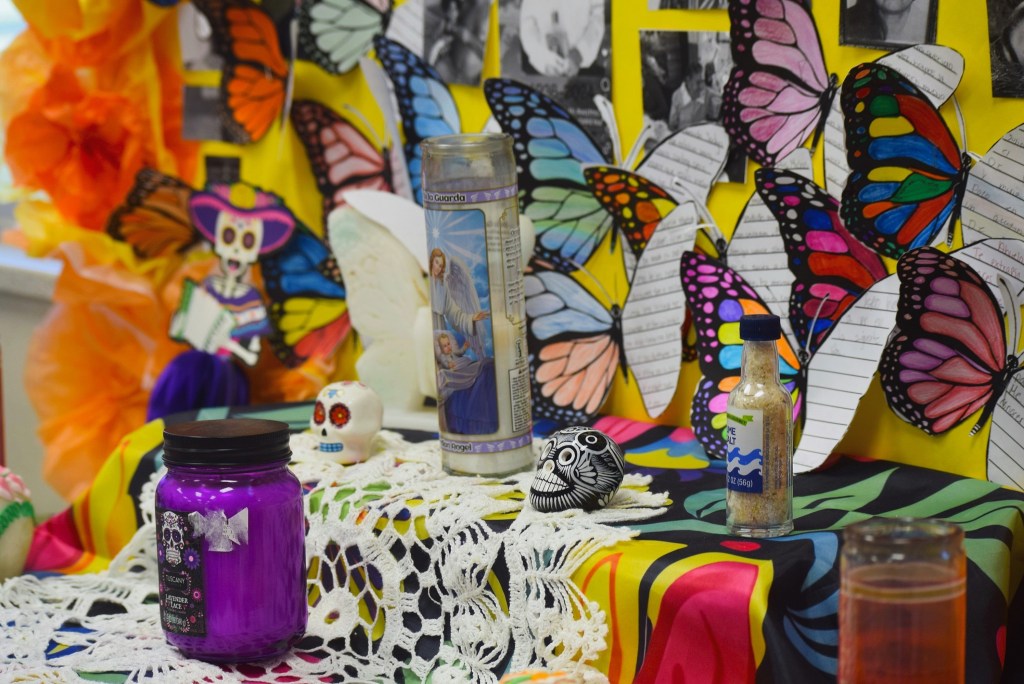
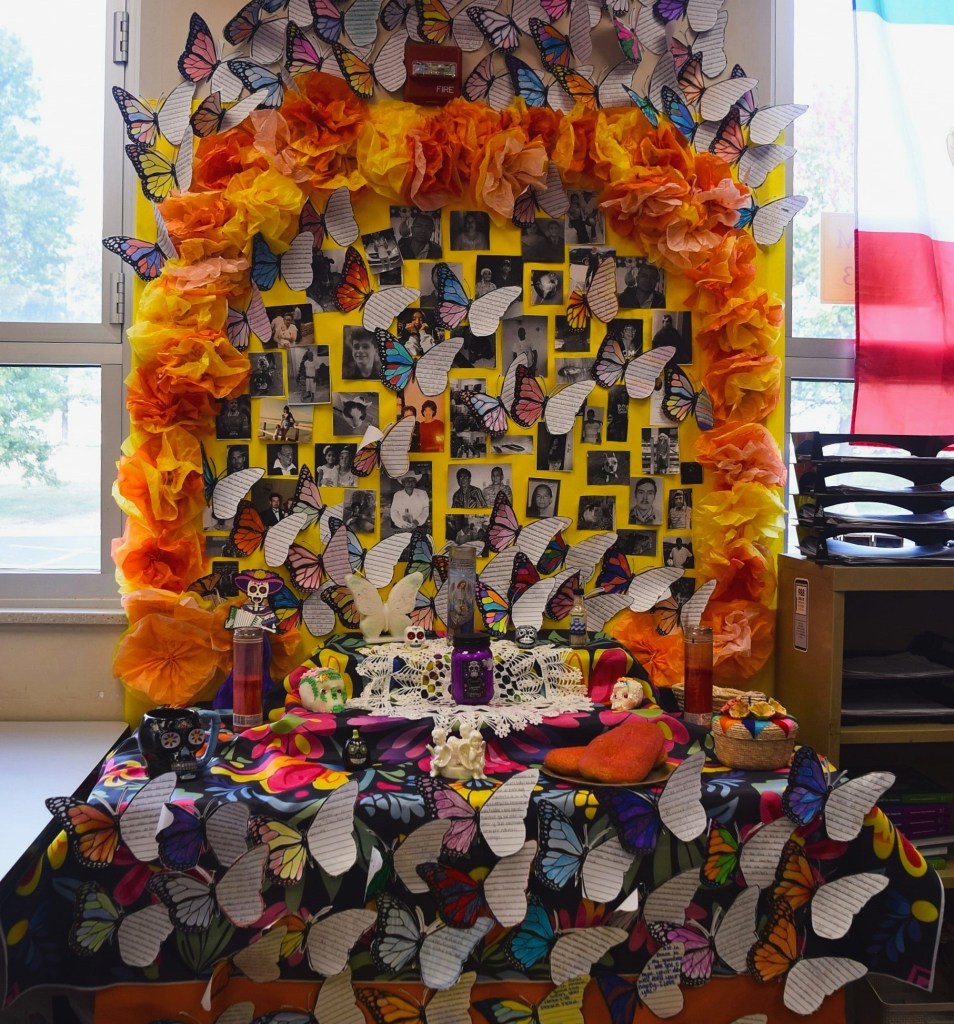
Heritage Spanish teacher Megan Cortes and her students have highlighted the importance of cultural education with their classroom ‘Ofrenda.’
Unlike many, Cortes emphasizes the idea of showcasing an ‘Ofrenda’ in her classroom as a way to educate her students about its poignant meaning.
“Although many of my students have ofrendas at home, not everyone practices this tradition. Furthermore, not everyone knows the meaning, traditions, and symbolism it has. Being able to display it interactively in class allows students to see firsthand what it is and what it symbolizes,” she said.
Sophomore Arieslie Tejeda agreed with Cortes and finds her interactions helpful to those who don’t have the privilege to participate in these traditions at home.
“I feel like it’s a good thing and it introduces me to new things I wouldn’t do at home. It’s just a safe place for everyone to be included,” Tejeda said.
Senior Camila Levario agreed with Tejeda, appreciating Cortes’ involvement with her students.
“I like that she does that and how she always tries to make everyone feel included,” said Levario.
Cortes reflects by the bittersweet background of ‘Dia De Muertos’ and representation behind the Ofrenda.
“The ofrenda is a time for me to remember the special people in my life that are no longer with me. It is a way to honor all the wonderful things they meant to me. I think it also helps the grieving process that many face when they lose a loved one. It is a way we can feel closer to them.”
Looking forward, Cortes hopes for her students to understand the meaning of this new tradition evolving their own culture. “I hope students gain a deeper understanding of a tradition that is deeply embedded in their culture. Even if they have personal beliefs that don’t celebrate the Day of the Dead.”
Click on the photographs in the gallery below.
The Ofrenda neatly displays a diversity of vibrant colors on Oct 31. Megan Cortes along with her students filled the ofrenda with meaningful items like, “candles, sugar skulls, special bread, water, salt, marigolds and some of the loved one’s favorite foods.” Photo by Areli Hernandez.Sophomore Arieslie Tejeda, whose family is from the Dominican-Republic commemorates Day of the Dead in different ways, “We celebrate it differently. Instead we go to their grave, clean it, and put fresh flowers to pay respects.” Photo by Areli Hernandez. Senior Camila Levario arranged an Ofrenda at home in honor of her beloved father. “I did an Ofrenda at home for my dad. I placed his ashes, favorite things, a bible verse, and his photograph. So, he can cross ‘The Marigolds bridge” as some know it.” Photo by Areli Hernandez. Senior Susan Ochoa, whose family is from Mexico, helped set up an Ofrenda in memory of her uncle, “We set up my tios favorite food, flowers, and my ‘Quince’ crown since he passed away and couldn’t make it to my day.” Photo by Areli Hernandez. Megan Cortes wishes for her students to honor their heritage beyond the classroom, “I hope they gain a better understanding of its meaning and learn to appreciate a beautiful cultural tradition.” Photo by Areli Hernandez.
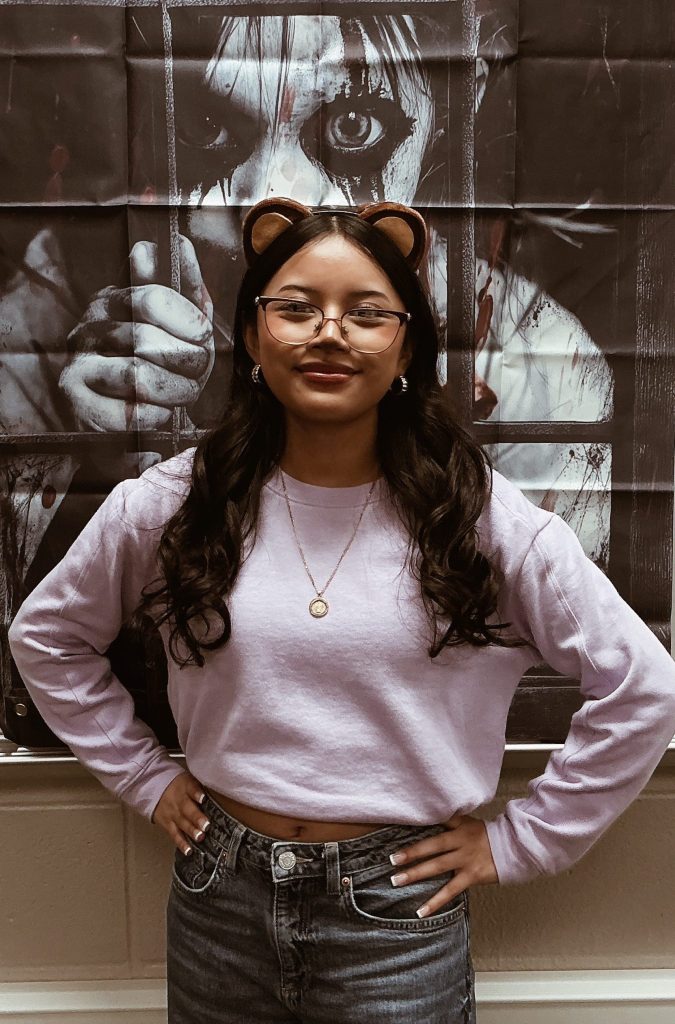
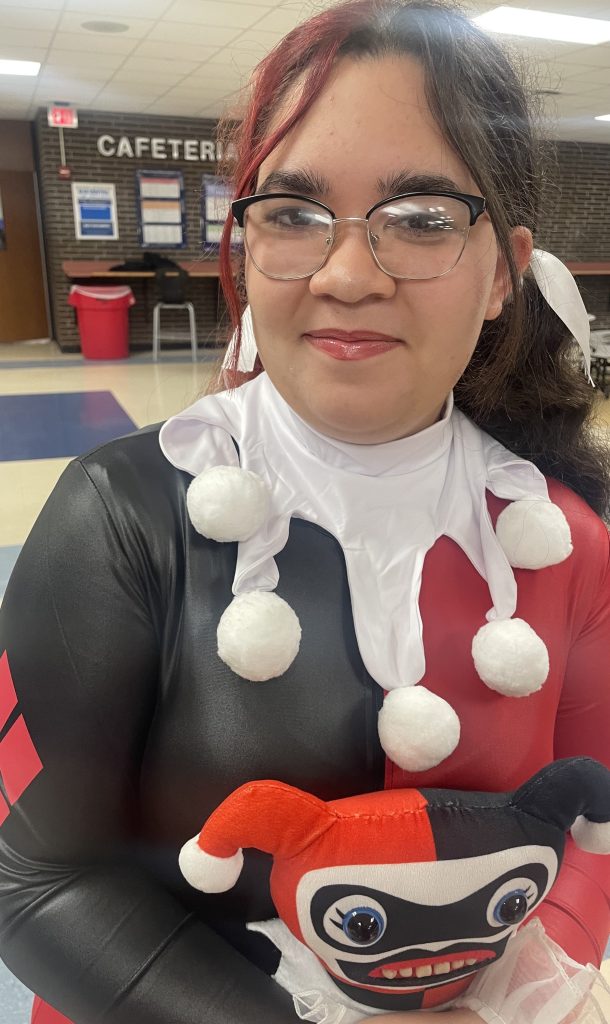
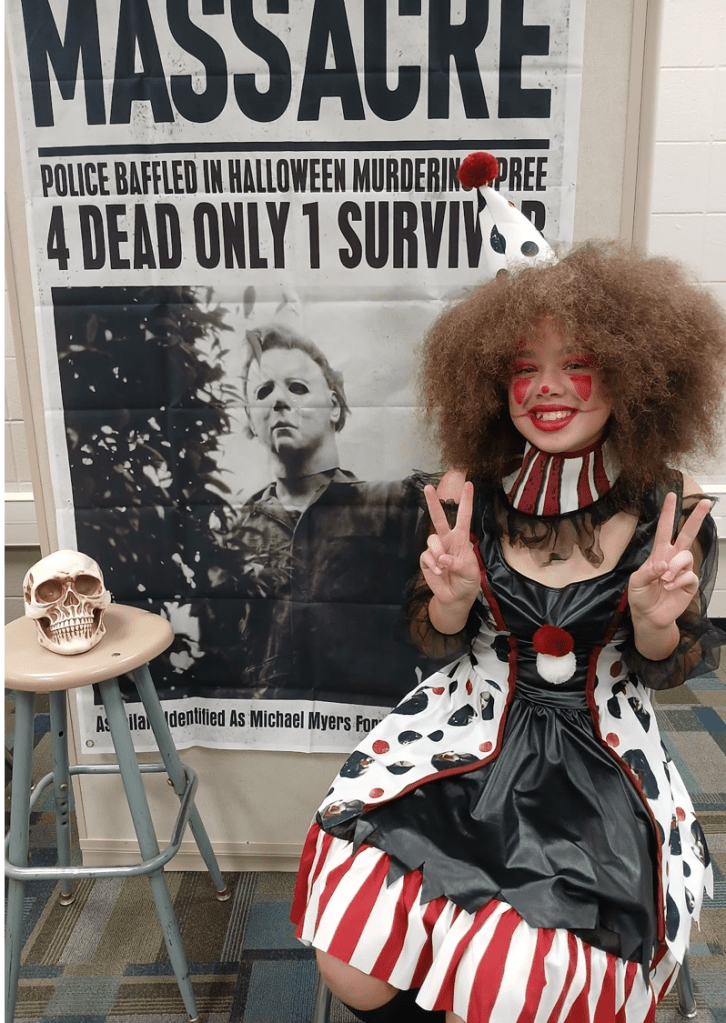
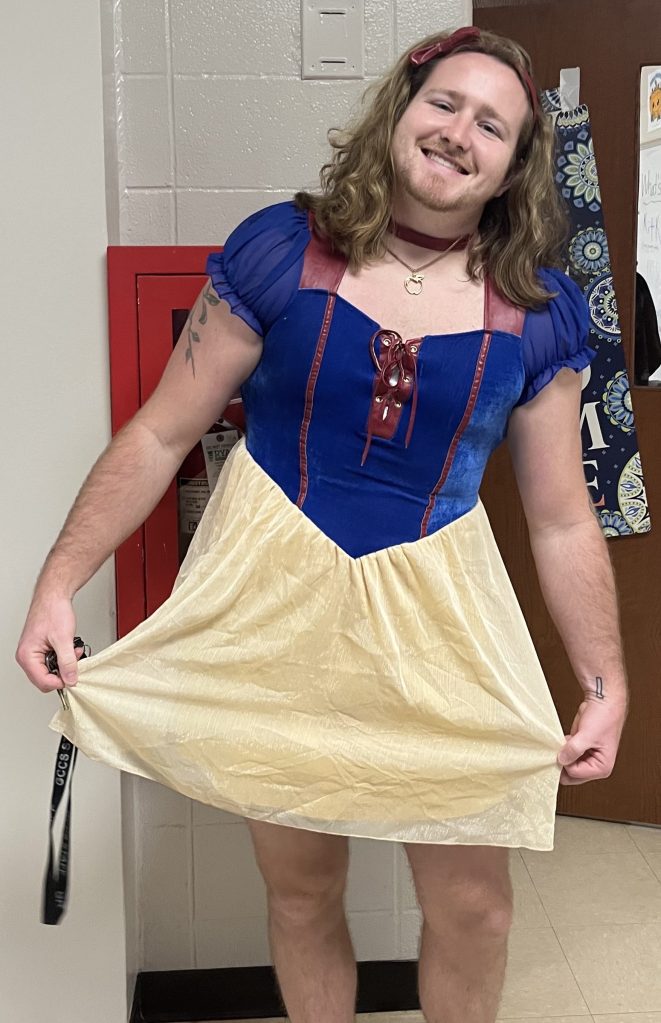
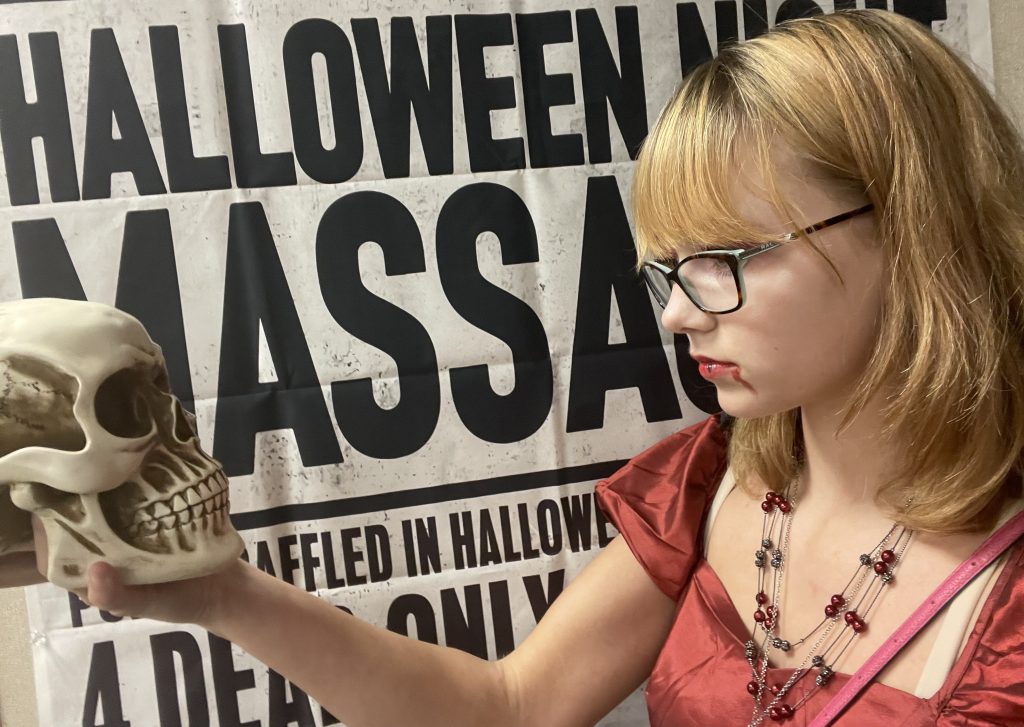
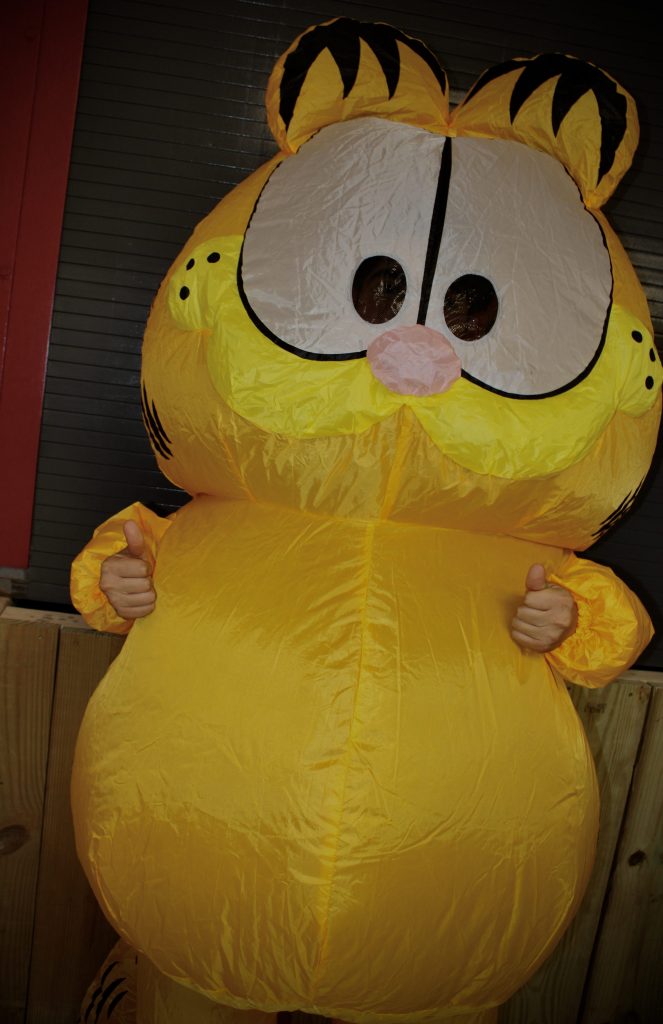
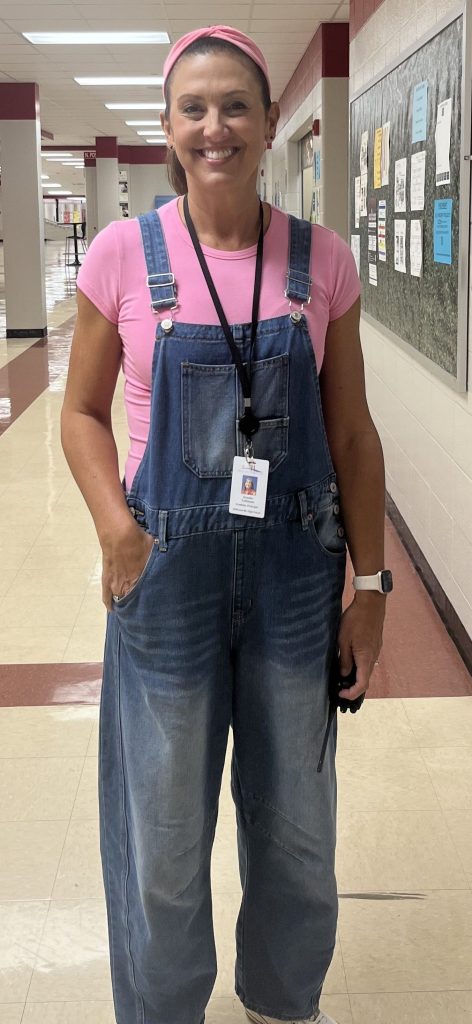
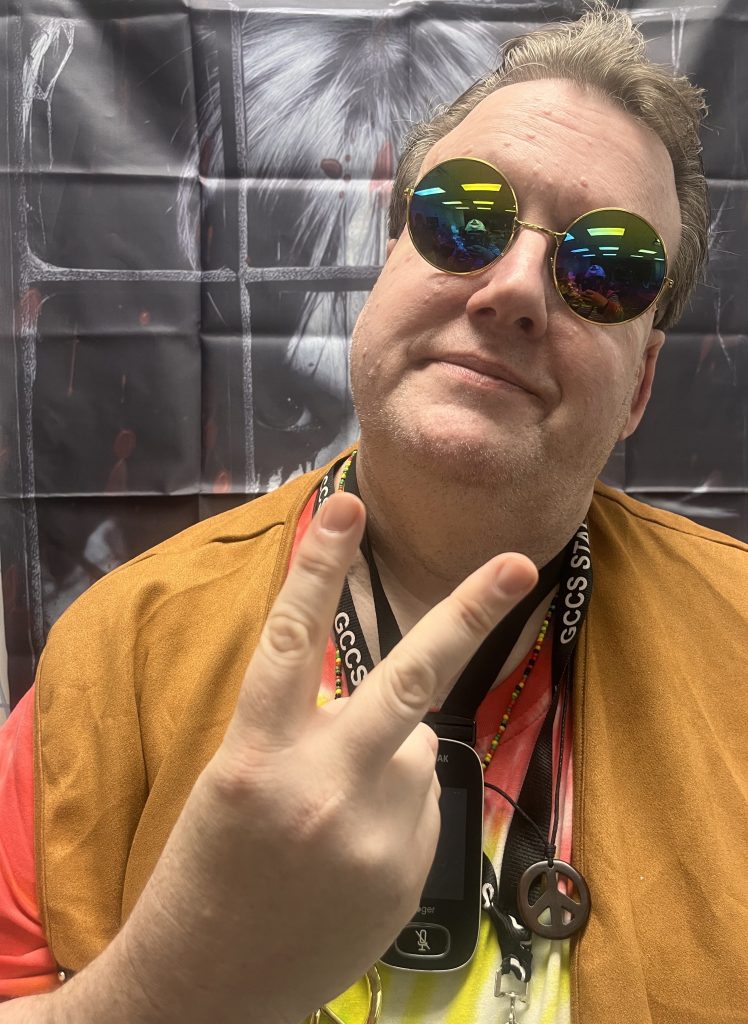
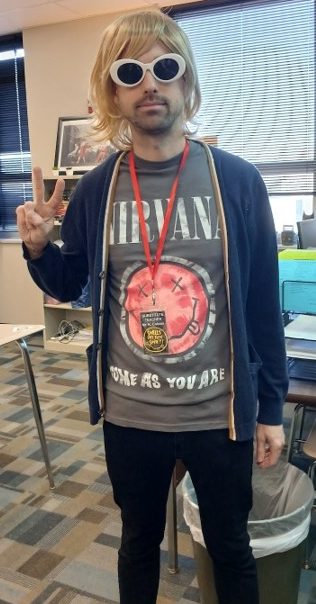
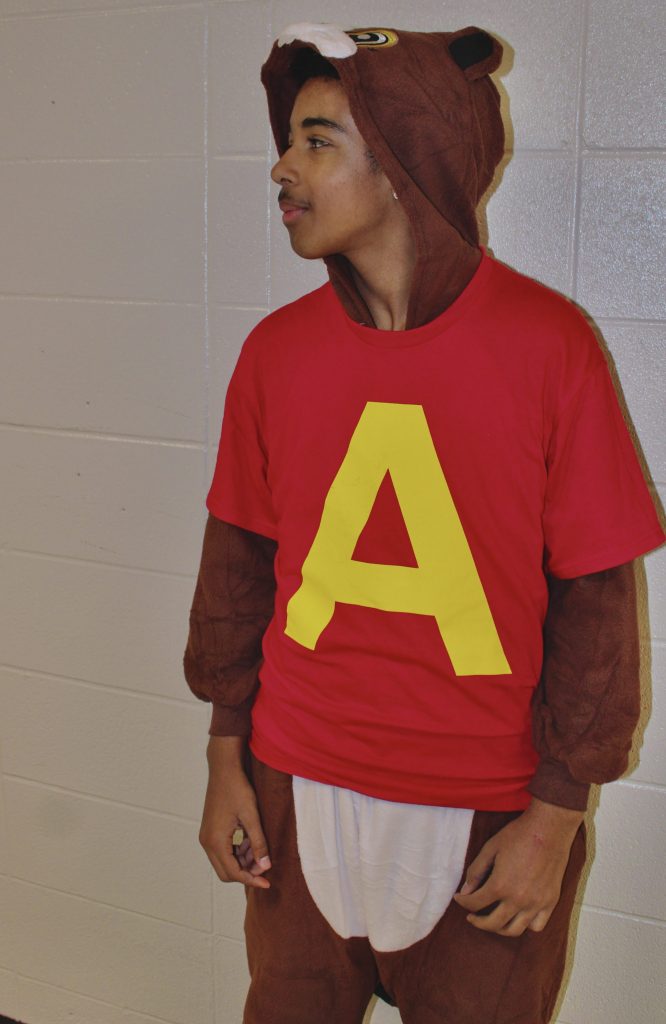
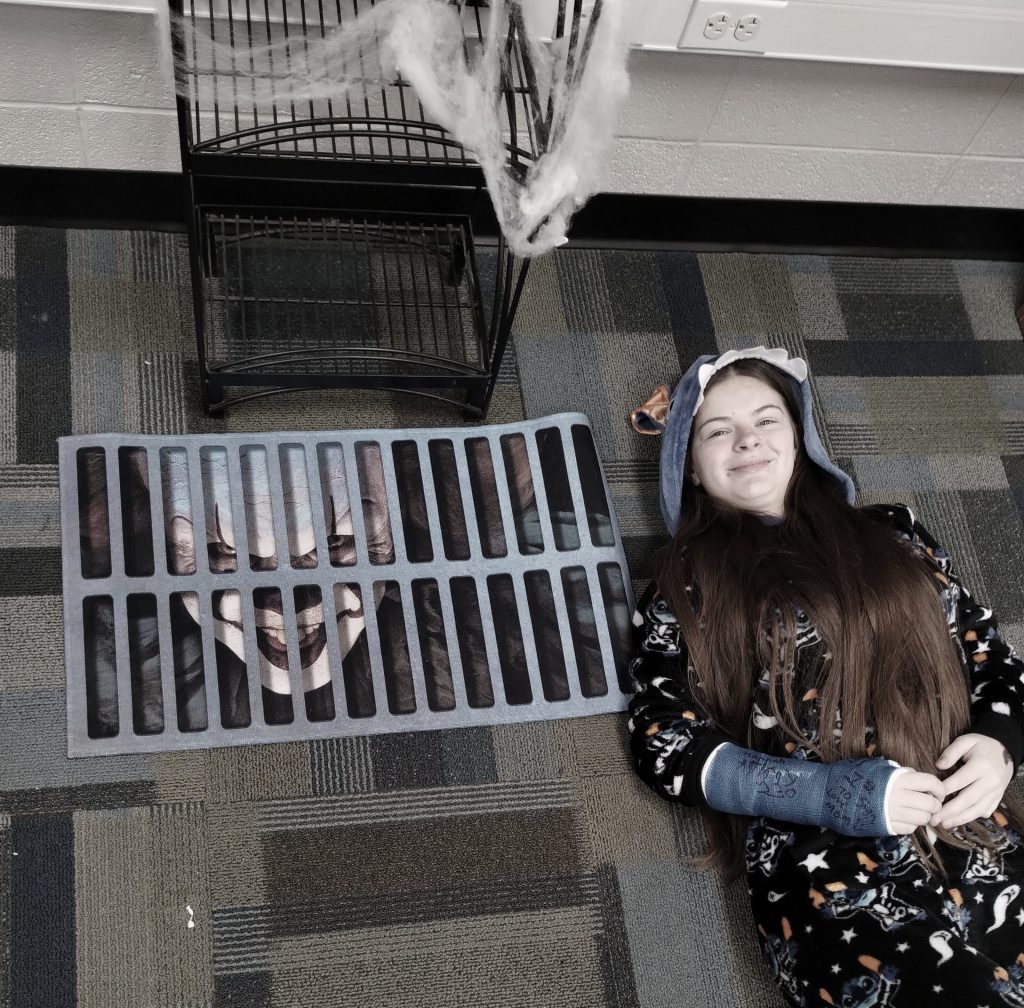
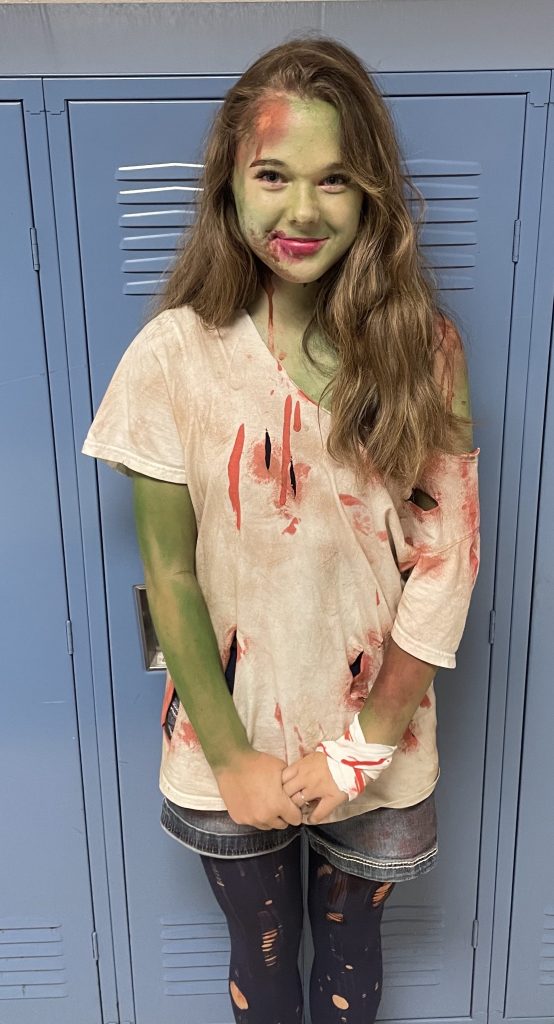
Students and faculty wore their spookiest Halloween costumes last Friday, and Hyphen photographers and journalists captured some of the scary moments through portrait photography. Click on the images below to see photos in the gallery.
Aaliyah Flowers. Photo by Isaiah Stewart.Abygail Lawson. Photo by Lia Logsdon.Amy Whitaker. Photo by Jackson Anderson.Areli Hernandez Romero. Photo by Aurora Grisham.Ariana Smith. Photo by Aminah Liles.Ayala Appling. Photo by Jackson Anderson.Bella Roman. Photo by Donna Muncy.Charlie Perissi. Photo by Michael Gruver.Cherish Brown. Photo by Kaylin Bowman.Danny Struck. Photo by Jackson Anderson.David Kummer. Photo by Sanae Ittu.Donna Muncy. Photo by Donna Muncy. Emilio Jimenez. Photo by Jackson Anderson.Jennifer Gohmann. Photo by Sanae Ittu.Jim Lang. Photo by Abygail Lawson.John Santry. Photo by LIddia Waterbury.Justin Linde. Photo by Kaylin Bowman.Kaley Colvin. Photo by Sonia Darku.Kavion Brooks. Photo by Jackson Anderson.Kaylin Bowman. Photo by Cherish Brown.Laila Zaabani. Photo by Kaylee Austin.Lauren Russell and Katie Cook. Photo by Daysha Gray. Lia Logsdon. Photo by Abygail Lawson.Lillian Merideth. Photo by Liddia Waterbury. Madison Eldridge Photo by Jackson Anderson.MaKenzi Middleton. Photo by Jackson Anderson.Miley Smith. Photo by Breslyn Dozal.Shawn Roberts. Photo by Brycen VanMeter.Wesley Briscoe. Photo by Jackson Anderson.Zyah Knott. Photo by Jackson Anderson.
In 10 years from now, everyone will be off doing their own thing. What are you going to do? What makes you want to do this? How committed are you? Where do you see yourself?
Freshman Kyra Gibson said, “I want to be a criminal investigator. I want to be a criminal investigator because I want to understand why criminals do the things they do, and I’m planning to achieve this by staying focused in school and graduating from a good college.”
Gibson has been passionate about being a criminal investigator since she was in sixth grade, as she found it exciting and interesting.
“I have always watched documentaries with my mom and tried to solve them, and it got me into criminal investigations.”
Some students are interested in nursing.
Freshman Makhia Hall said, “In 10 years, I see myself figuring out what college I want to go to so that I can study for a nursing degree, and I’ve always been good with kids and just people in general. I’m going to achieve this by getting good grades, making sure my GPA is high, and paying attention more in classes.”
Some think nursing is maybe too hard and they give up on a dream, but Hall said to “focus on the impact you will have on patients’ lives and never give up.”
And while some freshmen do not know exactly what they’d like to do in the future yet, they still plan to make the most of high school.
Freshman Serenity Dees said, “In 10 years, I would probably be either in or graduating college, hopefully with a job of some sort and living with a friend or on my own. To achieve that, I’ll need to keep my grades up and graduate from high school in the pathway I plan to pursue.”
Some people are uncertain what they want to do with their lives when they’re older, and that’s okay. They still plan to have a fun and sustainable life.
Freshman Tryston Looney said, “I see myself in 10 years in a nice house, and I’m planning to be a police officer because I have always wanted to be one. I plan to achieve this by saving up money and working hard. I want to do this so I can live a happy and decent life in the future.”
Some may have a dream and think it’s too hard, or that they will never make it, but “fight strong and never give up on your dreams,” said Looney.
No matter how challenging their dreams are, most freshmen plan to never give up on their dreams.




























 thehyphennews.com