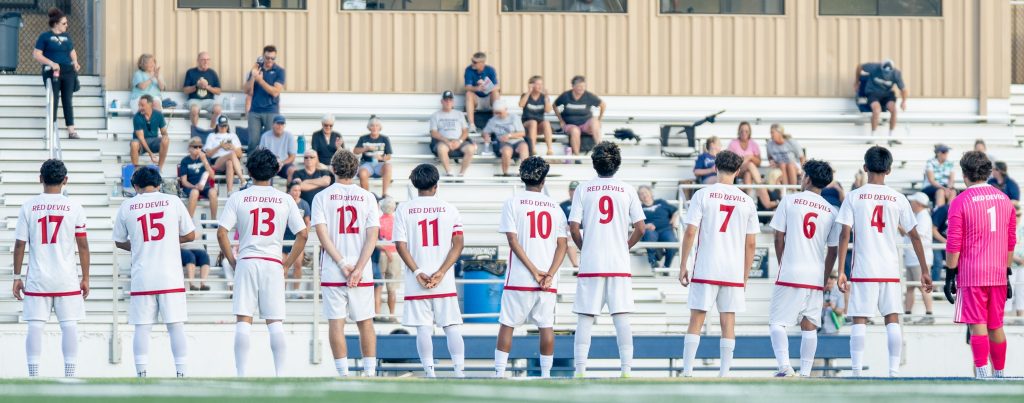
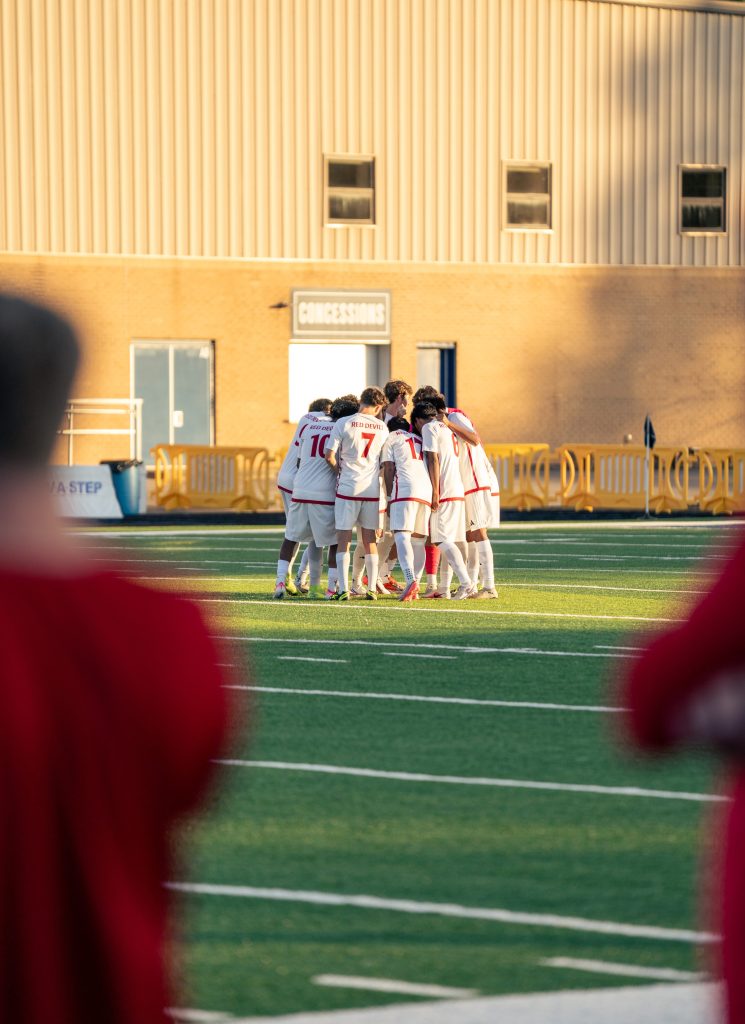
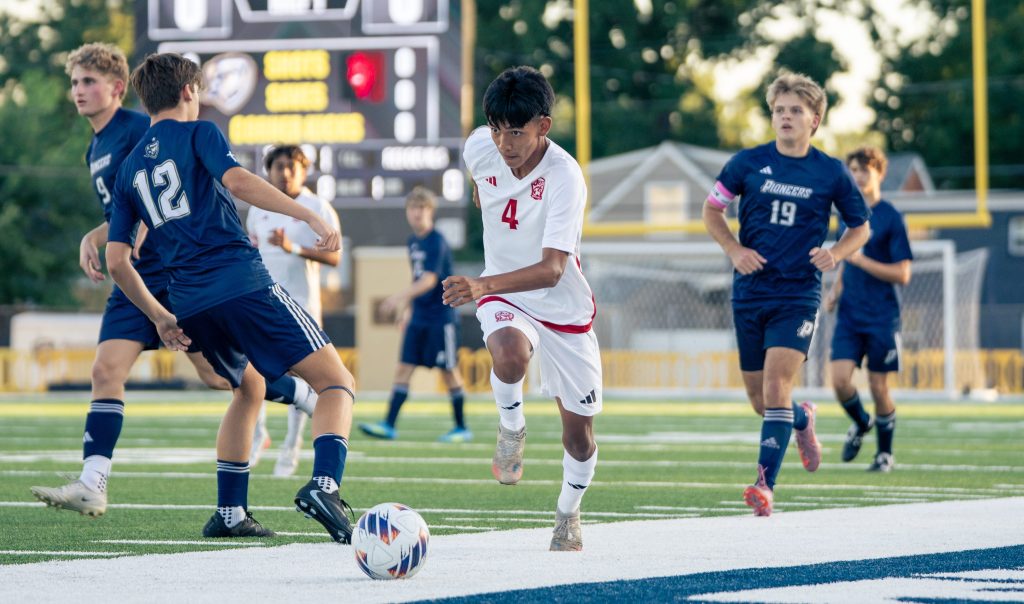
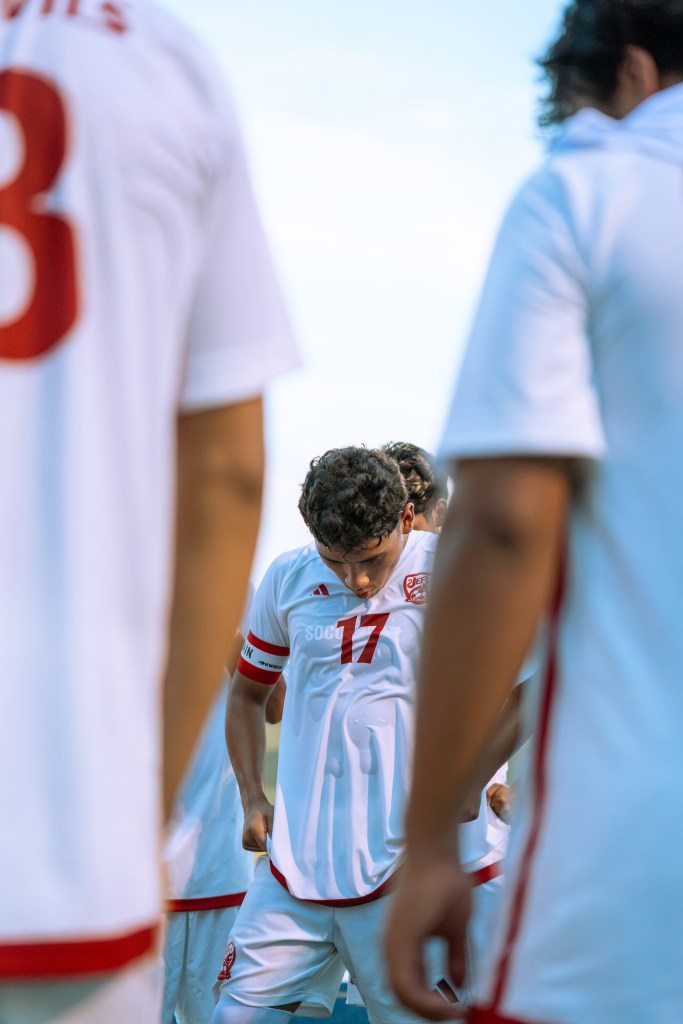
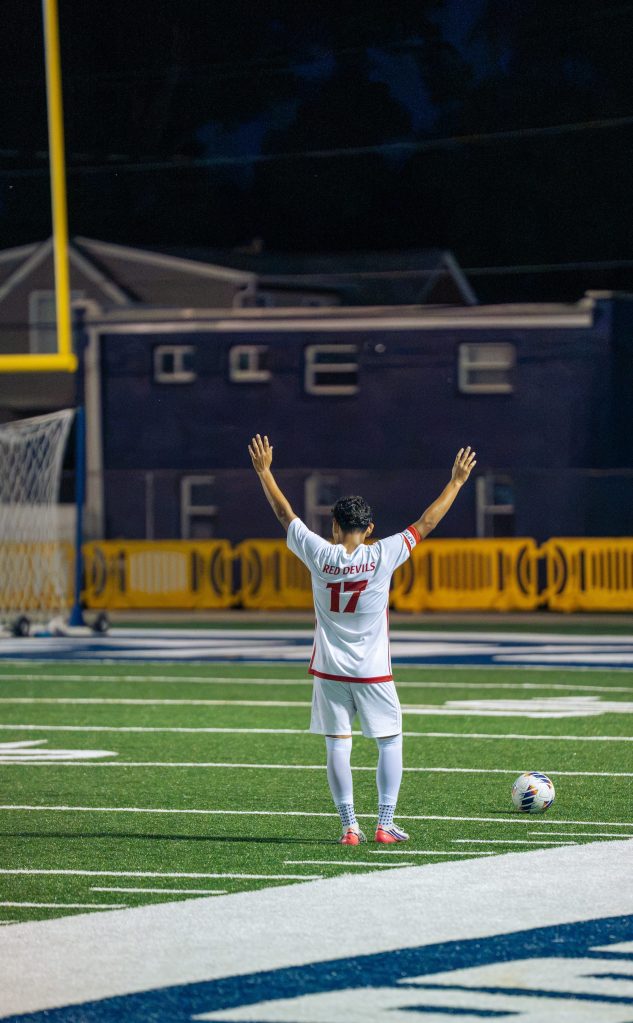
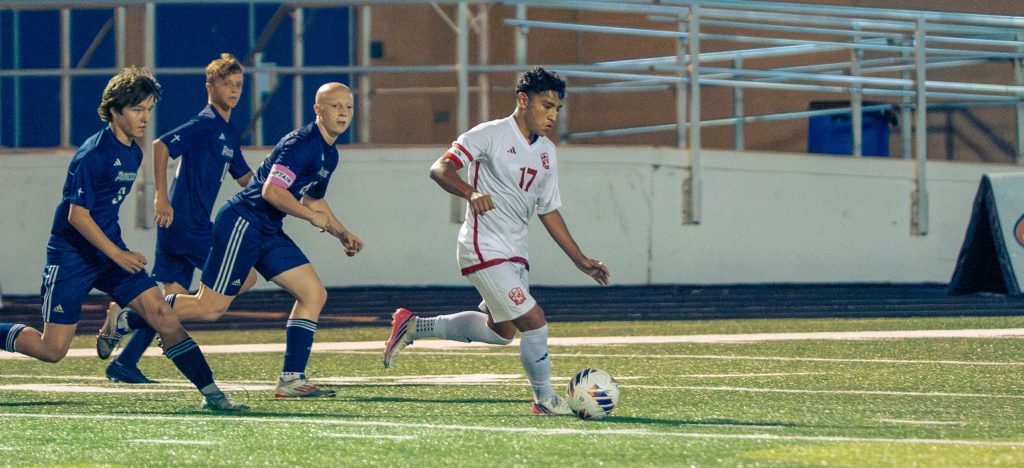
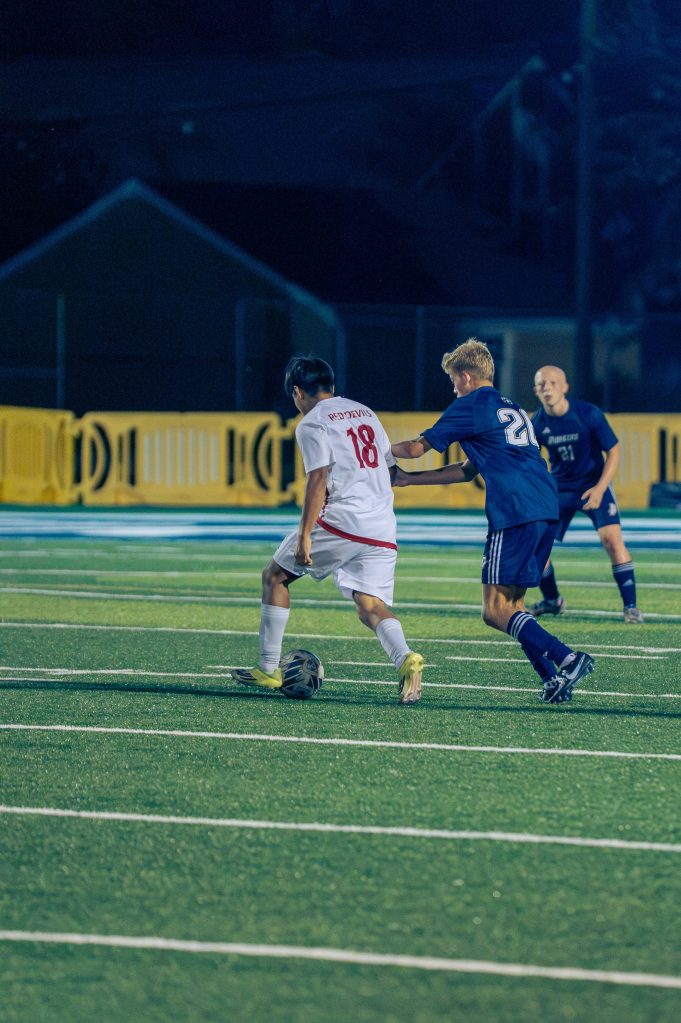
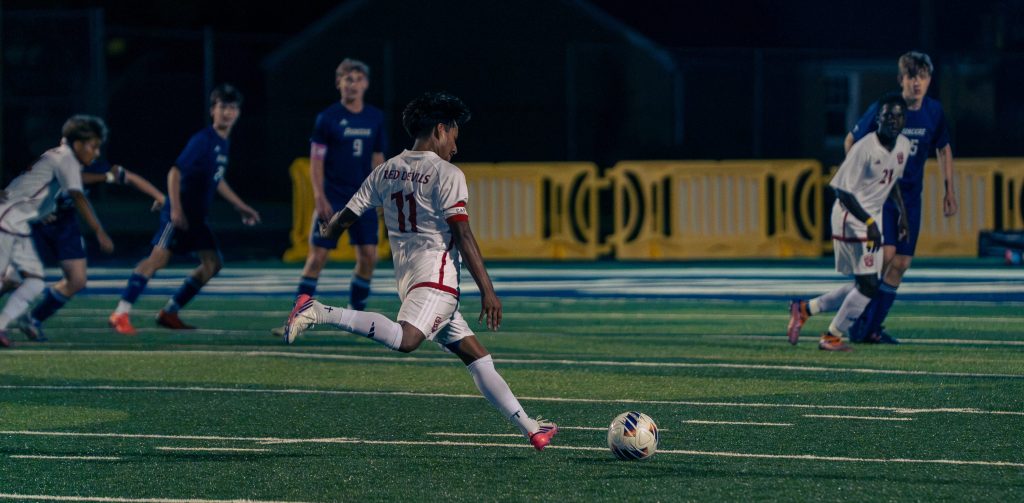
All photos by Parker McCloskey.



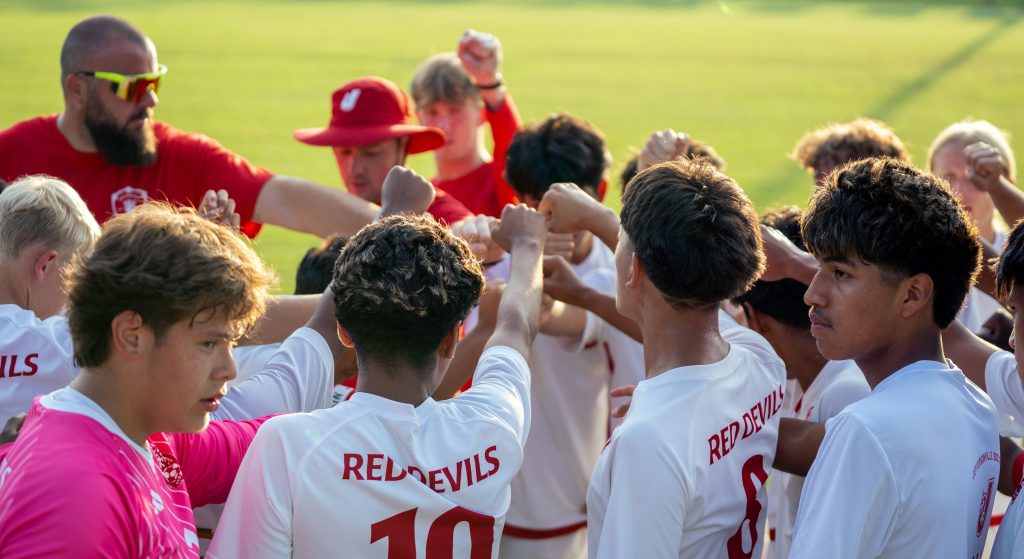
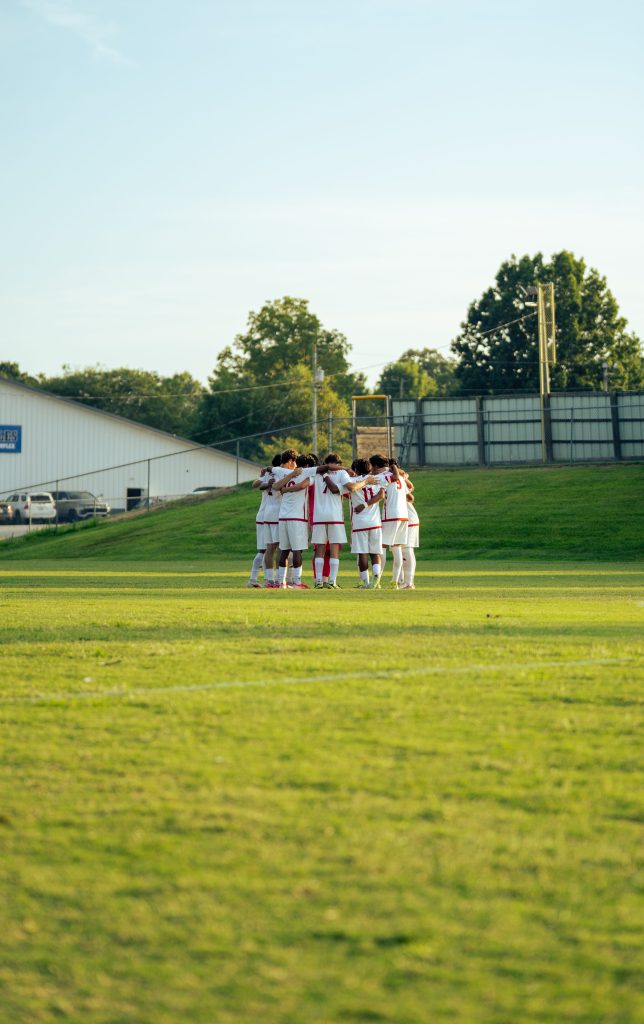
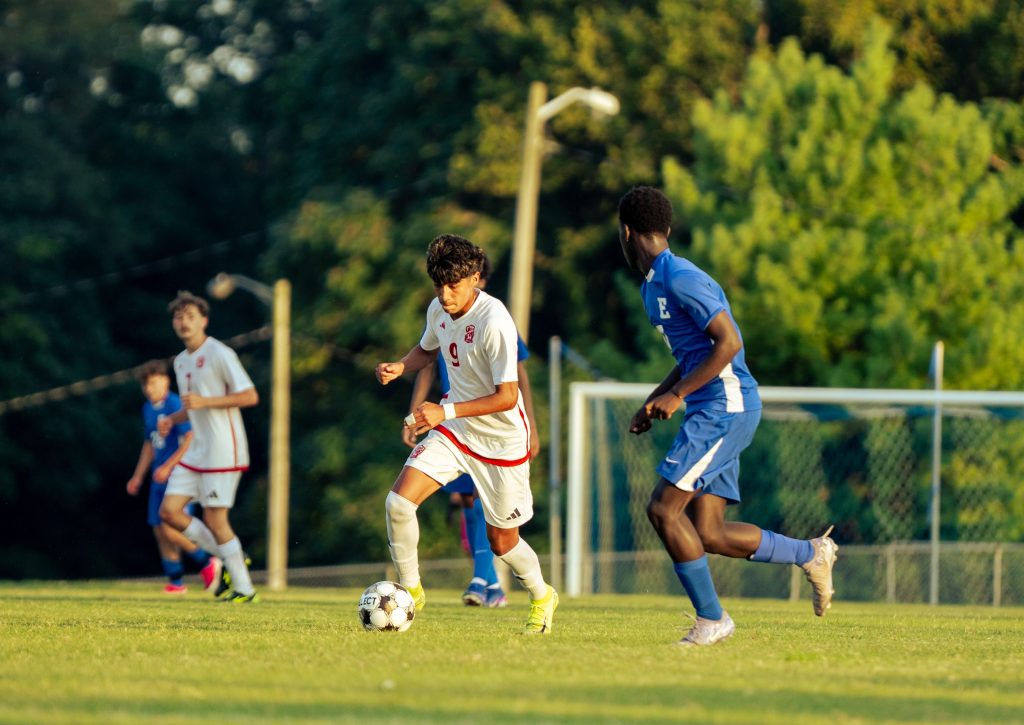
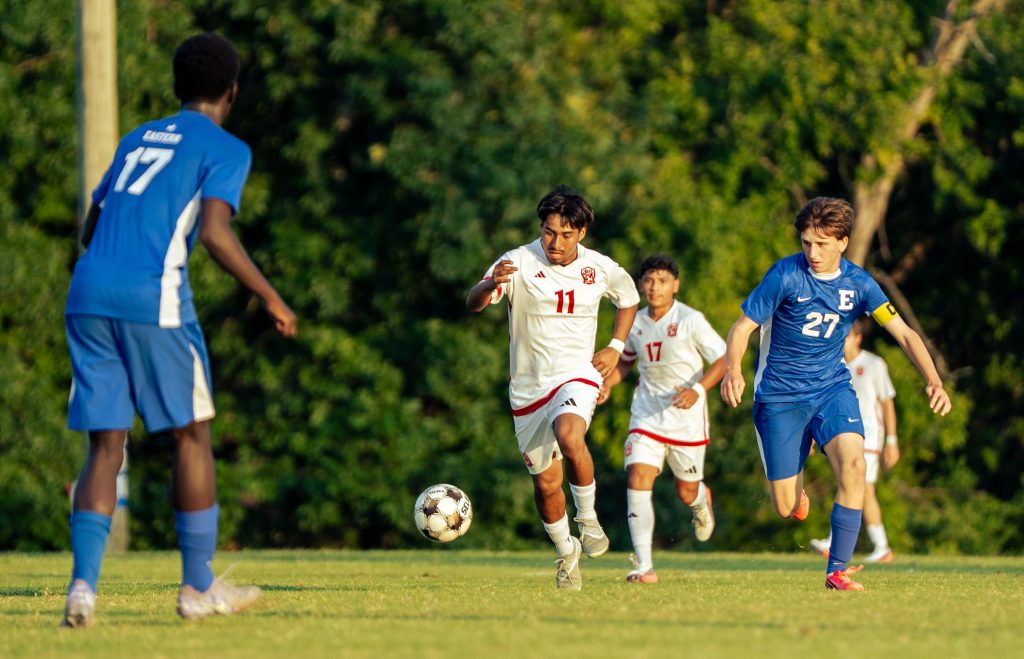

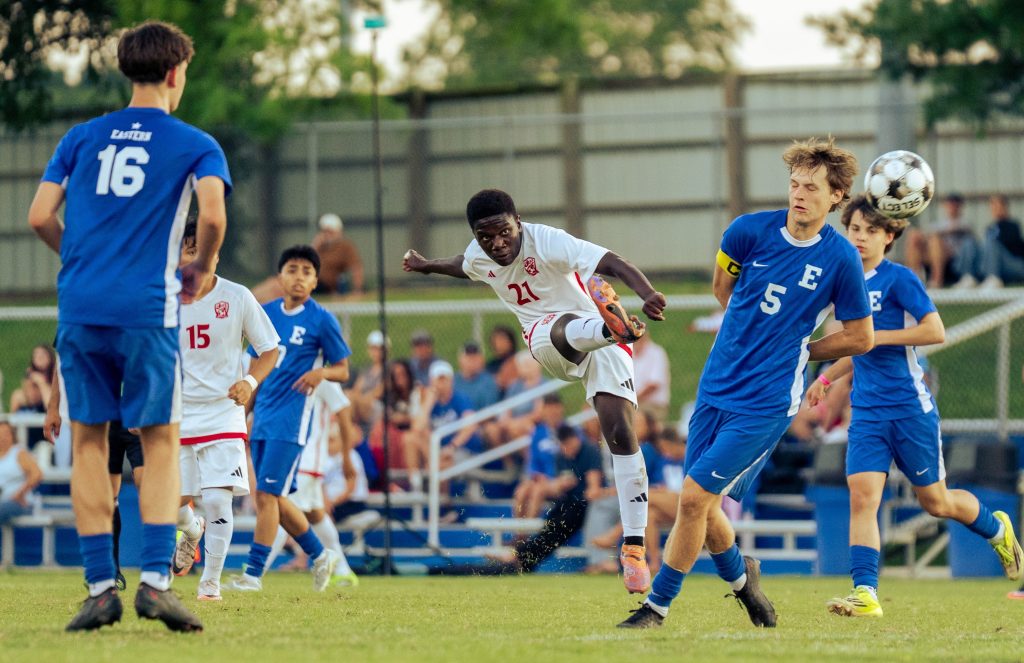
goal last night. Photo by Parker McCloskey.
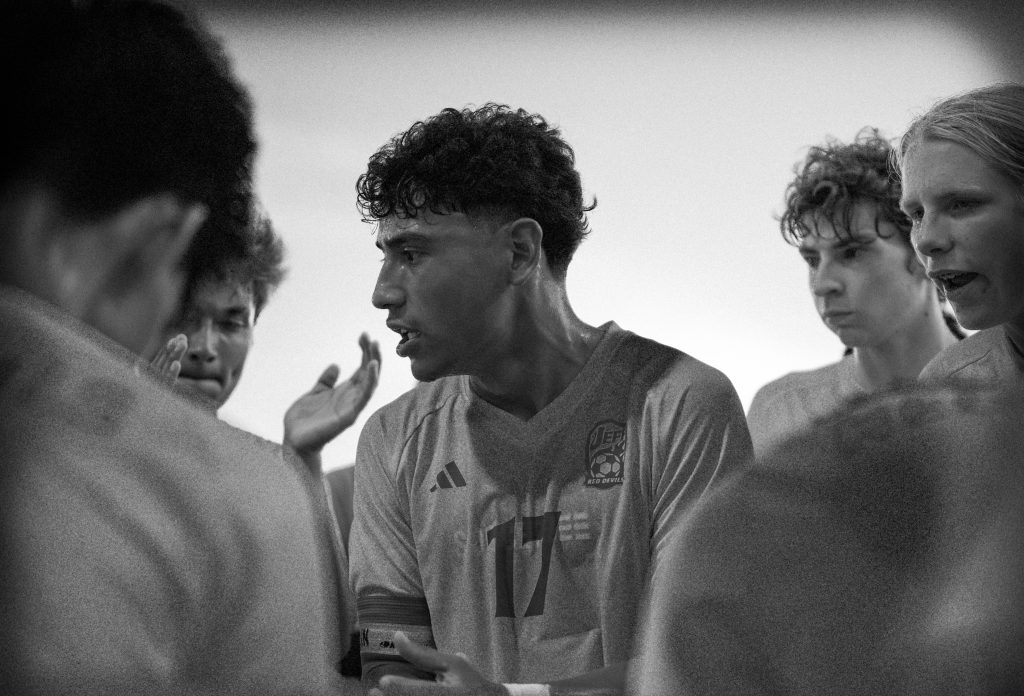
Parker McCloskey.

Parker McCloskey.
All photos by Parker McCloskey.
by Jilliann Denbo
Teachers year-round struggle with providing for their students. They shouldn’t have to worry about whether or not their students are getting enough supplies for the whole school year.
“Many educators say their districts simply aren’t supplying everything their students need to be engaged, comfortable, and ready to learn,” stated an NEA Today article by Amanda Litvinov in 2023.

The lack of help or funding forces teachers to reach into their own pockets and pay for supplies they shouldn’t have to. No one really understands how much teachers pay for school supplies every year.
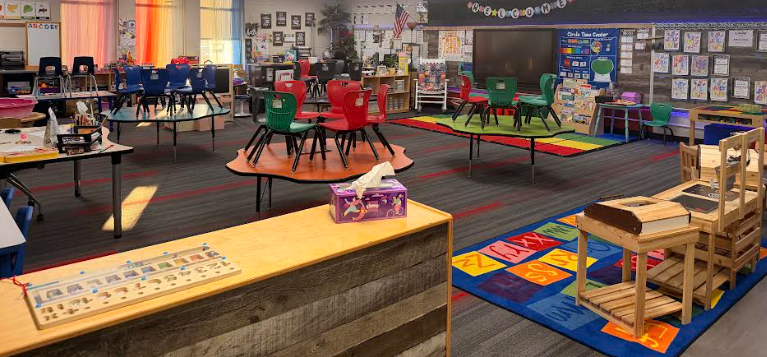
“I spend my own personal money on my classroom each and every year. I would say I spend more than 1,000 dollars per year,” said Northaven preschool teacher Michelle Denbo, my mom.
Teachers having to spend this much every year, and it being the bare minimum, is not okay. No one truly takes the time to think about how much support teachers need, and not just from principals or other teachers.
“Every donation turns our classrooms into more learning opportunities; every single donation, no matter how big or small, helps,” said Denbo.
Every teacher and parent knows that it is very hard to be able to pay for supplies, especially in today’s economy.
“Within the past two years, the annual inflation rate has spiked to its highest level in 40 years. That’s made back-to-school shopping hard on many families, and difficult for the educators who are expected to subsidize their classrooms to help their students reach learning benchmarks throughout the year,” stated Litvinov in her article, citing Bureau of Labor Statistics.
Teachers truly go the extra mile to make sure every student has exactly what they need no matter what.
“We didn’t get a budget last year, and I really tried not to spend my own money, but we quickly ran out of a lot of things. We do a ton of crafting and making cute food items, along with holiday celebrations; I normally end up having to come out of pocket,” said Denbo.
While the financial part of being a teacher is full of struggles, these purchases give children an opportunity to fully learn and have complete focus.
“Yes, buying things for my classroom is hard most of the time. But everything is always worth it when I get to see the smiles coming from my students’ faces,” said Denbo.
Support educators like Denbo by taking the time to think about donating and supporting each and every educator.
by Gabriella Kraft
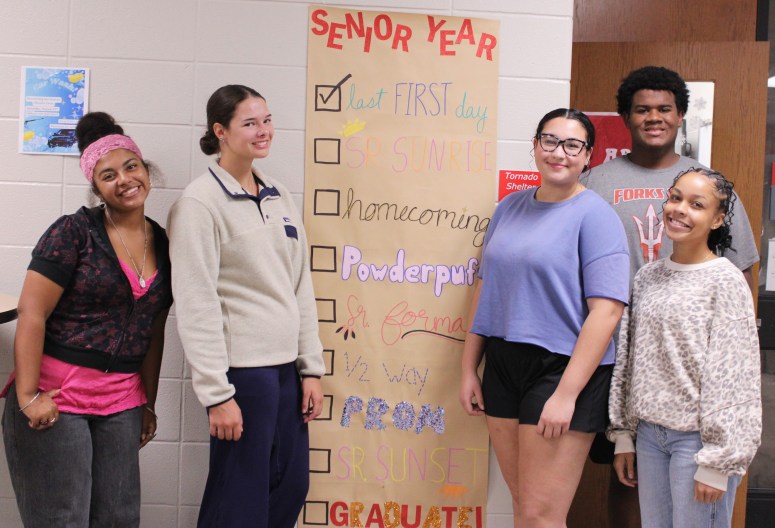
The new school year is always nerve-racking — new classes, new people, and new teachers. The readjustment period is always a struggle after coming back from two months of summer, and it’s been even more so with Indiana’s new phone ban.
But students and faculty persevere and get through by talking to new people, catching up on late work, or reading a book.
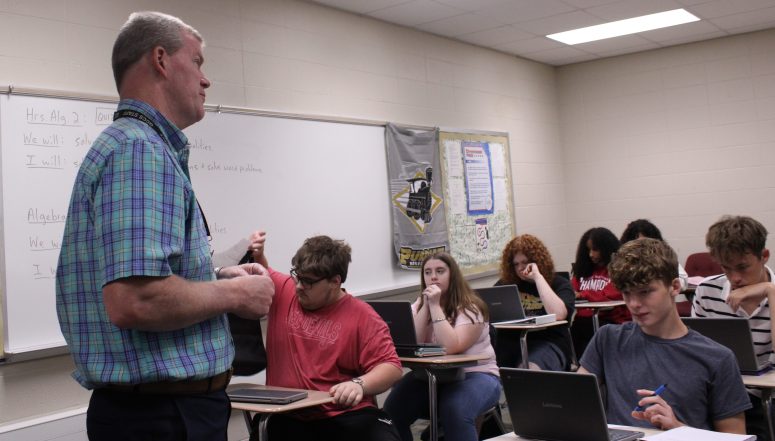
Algebra II teacher Greg Bowen was a little intimidated at the beginning of the year, but he is slowly readjusting to all the changes.
“I was a little nervous about how kids would adjust to the new cell phone policy, and they’ve adjusted really well, so yes, now I’m excited,” said Bowen.
The new cell phone policy had all the teachers on the edge of their seats, but students adjusted better than they thought. It’s a different kind of year for everybody, including senior Leighla Perry.
“This is my last year of high school, and although I’ll miss it because of my friends, I can’t be more excited about graduating,” said Perry.
Perry’s also been involved in the JHS community since junior year by being a part of NHS, Anchor Club, and cheerleading.
“I love being involved; it looks good on applications, and it’s nice just helping people and knowing I’m doing a good thing,” said Perry.
Juniors are getting older and racking up college credits and AP classes.
“The year has been pretty good; it’s mostly just me waiting for IUS to start. I expected more out of my classes, especially from my AP U.S. history class,” said junior Kahlani Hunt.
It seems like everybody’s year has been great so far, including sophomore Savannah Valois.
“My favorite part of the school has been my math class; it’s been great. I thought it would be harder this year, so I wasn’t excited at first, but it’s been okay,” said Valois.
As one high schooler’s career ends, another begins.
“The year has been good so far; I’ve found my classes easily; I thought it would be harder navigating,” said freshman Harmony Staton.
Life this school year, although different, has been going better than anybody expected, and JHS is excited for what is to come.
by Natalie Creagh and Aurora Grisham
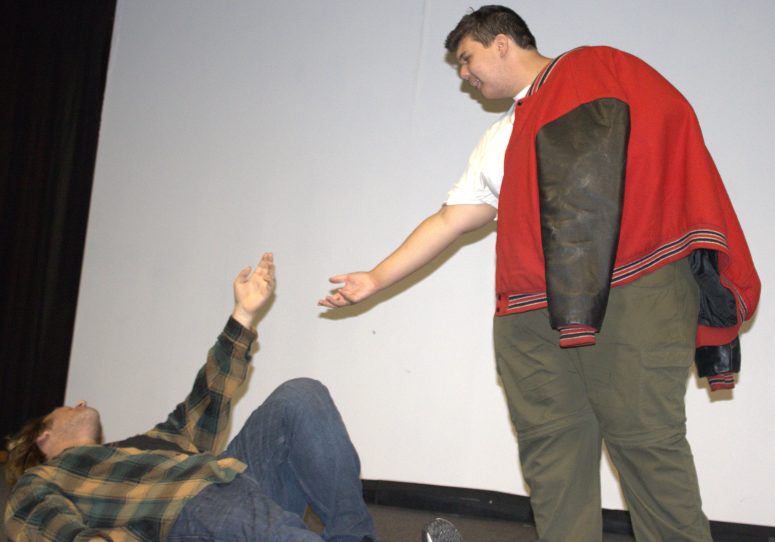
For years, the JHS Theatre Department has presented two shows per year. Each show is usually an opposing genre, but this season, they are similar. They’re both set in a high school setting around students and their experiences.
This season’s shows are Mean Girls, the Musical, a musical where a girl moves from Africa and attends a public high school and befriends the popular girls. Throughout the show, the main character, Cady, goes from an awkward new kid to hanging out with the most popular and powerful girls in school.
Our Play is about a group of high school kids from different backgrounds putting on Thornton Wilder’s Our Town, a new show, published in 2025 by Jessica Moss.

“I think that they are the right fit for our students,” said theatre director Derrick Ledbetter. “I think it’s shows they can relate to.”
Ledbetter said he chose these two shows with similar themes for a reason – the appeal they have for young audiences.
“I think it goes back to how the shows are in closer experiences to our students,” he stated.
Beyond the theme-related performances, Ledbetter said he has some more ambitions for this season, saying, “I hope we have a lot of people come out. I hope we get a lot of new experiences for people.”
Ledbetter also said these audiences will appreciate the performances of these two shows, stating, “I think it has to do with choosing authenticity over popularity.”
Theatre students are already preparing for the performances this season.
Junior Kahlani Hunt said she definitely has a favorite show this season.
“I’m most excited for Mean Girls. I’m hoping to do tech this year.”
Sophomore Lucas Dimmitt agreed, saying, “I’m hoping to get a bigger role. I’m most excited for Mean Girls.”
Senior Jalen Nifong said, “I want to accomplish something I’m proud of. I’m intrigued to see Our Play because it’s a lesser known show.”
The message for the Theatre Department is for teens to be their authentic selves and not to conform to social norms. Ledbetter said he selected these plays not only for entertainment, but also to send an important message to the audience.
by Layney Derricott
The JHS girls’ soccer team has begun the new season with a smaller-than-normal roster, with barely enough players to fill the field or the bench.
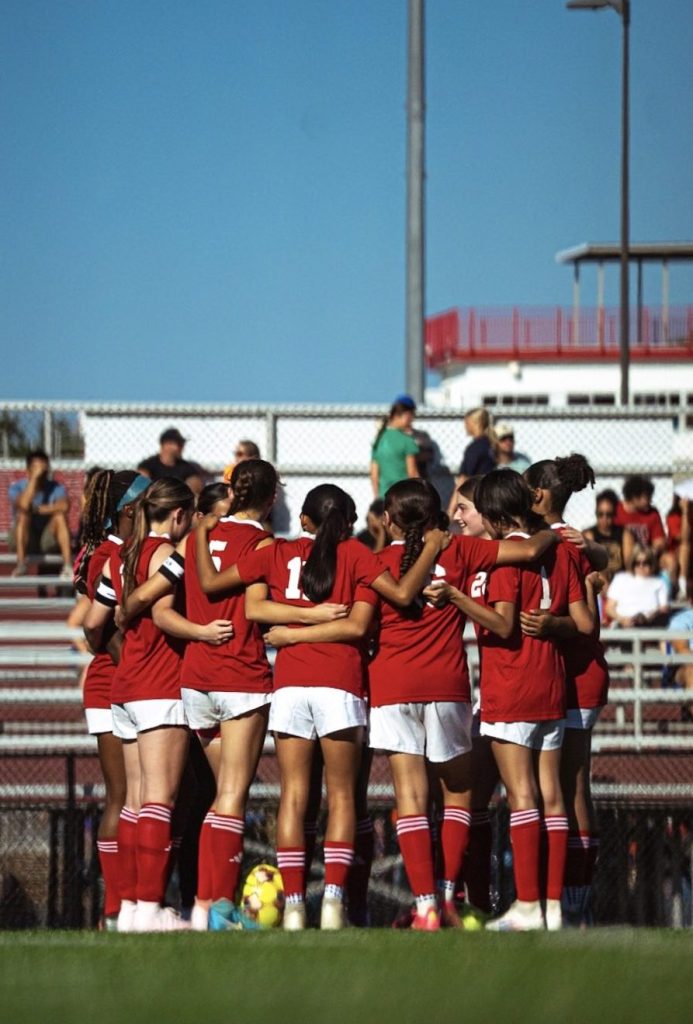
However, coming off a long summer break and straight into practice, the team is keeping a positive mindset despite the challenges.
“We always make sure to always be uplifting and bring each other up — that’s important,” said senior midfielder Layana Cosby.
After the 2025-26 season, a variety of players graduated, leaving the team depleted; however, the game still goes on. With their first game on August 18, the team prepared hastily. To start the season, they held tryouts August 3-5, resulting in a roster of 19, just enough players to field a team.
Being on a team with fewer players can change experiences, including creating a different environment, demanding more responsibility with individual players and affecting gameplay.
Coach Emily Foster said, “It’s a struggle having to try out new positions, but they are rising well to the challenge of something new. It’s all a matter of time for the team.”
In addition to adjusting to new positions, the smaller roster has also learned the importance of teamwork and patience.
Sophomore center defender Haylee Alvaranga stated, “Having to have more patience helps with being a better team player by allowing you to listen, communicate, and work well with others.”
Smaller teams sometimes mean less help. Players said patience in waiting their turns, along with communicating, thinking of others, and listening, tends to be a key virtue in being a team player.
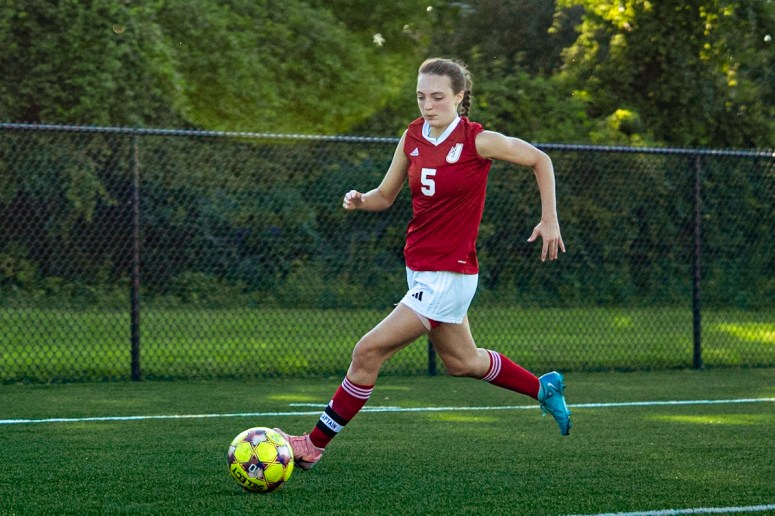
Senior team captain Abi Lemon stated, “facing tough opponents while staying optimistic” will be the Red Devils’ biggest challenge to overcome this season.
Meeting this challenge while struggling under pressure can be hard but effective, according to Lemon. The new players joining the team are both helpful and encouraged.
“It is a great experience to try something new; no matter how good someone is, their talent is needed. Everyone has unique talents and skills that can contribute to the team and make a lasting difference,” said Alvarenga.
The players described a welcoming environment as they prepare for their opponents, and they’re ready for just anyone to join the team. Hoping to be at their their peak by the time they play local rival Floyd Central, the Red Devils have the chance to turn their early challenges into motivation to prove what they can accomplish.
Lemon shared her ways of keeping a positive mindset for herself and the young team.
“Always put God first, making sure to keep your head up. While lifting up the people around you, also allowing them to lift you up.”
All photos by Malachi Conrad, Logan Vidt, and Mason Ridge.


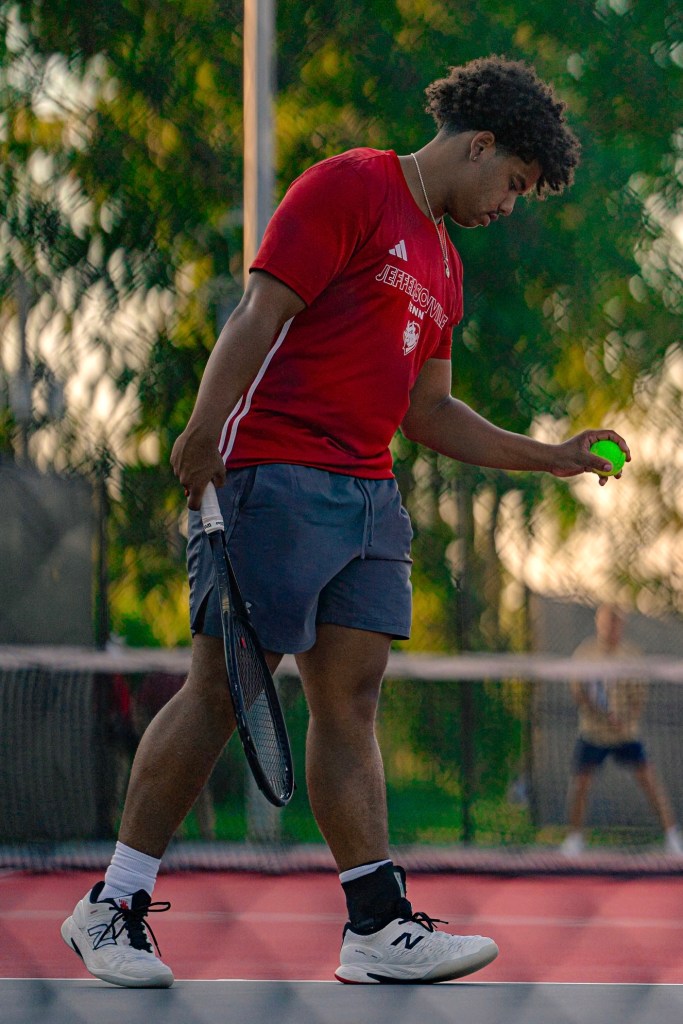


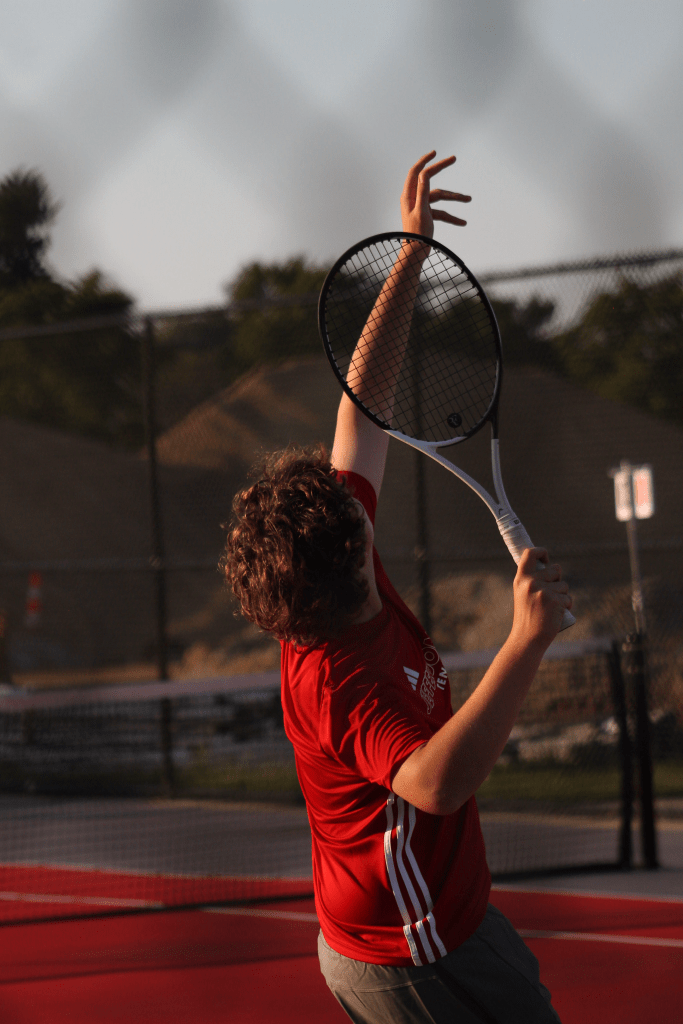



All photos by Parker McCloskey.

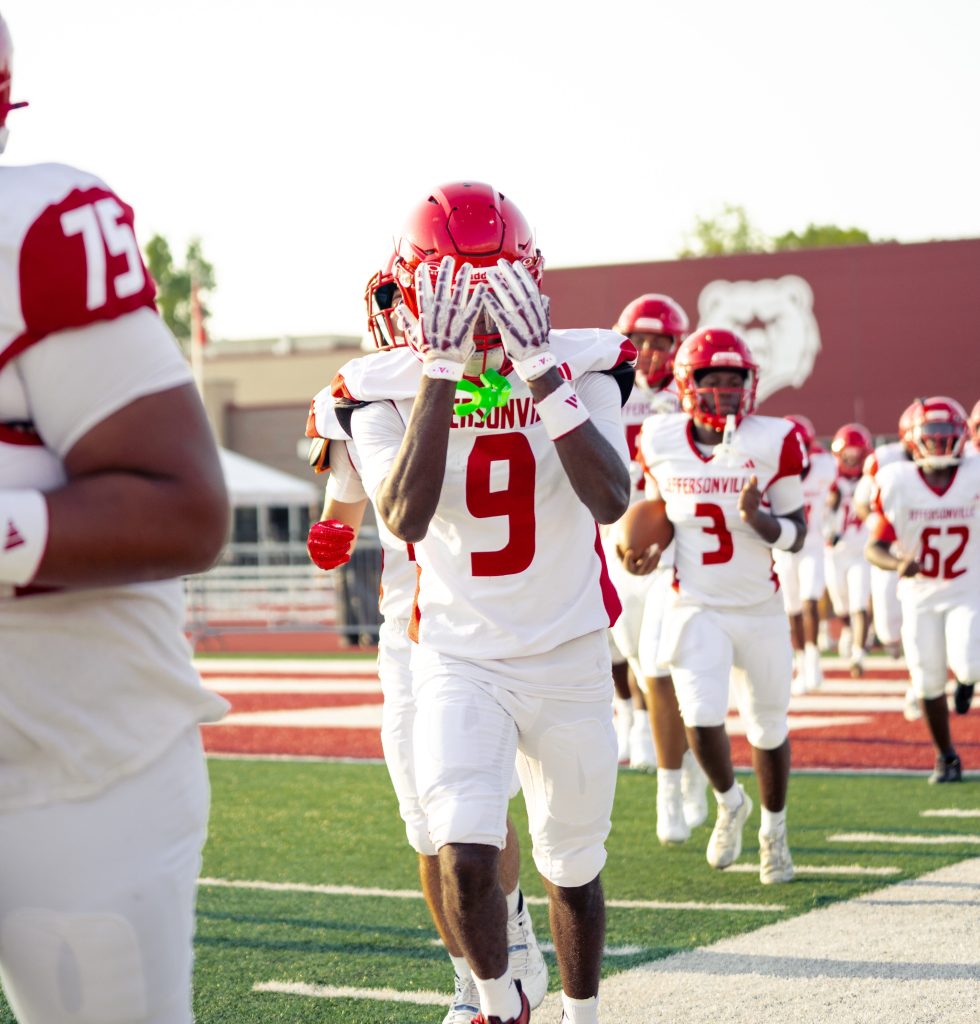
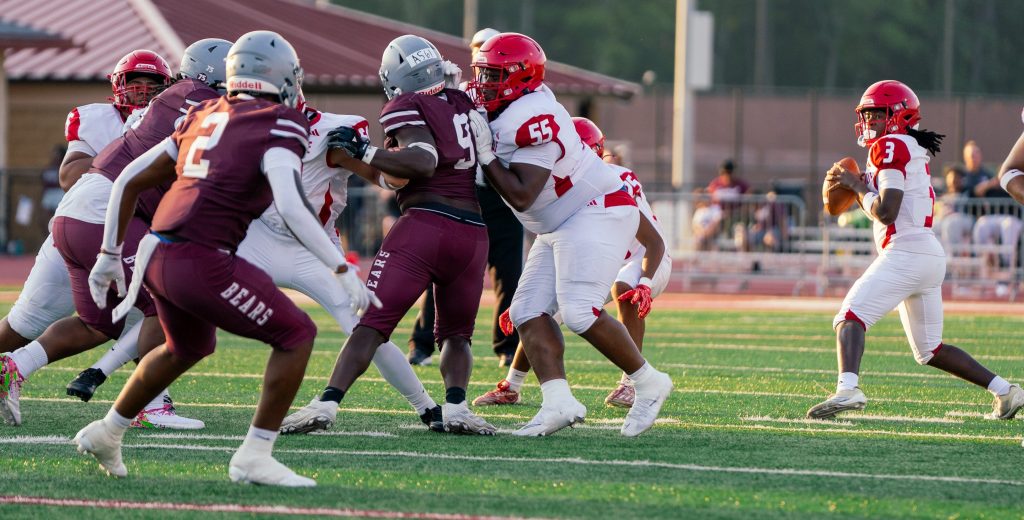
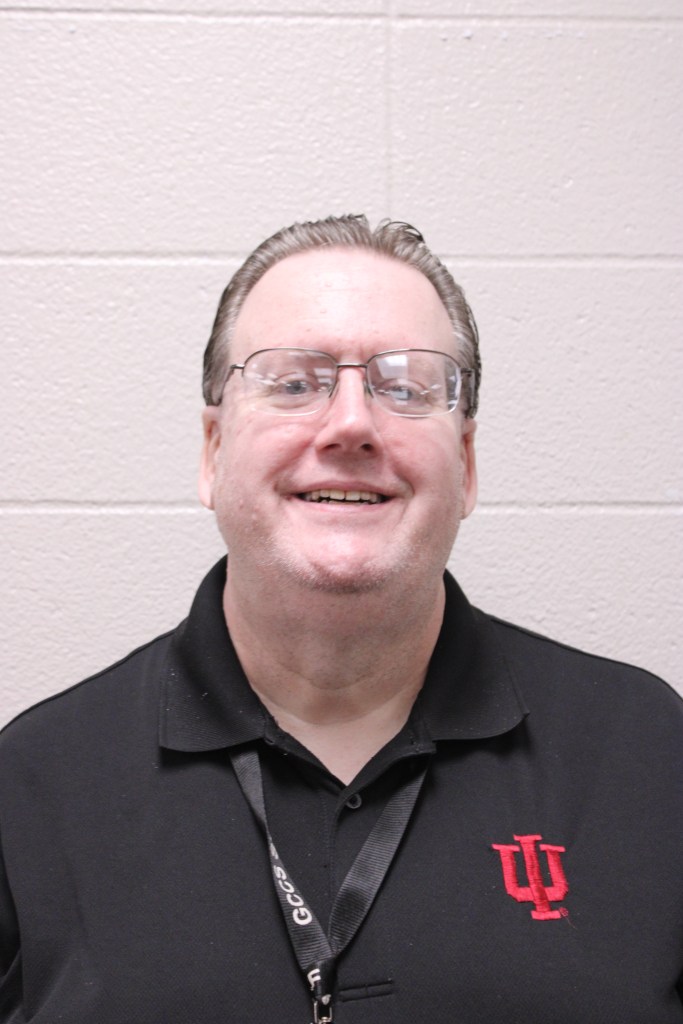
by Austin Bainbridge
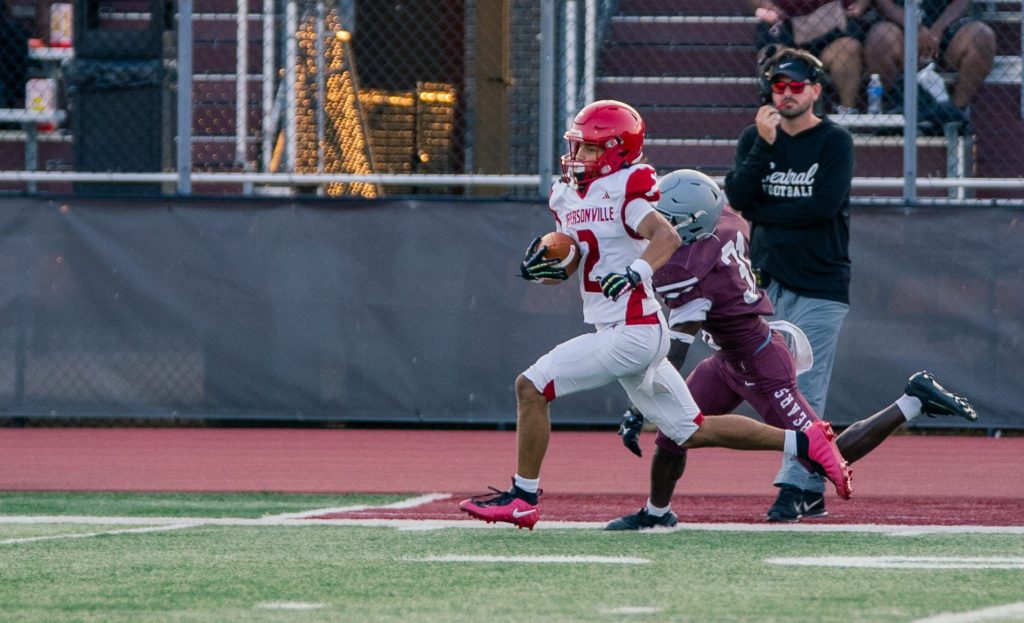
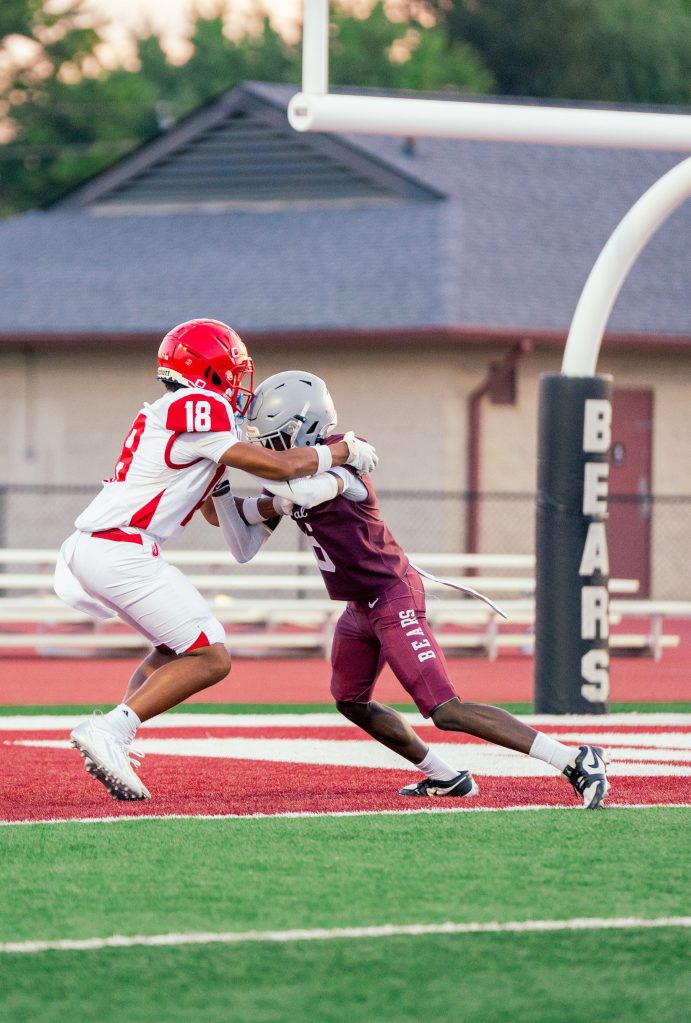
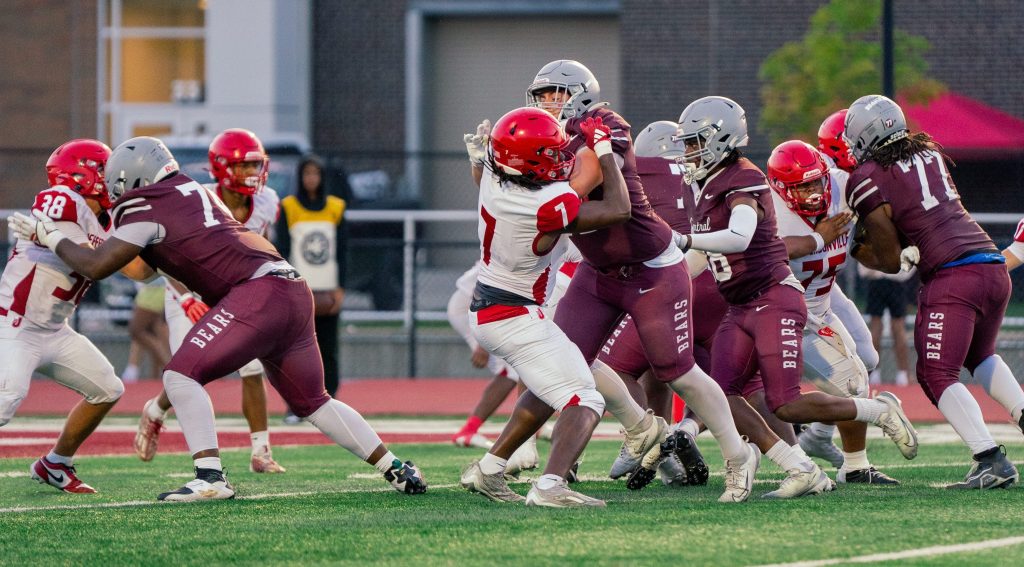
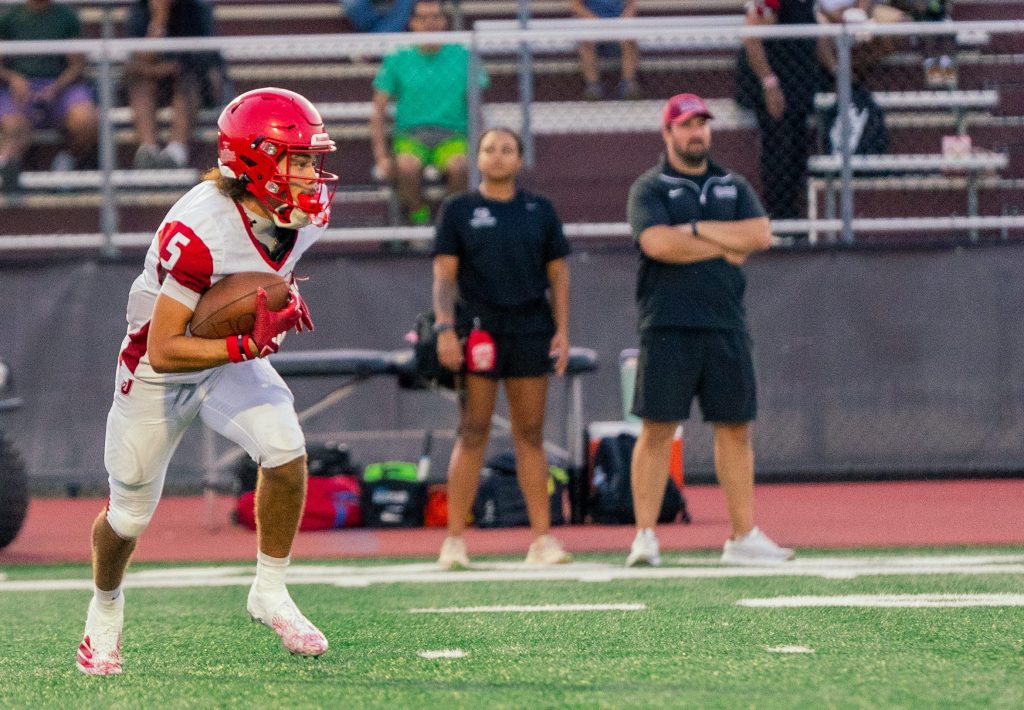
New JHS football coach Nick Cotner came into the position in mid-July, five months later than every head coach in the area after former head coach Doug Preston resigned. However, he still feels ready for this season.
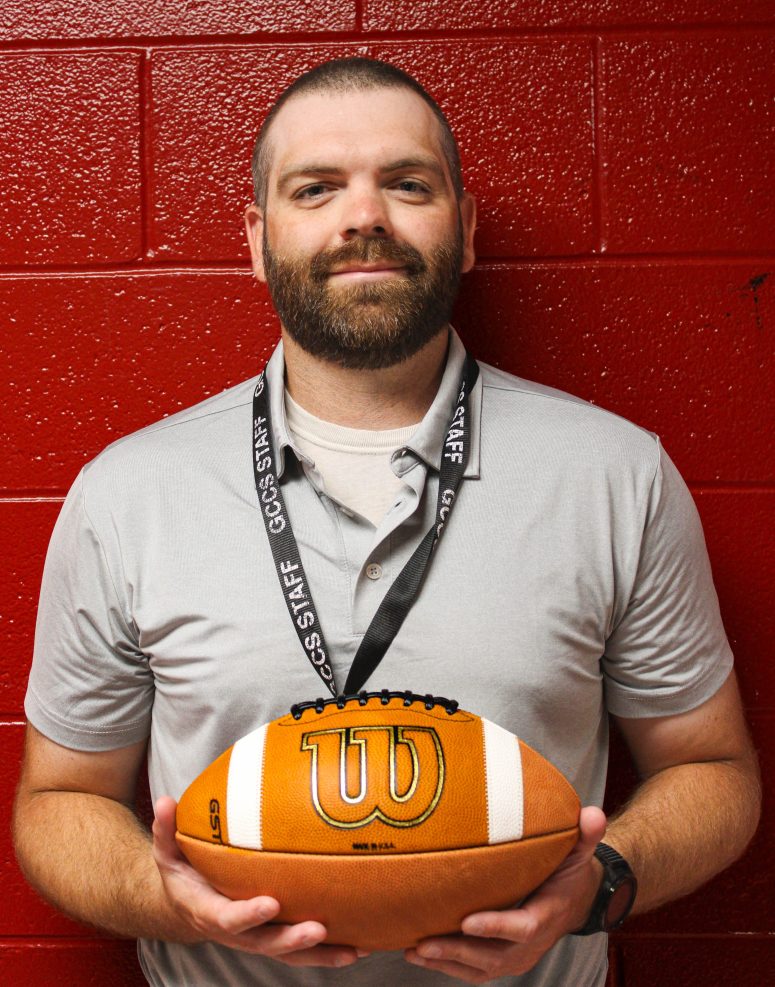
“We haven’t felt rushed since most of these guys have run spread before; they know the formations. It’s all just a different name. I feel like we’re ready,” said Cotner, who previously coached at Scottsburg.
Cotner knows that coming in so late means he still needs to find a connection with his players to lead to success.
“Players don’t care what you know until they know you care. So I make sure everybody knows I’m here to stay and I want what’s best for them,” he said.
Players said they feel how much Cotner cares and wants success for the Red Devils.
“He really wants to win here and not quit on Jeff. He really wants to build a program here where we can win every year,” said sophomore linebacker General McLain.
The players can also feel the trust their new coach has in them.
“Cotner really helps me to be the best player, he believes in me even though I’m undersized for my position,” said junior center Jacob Fifer.
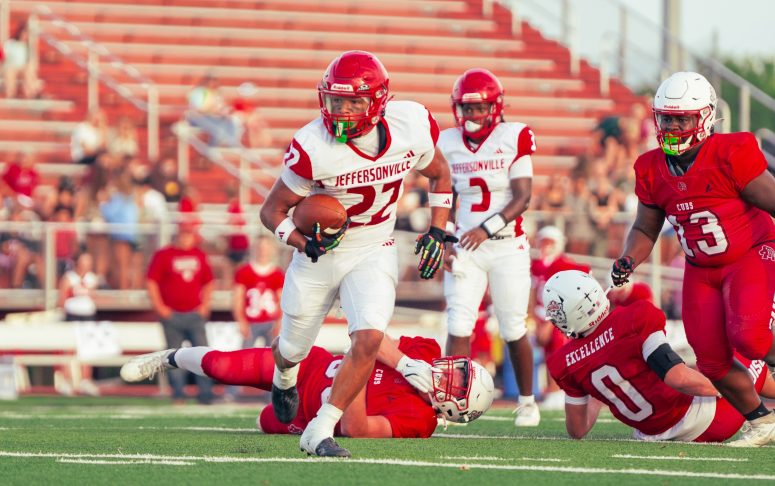
Cotner wants to be a mainstay at JHS and the local community.
“I’m here to stay. I want to build a real program here. I’ve been to a couple of the middle school practices so they can know who I am. I’ve lived here since 2020, so I really feel like part of a community,” he said.
Even with most doubting the team with Cotner at the helm, the players still have confidence.
“He’s (Cotner) just such a great guy. He really keeps us in check, and I even think with him we could go 9-0 this year,” said junior tight end and defensive end Tristan Newby.
Even in his short tenure as head coach, Cotner has already gained respect from his team.
“He’s really stepped in like a good leader. Everyone has to earn reps, and he often says that small things lead to big things. I think that really helps us stay focused, especially at practice,” said freshman lineman Collin Kenedy.
Cotner still tries to relate to his players to understand what they are going through and how to get them to perform better.
“I think I’m a detail-oriented coach; we hold our players to standards. I think being a young coach – I’m only 36 – they can still see that I’ve played the game, and I feel like they know I care,” said Cotner.
The players don’t have blind confidence in their coach, but also because they’ve seen his success.
“Scottsburg has won sectionals, which we haven’t done. And he’s bringing a winning mentality. Along with giving everyone goals,” said McLain.
Even with all the expectations surrounding the team, Cotner still takes time to reflect on his success.
“Ever since I was 16, I’ve dreamed of being a head coach. So this is truly a dream come true, even if it’s an unconventional way of getting the job, I’m grateful,” said Cotner.
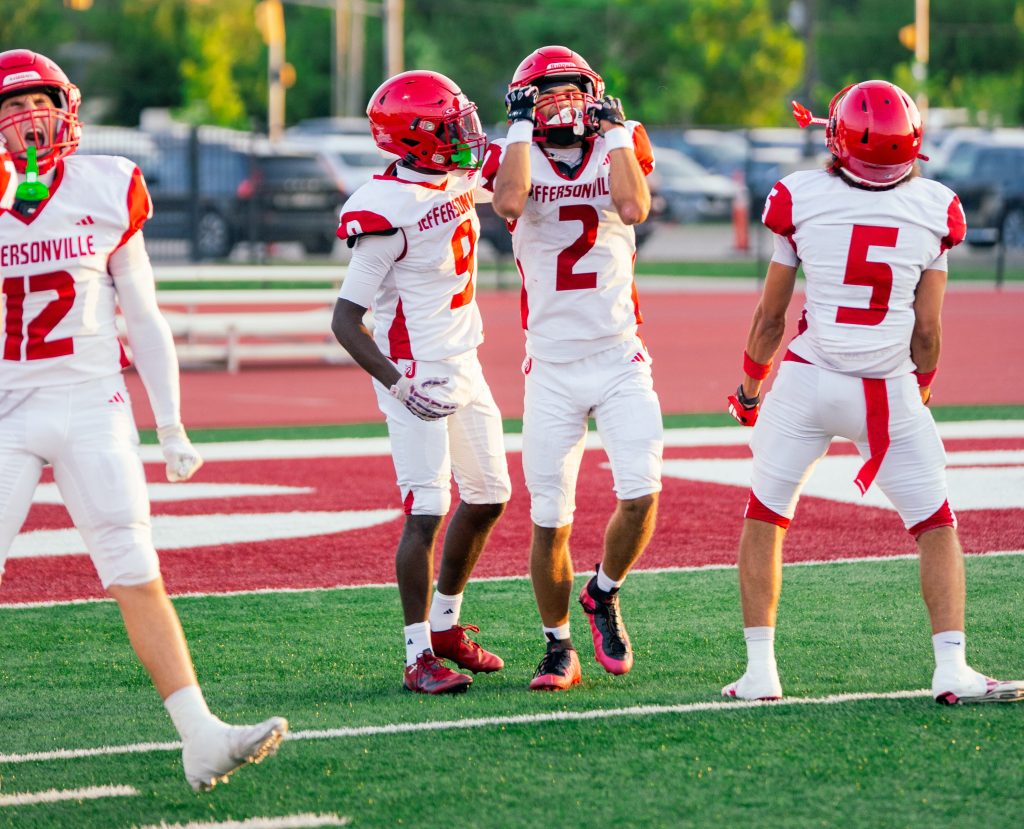
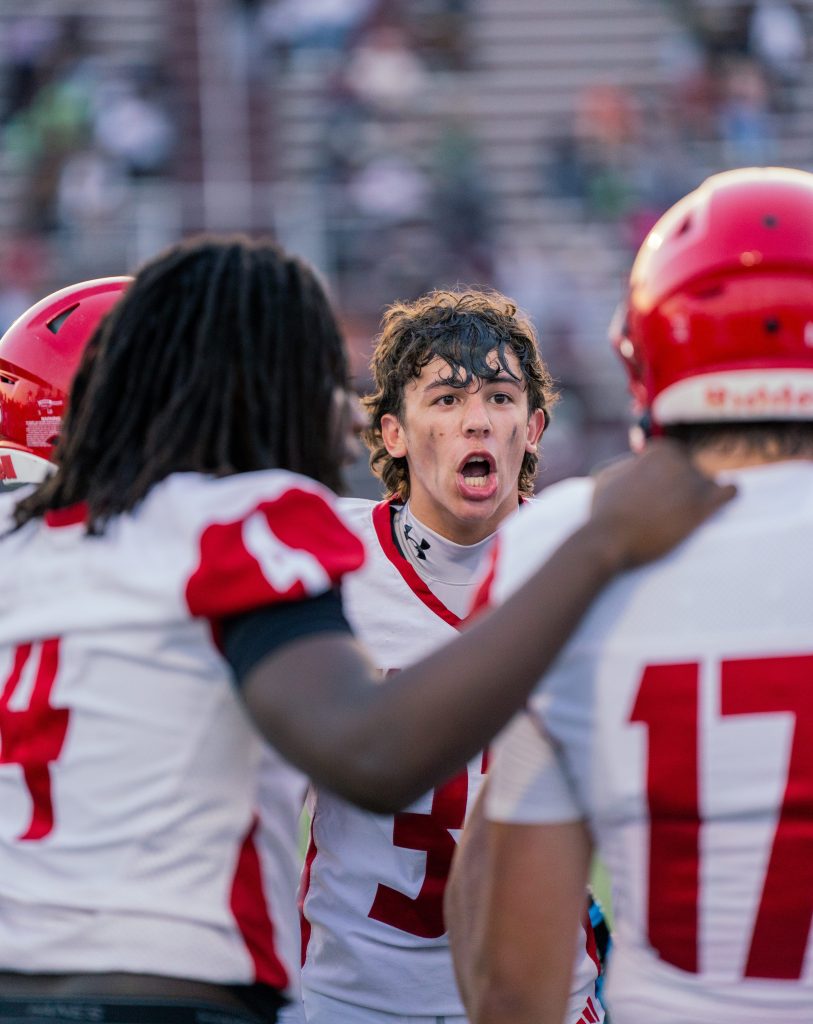
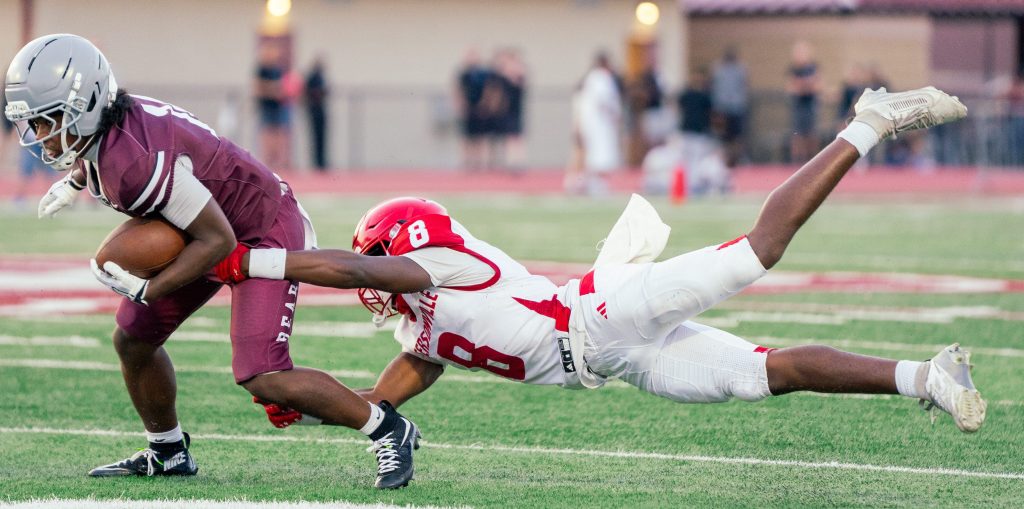
The Red Devils play at Lawrence Central tonight.
by Kori Washington
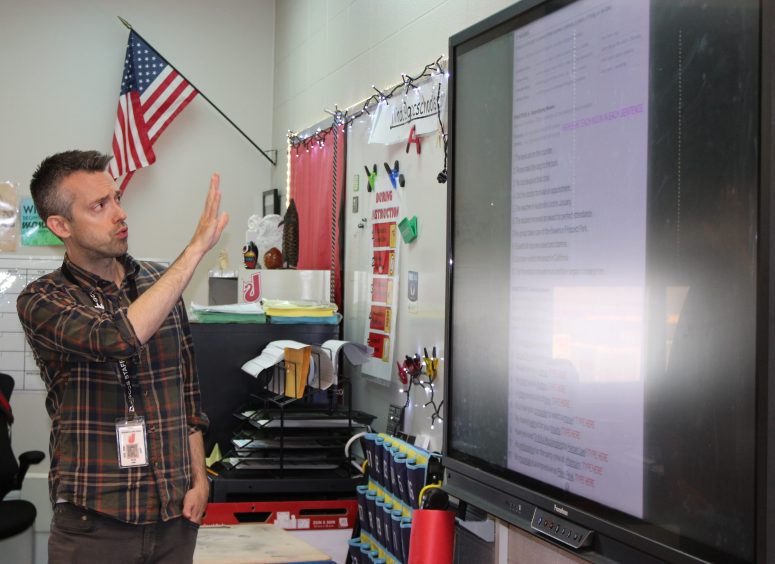
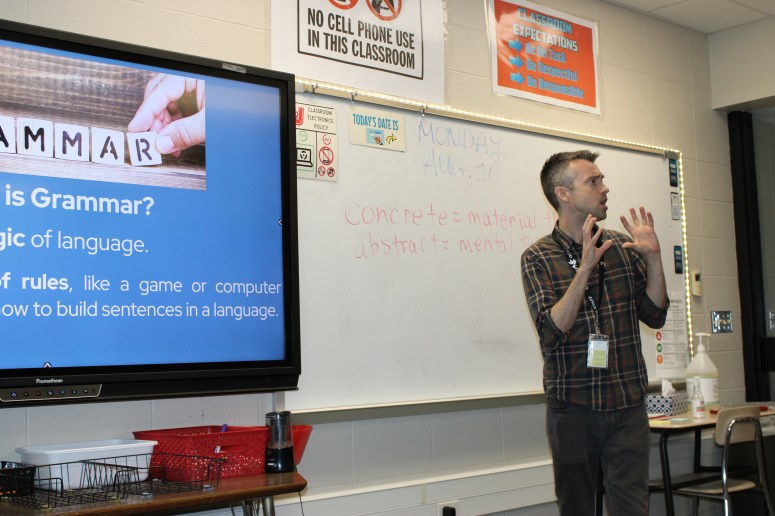
For some teachers, teaching is something that they have wanted to do their whole lives. For others, it may take a little longer to figure out what they’re really passionate about. That’s the exact situation English teacher Justin Linde found himself in.

From a young age, Linde had always known that he loved English and literature, but once he got to college, that’s when he knew those were not the only subjects that he actually cared about.
“I started realizing that I wanted to study more than just literature. I wanted to study more than just that subject. I did more than just literature. I wanted to study all the aspects. I wanted to know about the history, the historical context. I wanted to know about the cultural and artistic background of literature. And I realized that all of my interests aligned with philosophy,” said Linde.
Although Linde knew he loved philosophy and English, he questioned himself about pursuing his interests as a career path. So he continued taking classes at the University of Louisville, but he had limited time.
“I got a scholarship to attend the University of Louisville, so I went to U of L and declared myself an English major. That was my original major. For the first year or two, I was just taking my general ed classes, but I also took English classes,” stated Linde.
Linde recalls his love for philosophy started when he first began reading books about the subject early in his education.
“So probably in middle school, I started encountering philosophers, but it wasn’t probably until high school that I started reading philosophers and philosophy on my own,” he said.
But the one philosopher who stuck out the most was a German philosopher named Nietzsche, and Linde became interested in him because he felt he could relate to him.
Although Linde had finally found his passion, his journey to pursue it wasn’t easy.
“I was at U of L for five years, and I didn’t finish my degree. And I said, you know what, I’ve spent all the scholarship money, and now I have to pay for things on my own. So I was like, I can’t afford this. I’m going to take a year off, figure things out,” he stated.
During Linde’s year off, he moved to Indiana because his job offered him more pay. While moving, Linde decided that it was time to go back to school, so he transferred all his college credits to IUS, where he majored in philosophy.
“So I transferred my college credits to IUS and took all those missing classes that I needed, and I finally graduated with my bachelor’s degree in philosophy in 2013,” he said.
Linde spent years thinking about what his next moves should be after graduating.
“After many plans fell through, I kept working at Meijer, and then finally, one day it dawned on me. Why did I never decide to teach high school? Because sometimes I dreaded going to school, but I loved the teachers,” said Linde.
Linde started taking an online program to get his license to teach, which took him two years, and later went back to get his master’s degree. Although Linde had finally gotten his dream job, his journey still wasn’t over.
“When I started teaching, the challenge was that I hadn’t been teaching, so I didn’t have the experience, and that was challenging because I felt they knew I just started, so they took advantage of that,” said Linde.
Although Linde saw the challenges of starting teaching later than other teachers, others saw it as an advantage because of his different perspective on things.
“Unlike many other teachers, Mr. Linde is fairly flexible about his daily curriculum; he is willing to adjust the assignments or lessons planned to better tailor the class to meet his students’ needs,” said senior Tristan Cooley.
“Something that makes him stand out is how he goes through each assignment step by step and is very patient and understanding with his students,” said sophomore Jonayazia Dickerson.
Starting his teaching career later in life gave Linde a different perspective on how he teaches his students.
“I like to introduce some of the other philosophers to my students. I think that makes me different because I want to teach kids how to think like philosophers and I want them to focus on philosophical big ideas,” he said.
Before making his way into teaching high school students, Linde gained experience that helped him understand how to work with students and their different emotions and personalities.
“In customer service, you often have to deal with angry customers. and I think you have to learn how to deal with conflict and conflict resolution, and that transfers to the classroom. Because when students are struggling or having personal problems that spill out into the classroom. And as a teacher, you have to learn how to manage that,” stated Linde.
While his past job taught him how to handle conflict and work with different personalities, becoming a teacher came with other challenges. Linde also found support from teachers who helped him along the way.
English teacher Allison Clary complimented Linde’s challenging coursework, adding, “He’s quickly learned how to assign that right work for certain students, and he’s so brilliant that now he’s teaching AP and honors and I know that he just really works on it to keep difficult while also being manageable.”
“Ms .Clary really became a mentor for me,” said Linde. “She helped me out a lot. I went to her and I asked her questions and she really supported me and helped me.”
With Clary’s support, Linde had someone to guide him in the right direction as a new teacher.
Clary’s advice helped Linde realize that not all students learn the same way, so he’s been adapting his lessons to meet all students’ needs.
“Students learn differently. So I try to incorporate all types of learning. Some are visual. Some need to write. Some need to speak out loud. So I would say what makes me different,” he said.
For Linde, making learning more accessible is only part of what he wants to accomplish. His main goal is to teach students how to become better thinkers.
After years of searching for a career that felt right, Linde finally found his passion, and now he hopes to leave his students with the reminder to always ask questions and think like a philosopher.
“We’re here because I want students to become critical thinkers. And that’s the goal,” said Linde.
All photos by Parker McCloskey.