Top graphic by Kaedyn Bowers.


Top graphic by Kaedyn Bowers.
Students in first and second hour Digital Photography classes captured the spirit of Halloween at JHS last Thursday. Some of their most haunting images are displayed in the gallery below.


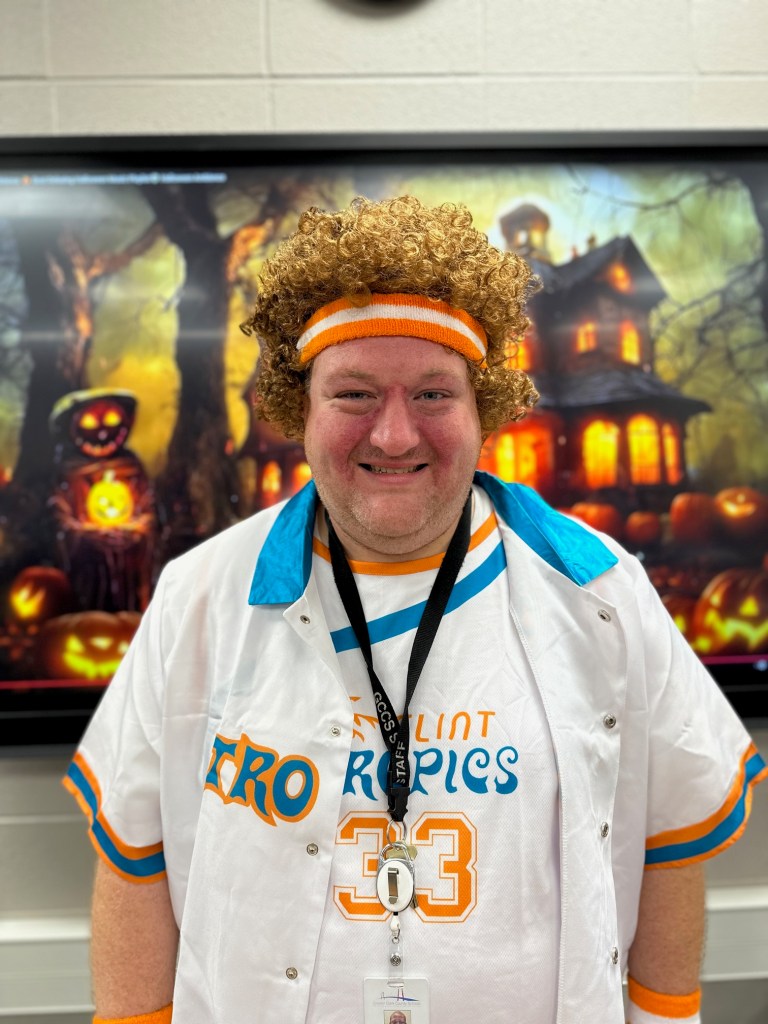

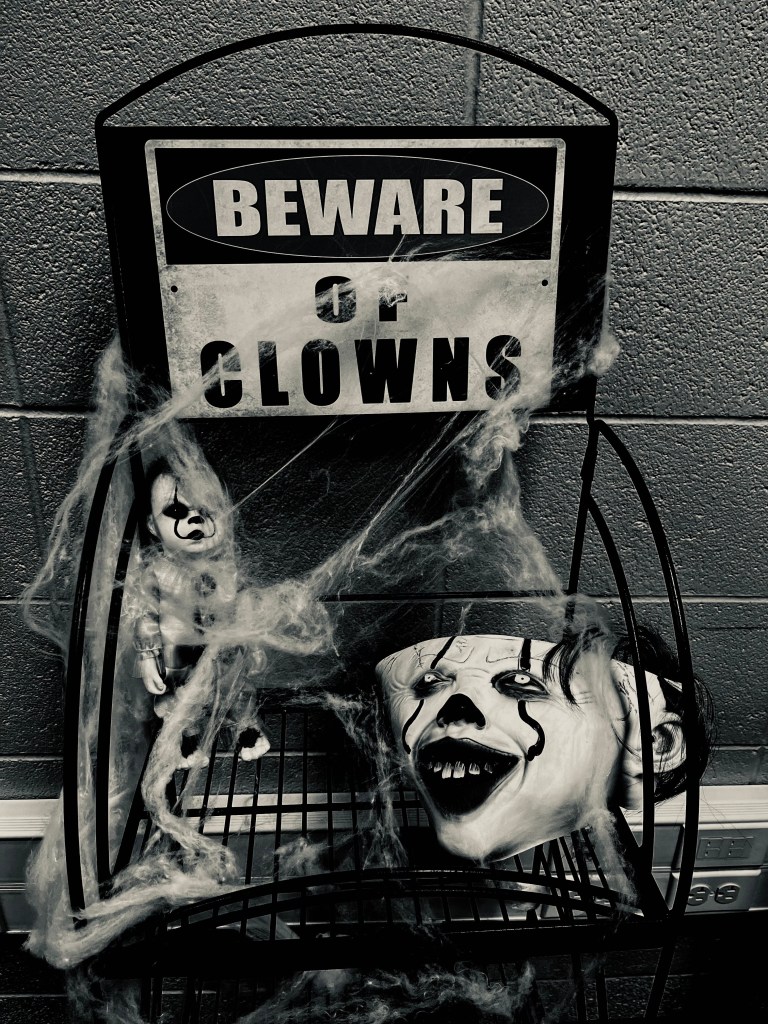


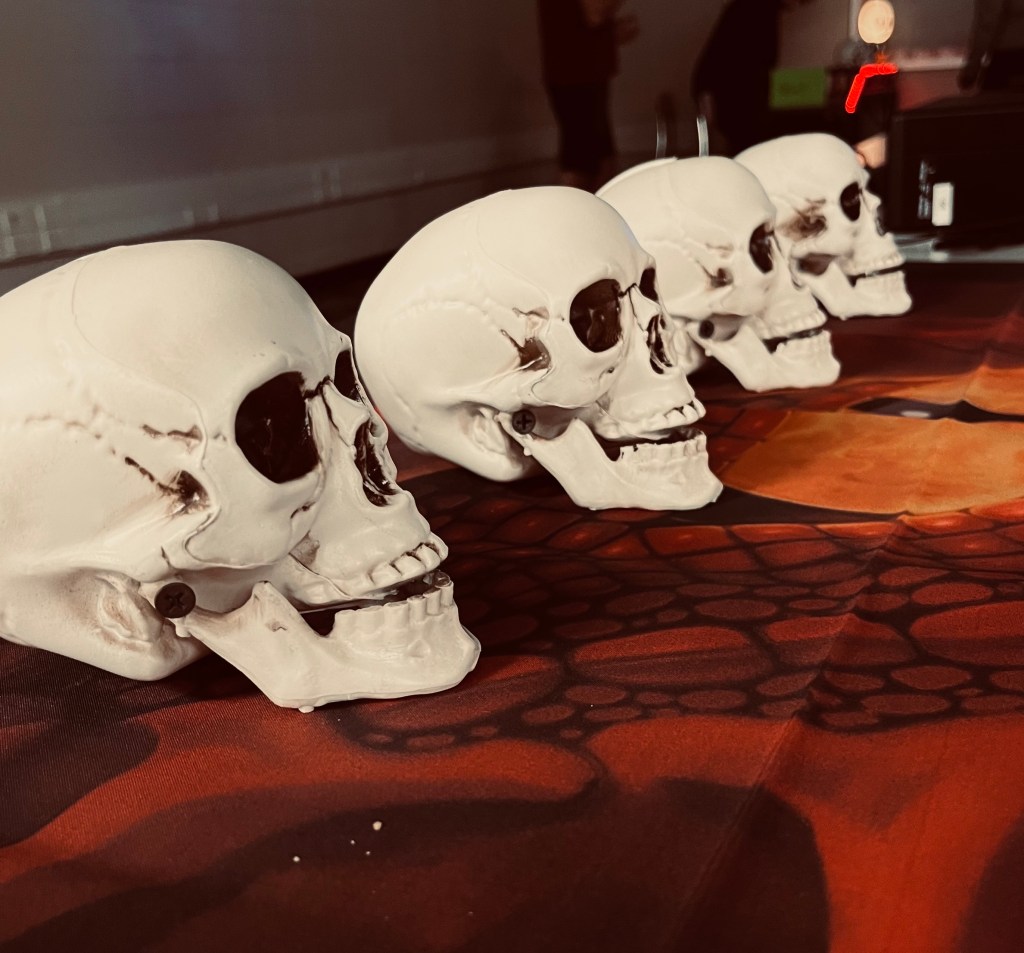

.
by Sam Ottinger
One of the prides that Hermitage Farm takes is how they offer a diverse selection of unique crafts from an equally diverse vendor selection.
And this was certainly the case when I attended the Meet Your Maker Art’s Festival on Sunday, Oct. 27.
Meet Your Maker was able to supply visitors with a great variety of items. This ranged from jewelry, like those found at the Love is a Seed booth ran by Amanda Mathews; clothing, like those found at Mojo Quilts and More ran by Angelique Shah; paperworks, like those found at Lion Palace ran by Liz Morely Glenn; or paintings, like those found at Makara Thach Sernett ran by a vendor by the same name, just to name a few of the crafts.

The wide range of items may seem like it would be an overwhelming experience, but in reality I found it to be one of the more peaceful arts festivals I have been to.
In addition to Hermitage Farm choosing a wide area for all the booths, making it feel open enough to not overwhelm but not empty to where it seemed that there was extra space, the multiple items left room for disinterest.
In many events, hearing of the presence of disinterest can be a very negative thing, but for an art event with a little over 100 vendors, it is essential to prevent feelings of missing out and rushing through.
There was enough of one type of craft to be affordable to the buyers to get something from each, while also leaving room for other types that were others’ favorites.
One aspect that does need mentioning is the accessibility.
Due to this event taking place on a farm, there were not as many accommodations as a more leveled festival may have.
The parking was located on the top of a large declining hill, yet offered handicap parking nearing the front of the lot. In order to get to the area, guests could then walk down the hill and over another smaller hill. Yet another way guests could get to the main event was on one of the two tractors for a seasonal hayride.
The first vendor area, closest to where guests entered, was unpaved, which could make it harder to navigate with those who rely on non-powered wheelchairs. However, the second vendor area, the one past the top left corner of the first area and near the petting zoo, was in a circle of paved road at the entrance of each booth.
One of the joys that came with this event is that not only did guests have an enjoyable time, but the vendors were given space to be able to enjoy it just as much.
Due to the openness of the physical area, there was room for these business owners to be able to talk more about their story behind the art they produce.
Morley Glenn, the artist behind the Lion Palace booth, commented, “Once you start creating, you never want to stop” in describing what pushes her to continue this artistic business.
Makara Thach Sernett, who managed the Makara Thach Sernett booth, shared the story of her beginnings as an artist.
After growing up in a Thai refugee camp, Sernett focused not on studying any artistic field, but on law. Yet this career path wasn’t based on passion, but on survival.
Sernett’s life always came with worldly troubles that would prevent the transition in careers, like expectations of being the oldest in an immigrant family and the negative perceptions that come with the title of ‘refugee.’
When she met her husband, he asked her a profound question. “Now that you don’t have to fight to survive, what do you really want to do?” Her answer was painting.
“In [that] world I didn’t know what art was, but I felt the joy and whimsy it could bring,” Sernett commented.
After years of being self taught, she came to Meet Your Maker to use her landscapes and story to inspire others. Seeking to connect with others, even if they may not relate to her life.

And Mathews, the main vendor of Love is a Seed, found her love for making jewelry when given kits for her birthday and other holidays.
“I found it to be so fun and satisfying to create quick little projects that I could wear,” Mathews said, describing her progression from kits to her own creations. She would share this fun activity with her soon to be husband, Harley Mathews, after graduating high school.
“The key to making something more your own is to follow your creative curiosities, create things that make you feel good, and have fun!” Mathews added, “Don’t be afraid to reinvent pieces you may already have, mix and match, and make it more personal. You can always create special pieces of jewelry out of just about anything!”
Just as the kits were given to her on the holidays, she then decided to gift her finished jewelry to others during these times of year. Even during other times she would still get requests for unique pieces.
Mathews saw the potential, and after working more on increasing her skills through practice and some college courses, she and her husband started to look into the future of getting her art out into the grander world.
They would go to art markets and visit their friends, finding a match to respark their inspiration, Amanda Mathew’s asking “What if this is something we could do, as our life and our creativity?”
The Mathews started looking into participating in a market like those they visited. And during these looks, many would require more official business info.
“This was intimidating at first, but we were up for the task. We wanted to do this so we dove in head first!” And after talking to other vendors, friends, and family, they felt the support and founded their business, Love is a Seed, in the summer of 2014.
Hermitage Farm’s Meet Your Maker back in summer of 2022 caught Mathews’s eye when looking for more fall events. She saw the fun family fall event and applied. “It has become a place where I meet dear friends who are also amazing artisans and is my favorite event to do every year,” she commented.

Meet Your Maker did not only allow me to purchase wonderful handmade crafts, but it also allowed me to be able to meet and connect with these business owners, of which I may not have even known about before attending, and learn more about the love of creation that fills many in our community.
Their stories not only connect us, but they also act as a light at the end of the tunnel for those who want to throw their hat in the ring and be one of these vendors, finally being able to turn their passion into an equally enjoyable work career.
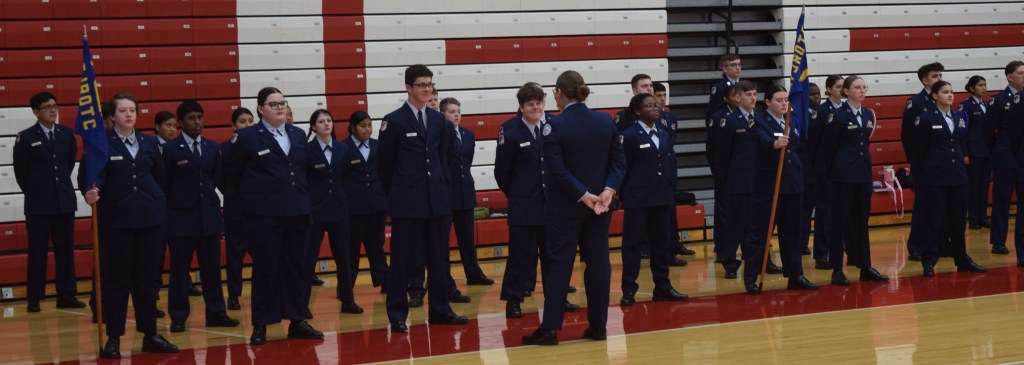
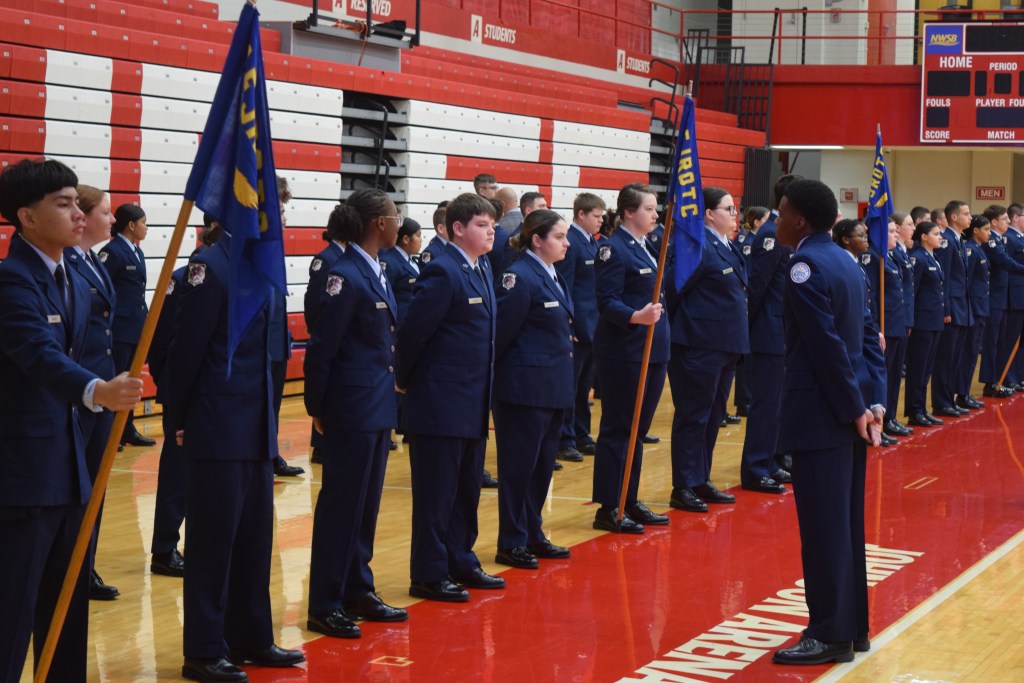
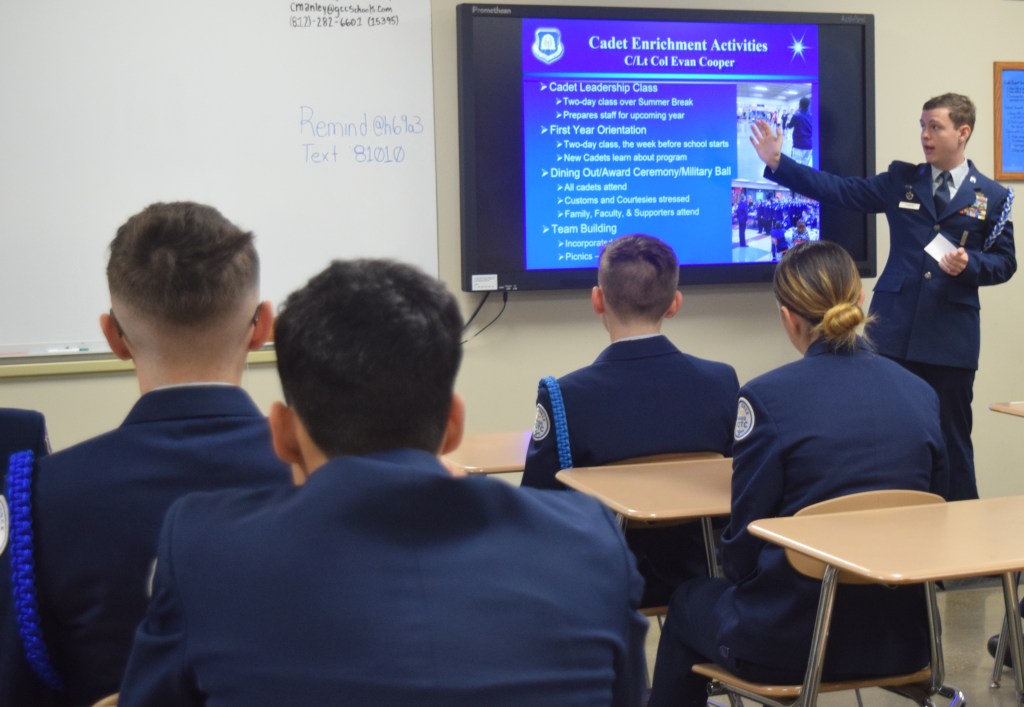
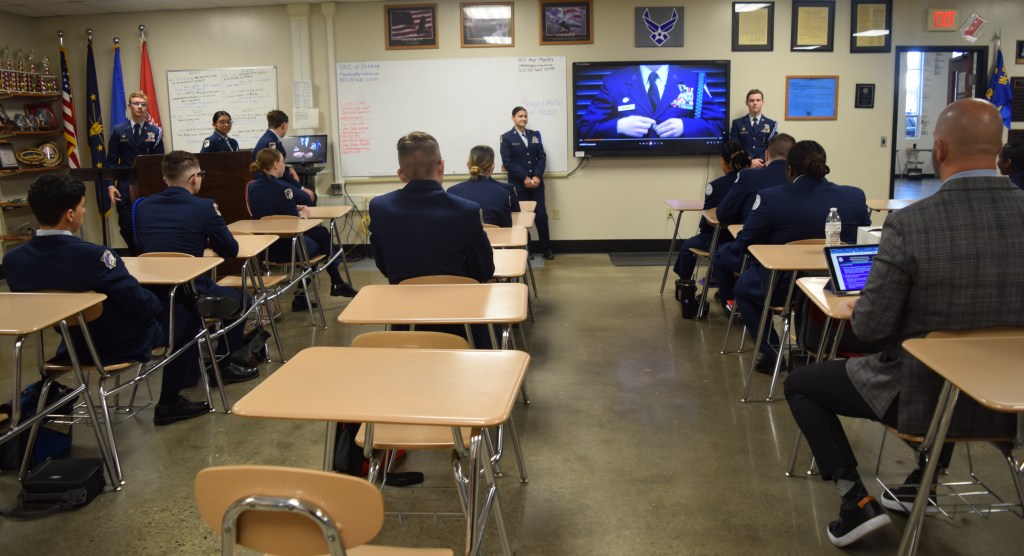
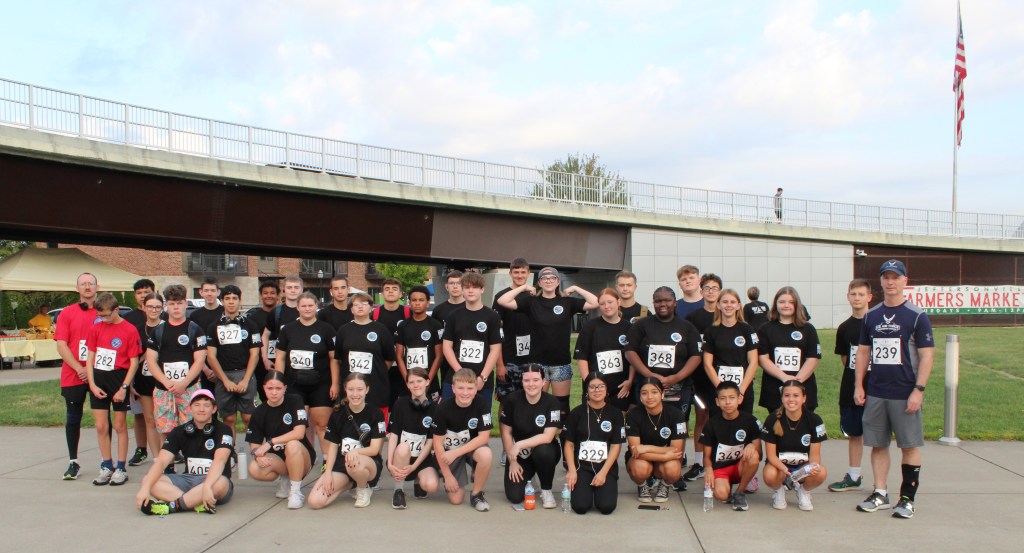
JHS Air Force JROTC cadets completed their annual assessment by their Regional Director, Paul Lorkowski, on Monday, Oct. 28. The cadets not only went through an individual uniform inspection by Lorkowski, but they also presented him their Mission Brief outlining all the activities the AFJROTC program is involved in to include community service, extracurricular activities and field trips.
All photos by Malachi Conrad, Jaelyn Hernandez, and Zoey Moore.


by Ricky Cummins
Music is everywhere. It is in the streets, our homes, concerts, radios, and our phones. But, why not in school? Schools should be one of the many places where music is allowed and even encouraged.
Music is an integral part of our lives. From riding down the freeway to washing the dishes, we can find music almost anywhere at any time. I have used music my entire life to calm myself and focus on tasks that may be hard or difficult. When it comes to music, it is very important to me and my overall well being to the point where I can hardly focus in class without it.
Did you know that exposure to music can improve learning and increase a positive classroom atmosphere? Active engagement in music promotes how the brain functions. It sharpens and refines language and speech.

Music has also shown that it has the ability to help children learn how to read. In addition several studies have proven that calming and engaging music reduces stress, anxiety, and aggressive behavior. Teachers need to take this into consideration next time they have a student that has trouble paying attention or getting work done on time.
The type of music also matters; students perform better when listening to music they perceive as calming rather than music that is perceived as more aggressive. By considering these elements, teachers can find intentional and responsive ways to integrate music into their classrooms effectively.
Regardless of your prior experience with music, there are many exciting possibilities for having music into your learning environment. Whether it is working to create a calm mood for focused work, liven up a lesson on poetry, or build community, music can be used to positively shape the classroom environment and support student thriving.
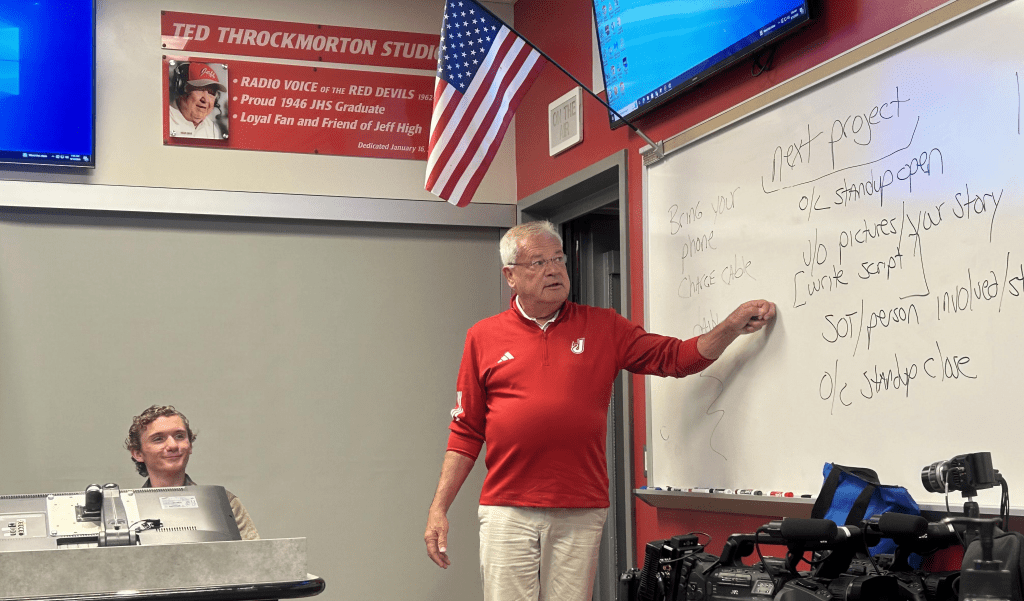
All photos by Ayianna Maddox
by Sam Ottinger
Throughout the presence of life on earth, art has, and always will be, an important part of being human.
And this weekend’s Goshen Kentucky Hermitage Farm’s Meet Your Maker Art’s Festival, on Oct. 26 and 27, is an opportunity to see the human trait of creativity in action.
“It’s inspiring to see so much talent come together in one space, and that’s what drives us every year, ” commented Ryan Mahony, the Program Director at Hermitage Farm.
This will be the fifth year that Meet Your Maker has been hosted at Hermitage Farm. And this year’s event has been the largest market throughout those five years, having a little over 100 different vendors with their own unique crafts.
“It’s inspiring to see so much talent come together in one space, and that’s what drives us every year.”
Hermitage Farm Program Director Ryan Mahony
These vendors aren’t just whoever signed up, from wherever, and paid the booth’s toll. These vendors were chosen with close and deep consideration.
Mahony stated, “We carefully curate our vendors based on the uniqueness and quality of their work. Each vendor is a local maker, and we strive to include a wide variety of artisans — from pottery and handwoven textiles to jewelry and woodworking.”
Not only are there crafts to browse and buy, but there are also food trucks, like Barn8, that can help satisfy attendees’ hunger as they satisfy their hunger for art.
These food trucks also went through a process before being confirmed as a part of this event.
Hermitage Farm didn’t only want to include different types of crafts, but they also wanted to include a multitude of diverse, local, high-quality, food “that enhances the festival’s atmosphere.”
These careful considerations help to not only aim to rid this event of those who are just reselling items that they bought elsewhere, but it also ensures that those found vendoring truly have a passion for what they are selling.
This festival was created as a solution in the problem of searching for ways to give local artisans and crafters a place to be able to share their special craft with the community.
Meet Your Maker not only helps artists get their names out there, but it also helps consumers to have an easier place to find pieces that they enjoy enough to purchase.
“We want the community to know that Meet Your Maker is not just a market—it’s an opportunity to connect with artists, learn about their process, and support small businesses,” said Mahony.
He continued, “Each piece you purchase has a story behind it, and by attending, you’re helping keep the local arts scene alive and thriving.”

by Riley Henson
Students can find plenty of opportunities to serve their community. They can get involved in events within the school, clubs, and plenty other activities, but they can get involved on a larger scale, too.
To start within the school, JHS clubs and organizations provide service opportunities.
National Honor Society faculty sponsor Justin Linde said NHS officers are prioritizing serving the community. “We’re trying to make it more student centered,” he said.
“I feel like in the past, nobody knew what the NHS was doing,” said Linde, emphasizing how he wanted to change that. With the newly-created role of community outreach officer, filled this year by senior Avani Doogarsingh, Linde hopes that the organization will get more of a social media presence and can shine a light on the work they’re doing.
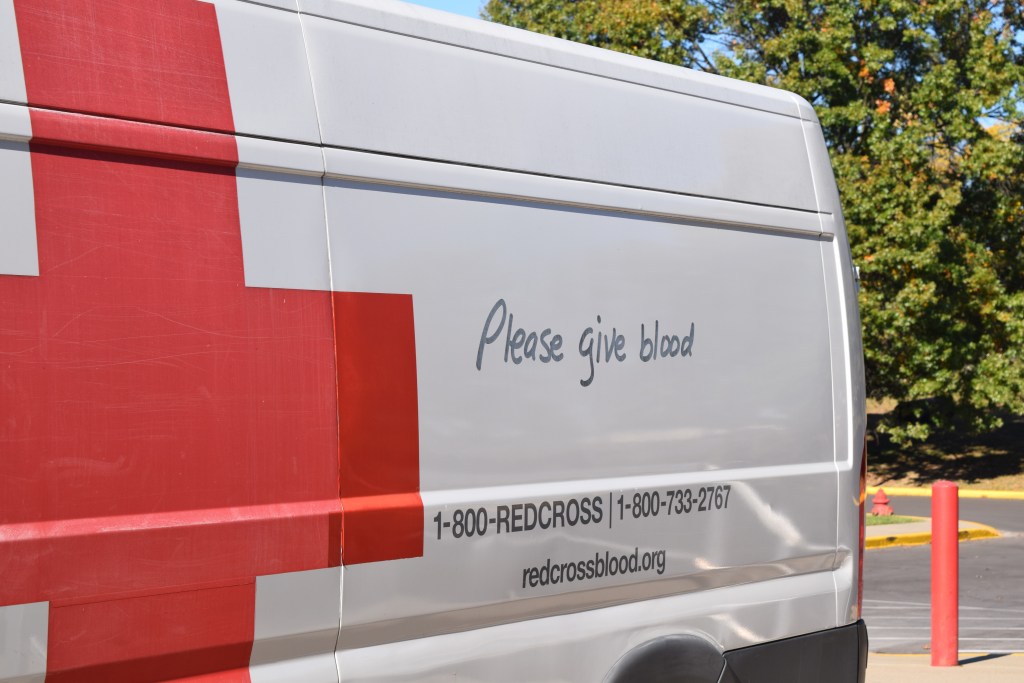
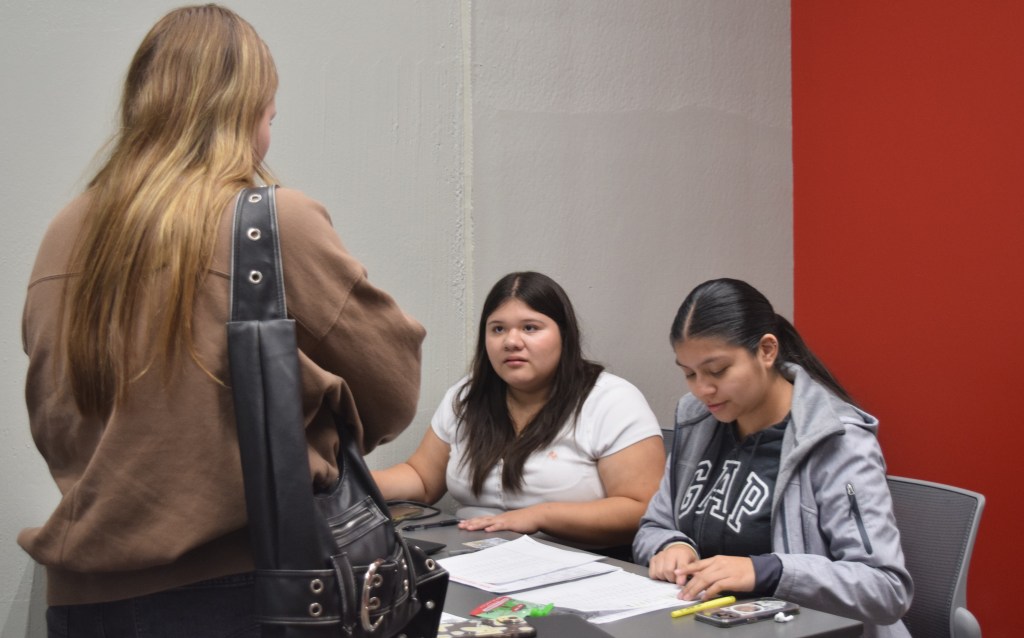
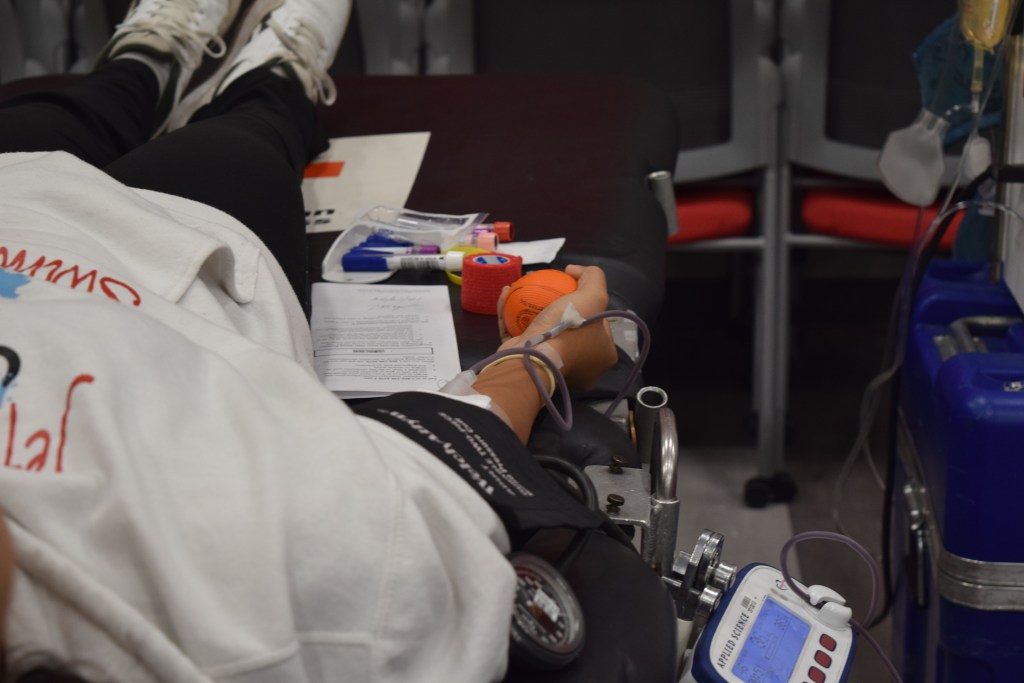
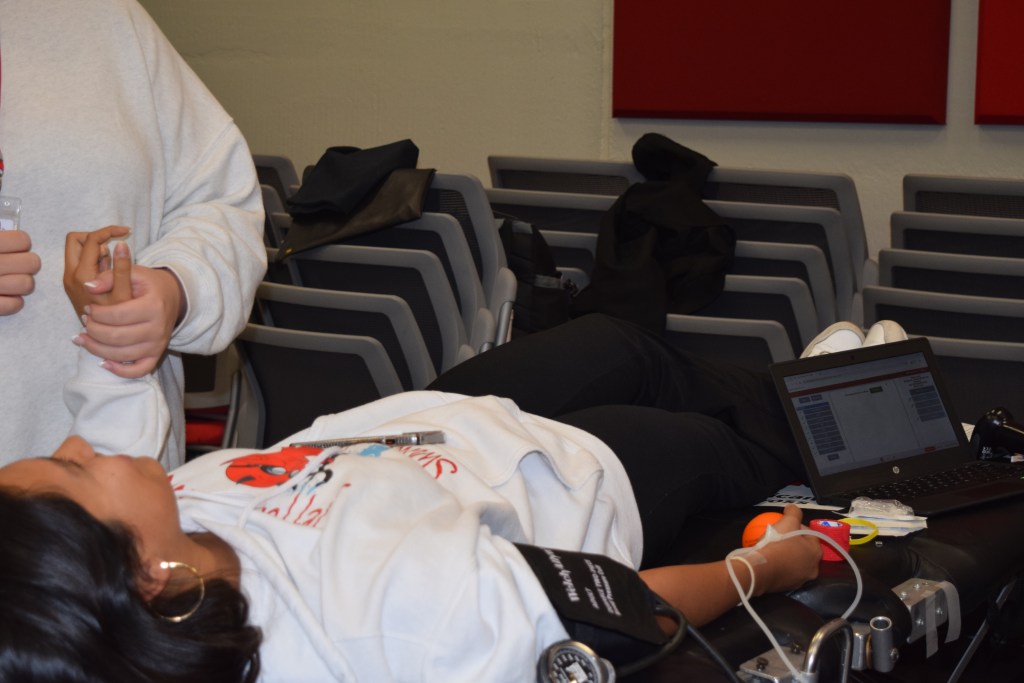
Their main focus so far has been this week’s Red Cross Blood Drive, but Doogarsingh described plans to get NHS at local middle schools and even elementary school students involved in their work. “We can definitely get involved with their schools and help with fall festivals,” she said.
When it comes to volunteer work, Doogarsingh has plenty of experience beyond NHS.
“I go to the animal shelter, I walk dogs,” she said. She helps out just about everywhere. Overall, Doogarsingh takes on about 50 hours of volunteer work, including the 10 hours required for NHS.
“I wouldn’t be doing all the clubs I’m in if I wasn’t comfortable,” she added, further solidifying how easy the work in the community feels for her.
Spending so many hours with work can be intimidating, and sometimes not even feasible for students’ schedules.
“You’re just donating items, you aren’t donating time,” said Doogarsingh, emphasizing that students who are just dipping their toes into the water of volunteering should start with philanthropic endeavors.
Anyone can contribute to clothing drives and canned food drives. Ivy Tech has a career clothing closet, which provides clothing for job searching and interviews. In Sellersburg, students can donate to the Sellersburg Community Food Pantry and Clothes Closet.
Students can also donate money and their time to the Community Kitchen.
The Community Kitchen is located at 1611 Spring Street in Jeffersonville. However, the board president of the community kitchen, Stan Moore, has said that students don’t come by often.
“The hours are rough,” said Moore. The kitchen is only open 9 a.m. to 1 a.m., making it hard to get students involved on days other than Sundays.
“The kitchen started in 1987 – we had four people eat that day,” said Moore, emphasizing how important the kitchen has become, and how much it has grown. Volunteers can be on kitchen duty, dish duty, serving duty, and plenty more.
But Moore finds the most fulfilling work is when they have an abundance of volunteers.
“When we have an abundance of volunteers, we get to tell patrons to ‘sit down, we’ll get your food for you’,” he said, highlighting how some people may not get the sit-down restaurant experience that others do, and that it’s important to give them that experience.
They’ve had plenty of volunteers who contribute on a more monetary scale as well.
“People give us money, and we never lose focus on what that money was intended to do,” Moore said. “We don’t do luxuries, we don’t do fun, we serve people.”
At the end of the day, there is always work to be done for the community. Engineering academy counselor Whitney Roberts has plenty of resources for students.
One resource is the website Metro United Way. On the website students can find a masterlist of local opportunities such as making birthday bags for kids, and much more.
However, Roberts warns that some students take on too much.
“I do often get concerned about students like that, how they balance their work life,” said Roberts. While all of the volunteer work looks good on a transcript, it’s important to balance accordingly, she said.
And, a balance that includes helping others benefits students donating their time, too.
“Colleges want to see students who give back to their community,” said Doogarsingh.
Q&A with City Council At-Large Member Evan Stoner
The biggest part of being involved in the community is not just about volunteering, or college applications. While those are still important, Jeff city at-large council member Evan Stoner believes it’s important to make your voice heard.
“In school I was always drawn to activities that involved representing other voices,” said Stoner, talking about his time at River Valley Middle School and JHS.
In school, he noticed there was a lot of bullying, a lot of fighting. “I wanted to start a program called Victory Over Violence that pulled students together from across the school to talk about ways to de-escalate situations and use dialogue instead of violence.”
After that, he explored other ways to get involved, and even got in touch with mayor Mike Moore to try and change things inside the school during his time there.
“I’ve always wanted to make change, I’ve always been drawn to leadership positions,” he said.
His focus for a long time after school was the Southern Indiana Pride Festival. “I wanted to make sure everyone knew they had a home here – it was all about treating people like people.
“I was very focused on a single issue for a long time, and that was bullying,” said Stoner, beginning to talk about his plans going forward. “As I got older I realized I wanted to be a voice for more than just one issue,” he said.
In 2020, Stoner was appointed to the Parks Authority Board. “I really enjoyed that role because I got to focus on our quality of life issues. I got to focus on being a champion for our parks because our parks are tied directly to our quality of life, and I want everyone in Jeffersonville to have a positive quality of life.”
What was most important to Stoner about improving our quality of life through the parks was making sure they were accessible to everyone, the disabled community and senior citizen community especially.
Stoner also made sure that our parks were full of activities, such as Jamming in Jeff, Easter egg hunts, and even building new parks.
As Stoner started running for office, his plans were mainly focused on quality of life, smart spending of tax dollars, and working for the community.
“Just recently, I got an ordinance passed to allocate 30 thousand dollars for the Jeffersonville Township Library, so we’re getting different computers and smart boards so anybody can come in and access those resources.”
Stoner said young people can be a part of serving the Jeffersonville community.
“I think we have to be responsive to their concerns. We have to encourage them that they have a voice.”
Some students may feel disenfranchised, they may feel like they cannot start any projects or have a voice in their community because they’re young, or their financial situation isn’t great, or they don’t have the best grades. But Stoner said students shouldn’t let that stop them.
“I have always believed, and still believe, in the power of the youth,” he said, emphasizing that youth can go a long way in their community.
Even when Stoner started the Southern Indiana Pride Festival, he didn’t have anyone telling him where to go. He just sent emails and got started, on his own. Everyone has the ability to do that.
“We have the power and the voices right now to make a change.”
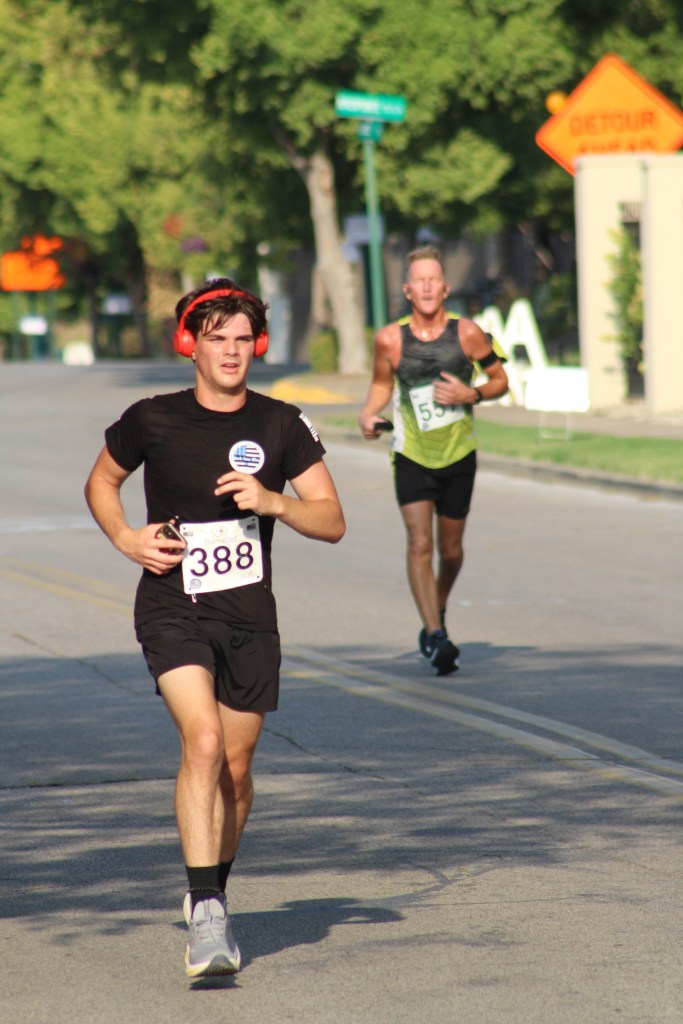
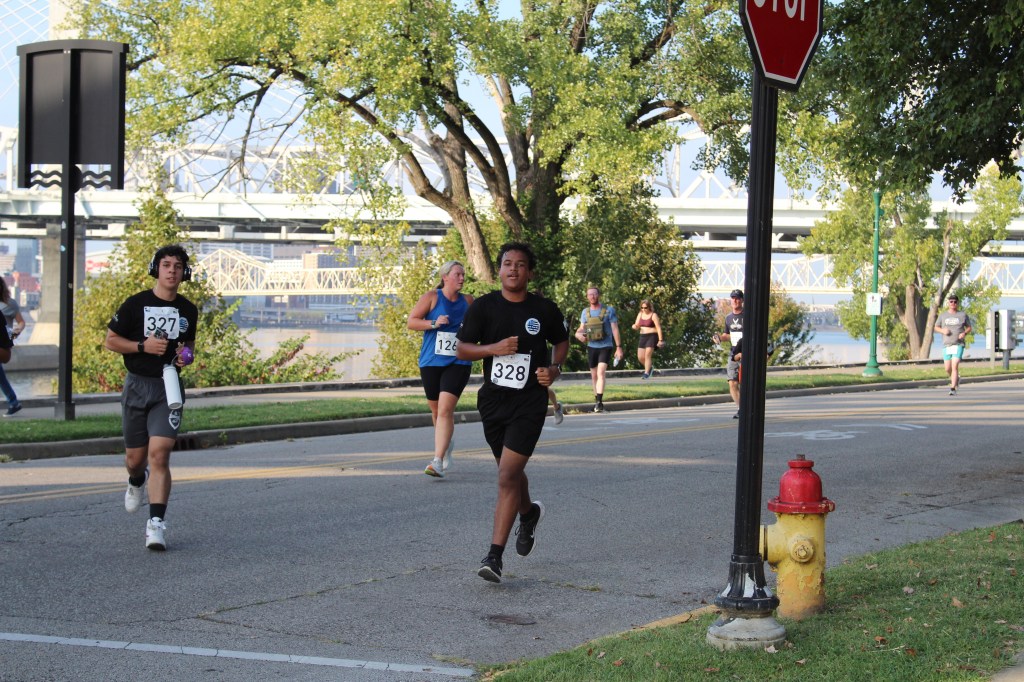
All photos by Kirk Owen.

Graphic by Kaedyn Bowers.


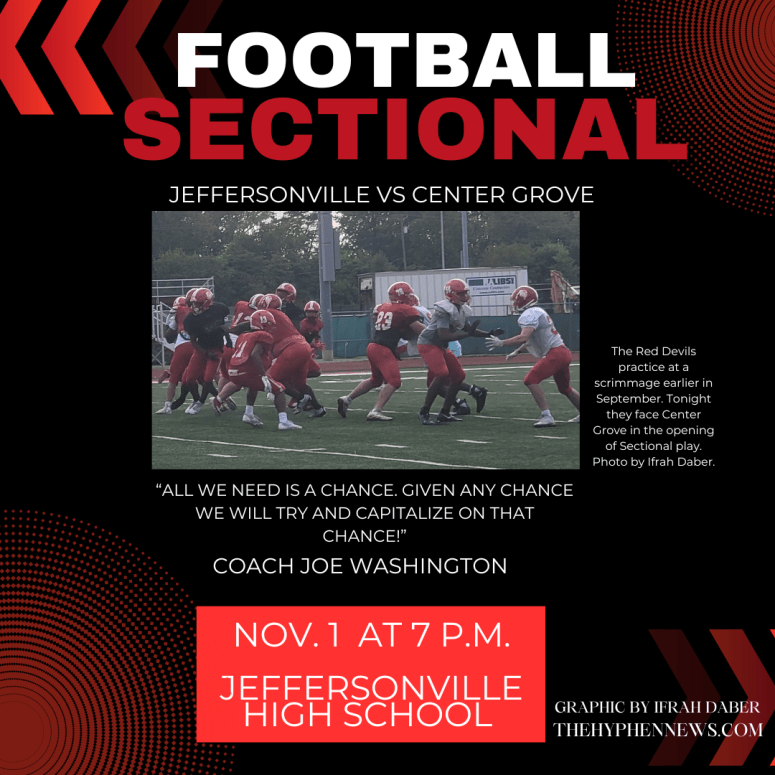
 thehyphennews.com