All photos by Magdalene Conrad, Malachi Conrad, Parker McCloskey.















All photos by Magdalene Conrad, Malachi Conrad, Parker McCloskey.
by William Hudgins
Construction teacher Gary Solomon stands up, enjoying his day by teaching his students how to build something in the bay. Making sure that he helps them individually and giving them advice on how to make their builds better.
Solomon’s construction class teaches students a lot more than how the tools work. “I try to find out what their strengths and their weaknesses are and what they know and what they think they know. And then try to build from there.”
Even as he introduced tools into his classroom, he does it slowly and efficiently.

“We are starting off with hand tools, and not using power tools to start off with; you will see how much work goes into it and you will appreciate the power tools when you get them and then you will be able to see how your mind will let you build and how far your talent level will go why I do the things I do.”
For Solomon, who’s beginning his sixth year of teaching after the military, teaching construction is all about getting students to problem solve.
“Teachers always said when I see that light bulb on the student for me it’s not the light bulb, it’s almost like the ‘aha’ version, like ‘aha’ moment where now I get why this tool does this, why I need to use this tool, why we need to do it this way, and now I can see that I can do something besides working at fast food.”
Solomon really cares for his students. He makes sure that his students learn the best way possible and that they can use something from that class to use in their real life.
Torin Clapp, administrative assistant to principal Pamela Hall, said, “I have heard him talk about worrying about students and their daily life, their future. He just wants the best for them. He wants them to learn as much as they can from him. He thinks all the time about projects and things he can start on that will benefit all of his students, in the future and things that they won’t forget and will remember the thing that he taught them.”
Solomon’s wife, Laura, who teaches business, said that he cares about his students.
“He knows that if a student is sitting in his room or in the bay and they are not their normal self. That there is something going on in their world, whether it’s problems with a significant other or problems at home, and he pulls them aside, has a conversation and talks with them.”
According to Mrs.Solomon, his dedication pushes him to help students outside of the classroom.
“He went to the kids’ houses and helped them repair plumbing problems that they have at their house. He’s gone and taking our son and helping kids repair their heating because during the winter time they didn’t have any heat at their house. He cares about his kids as a person and tries to help them, when he has the ability to help them.”
Solomon used his skills to help his students, while teaching them about the importance of the trades.
“Because the trades will always be there, you are always going to need the lights on, always going to need the toilets to flush, your car to be worked on, you’re always going to need that. We can do IT all day long and make AI do it all, (but) you need to be able to provide people the resources, the basic resources, electricity, water, heat, air, things like that. With that job you will be able to provide for others, help others and help yourself at the same time.”
If there’s anything you should know about Solomon, it’s this:
“I love my family, I love my country, and love what I do here at Jeff High, and there is no school I want to be at besides this school.”
by Austin Bainbridge
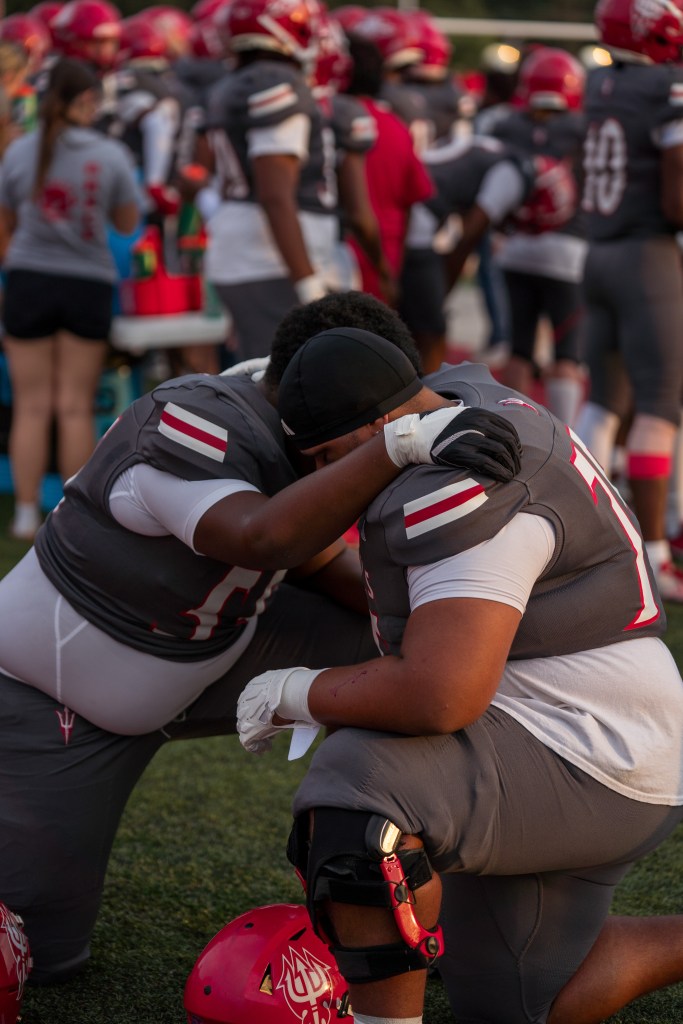
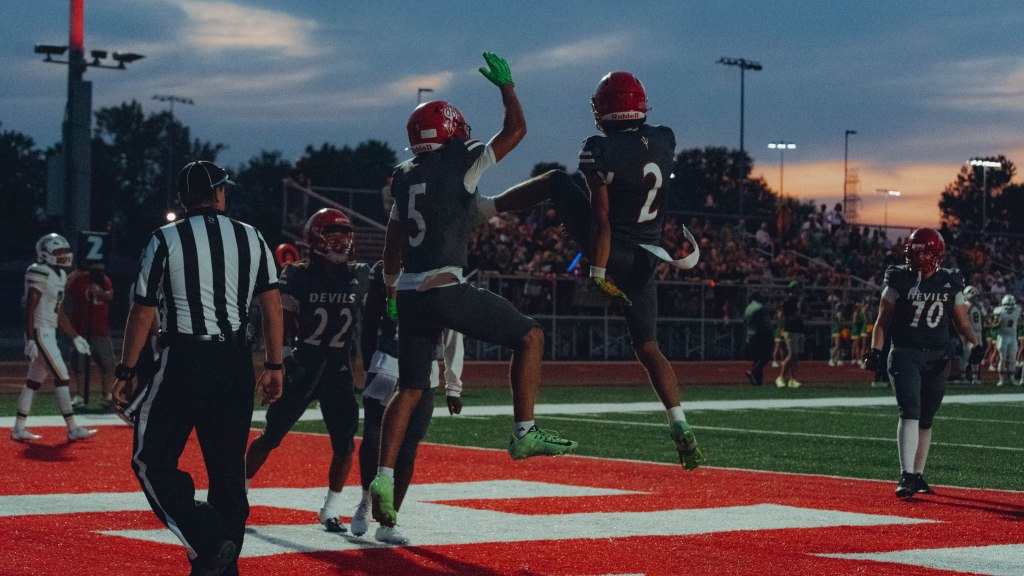
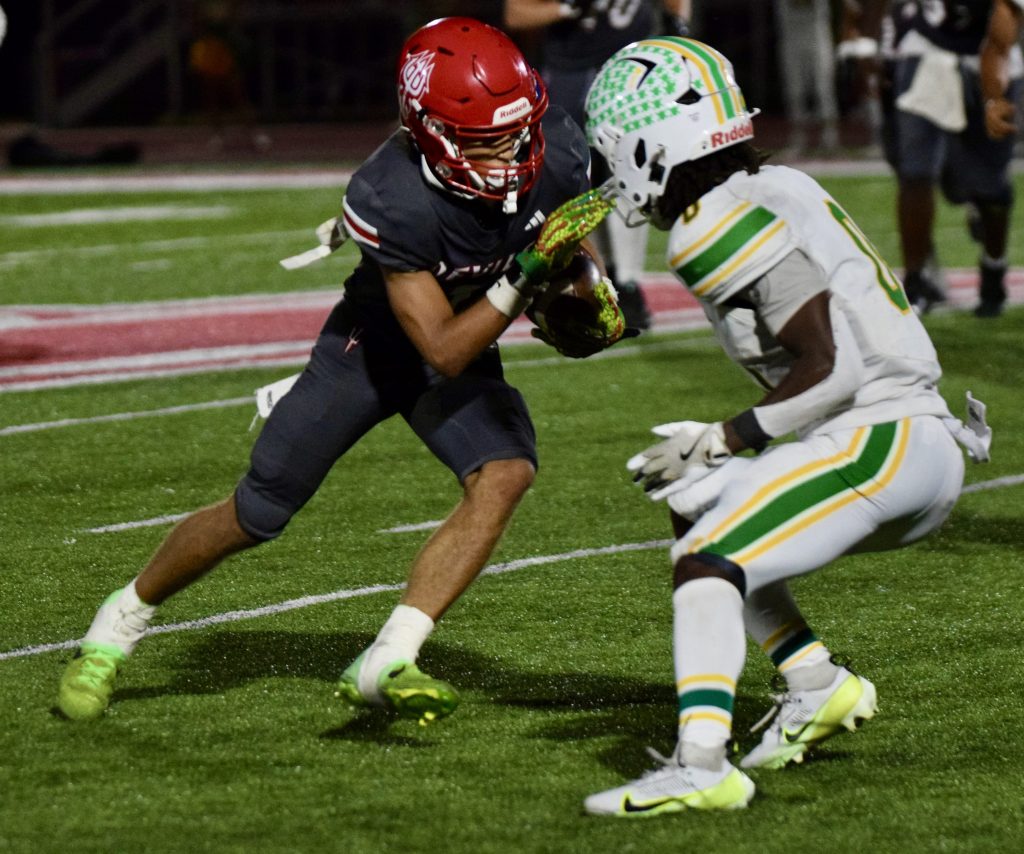
It’s a rivalry week for Jeff football, matching up against a Floyd Central team that has had great success against them in the past, and Jeff is trying to turn the corner on tonight’s game.

“It’s a mental thing for the players, when a team just beats you down year after year you just expect it to keep happening, so I’m hoping we can get this done,” said head coach Joe Washington.
The coaches know this game starts with them, and they want to show the players a way to win.
“This game starts with me. If I’m fiery and excited about the game, I think the players are going to feed off my energy. So I hope me showing how much I care will make the players really want to dominate Floyd,” Washington said.
Even though Jeff hasn’t beat Floyd in 11 years, the players remain confident in their skills.
“I think they’re scared of coming here and losing. When you’re scared of doing something, you come up with excuses to get out of it,” said fullback Jaxx Long.
The Jeffersonville defense made several stands against Kokomo last week, along with a dramatically improved performance at Bedford-North Lawrence.
“Our linebacker play was really good against Kokomo. Malachi Monts had 13 tackles, and KT (senior Kurion Thompson) had nine and an interception. I think that’s what helped with the win,” said Washington
The defense is going to have to step up to stop Floyd’s potent rushing attack, which went for 425 yards last game.
“They played Silver. I mean, it’s not too hard to rush for 400 against Silver Creek. We put in a new defense, we’re going a five-man front this week to try to slow down their running game,” said Washington.
It’s Senior Night tonight, and that is just more motivation for the players.
“I want to play hard and win to give these seniors a good memory before they go off to college,” said Long.
The coaching staff sees where a win could take Jeff, and they want to make it there
“A win against Floyd would start a fire and start this program down a path we want to go,” said Washington




All photos by Magdalene Conrad.

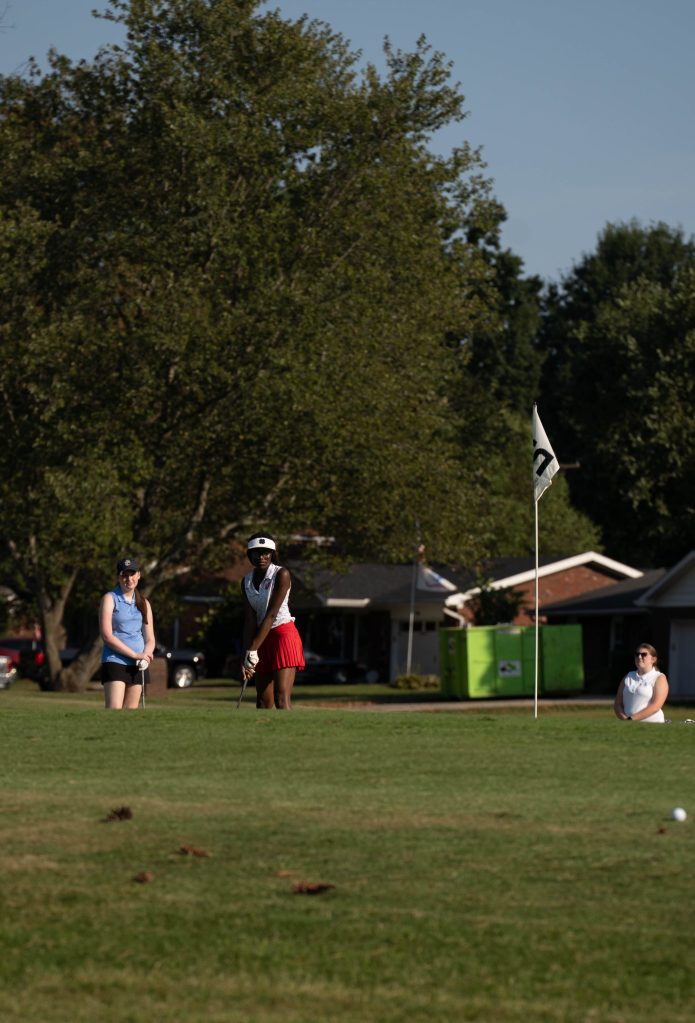


by Gabriella Kraft
“The opportunity to show you guys healthcare isn’t this tiny bubble,” biomedical sciences teacher Charles “Brian” Patton said as he explained what got him into biomedical science.
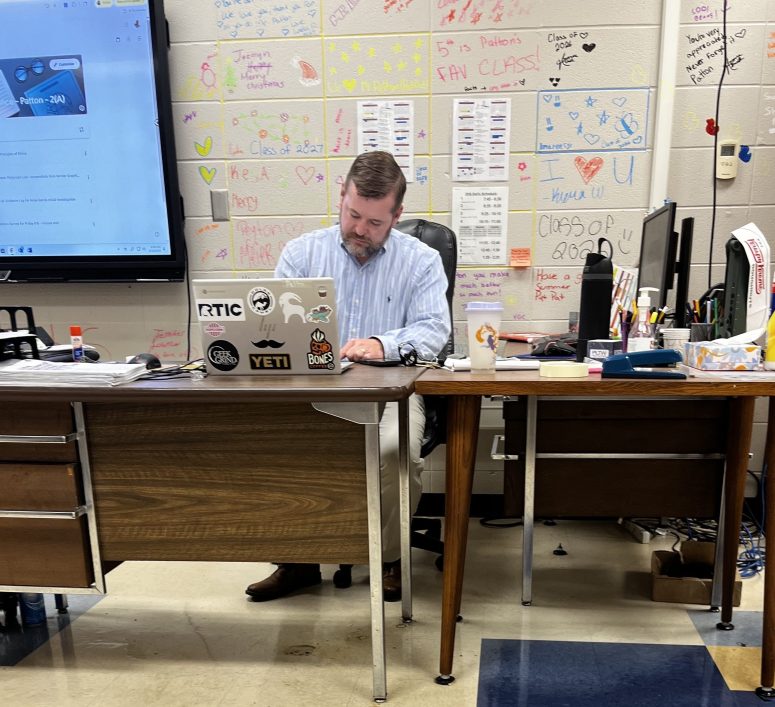
Someone who attends JHS might never come across Patton, but those who do have nothing but good things to say about him and his teaching.
“He has a very friendly, open relationship with his students,” said sophomore Jaylianah Burris.
This is only his second year teaching, and he’s already made an impact on students’ lives. “This is my first teaching job; I worked in corporate healthcare for 16-17 years before this,” said Patton.
Many students describe Patton as a chill, laid-back teacher who cares, but can be serious when he needs to.
“He lets us know he’s there,” said sophomore Jessalyn Stolte.
Students also talk about how he makes sure they understand everything without having to ask further questions.
Stolte said, “He’s a great teacher; he explains everything perfectly.”
Besides explaining everything perfectly, Patton sees a purpose in everything he does.
“Everything happens for a reason; something brought me to the position I am at now, and the position before this. I encourage you to learn everything you can, but I think you get what you put into this class.”
He makes sure to give his all, even on his bad days.
“I think I have my days, because there are days when I could see the impact I could have, but then I doubt myself,” he said.
Despite the obvious doubts he has about himself, he ensures that all his students are comfortable.
“He treats us like our age, and he doesn’t coddle us. He makes sure not to treat us like children,” said Burris.
Patton is a very caring teacher who does what needs to be done for his students and their education.
“I treat my students like my own kids. Respect goes both ways — you respect me, I respect you,” said Patton.
Regardless of whether they are new or old, all his students matter to him.
All photos by Magdalene Conrad and Malachi Conrad.

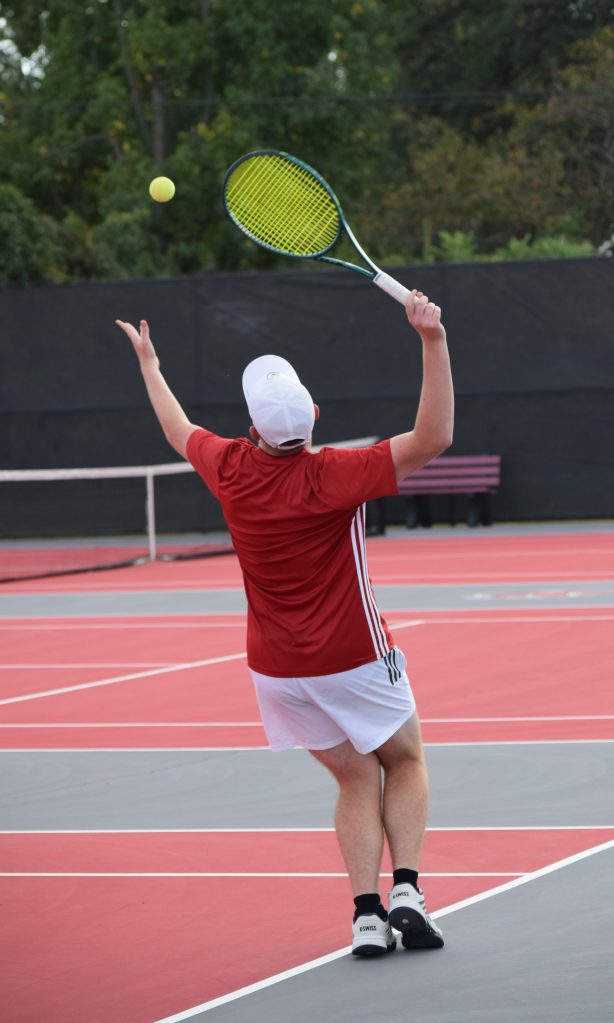
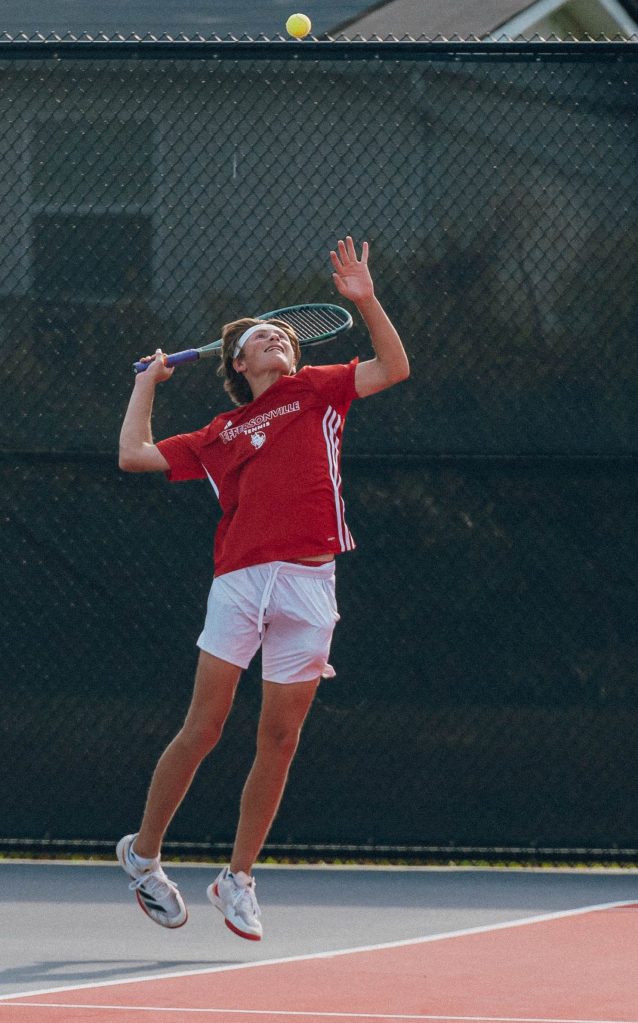



by Kori Washington
Counselor Andrea Schedler’s love for educating others started from a very young age.
“I can vividly remember just playing school and baby dolls. And then in third grade I remember somebody asking me well what do you want to be when you grow up and I was like ‘I want to be a teacher’,” said Schedler.

As you can see Schedler always knew she wanted to work with children and when she got older she started working at a daycare, which led her to major in elementary education and earn a minor in psychology. These are the experiences that have led her to where she is now.
Schedler’s day begins when she steps into her second-floor office to prepare for all her incoming freshman meetings. She starts off by preparing a folder for each student with all the information they’ll need for freshman year and to make sure they get to know her as well.
“One of my main goals as a counselor is to make sure every freshman know who I am because I hate when people say, ‘I didn’t even know who my high school counselor was’.”
For the past three years that Schedler has been a Jeff High counselor she has also been working on a new goal to increase resources for teens and their mental health, and this is important to her because she wants students to know that those resources are available to them and also so they can feel more comfortable at school.
It’s Schedler’s commitment to her students that makes her the best at what she does.
“Freshman year she just helped me get through it ´cause I was fresh to high school coming from middle school, so it was a big change but she helped me out,” said sophomore Carter Durbin.
Junior Cash Waters agreed. “During freshman year she really helped me get comfortable with this school and get to know everybody.”
When Schedler welcomes her freshmen she likes to offer them advice for the school year.
“Get involved in something, whether it’s a sport, club or other upcoming school activities so that you can have a group of friends and people that you can trust. And always have a trusted adult.”
by Dana Romero
As you walk into her fully decorated classroom, you get hit with music, and get greeted with a pumped and exhilarated “BUENOS DIAS” from Heritage Spanish teacher Megan Cortes.
“I like to think that I am teaching them more about their heritage, their culture,” Cortes stated.

As a child, Cortes was introduced to the teaching world early on by her aunt.
She would often visit her aunt’s school and help grade papers, which became a fond memory of her aunt and later inspired her to become a teacher. While she did get lost in College, she found herself fixated on Spanish.
As she became more familiar with the language, she began to wonder if perhaps the corporate world was a better fit for her, or if she should continue pursuing a career in the language. She often thought about becoming a translator or even an immigration lawyer. She soon received an offer for an ESL tutor position, which inspired her to pursue a career in teaching.
Some hope their plans include vacations, new homes, and new cars. Not Cortes, she hopes to expand and develop this Spanish heritage program.
“I wish to continue to develop this program, to expand this program, to get more students to be able to get their literacy seals on their diplomas,” stated Cortes
For many, college is a brief chapter of life, but for Cortes, higher education has stretched across decades and become a defining part of her career. In her early college years, she admits she “played around a lot” and didn’t take her classes seriously. The result was a low GPA that closed doors when she first applied to a master’s program in education. But rather than giving up, she spent three years paying out of pocket for classes and reapplying until she was finally accepted.
“It’s not about what I believe. It’s about empowering them to find their truth, understand the issues, and take action if they want to make a difference.”
Heritage Spanish Teacher Megan Cortes
That determination became a theme in her professional journey. Though she began her career with a Spanish certification, she was placed in an ESL classroom, which required her to return once again for additional coursework. Later, when she took on dual credit teaching, she had to pursue even further education. Today, she holds two master’s degrees and multiple certifications, but the road has been long.
“I feel like I’ve been in college my entire adult life,” she said, reflecting on her 40s and the years of classes, exams, and late nights of study.
Her story highlights the reality for many educators, who often face additional requirements, certifications, and advanced degrees to remain in the classroom—obligations that go far beyond what’s expected in most corporate jobs. While the path has been challenging, her persistence serves as a reminder that passion for teaching is often built on resilience, sacrifice, and an unwavering commitment to students.
“I feel like she is very passionate, because every day, she strives and motivates us to do more and be capable of speaking our native language more frequently,” stated senior Fernando Leon.
Her passion is evident not only in the lessons she delivers but in the way she constantly pushes her students to go beyond their comfort zones. Each day, she motivates them to strengthen their voice, urging them to use their native language more often — not simply as a subject in school, but as a living part of their identity. In doing so, she’s not just teaching words; she’s cultivating pride, confidence, and a connection to heritage that might otherwise fade. Her dedication reflects a belief that language is more than communication — it’s culture, memory, and power.
“I feel like she lets us struggle a bit and, like, let us try to figure it out ourselves, where she likes to see if we’re struggling a bit too much, she comes and offers us a quick word of advice or some just some space. If she sees us straight up struggling, she helps us out with what we need,” stated Leon.
Her approach to teaching blends independence with timely support. Instead of immediately intervening, she allows students to wrestle with challenges, giving them the space to think critically and develop problem-solving skills. This method fosters resilience and encourages a deeper engagement with the material.
At the same time, she maintains a keen awareness of when to step in. When struggles risk turning into setbacks, she offers concise advice or targeted guidance to redirect progress. This careful balance between autonomy and assistance has earned her a reputation for creating a classroom environment that is both empowering and supportive.
“I genuinely believe she’s a great person. She’s there for her students even outside of school. Kids come up to her when they see her. She’s a teacher who gets along with her students easily,” stated junior Areli Hernandez.
As a person, not a teacher, her personality is as huge as her heart. She’s seen as an empathetic person who truly listens and understands others.
“Their emotional state, and I don’t, you know, I hate that. I hate to see my kids suffer,” stated Cortes.
Her students admire the way she makes everyone feel comfortable and supported, creating a welcoming environment where they feel valued and respected. Her positive energy and dedication leave a lasting impact, showing that she cares not only about teaching but also about shaping her students into better individuals.
“I honestly feel moved by her actions about her protesting. I appreciate her for speaking up for those who can’t. Teachers like her deserve recognition and support from others around her,” stated Hernandez.
Her passion extends far beyond the classroom. As an active member of the Southern Indiana Know Your Rights group, she devotes her time to educating the community about their legal protections, especially during a politically tense climate that has brought fear to many, particularly within the Hispanic community — a group she deeply cares for and fiercely protects.
“I think it’s important to inform people and let them know what their rights are,” she explained. “I want to make sure people are aware, educated, and doing everything they can to keep themselves safe,”
Her advocacy also shapes the way she interacts with her students. She encourages them to develop their voices, research their beliefs, and stand firm in what they are passionate about.
“It’s not about what I believe,” she emphasized. “It’s about empowering them to find their truth, understand the issues, and take action if they want to make a difference.”
All photos by Magdalene Conrad.


by Parker McCloskey
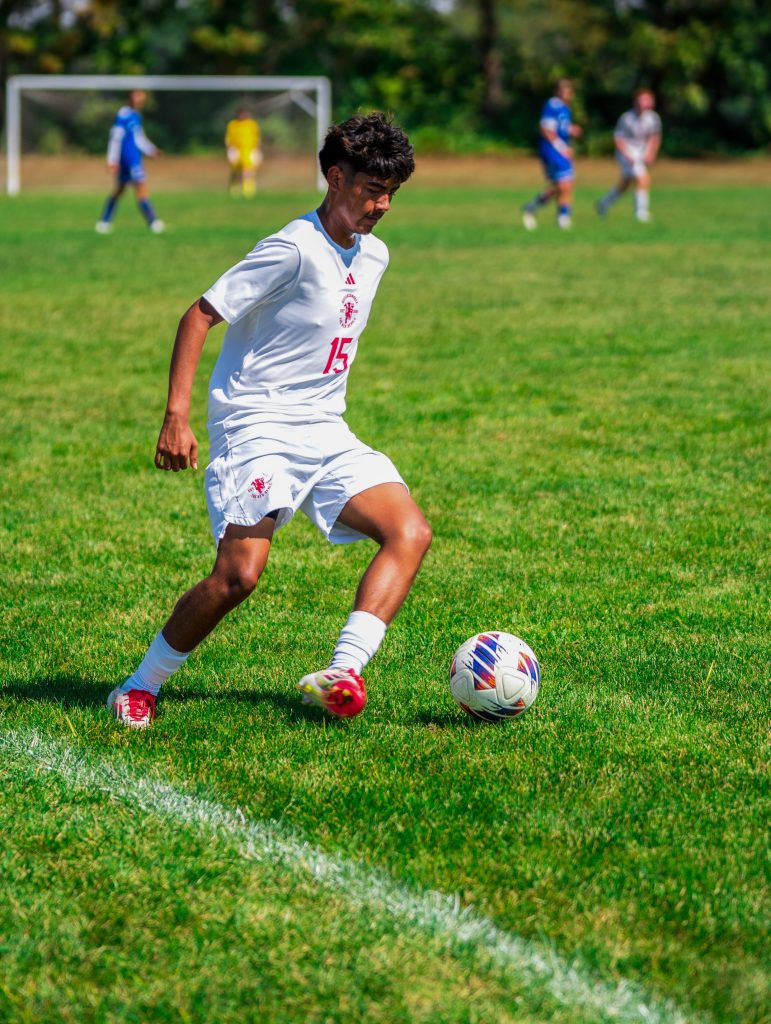
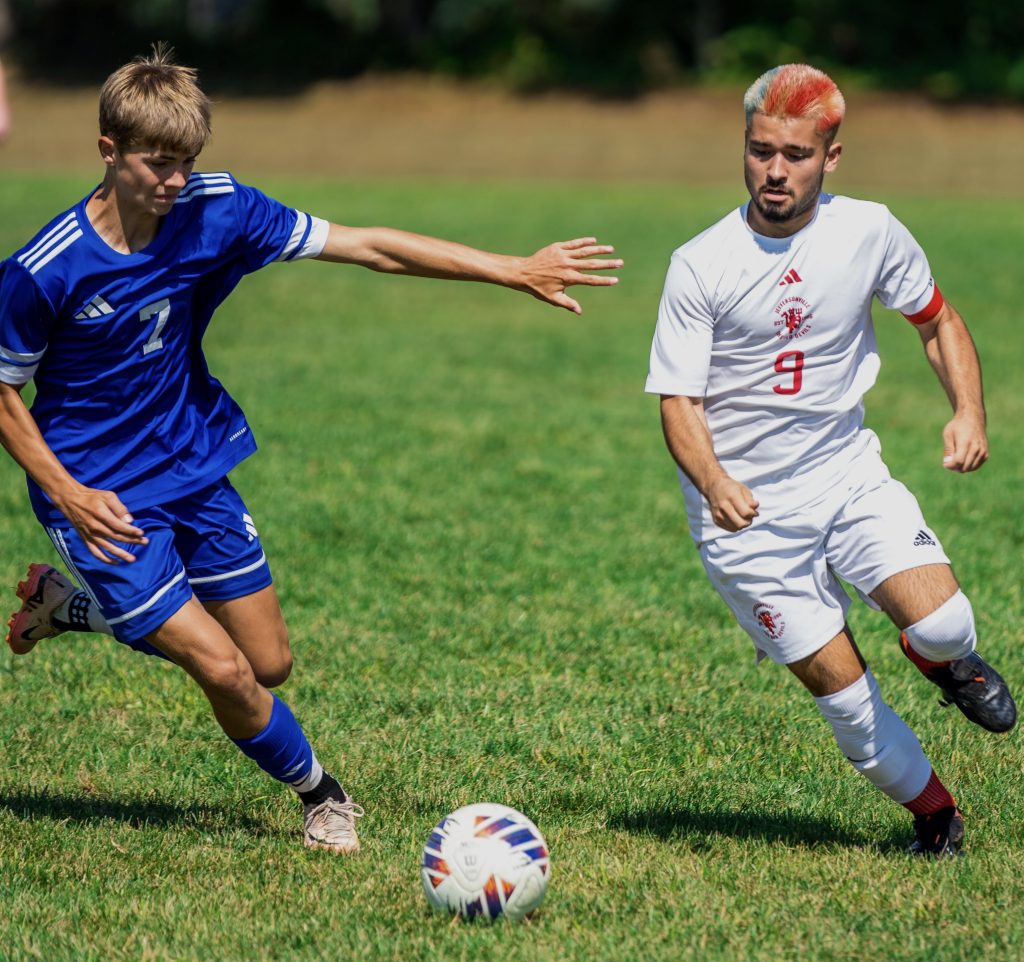
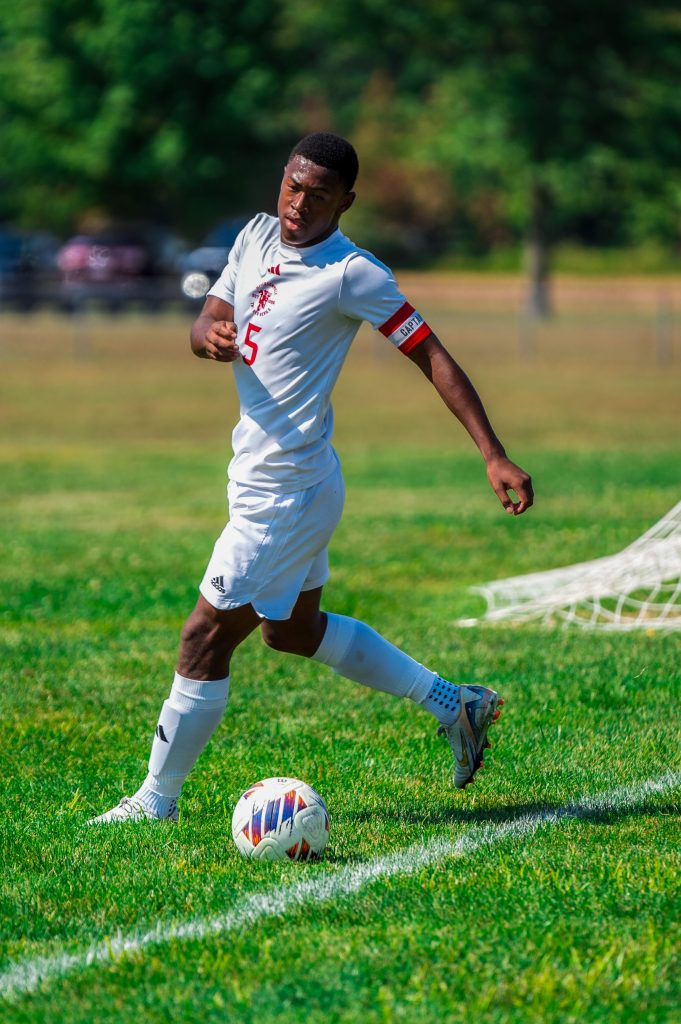
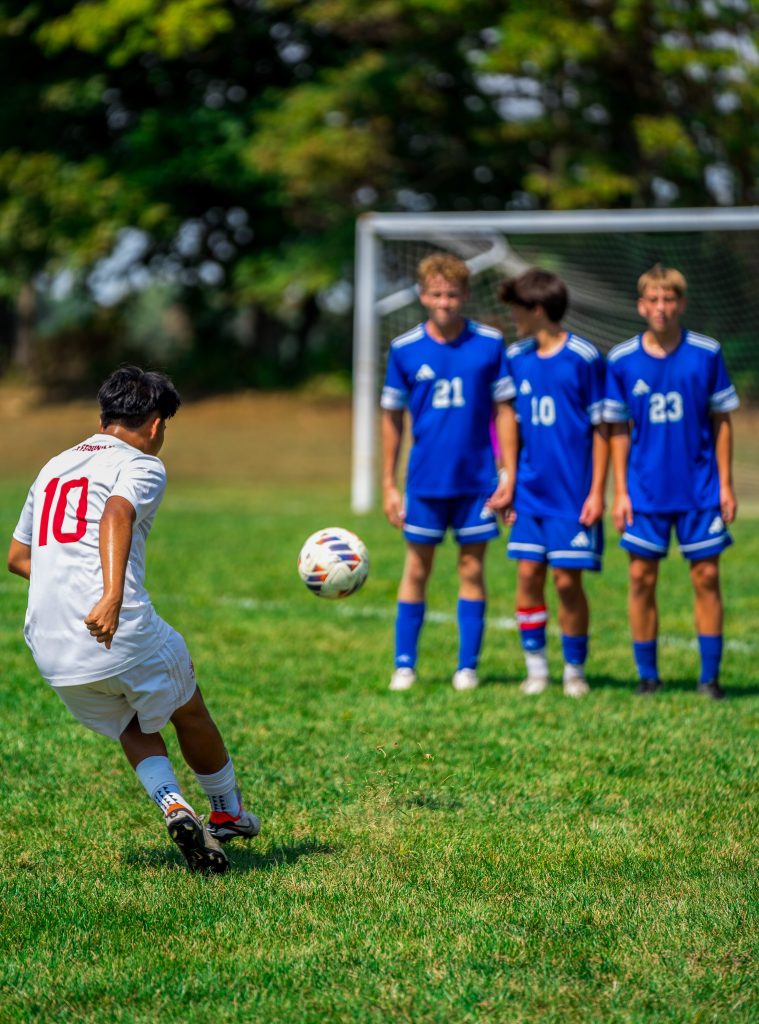
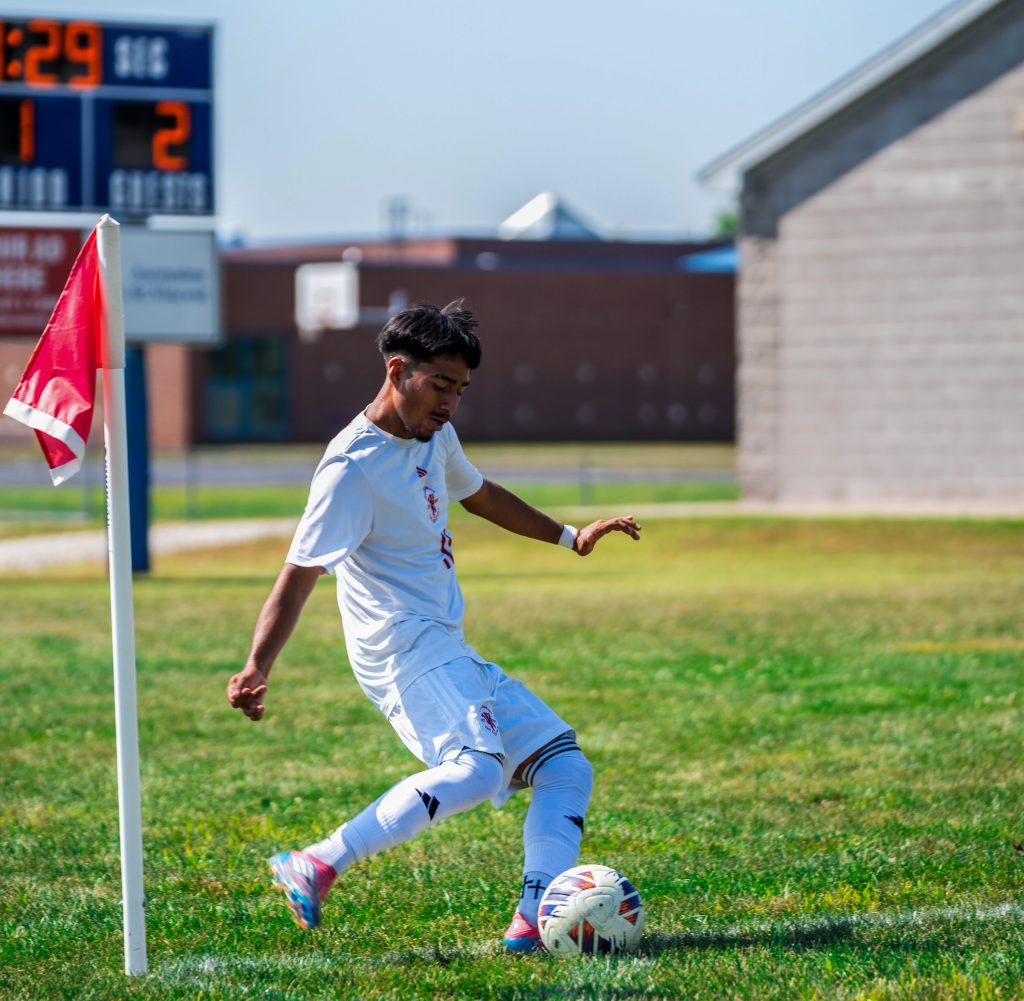
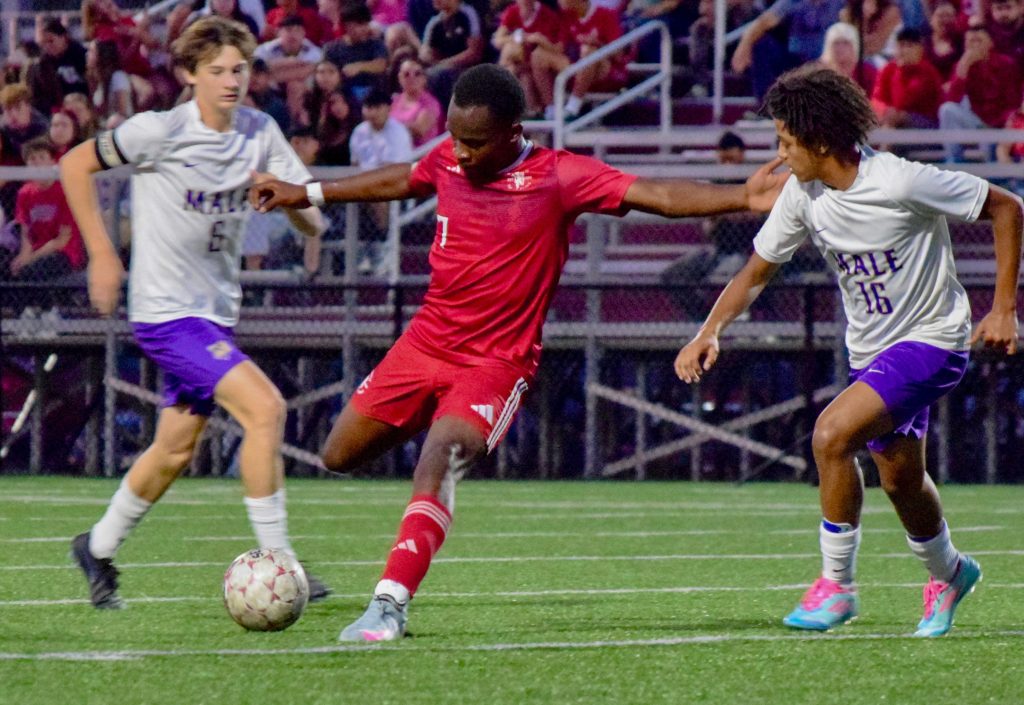
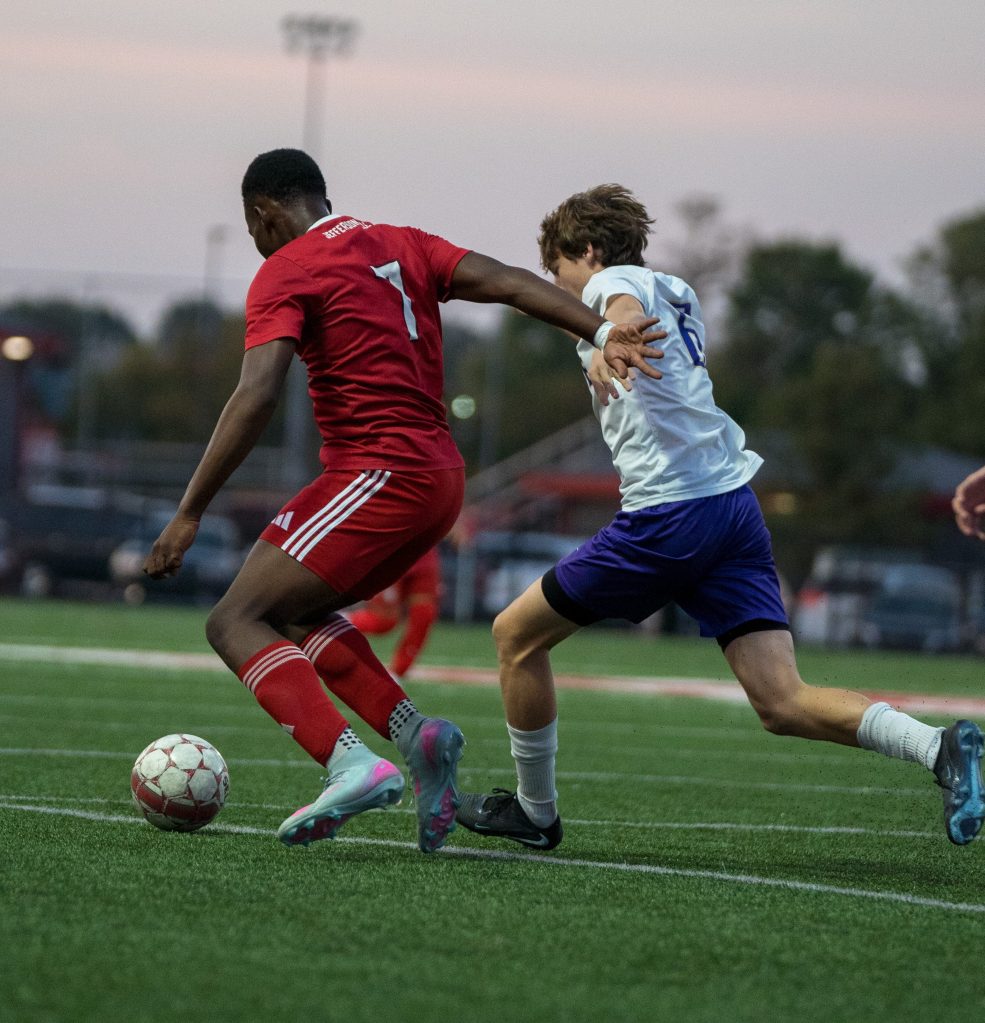
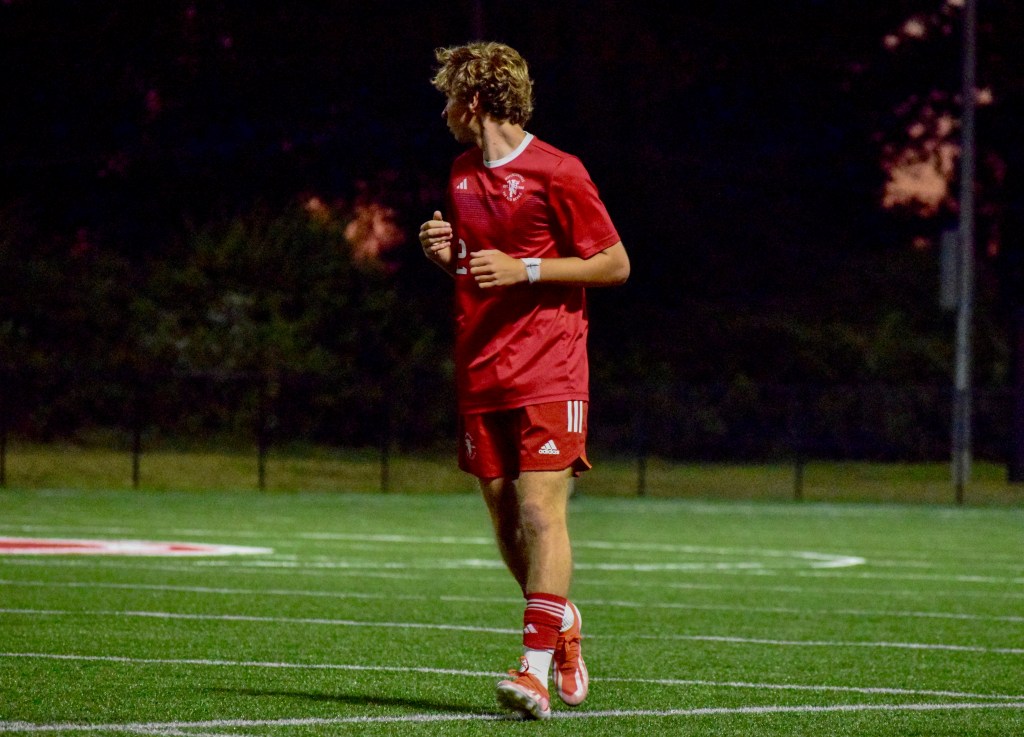
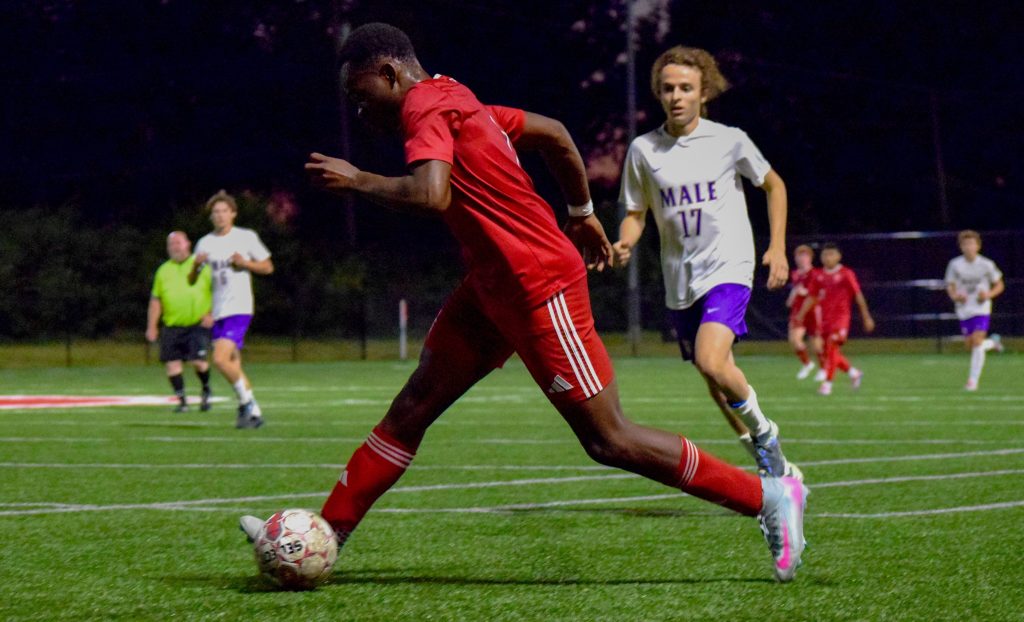
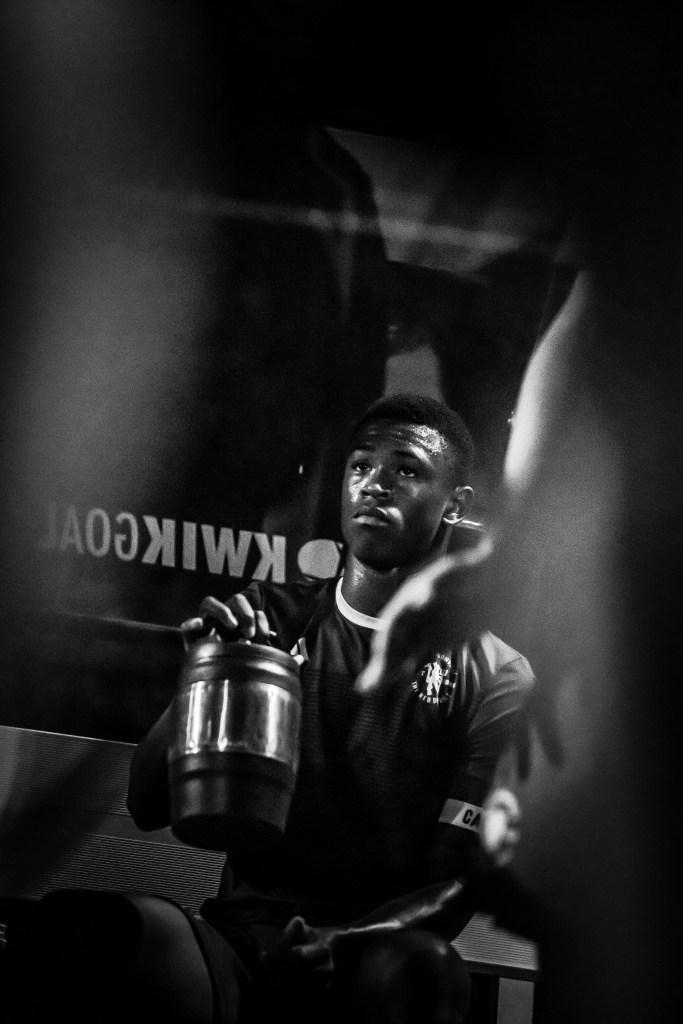
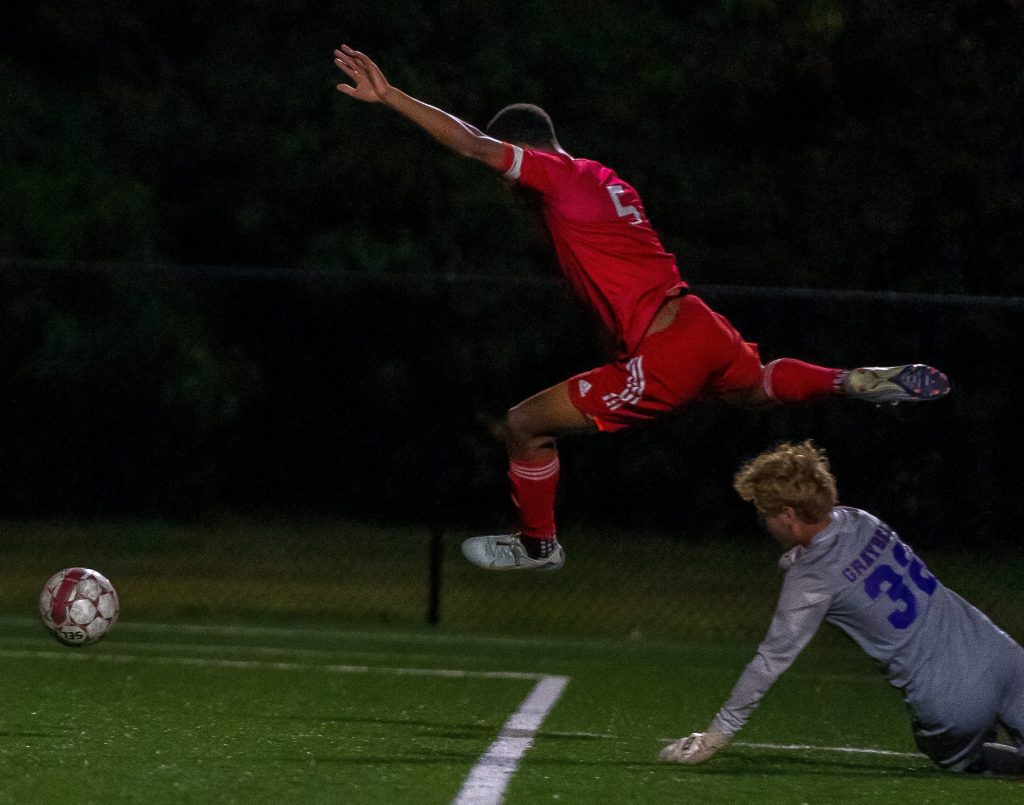
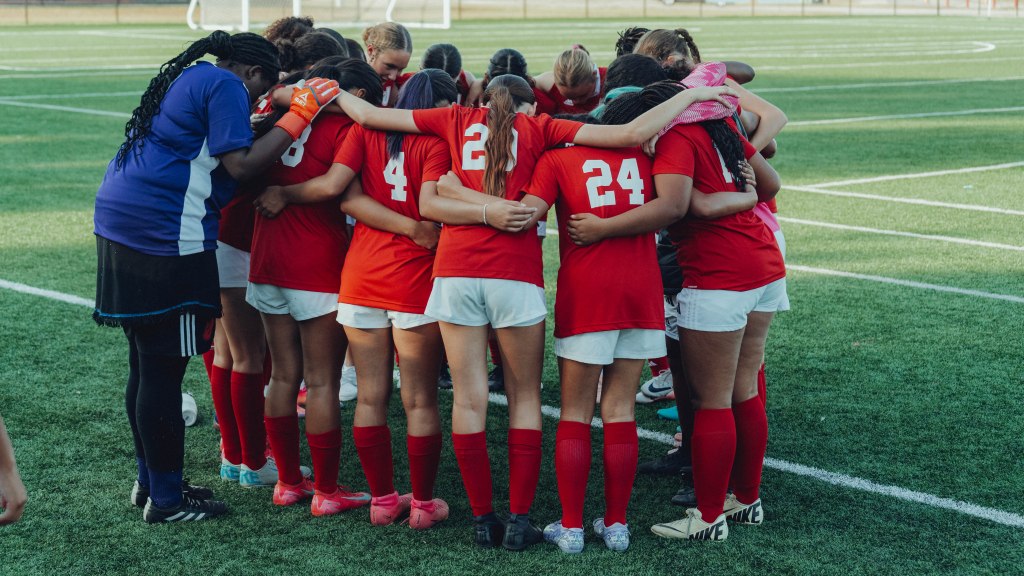
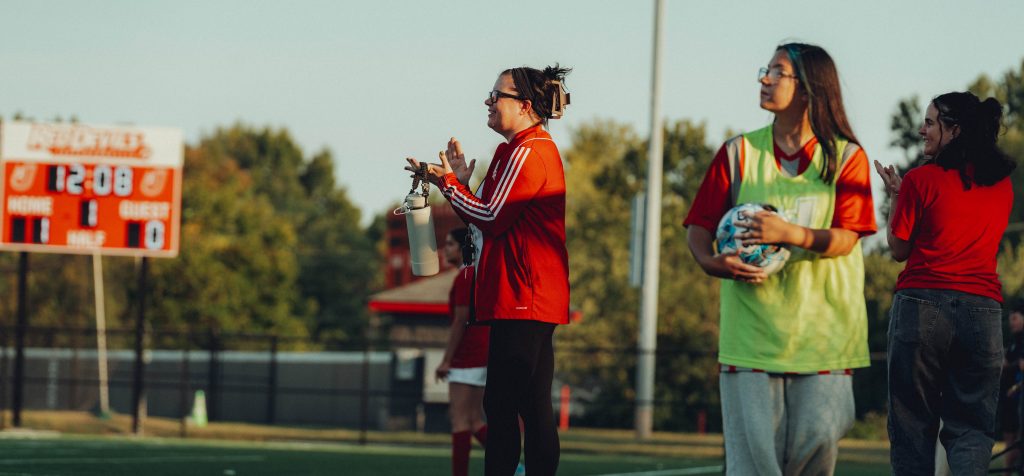
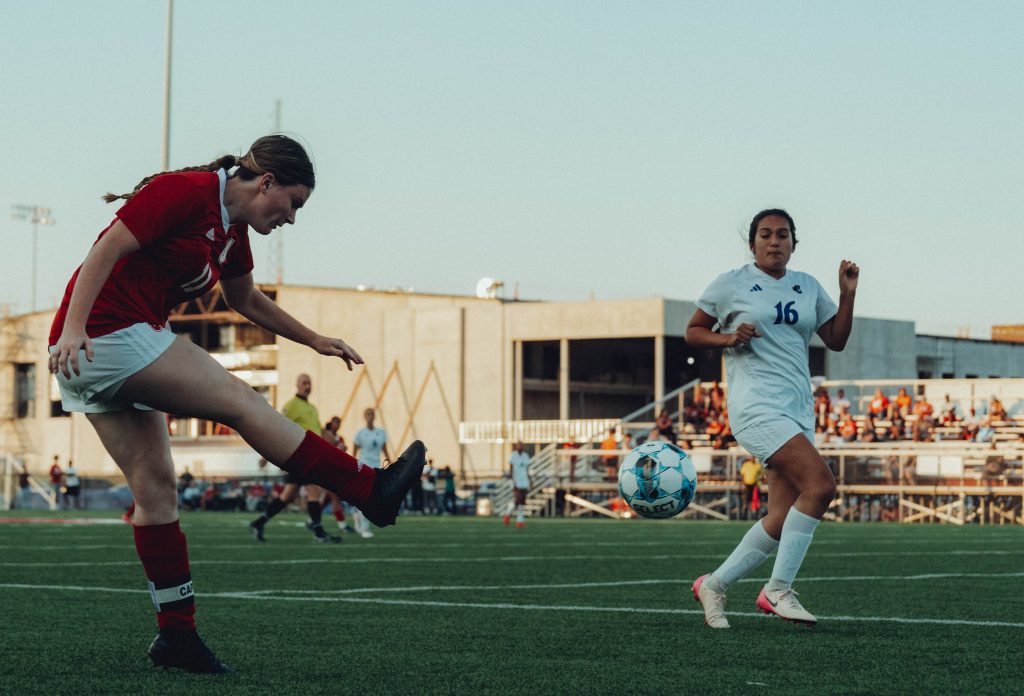
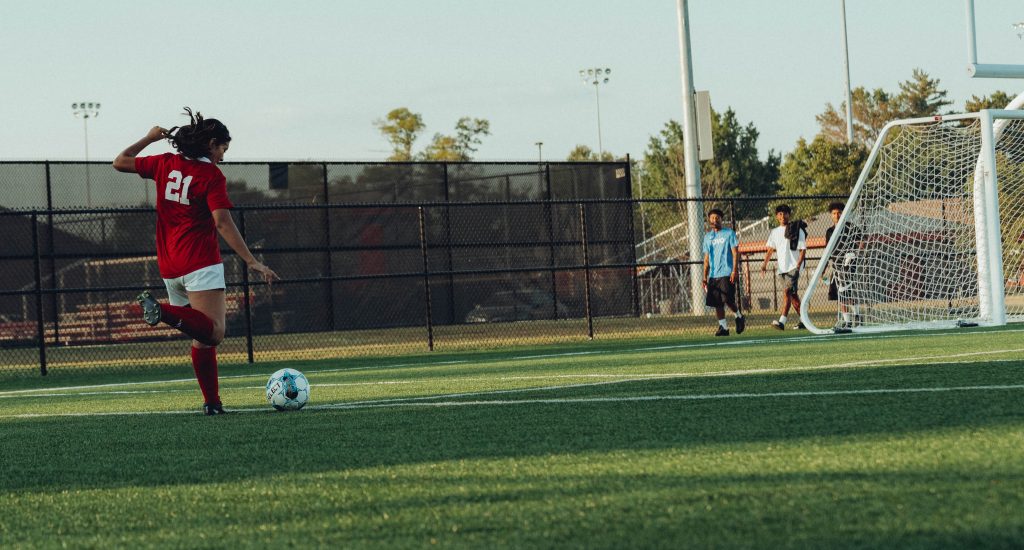
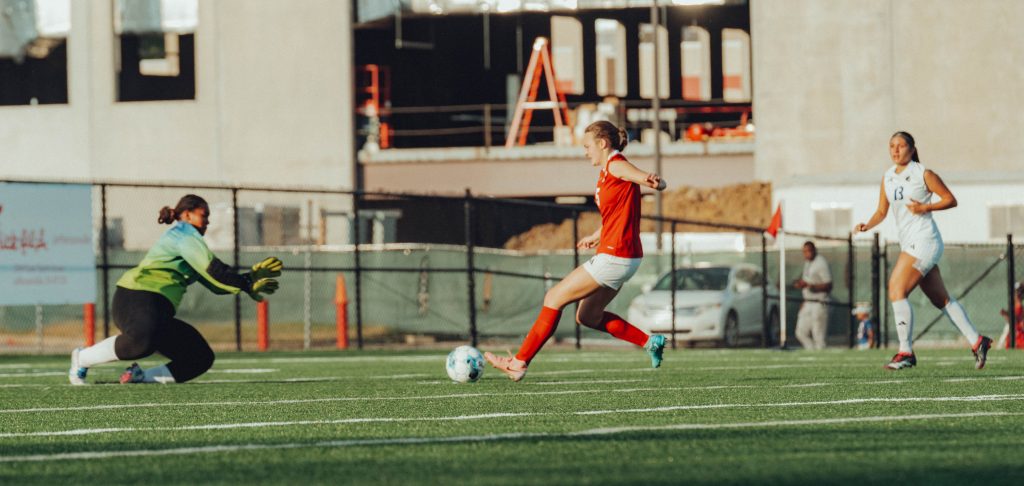
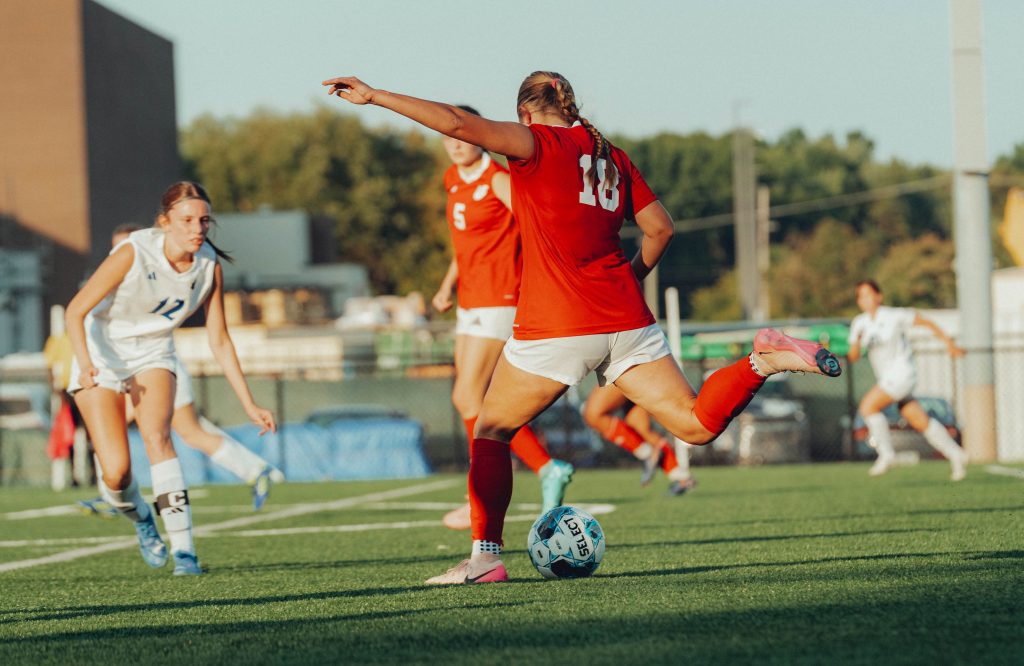
As they prepare to face Southern Indiana rival Bedford-North Lawrence this Saturday, the Jeffersonville Red Devils come off a 7-0 win against Jennings County last weekend, and a tough 3-2 loss against the Male High School Bulldogs on Tuesday night.
The first half of last night’s Male game resulted in no points scored on either team. The second half started out with a goal for Jeff, scored by junior Alan Soloranzo Lopez, then a second goal for Jeff scored by junior halfback Bryan Juarez De La Luz.
“I think the team could’ve been more active; during the second half we could’ve shown more energy and fighting spirit against Male,” said Juarez.
The team is optimistic about Saturday’s game against BNL.
“We’re going to have a good time. This team is different from other Jeff teams in the past; we’re going to learn from our mistakes and hopefully take home a victory against BNL, ” said Juarez.
Jeff still remains in second place in the Hoosier Hills Conference with a 3-1 HHC record and a 8-3-1 overall record. This Saturday the Devils travel to Bedford-North Lawrence to face off against the Stars.
All photos by Parker McCloskey and Malachi Conrad.