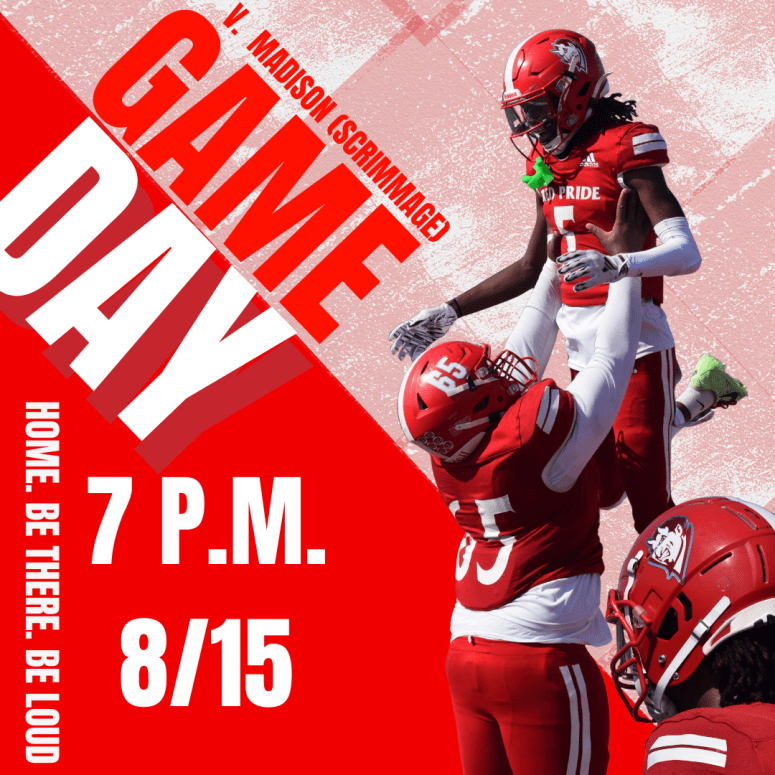
Update: Tonight’s scrimmage has been moved back to 8 p.m.
Update: Tonight’s scrimmage has been moved back to 8 p.m.
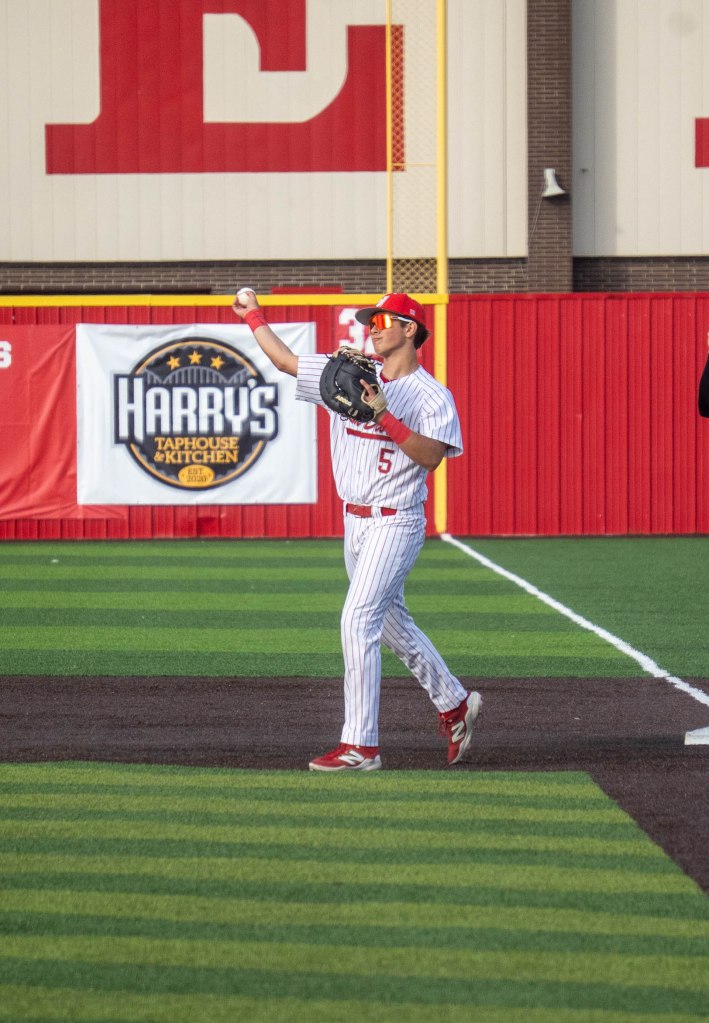
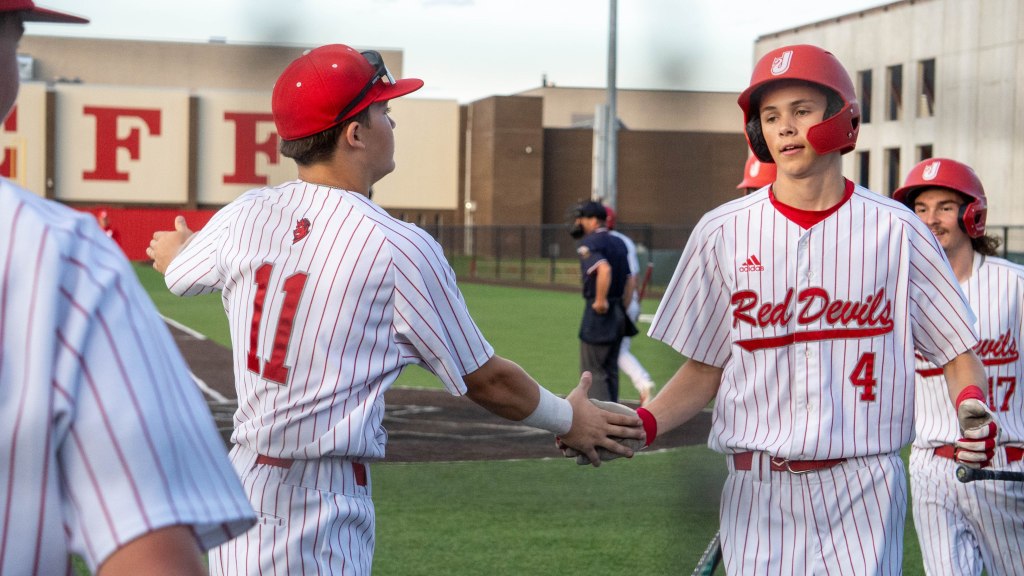
All photos by Liliana Castellanos.




by Tyler Johnson
In Philip K. Dick’s 1956 novelette “Minority Report” a group of psychics is used by the police department to predict future crimes.
In J.R.R. In Tolkien’s classic “Lord of The Rings” the palantir stone is the magical crystal ball which allows the user to spy on others from distances.
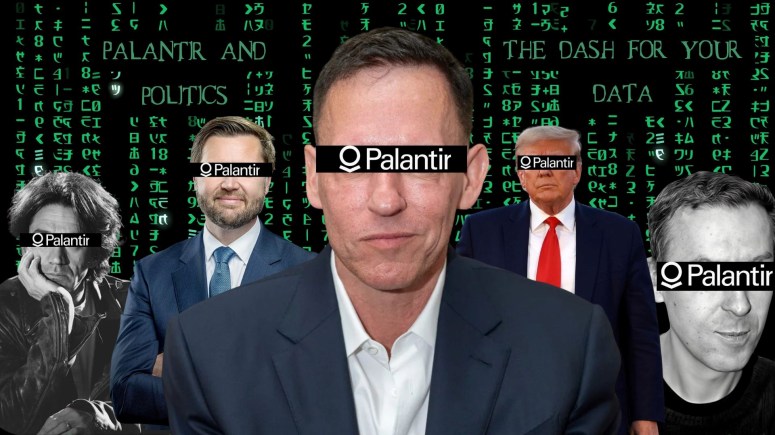
In our world Peter Thiel is the billionaire trying to bring these concepts from fiction to reality and it is anything but utopian.
Thiel founded the company “Palantir,” whose namesake is an on-the-nose reference to the fictional item. The function of the company is simple: Provide AI-powered software platforms to help organizations manage data sets.
But these organizations aren’t the local computer store, and these data sets aren’t just any type of information. They are providing the systems that governments use to predict citizen crimes. They are the authors of an ai used to automate drone strikes. The United States, Israel, the United Kingdom, France, Germany, India, Canada, and Spain all have government contracts with this company.
The entire shadow of our internet presence is to be collected and used against us. You may call it a surveillance conspiracy; they will call it marketing; and this is the problem with unchecked corporations. The U.S. government on our half has surrendered the information of Americans to Palantir and in exchange for what? We must ask ourselves , exactly who is this benefiting?
To understand who this benefits we must understand Peter Thiel, the Infamous billionaire who’s claimed “Freedom and Democracy are not compatible” and who has a passing interest in blood transfusions for eternal life.
In a now viral interview with the CEO, he was asked the simple question: “Should humanity endure?” His answer to this was a vomit of stuttering and a plethora of pseudo-intellectual “Well, what do you mean by that” statements.
Should we trust someone who can’t answer this question simply? Especially with the entire nation’s information?
Current Vice President JD Vance thinks so. Vance had worked in Thiel’s venture capital firm and had 15 million dollars of his Senate campaign funded by Thiel. So whose interests does Vance really have at heart? Well, if we take the so-called “Philosopher behind JD Vance” Curtis Yarvin’s word for it, his interests lie in monarchy.
Yarvin and the as well infamous British Philosopher Nick Land spearheaded “The Dark Enlightenment” movement. An ideology built out of an accelerationist view of the future. That democracy is dead and we must have a CEO monarch take hold of society. This belief also posits that humanity in fact will not endure and AI will create a singularity that we will not be able to come back from.
This may seem like something right out of another Philip K Dick novel but this is our current reality. We must not forgo our democracy to authoritarian lunatics. Palantir’s use of AI under these circumstances is even more alarming. While Thiel might not admit AI is bringing about the end of humanity, OpenAI (ChatGPT) CEO Sam Altman is, openly stating: “AI will probably most likely lead to the end of the world, but in the meantime, there’ll be great companies.”
Prioritizing company and corporation over the survival of humanity is the goal of these people. They are not populists. They’re no longer neoliberals. These are radical monarchists who are ushering in an era of dying democracy. This is the New Right.
But we must remember AI is not sentient, omnipresent, nor metaphysical. It lies in data centers. Data centers which could be torn down and replaced with almost anything better. With Microsoft recently investing 1 billion into datacenters in Indiana, the chance to counter is closer than ever. It isn’t over once they’ve built them as long as we have the strength to fight, to protest, and to speak. These democratic ideals are what they intend on taking from us and no one person living in this country should stand for it any longer.
A sort of dark nihilism has gripped the youth of this country. You know them, the “that’s just the system” or the “nothing ever happens” crowd. But we have to keep in mind that this is not the end and there is no end for humanity in sight as long as we keep our democratic spirit. No longer must we relegate the decisions of infrastructure, labor rights, and civil liberties to the will of a few profit driven maniacs.
This isn’t to say we need to drive our force behind the Democrat Party; truthfully, it’s quite obvious that the Democrat Party has failed us. These are people just as disconnected from who they’re supposed to be representing. Hundreds of miles away from their home states, sitting in Washington, with the same corporations who bought the other side, buying them.
But hope is not lost. With grass roots and anti-establishment Democrats gaining traction in cities like New York and Minneapolis, the term Democratic-Socialist is something progressives are starting to warm up to. With Zohran Mamdani’s looming victory over Andrew Cuomo and Omar Fateh’s endorsement by the DFL against Jacob Frey, it’s clear there is a shift within the party’s values.
Going forward as a country we need to understand just who we’re supporting and who’s financially supporting them. We must become the free country we so often boast of being — free of tyrannical surveillance and corporate lobbyists. We cannot let them tear down our homes for their data centers. We cannot have our peace destroyed for their profit. We must stand and shout louder for every voice they silence. There is a future for us, but we are the ones who have to build it.
All photos by Magdalene Conrad.



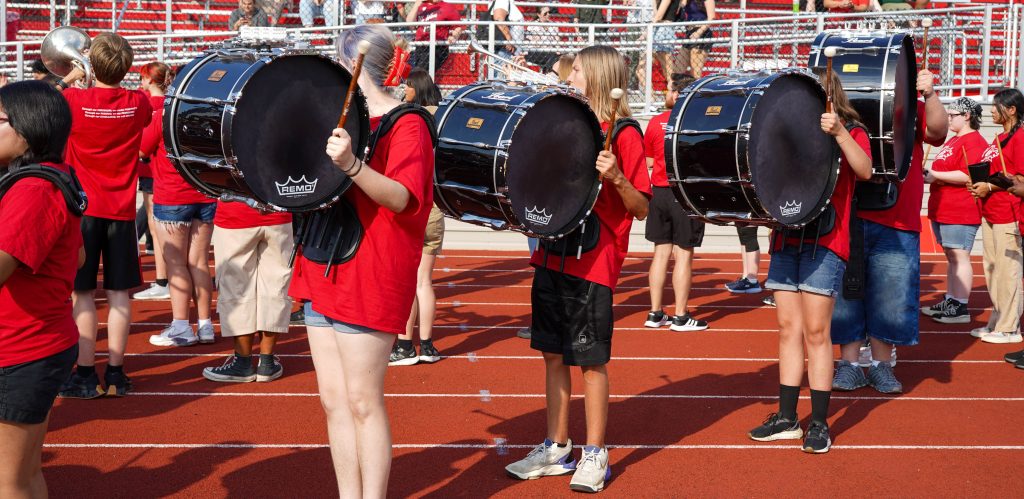


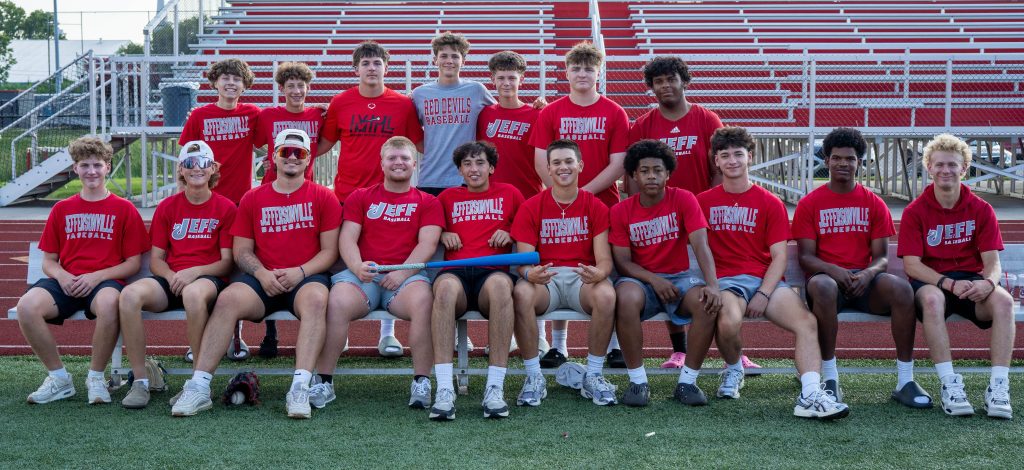

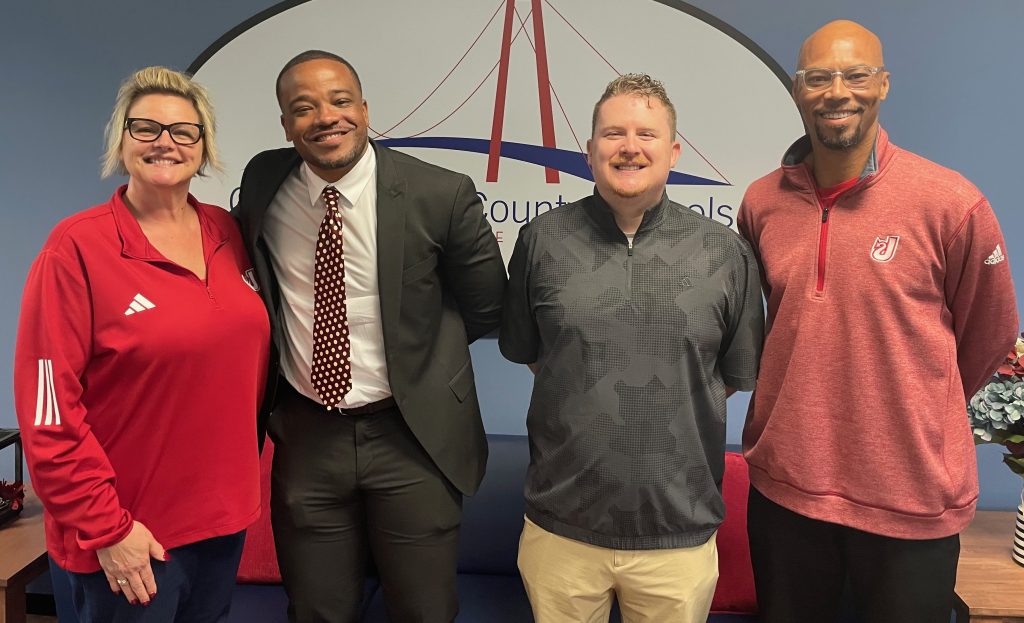
Click on the link below to read the full press release from Greater Clark County Schools:
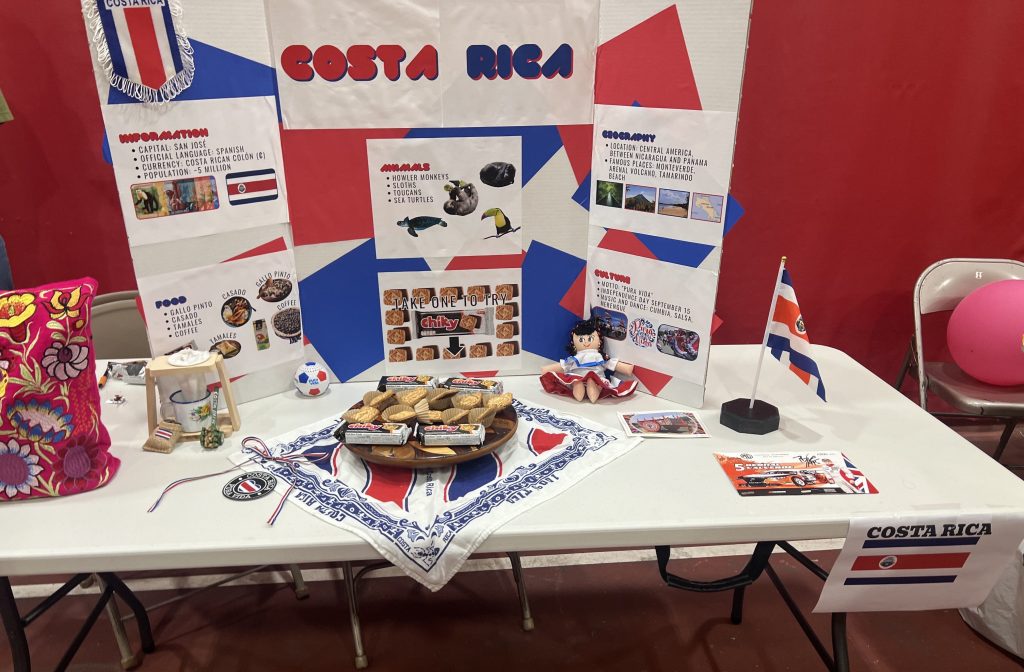
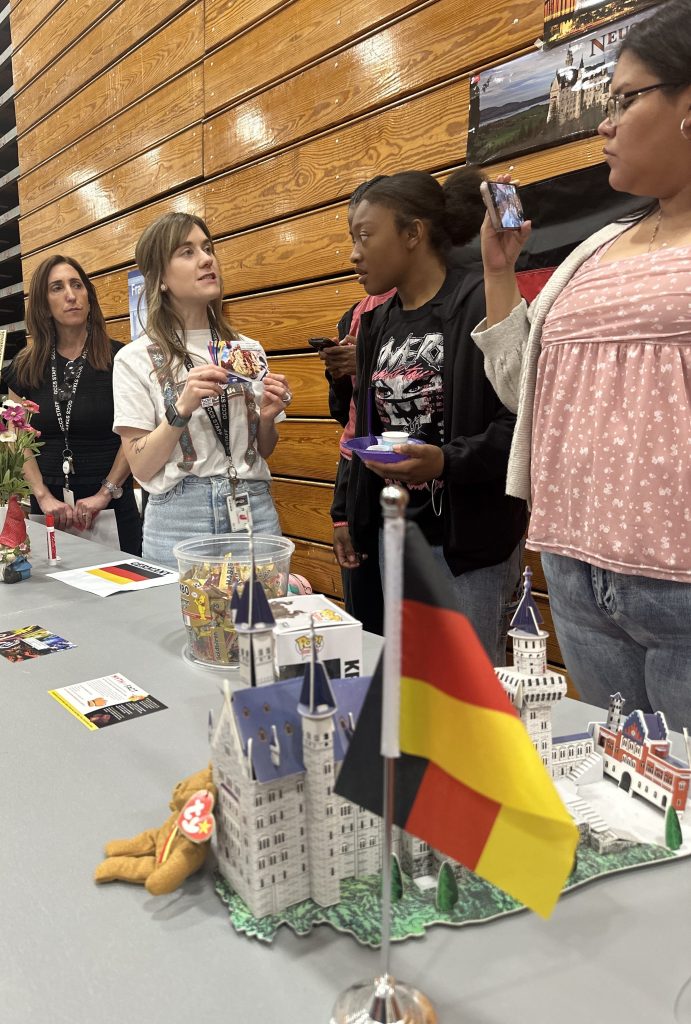
All photos by Magdalene Conrad.
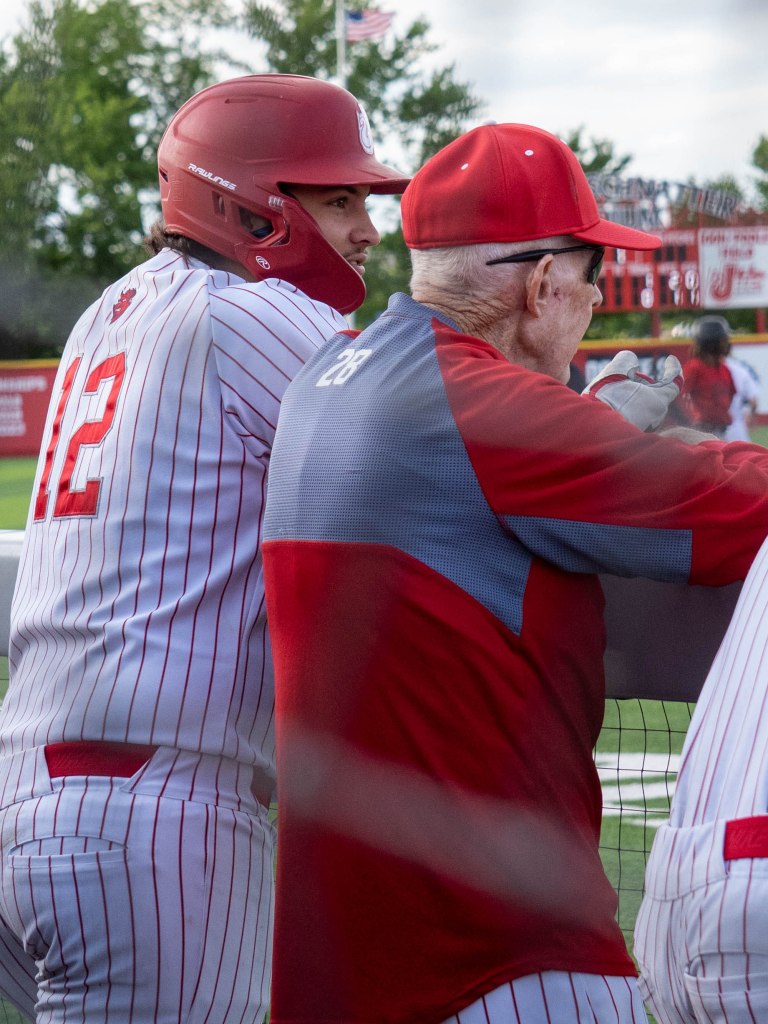
Click on the photographs in the gallery below.





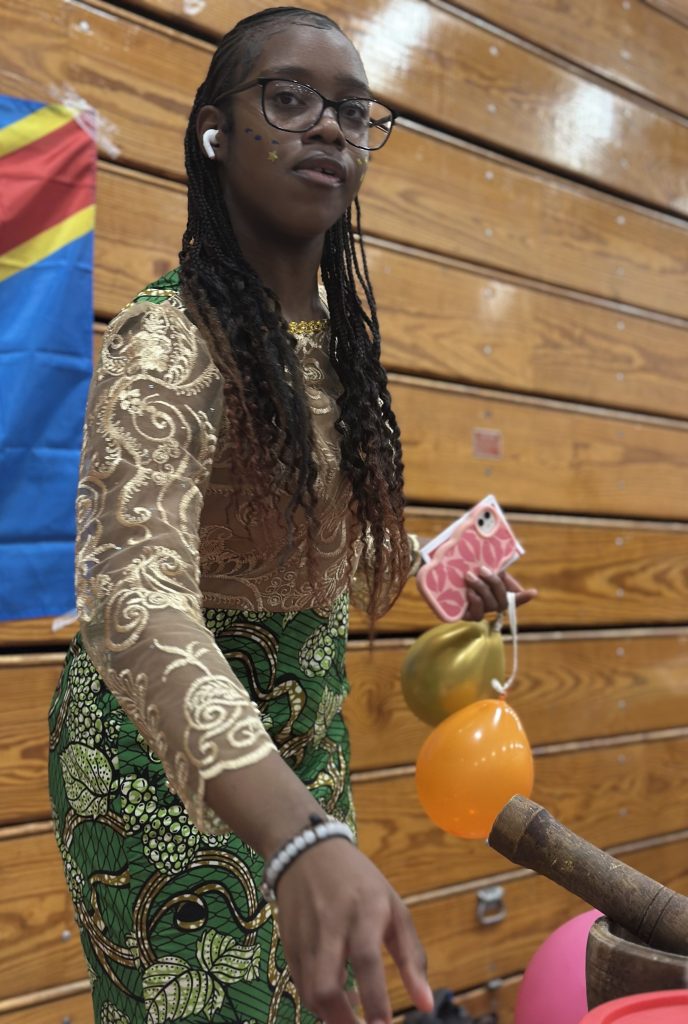
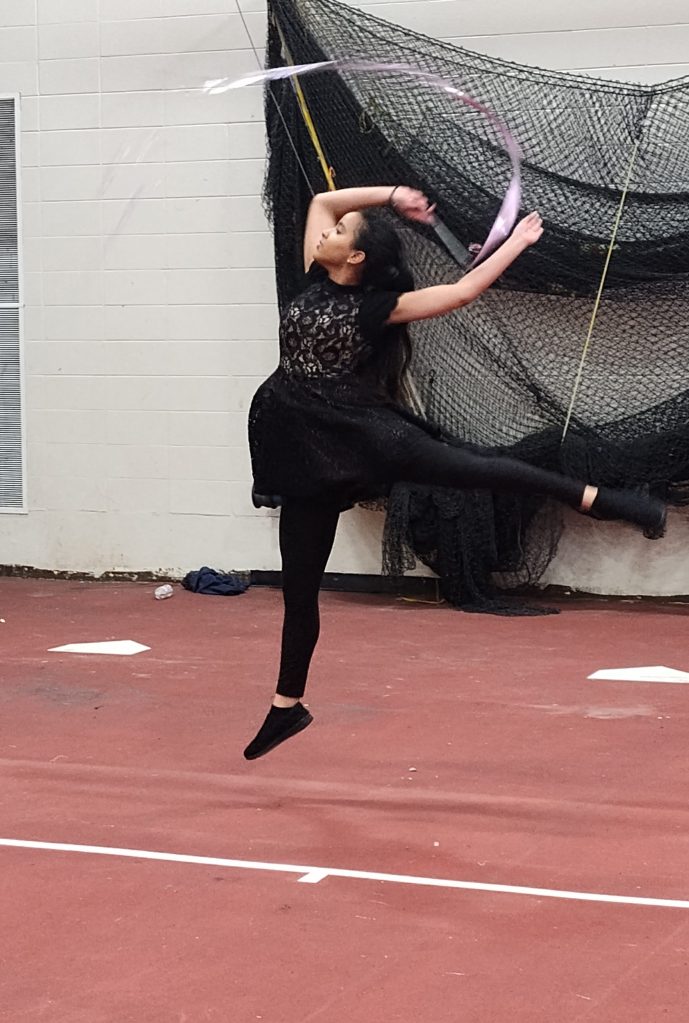
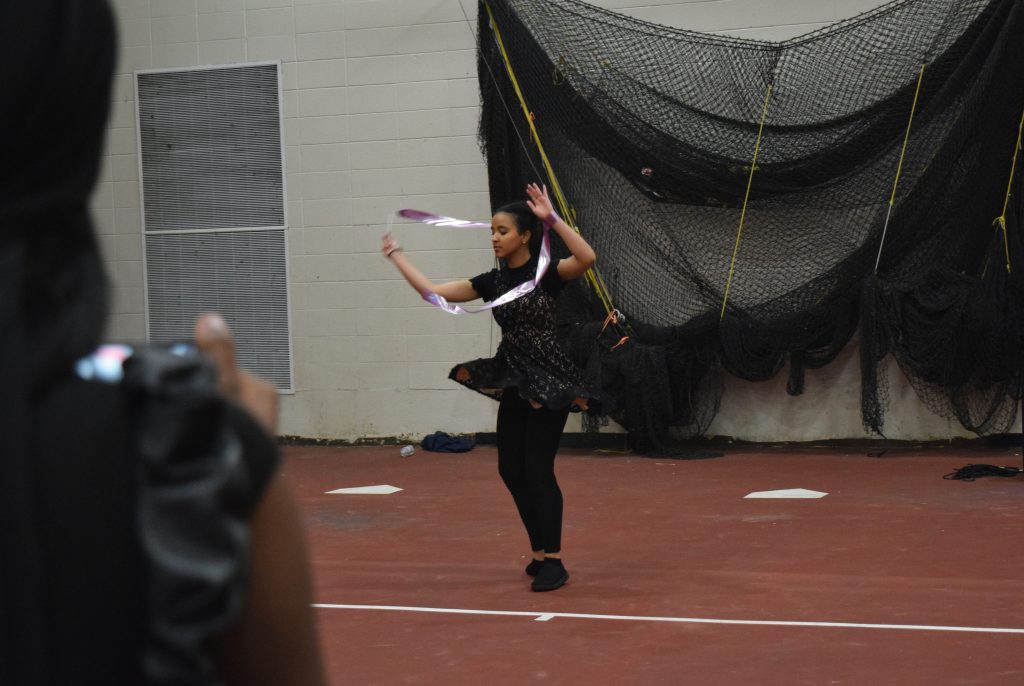





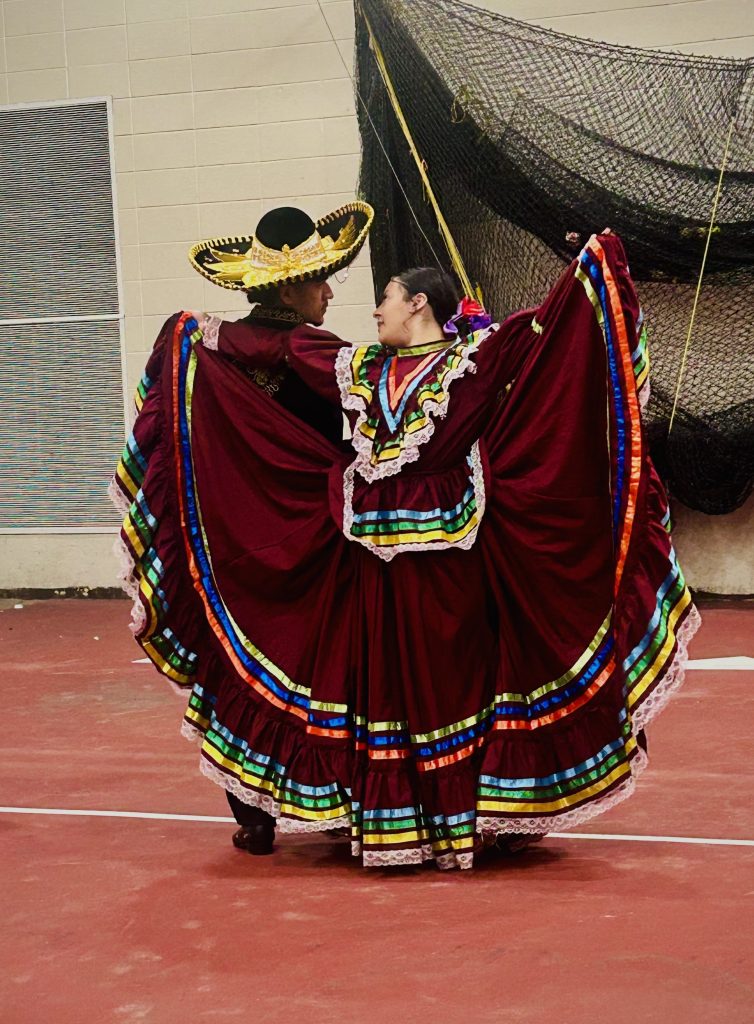
by Mallory Mattingly
Mental health is an extremely intricate topic because there are so many different components to it, yet all of them are equally as important as the other. Mental health issues are really common in youth, ranging anywhere from 10 years old to 20 years old, and more; however, these are the most common. An age range that mental health is an extremely big issue for is the mid teens, like 13-17 years old.
With teenagers, mental health has only become a bigger issue throughout the past few years, stemming especially from 2020 in the COVID-19 pandemic. Mental health is greatly associated with the overuse of social media with teenagers and being stuck in the house in 2020, significantly affecting people’s mental health in a negative manner because one of the main things we all resorted to for entertainment was social media.
Social media can negatively affect anyone because it has come such a long way, and in some cases, that isn’t a good thing. For example, cyberbullying.
Cyberbullying is the use of electronic communication to bully an individual, or multiple individuals. Social media is one of the main ways people communicate in today’s society, and specific platforms and apps are rapidly becoming more and more popular, like the application TikTok. TikTok was essentially a dancing and lip-syncing app and it was meant for ages 13 and up, but several children would get ahold of the app and somehow make their own account and enter a false birth date.
As the popularity of this app continued to rise, the original meaning for the app changed. It went from being a dancing and singing app to an app where graphic news stories would be uploaded or negative posts would appear. These posts were so unlike the other fun posts, that they blew up and went viral, creating more people to want to create that same content. In addition, since almost the entire world has access to this app and the age restriction is able to be bypassed, there are subjects being revealed to young minds that shouldn’t be revealed to them and all kinds of people use this app and many other apps for cyberbullying.
There are accounts on TikTok whose main goal in posting is to degrade certain individuals and then on top of that, people in the comments that are also belittling these people and agreeing with the creator of the account. When someone is being insulted by thousands of people, that is going to take a toll on their mental health without a doubt. Some people will even get bullied by their own friends and peers, which can be worse because these are people you see everyday and have to be around.
A specific story that I always tend to bring up when speaking about mental health is about a girl named Aubreigh Wyatt. Aubreigh Wyatt was a 13-year-old girl that committed suicide due to bullying. Her mother, Heather Wyatt, has used a TikTok platform used to bring awareness to mental health and prevent bullying, whether it’s cyberbullying or in-person. Her mother using her platform for a positive impact on people is what we should be doing with our social media.
If you or anyone you know struggles with mental health or suicidal inclinations, the national suicide prevention hotline is 988.
You matter!

Editor’s Note: Journalism I students who have published on the Hyphen website this school year were given the opportunity to write and publish a final message to readers on a topic and with a style of their choice.
by Juliette Acuna Garcia

I’ve been told I’m “too sensitive” more times than I can count. People laugh off comments about race, act like they don’t matter, or tell me “it was just a joke.” But the truth is that those comments do stick. They stay with you. I know, because one has stayed with me since I was seven years old.
I was only in second grade when I realized that the color of my skin made people see me differently.
It was recess. I was wearing a bright yellow shirt, my melanin skin beaming in the sun. I was ready to play whatever, with whoever. When this little blonde haired girl appeared in front of me, I was filled with excitement. As I was young, I had no shame. I asked her if she wanted to play with me.
“No…I’m scared of your skin color.”
I froze. I didn’t even know what to say. I didn’t cry or run away. I just stood there, confused and embarrassed, wondering what about me was so scary. When I walked away, I pretended not to care. But I did. That one comment stuck to me like glue.
I wasn’t being bullied out loud, but something in that sentence felt deep, ugly, and wrong.
I didn’t understand at the time, but now I know that was a form of micro racism — those small, everyday comments or actions that show bias without being as obvious as a racial slur. People think racism only looks like shouting or violence, but it can look like a classmate flinching when you sit too close. It can sound like “You’re pretty for a brown girl.” It can feel like being left out of certain things, being trapped in your own mind.
What happened to me that day on the playground wasn’t just one moment — it was the start of a pattern I would notice again and again growing up. That memory made me more aware, made me listen harder to what people really mean when they speak. I started realizing how normal it is for people to make those kinds of comments without thinking twice.
It’s in the jokes, when someone makes a comment about how “surprisingly well” you speak English, even though you were born here. Or when someone says, “I don’t see color,” as if pretending racism doesn’t exist is the same as stopping it.
Micro racism is so normalized that people don’t even realize they’re doing it. It hides behind jokes, “preferences,” and stereotypes. And when you call it out, you often get told you’re “overreacting.” It’s frustrating. It’s tiring.
That day on the playground might seem small to some people. But to me, it was the beginning of realizing that the world sometimes sees me differently, and not in a good way … just because of my skin. And I think that’s why it matters so much to talk about it. Because if we stay quiet, these moments will keep being brushed off as “just a joke.”
I’m not angry at that girl anymore. She was young and probably repeating some things she heard at home. But I do wish someone had taught her better. Because we all deserve to feel safe, welcome, and equal. I know I will never really feel that way, but I’m not that little girl on the playground anymore. I’m stronger, and I’m louder. It made me want to speak out, because no one should feel “scary” just for existing in their skin.
I’ve learned to be proud of my skin, my roots, and who I am. Being ashamed of what I look like will never happen again. I will always remember that little girl at recess, and how one sentence made me question who I was. That’s why I am writing this. Maybe if we start calling out these moments, we can stop them from becoming someone else’s memory, too.
Editor’s Note: Journalism I students who have published on the Hyphen website this school year were given the opportunity to write and publish a final message to readers on a topic and with a style of their choice.
by Ayianna Maddox
To be naive once again.
The world out here is cruel.
To not see crystal clear, but to see a cartoon.
To see the world bright and colorful again, instead of bland and dull.
How I miss hearing the ice cream truck’s tune.
Now I wake to a snooze alarm.
To not have a care in the world.
To yearn for the newest toy, not an extra 5 minutes.
The years passed by, believing they’d last forever.
The memories slip away, but small fragments of nostalgia remain.
Excavated memories and treasures.
Innocence to reality.
The world has never looked the same.
Looking back is realizing that every day that naive child is still present.
That naive child lives in my heart, where she’s always been since the start.

 thehyphennews.com