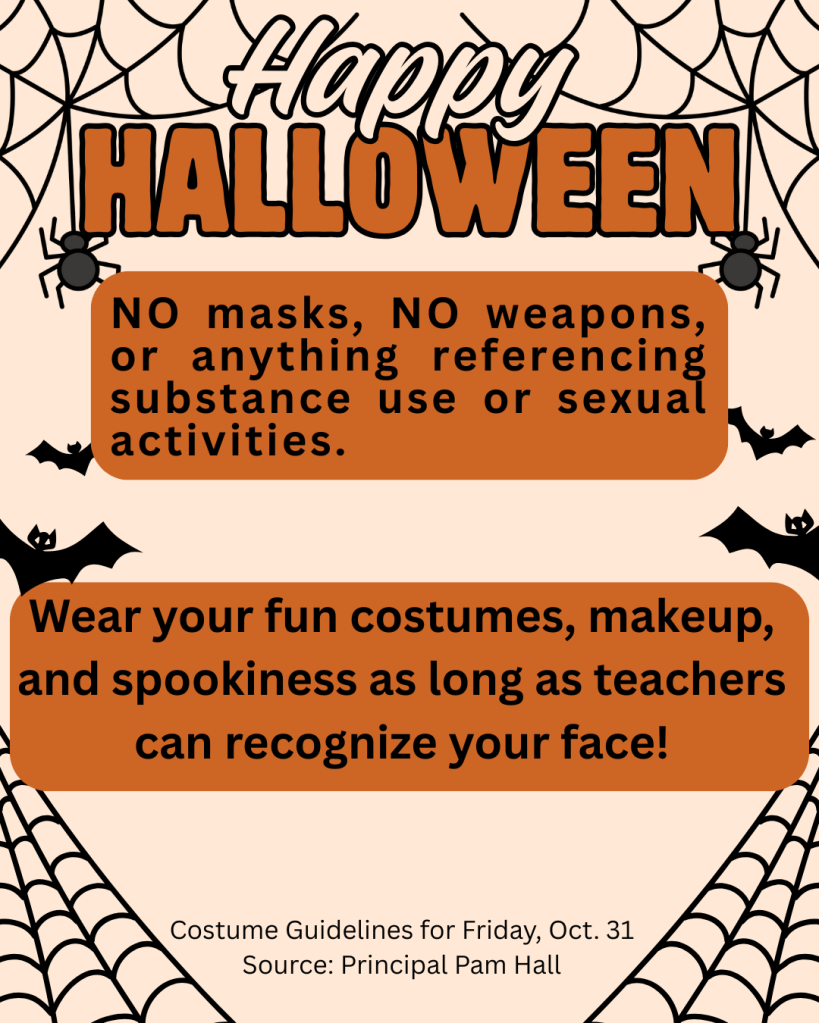
Costume guidelines set for this Friday’s JHS Halloween
All photos by Malachi Conrad.




by Areli Hernandez Romero
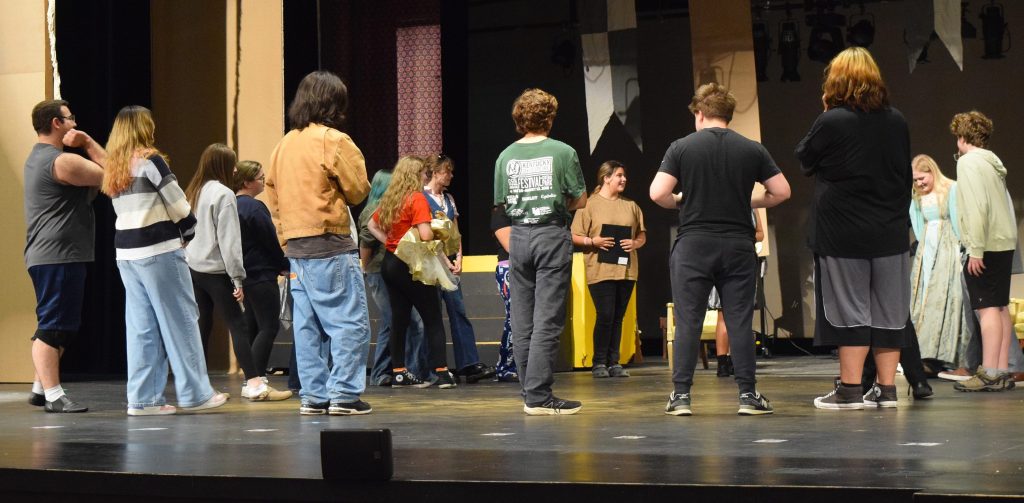
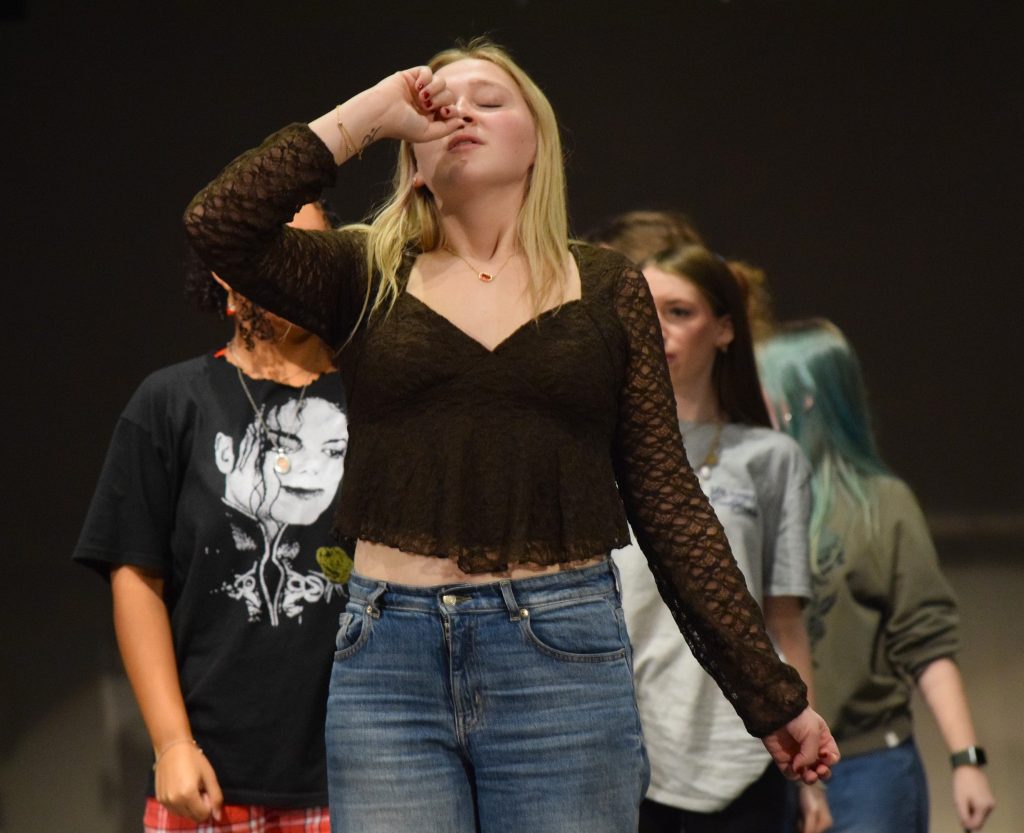
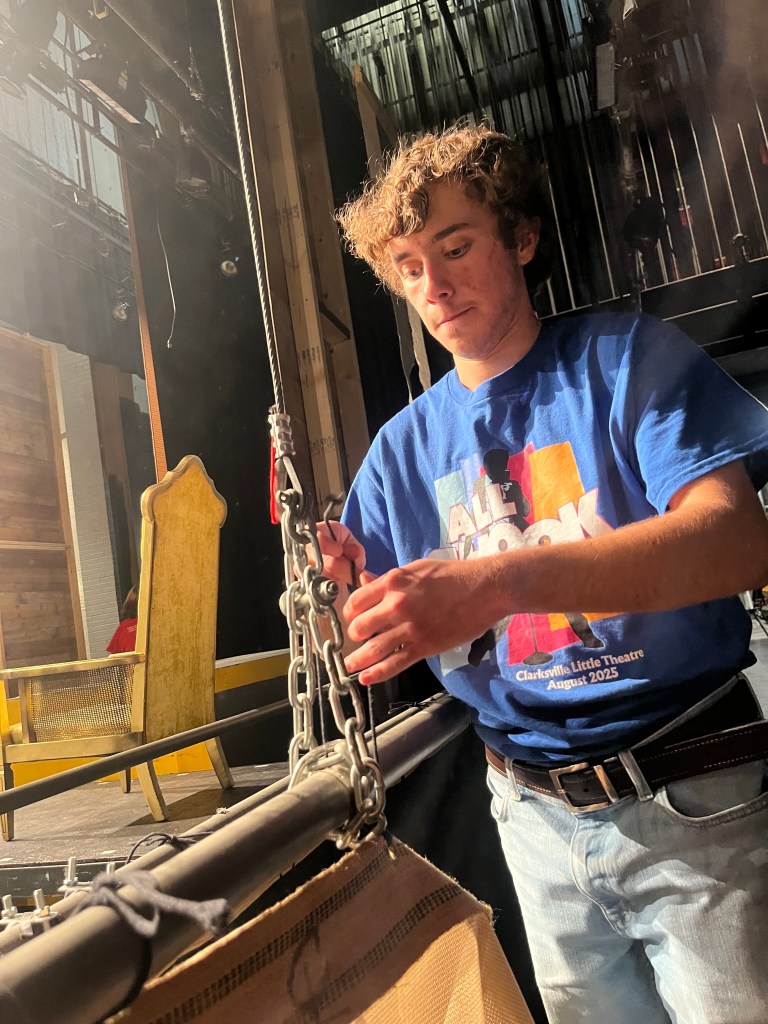
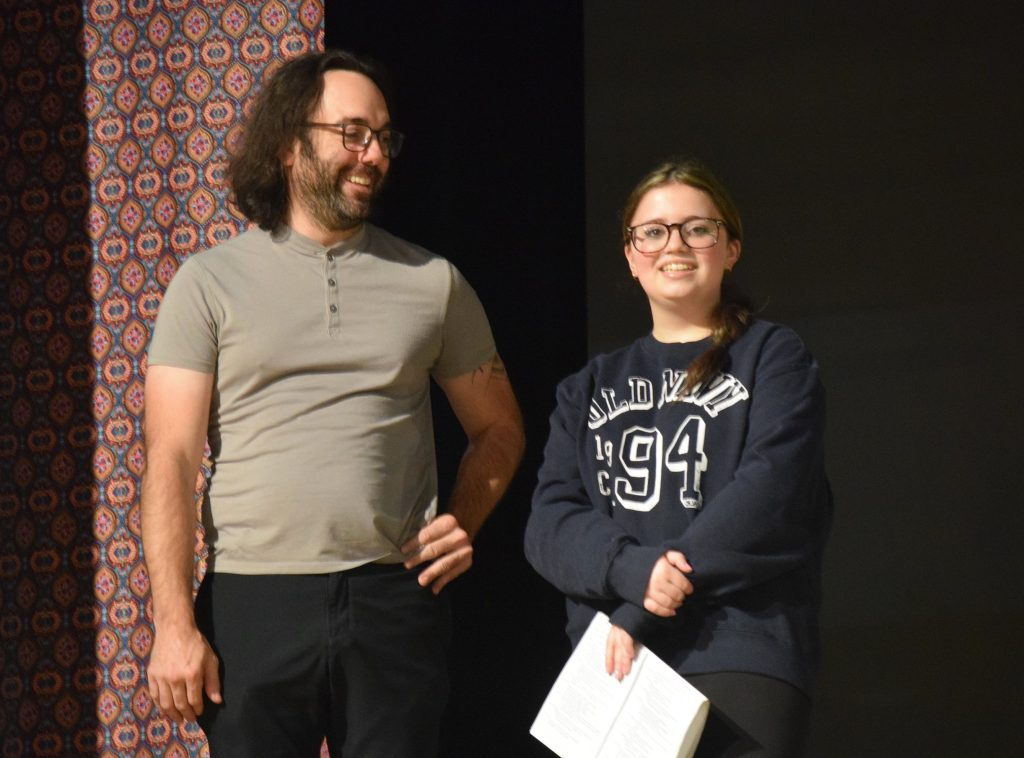
The cast and crew of “Once Upon a Mattress” is excited to announce their grand opening night, which is Nov. 1. With the support of directors, cast, and crew members, they anticipate taking over the stage and bringing life to their roles.
Show dates are also performed Nov. 2, Nov. 3, Nov. 7, and Nov. 8.

All photos by Areli Hernandez Romero and Abygail Lawson.







by Ricky Cummins
If you are looking for an extreme haunted experience, the Haunted Hotel in Louisville pulls no punches.
The moment that hotel visitors arrive it is clear that you are in for a roller coaster ride of fright and fear. The actors have no beliefs in personal space or boundaries and they can and WILL touch, grab, throw, and pull you around as you move through the hotel. I got pinned up against a wall, pushed down, and pulled by the hair. This haunted house is not for the faint of heart.
From narrow corridors to open rooms, the Haunted Hotel has everything that you would look for in a haunted house. If it’s not the flashing lights, fog and chainsaws or the makeup, props and atmosphere, there will be something that would at least startle you.

The wait is the worst and best part. The long lines and loud surroundings can be a little much for younger or older people, or just people who are impatient. But my favorite part of the waiting line was Zizzle, an actor who engages and has fun with the people in line. He is well known for his “sparky” performance and his iconic yellow smiley mask.
When it comes to accommodation they could do a little bit better, but overall is still pretty good. If you don’t want to get thrown around or pushed, they will give you a glowstick to show to the actors or to wear so you don’t get the full ride of what’s to come. The actors will still touch you, though.
My overall verdict would be a 4.5/5 star review. The only reason I don’t give it a 5 is because they send in people too quickly. Multiple times my group had to stop and wait for the group in front of us to get ahead so we could go. Other than that, I had a great time. I would highly recommend it.
by Sophia Waldridge
During school every student struggles and worries, but when October comes around everyone gets a little more worried because of yearly PSAT or ASVAB. Teachers have to prepare, and the counselors have to make a list of where students are for testing rooms. This was the case last Wednesday when JHS administered the PSAT and ASVAB.
Sophomore Christine Ruiz said she is nervous about the SATS because she wants to do well so she can get college scholarship opportunities and make a living for herself once she graduates.
“I always want to do well on the yearly SATS because I want to get a good score, teachers always tell us that our scores don’t matter but I know when it comes to college if they see bad SAT scores they won’t want me.”
Ruiz said she always does the practice tests and studies all her notes before the day comes, she even quizzes herself.
English 9 teacher Eric Watson said that to prepare his students he has a list of things he needs to get done.
“To prepare the students, us teachers have a list of different assignments, slide shows, or talks that we can give to students so they at least understand the materials that are going to be on the PSAT.”
He said it stresses everyone out but that it’s a simple system JHS has to do, and the faster students get it done the faster they can get home early. Most underclassmen who tested last Wednesday could sign out early after the completion of all testing.
His advice to any students taking either the PSAT or ASVAB is that it is complicated and “I know this is real cliche advice” but do your best, study, and try not to worry.
Principles of Human Services teacher Kyle Keplinger is one of the teachers that had to sit in a testing room with students and he said that in order to do that there is a course teachers had to complete first.
To prepare students on his end he has to complete the course, share guidelines in class that will help students prepare, and get his log-in papers passed out.
“We have a training that us teachers have to do, all teachers do; as well as some onboarding stuff to make sure all information on the college board is correct so the test can go as smoothly as possible.”
All photos by Malachi Conrad, Magdalene Conrad, Kyra Gibson, and Sophia Goforth.

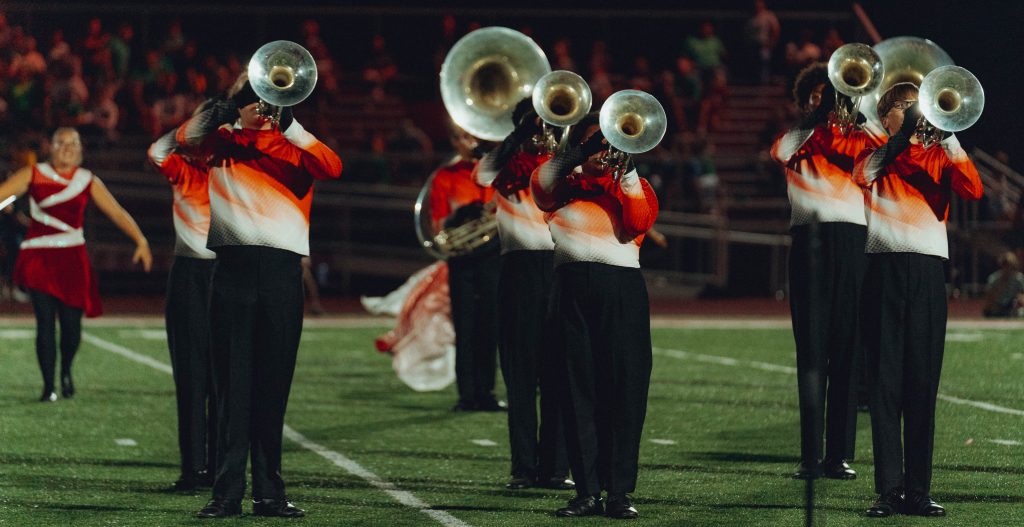


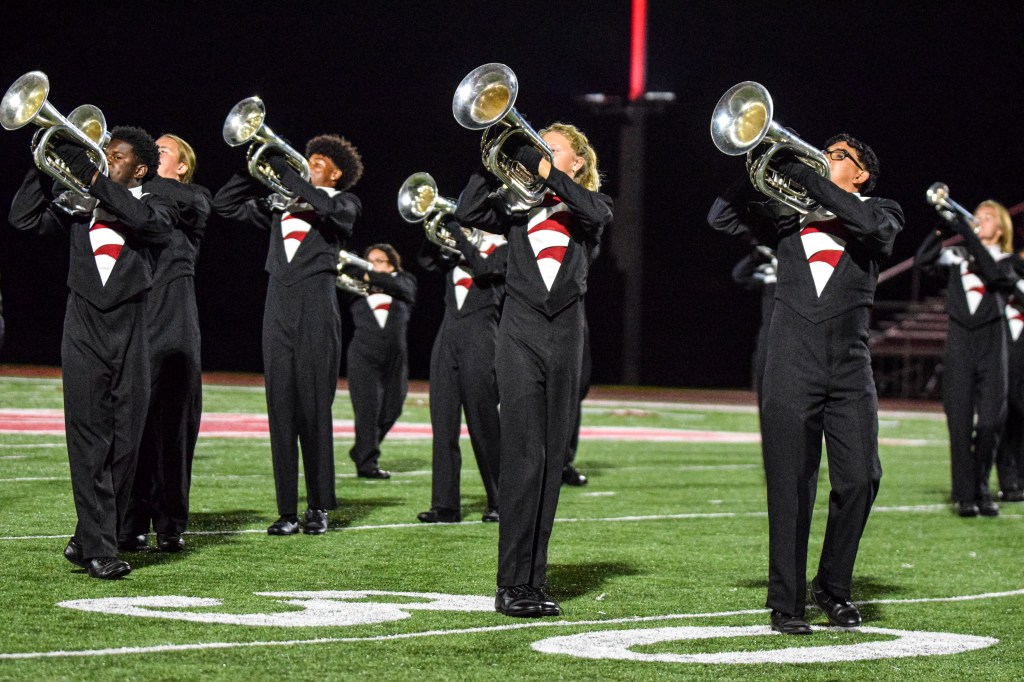
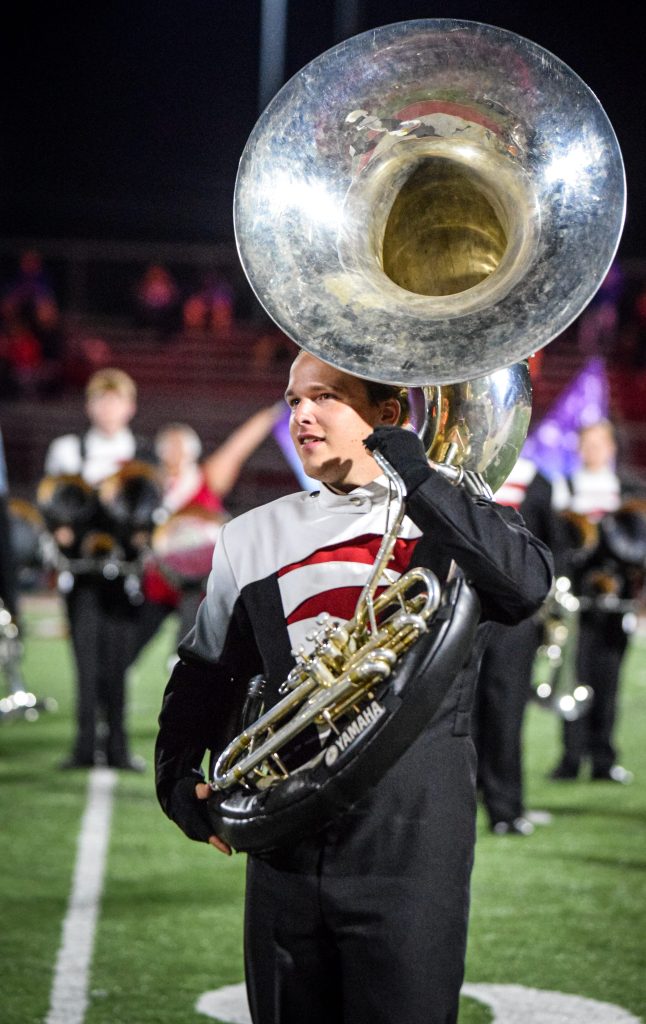
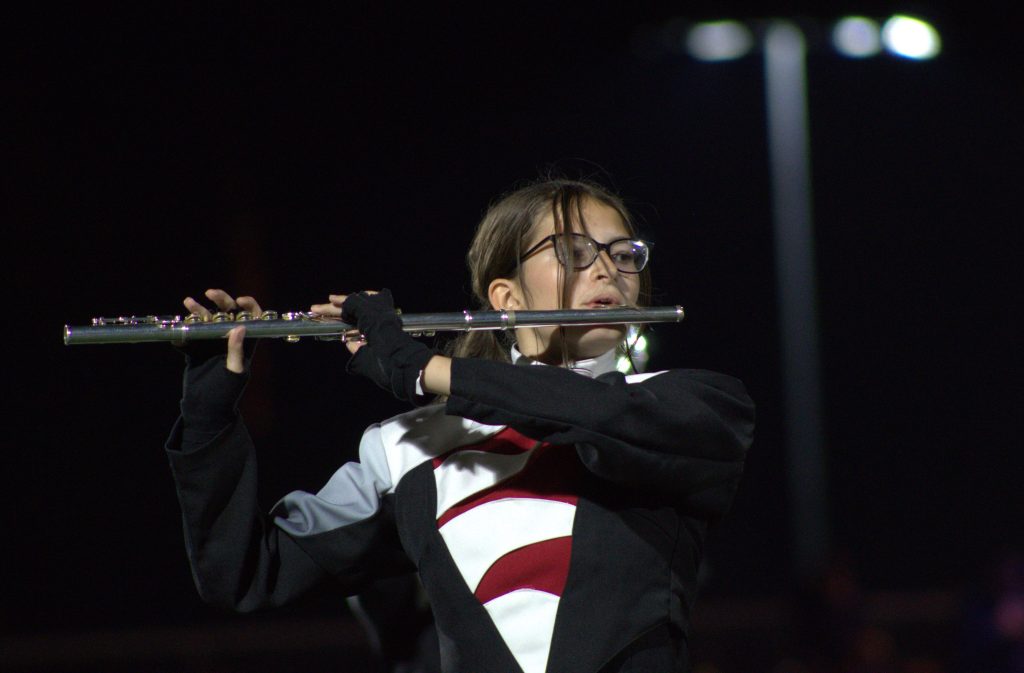


by Abigail Hall
Broadcasting teacher David Callan waves his hands animatedly as he explains the basics of editing.
“Drag and drop your video onto the timeline.”
While he appears normal or a generic teacher to a passerby, he has quite a history. Very few people know that he was a producer and executive director at WDRB before he came to Jeffersonville.
“I did audio, graphics, technical directing, directing, and eventually became the boss. So I did every job you can do in production,” he recalled.

However, he started out as a courier.
“I started off as the station runner. So back then, they had people who went to different TV stations, radio stations,” Callan said. “I went to the movie houses to get what they called movie trailers.”
He tells his students about his time in the production world very fondly, but everyone around him is grateful he made the switch to high school teaching.
Senior broadcasting student Alyssa Jendrick said that Callan has positively impacted her school experience in many ways.
“I’d describe him as a great guide to help others,” she began. “After understanding what you need, it’s nice to help others and even inspire them if they’re willing to dream big and open their minds.”
Other students often speak highly of Callan, stating how great a teacher and mentor he is. However, it’s not just students; his colleagues also admire him.
Colleague and fellow broadcasting teacher Fred Cowgill said, “He is a great broadcaster, enormously talented, but he’s a better man. He spews integrity, he works hard, he has incredible standards and none higher than for himself.”
Callan and Cowgill work hard together to make the class a fun and educational place for students to be. In the future, they hope to improve the quality of the program in many ways.
“I’m hoping I’ll have some time and I can get into Adobe certification,” Callan stated. “I’m going to put myself through it, so I understand what you need to do as a student.”
Besides editing, broadcasting students work on many other things. They are involved with producing livestreams of sports games that go on here at the high school.
“We’re trying to elevate the production level of the game,” he added. “I don’t expect you guys to be at the level that I had when I was working at DRB early on. These people, these were professionals who knew how to do the jobs. But what we want to do is we want to get in a learning step.”
Regardless of what he decides to teach, students know that they will enjoy it, just as much as they enjoy his mentorship and presence. He continues to help others in their learning and life experiences, always putting them first.
“Our goal, Mr. Cowgill’s and I, and our goal is to make you better people, to get you more informed as a citizen.”
by Jaxon Sturgeon
When Fred Cowgill walked into Jeffersonville High School, his first impression was simple: “A place that was very … what’s the expression? Best kept secret in America.”
Cowgill, who spent nearly five decades in TV and radio, including more than 30 years at WLKY, now leads the WJHI broadcasting program. But for him, the goal has never just been about producing future broadcasters.

“We’d love it to be in broadcasting, but we believe what we’re trying to accomplish and teach goes well beyond that,” Cowgill explained. “Better people. Better people to function in society, better prepared for whatever they decide to do with their lives.”
Cowgill always reminds students that the studio isn’t just about lights, cameras, and editing software. It’s about building real world skills, responsibility, problem-solving, and collaboration that last far beyond high school. “We tell them we’re TV dads, and they’re stuck with us for life now,” he said with a laugh.
To him, what makes WJHI stand out is the family atmosphere they’ve built. “We tell them this is a safe place. If they’ve got a problem, come,” Cowgill said. “We’d like to make this a better program, a better school, a better community, and it takes time.”
Cowgill said he’s always looked at his time at WJHI through a “five-year window.” He knows he won’t be teaching forever, but in that time, his mission is to build something lasting, an operation that runs smoothly long after he’s gone.
“The goal has always been five years, because I’m not a kid,” Cowgill said with a laugh. “But in that time, we can make this a turnkey operation where we hand off to the next people, and they have a framework for what we’re trying to accomplish.”
That plan, he feels, is already beginning to take shape. Year one, he admits, was “flying blind.” But now, in year two, the vision is sharper. With the help of teacher Dave Callan, the program is really finding its rhythm.
“We’re establishing year one, we were flying blind,” Cowgill said. “But year two, we’re laying a foundation. The culture’s better.”
Students say they’ve noticed that shift, too. Robert Tucker, a sophomore in the program, said Cowgill has a way of pushing them without ever making the work feel overwhelming. “He’s tough in the best way.”
Tucker said. “When you know his background in broadcasting, you want to kind of rise to his level. It makes you work harder, but it also makes you care more.”
For him, though, it’s not the big projects that matter most. It’s the little things he sees in the classroom. “I see kids do something cool that I didn’t expect, didn’t see coming. Makes my month,” he said.
Kaden Westbay, another student in the program, said that encouragement sticks with him. “The smallest compliment from him feels like a huge deal,” Westbay said. “Because when he says you did something right or good, you know it’s legit coming from a guy who’s been doing this for what 50 years?”
What ultimately sets the program apart, Cowgill believes, is its connection to the real world.
“My 50th anniversary in broadcasting is Sept. 1. Forty-eight and a half of those, give or take, were in TV and radio. We know what works. We know what’s going on in the business. We know what to teach,” he said.
Cowgill’s mission is clear: build broadcasters, yes, but more importantly, build better people.
by Brennan Zoeller and Jilliann Denbo
Many fashion styles have changed over the years, some good, some bad. Teens’ fashion, specifically boys, however, changes the most, usually from social media impacting the way they dress. Seeing the way many people style and express themselves impacts how a lot of people dress, in many different ways.
When seeing other people on social media make outfits in different ways, it changes how students want to dress.
Class of 2025 graduate Shawn Boyd stated, “By seeing other types of clothes and styles, it gives me a broader imagination on the different types of styles I can mix and match.”
Many teens don’t necessarily get their outfits directly from social media, but they get inspiration from it.
“I get a lot of inspiration from different fashion influencers and wouldn’t know a lot of brands without advertisement on social media platforms,” sophomore Isaiah Valenzuela said about how much social media impacts his style.
Social media lets students express themselves in ways that they’ve wanted to do but couldn’t because of the pressure of it not looking good. Now with social media, they can express themselves in ways they want.
Boyd said,”Social media really allowed the things I wear to be more acceptable and accessible,” while Valenzuela said,”I wouldn’t really think to put some things on without seeing it on social media first.”
Sophomore Ryder Lott also stated, “The things I wear are meant to express myself.”
The way that students dress isn’t entirely changed, but it’s inspired and blossomed out because of what they see on social media.
“The way I dress really comes from how I feel within. I’ve gotten to a point where I just use social media to see the different types of clothing that are available, rather than following the latest trend,” Boyd said
Most girls sit in front of their closets and wonder what they are wearing for the day, while others scroll on their phones trying to pick out outfits. Social media helps most girls pick out their outfits; it also can influence them to change their styles all the time. But others don’t use social media at all to pick their outfits.
“I don’t feel pressure to change what I wear. But the way I keep up with fashion trends is normally when I think a style is cute I’ll look up inspiration. But I normally don’t rush to change my style every couple of months,” said sophomore Cheyanne Bogan
Despite some girls not using social media for their outfits, others typically rely heavily on social media for those reasons.
“Social media definitely affects what I wear because I constantly see new styles and outfits when getting on Tik Tok or Instagram. It makes me feel like I need to buy new items and wear what that person is wearing to feel confident and to feel like I look good,” said sophomore Miaa Caporale
Most girls also like to have many different outfits and styles, but a lot of the time they need help figuring out which ones to choose from.
“Influencers definitely affect what I wear. If I like what they are wearing, I buy outfits off of that. I normally use different influencers to choose from multiple different styles,” said sophomore Malloree Fletcher
While a lot of girls think it is a positive influence, changing styles when trends change is hard to keep up with, along with most girls thinking they have to change styles when others do.
“I do feel pressure to wear what I do because I don’t want to be left out or not fit in a trend. With Tik Tok and many other social platforms, there’s so many new trends that it’s hard to keep up with. These trends make me feel like I need to adjust my style to fit in,” said Caporale.
While it’s tempting to jump on every little trend, always know that a style is about a person’s personality and lifestyle. And not always about the latest trends and looks.
by Ameerah Gbadamosi
The culinary class is not just a place of baking, it’s a place where students can feel free to fully express their creativity on the treats and desserts they make.
“Cooking makes me feel good, it puts me in a state of peace,” senior Coryon Cornet said.

Some people choose culinary class in order to learn more about cooking and increase their culinary skills.
“I chose this pathway to learn more about cooking and the hospitality, I wanted to learn more about the backstory of cooking,” senior Liliana Castellanos said.
According to culinary teacher Amy Whitaker, the culinary class is also a place for her students to express their confidence through cooking.
“I really enjoy seeing the growth and confidence my students gain through cooking,” Whitaker said.
“I’m preparing students for a future in the hospitality industry while developing soft skills for employment.”
Culinary Arts Teacher Amy Whitaker
Whitaker makes sure that her students understand the process of cooking; she makes sure that she explains each step of cooking carefully and makes her class fun while also making sure that her students learn.
Castellanos said, “My favorite part of this class is the teacher because she is always willing to help you if you need it.”
The culinary class is more of a hands-on learning experience; it allows students to know more about cooking by making the treats themselves, so students can learn from their mistakes.

“The class itself is fun and entertaining, and it’s very hands-on learning. The teacher is very understanding about getting your work and making mistakes,” senior Jasmine Mcleod said.
She ensures that she expands her students’ cooking knowledge in order to prepare for the outside world.
“I make sure to build upon and improve each student’s culinary skill,” Whitaker said.
She makes sure to teach and prepare her students about cooking and what they can do or who they can become once they fully know all about cooking.
“I’m preparing students for a future in the hospitality industry while developing soft skills for employment,” Whitaker said.
by Rain Gresham
Everyday life is filled with stress, whether that be school, work, or responsibilities. A place to be yourself is desirable, a place like say, Tea Club.
Tea Club was founded in 2019 by dedicated student September Kaugchak when people were in most need of a relaxing social club — a place where people could come together, talk, and relax over their shared love of tea without the stress of the real world.
Stepping inside students could feel the difference, the stress of bustling hallways during school hours melting away as they stepped into the surreal welcomeness of Tea Club.

“Everybody talks to each other,” said German teacher and sponsor Lisa Stumler. She makes sure that everyone stays safe and has fun.
From the Blackberry citrus to Darjeeling, Tea Club is full of all kinds of tea fitted for all types of different students to come together and enjoy the simplicity.
“I realized being a part of something that can help students develop their social skills is one of the key elements to them being successful adults,” stated French teacher and sponsor Dana Schenk.
Everybody has their own ways of falling into the things they love, whether that be a friend, a student, or even just stumbling upon it.
“Ms Schenk, the French teacher, she mentioned she was asked to be the teacher sponsor and she thought it’d be great if we could be teacher sponsors together, and I thought it’d be a great idea as well,” said Stumler.
“I fell into it because one of my students (current president and senior Toby Wilder) asked me if I can sponsor it and I assisted to some of those last year,” Schenk shared.
“I saw them on eighth grade night; they had tea bags and rainbow flags together. I thought it was cute and welcoming,” reminisced Wilder, the current co-president of Tea Club. She takes care of the fundings.
“I joined the club because my friends invited me and I thought it was cool,” stated senior Marianna Bush, the other co-president. She plans events.
Tea Club is a social club and a successful one at that, as they rake in about 40-50 people at the beginning of each quarter. “First weeks of the quarter always have a lot more,” emphasized Wilder
First time Tea Club goer Lilly Wright thought that it was “pretty chill. I liked the snacks and tea.”
Visitors walking into the Media Center after school on an average Friday would be met with the sight of Wilder and Bush setting up the tea and snacks.
Making way to one of the tables, you could interact with any of the people in the club.
Once everyone has gathered and they have finished setting up the tables, Bush and Wilder come around telling people they could now go up to grab tea and snacks.
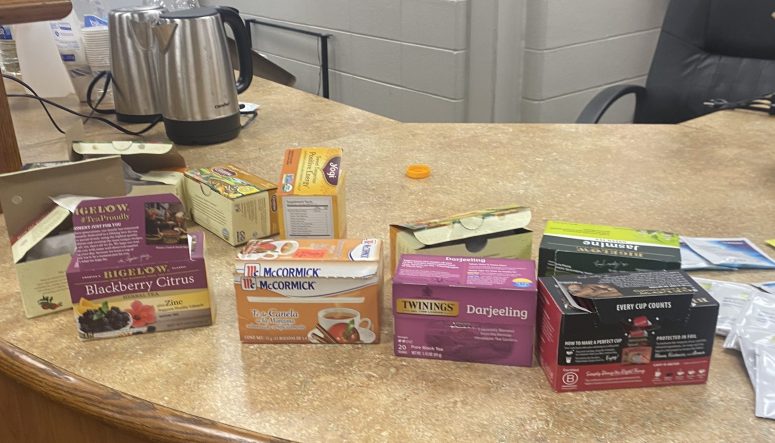
The selection of tea bags to choose from varies drastically, from sweet to savory to earthy.
Wilder and Bush make sure of that. The two cherish the club and think of it as home, away from home a place where they can relax from the stress of the week.
The club has been a big part of their life for the past four years and even after they graduate from high school, it will hold a place in their hearts.
“I want it to continue, as it was found as a safe space for people,” said Wilder.

 thehyphennews.com