by Kenzie Stubblefield
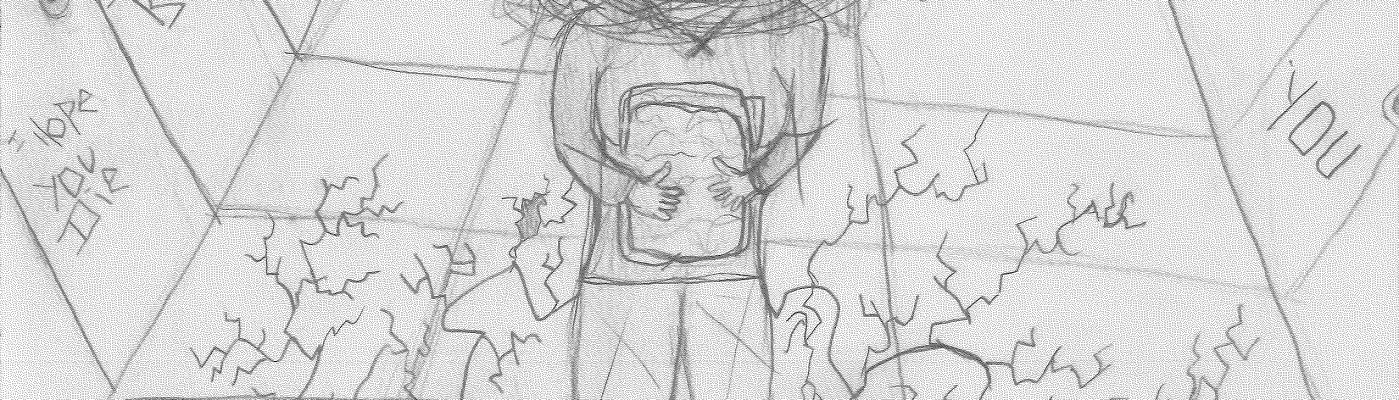
Teen mental health issues have become a growing concern, affecting millions of teenagers worldwide. Suicide is currently the eleventh leading cause of death in the U.S., according to the Center for Disease Control.
Some students have spoken out about having anxiety, depression, and stress-related disorders as some of the most common challenges teens face, which are often triggered by academic pressure, social expectations, family dynamics, and personal insecurities. The rise of social media has also contributed to increased feelings of inadequacy, cyberbullying, and social isolation.
Freshman Jan Vissing said, “It could be better; a lot of issues are caused by other students and some staff members’ immaturity.”
Students and staff alike sometimes have issues getting along with each other, and the words of others can spread like wildfire.

Another student, sophomore Darryl Cordova, shared, “The class grades and the stress that comes with all the classwork can cause problems for a teen’s mental health. We also have to wake up at 6 a.m. almost every morning. That can get stressful for a lot of teenagers.”
This just goes to show that the environment teens are in every day has a real impact on their behavior and mental health.
The COVID-19 pandemic further intensified these struggles, leading to a surge in loneliness, uncertainty, and disrupted routines. Many teens have reported difficulties in maintaining motivation, focusing on schoolwork, and managing emotions.
Peer relationships, which play a crucial role in adolescent development, have also been impacted, leading to feelings of detachment and low self-esteem.
Senior Koy Raymer said, “Students’ mental health was, and still is, affected by COVID, and to add to that, the older generations were affected and don’t know how to help the younger generation.”
Warning signs of mental health struggles in teens include mood swings, withdrawal from activities, changes in eating or sleeping habits, and a decline in academic performance. Without proper support, these issues can lead to severe consequences such as self-harm, substance abuse, and suicidal thoughts.
Fortunately, JHS has faculty and staff ready to offer support.
Administrative assistant and staff member Torin Clapp, said, “There’s a greater need for mental health resources now more than ever. We need more people in the mental health field to help students out. Not only is it a lot for the students to handle, but the staff can also become stressed by those situations.”
History teacher John Santry said JHS has resources to help students. “I think the help and resources students have here are great. The students have teachers and counselors that they can always go to for help; the only negative thing is that the state has cut services for mental health.”
To address these concerns, open communication, professional counseling, and school-based mental health programs are essential. Encouraging healthy coping mechanisms, fostering supportive environments, and reducing stigma around mental health can help teens navigate these challenges and build emotional resilience.
Counselors can help teens address these challenges, but Indiana lags far behind other states in the number of health care professionals in school buildings.
In TheStatehouseFile.com article “Bipartisan bill pushes to improve mental health in Indiana public schools,” Kate Breeden writes, “In 2021-2022, Indiana ranked the worst among student-to-counselor ratios, with only one counselor for every 694 students. The American School Counselor Association recommends a 250-to-1 ratio. Although the numbers have progressively decreased in the past years, Indiana still has a 497-to-1 ratio, almost double the recommended amount.”
The Indiana Suicide Prevention Program (ISPP) posted information entitled “Understanding Suicide,” which stated, “The more you know about how you are feeling and the help available to you, the better you can manage your stress. Learn more about teen suicide, including risk and protective factors, warning signs, and how to handle the situation when a friend talks about suicide or dies by suicide.”
So, if you, a friend, or a loved one is having thoughts of suicide, call the suicide and mental health hotline at 988.
“I feel like, for teen mental health, in particular, I think it’s important to address any issues you’re having in or out of school and to address those with your counselor because I think that students need to have good mental health to be able to perform well and be successful academically,” said counselor Amy Colangelo.
Ultimately, Colangelo said everyone should have a person to lean on and talk to.
“I always say that whether it’s a teacher, student, staff member, counselor, or friend, it’s important to identify the people you can lean on when you need that extra help,” she said. “I think what’s great about Jeff is that we have so many people that want to help, so there is somebody that everybody can lean on.”
Students facing mental health struggles, emotional distress, concerns about alcohol or drug use, or just need someone to talk to can contact the JHS counselors, who are here to assist.
 thehyphennews.com