
by Abbigail Hollins and William Hudgins
At JHS a growing number of teenagers are turning to vaping, unaware of the hidden dangers that come with each puff. As e-cigarette use skyrockets, many people are concerned about the issue of students vaping.
Health professionals warn of the potential long and short-term consequences.
Registered nurse Julie Semones said there are a number of long- term effects to the unhealthy habit.
“It can affect, say, your brain function, cognition, brain and lung damage, and women can have reproductive issues.”
Semones also warns the long term effects on vaping
“For short term effects, it will cause coughing, sneezing, headache, diarrhea, nausea, vomiting, appetite loss, and many different side effects that can happen.”
Teachers express the concerns about the impact vaping can have on their students. They want to better educate students regarding the issue of vaping.
Science teacher Megan Phelphs said, “Actually having a conversation about it, or doing a lesson on it” is one way teachers can educate their students.
Phelphs said enforcement in school to prevent vaping among students is important. “A good check-in with students or asking to see their purse or on their person with parent consent. Also, having posters all over the room is a very effective way.”
Some teachers prefer their students to be disciplined to learn from the mistake of vaping.
Algebra teacher Scott Lowe said, “I would immediately send them to ISAP but I will also report them directly via email to (freshman principal) Dr. Bernard-Bramblett. Then I would let her take over from there.”
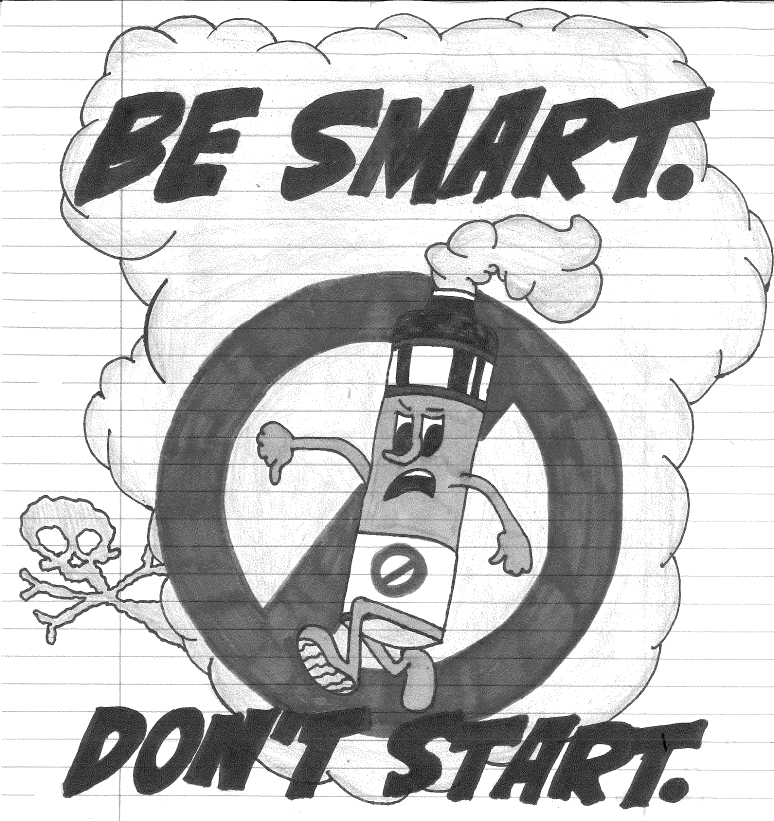
According to safety and security supervisor Brian Mitchell, there are even greater consequences for vaping that may involve the law.
“It depends. If it’s nicotine, it’s a school suspension and your parents will be notified. If it’s THC, a second offense right now is an arrest; a first offense they can give you an opportunity to go to a drug class and the paperwork will be submitted to the prosecutor and you possibly could still be charged.”
School Resource Officer Tyler Robinson said one way to prevent problems with vaping is to never start.
“For students to avoid it, don’t start and don’t feel peer pressured into doing it.”
Some students are against vaping and are worried the school is not addressing the issue.
Sophomore Shelby Ramge expressed her idea of how the school can improve the vaping issue.
“The school can improve with the vaping issue by monitoring kids who walk in and out of the bathroom and see which ones stay in there longer than the others, and keep track of the girls/boys who go in there repeatedly after every passing period.”
Freshman Wade Van Duyn expressed a different route of how the school can better improve the issue.
“I think we could improve the issue of vaping with better facilities for those who are struggling mentally and a less toxic environment.”
Greater Clark County Schools Board of School Trustees vice president Teresa Perkins said the school corporation must follow the law when enforcing guidelines to prevent vaping.
“We must follow the law if the vape contains controlled substances. Just like cigarettes, punishments can range from in-school suspensions to out-of-school suspensions. If they contain controlled substances, the police will intervene and the student could be arrested.”
 thehyphennews.com
wow this story is great 10/10 will DEFINITELY read again
LikeLike